
Chidimma Adetshina: The Soweto-Born Beauty Queen Fighting Deportation
In the heart of Cape Town, a courtroom drama is unfolding that cuts to the very core of what it means to belong in Africa. Chidimma Adetshina, a 25-year-old beauty queen who once captivated the nation during the Miss South Africa pageant, is now fighting to remain in the country she calls home, faci
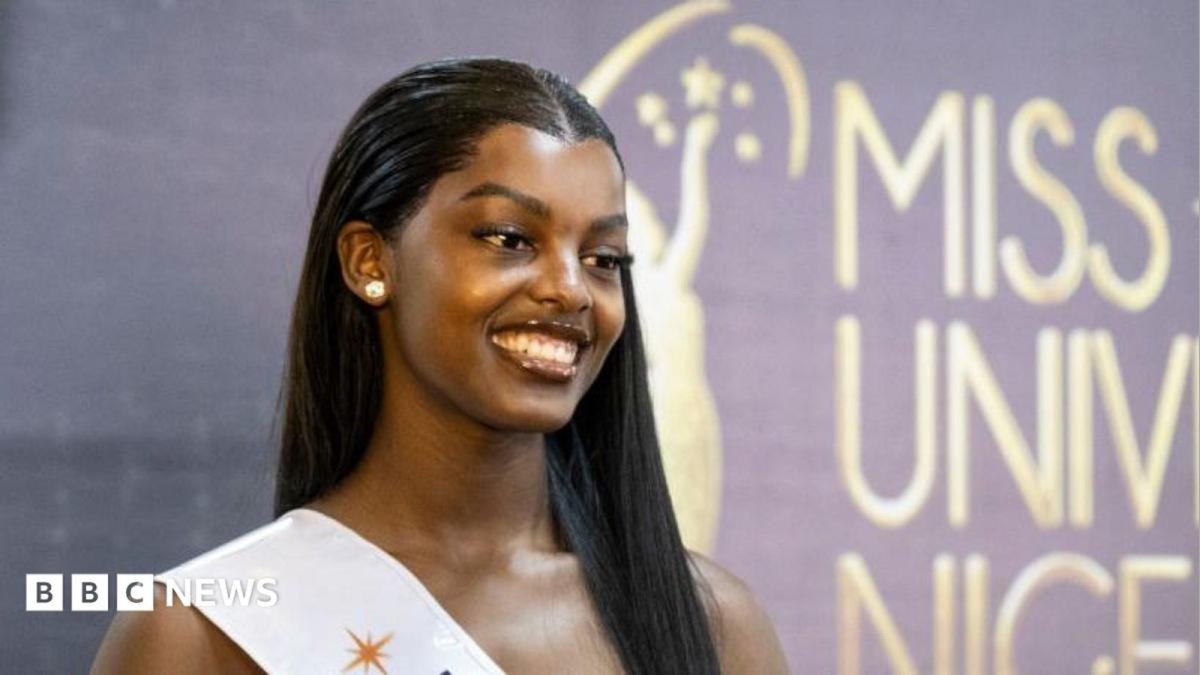
In the heart of Cape Town, a courtroom drama is unfolding that cuts to the very core of what it means to belong in Africa. Chidimma Adetshina, a 25-year-old beauty queen who once captivated the nation during the Miss South Africa pageant, is now fighting to remain in the country she calls home, facing a deportation bid that has reignited fierce debates about citizenship, identity, and xenophobia across the continent.
Beauty Queen's Citizenship Battle Grips South Africa
Cape Town, South Africa — Chidimma Adetshina stood outside the courthouse, her voice steady but laden with emotion, as she declared to the world that she was born in Soweto and raised in Cape Town. The 25-year-old law student-turned-pageant star is at the center of a legal storm, with South African officials seeking her detention and deportation after she was declared a prohibited person in 2024. Her case, postponed until February 2027, has become a lightning rod for the nation's ongoing struggle with migration and identity.
A Childhood Rooted in South African Soil
Adetshina's story begins in the bustling township of Soweto, just outside Johannesburg, where she was born. She grew up in Cape Town, where she attended school and later studied law, building a life she always believed was authentically South African. "I remind everyone that I was born in South Africa. I have applied through the proper legal channels to have my status and citizenship determined," she said after Wednesday's hearing, her words carrying the weight of someone fighting for their very existence.
Her family background is a tapestry of African identities — her mother, Anabela Rungo, has Mozambican roots, while her father is a Nigerian citizen. This mixed heritage became the foundation of a legal battle that would strip her of her identity documents and thrust her into the national spotlight.
The Pageant That Changed Everything
The controversy erupted in 2024 when Adetshina became a finalist in the Miss South Africa pageant. Her participation sparked a firestorm of criticism, with many questioning her eligibility to compete given her mother's ties to Mozambique and her father's Nigerian citizenship. The backlash was intense, forcing her to withdraw from the competition. But the damage was done — the questions raised about her citizenship triggered a formal investigation by South Africa's home affairs department.
Officials alleged that her mother had committed identity fraud to gain South African nationality, leading to the revocation of Rungo's citizenship in 2025. Under South African law, being born in the country does not automatically grant citizenship — at least one parent must be a citizen or permanent resident. This legal technicality became the cornerstone of the government's case against Adetshina, who was stripped of her South African identity and travel documents in 2024.
A Life in Limbo: From Cape Town to Nigeria
Faced with the loss of her documents and mounting pressure, Adetshina made the difficult decision to leave South Africa in 2024. Her journey took an unexpected turn when she was invited to participate in the Miss Universe Nigeria pageant, which she went on to win. It was a moment of triumph, but it also complicated her legal situation further.
In court, South Africa's home affairs department argued that her application for a South African visa while in Nigeria, along with Nigerian passports for herself and her son, implied she was not a South African citizen. Officials further alleged that she returned to South Africa illegally via a Mozambican border post, leading to her arrest in June this year. She was later released on warning, but the threat of detention loomed large until Wednesday's postponement.
Speaking Out Against Xenophobia
For Adetshina, this case is about more than just her personal freedom — it is about the broader climate of xenophobia that has gripped South Africa in recent years. "There has been an attempt by the authorities to make an example of me with this case," she said, her voice carrying a mix of frustration and resolve. "We should not allow xenophobia and misinformation to determine how people are going to be treated."
Her words seemed directed at the protesters who had gathered outside the courthouse, many of whom chased after her car as she left. The demonstration was led by the anti-migrant group March and March, which has been at the forefront of calls for undocumented migrants to leave South Africa. The scene was a stark reminder of the tensions that simmer beneath the surface of South African society, where economic hardship and high unemployment have fueled resentment toward foreigners.
The Legal Road Ahead
Adetshina's case has been postponed to February 2027 to allow for the finalisation of her review challenging home affairs' decision to deport her. Until then, she remains a free woman, but the uncertainty of her future hangs heavy. Her legal team is challenging the government's decision, arguing that she has followed proper channels to have her status determined and that she has been unfairly targeted.
The case has drawn attention across the continent, resonating with millions of Africans who navigate complex identities in a continent where colonial borders often divided families and ethnic groups. For many, Adetshina's struggle is a mirror of their own — the question of who belongs, and who gets to decide, is one that transcends national boundaries.
A Continent Watching Closely
From Lagos to Nairobi, from Accra to Dakar, the story of Chidimma Adetshina has struck a chord. It speaks to the reality of a continent in motion, where migration is not the exception but the rule. Her mixed heritage — Mozambican, Nigerian, and South African — is a testament to the interconnectedness of African nations, a reality that often clashes with the rigid definitions of citizenship imposed by modern nation-states.
In South Africa, the case has also highlighted the delicate balance between enforcing immigration laws and protecting the rights of those who have built their lives in the country. Home affairs argued in court that its case rests on legal grounds, while Adetshina and her supporters contend that her treatment reflects a broader pattern of targeting individuals with foreign connections.
What Lies Ahead for Adetshina
For now, Adetshina continues to live in South Africa, awaiting the resolution of her case in 2027. She remains hopeful that justice will prevail, that her birth in Soweto and her years in Cape Town will count for something. She has said repeatedly that she was born in South Africa and that the country is her home — a simple statement that carries profound weight in a nation still grappling with its complex history of migration and belonging.
Her journey — from Soweto to Cape Town, from Miss South Africa finalist to Miss Universe Nigeria, from celebrated beauty queen to target of deportation — is a story of resilience in the face of adversity. It is also a story that forces South Africa, and indeed the entire continent, to confront uncomfortable questions about identity, citizenship, and who has the right to call a place home.
As the legal process unfolds, Adetshina's case will continue to be watched closely by millions across Africa. Her fight is not just her own — it is a fight for everyone who has ever been told they do not belong, for everyone who has had to prove their identity, for everyone who believes that home is more than just a piece of paper.
This article was produced with AI-assisted research and editorial support. Sources: BBC News.
By Amara Diop, Staff Writer
What's Your Reaction?
 Like
0
Like
0
 Dislike
0
Dislike
0
 Love
0
Love
0
 Funny
0
Funny
0
 Wow
0
Wow
0
 Sad
0
Sad
0
 Angry
0
Angry
0
West Africa/Sahel Correspondent at Global1.News. Dakar-based journalist covering politics, security, climate, and development across Francophone and Anglophone West Africa. Tells the stories of a region undergoing profound transformation.












Comments (0)