
Chadchart Wins Landslide Victory as Bangkok Governor
The Landslide Victory in Bangkok On Sunday Bangkok held its gubernatorial election with more than 4.42 million residents eligible to cast ballots across the capital's fifty districts. Authorities set an explicit goal of surpassing the 60.73 percent turnout recorded in the previous contest four years earlier. Independent candidate Chadchart Sittipunt established a commanding lea
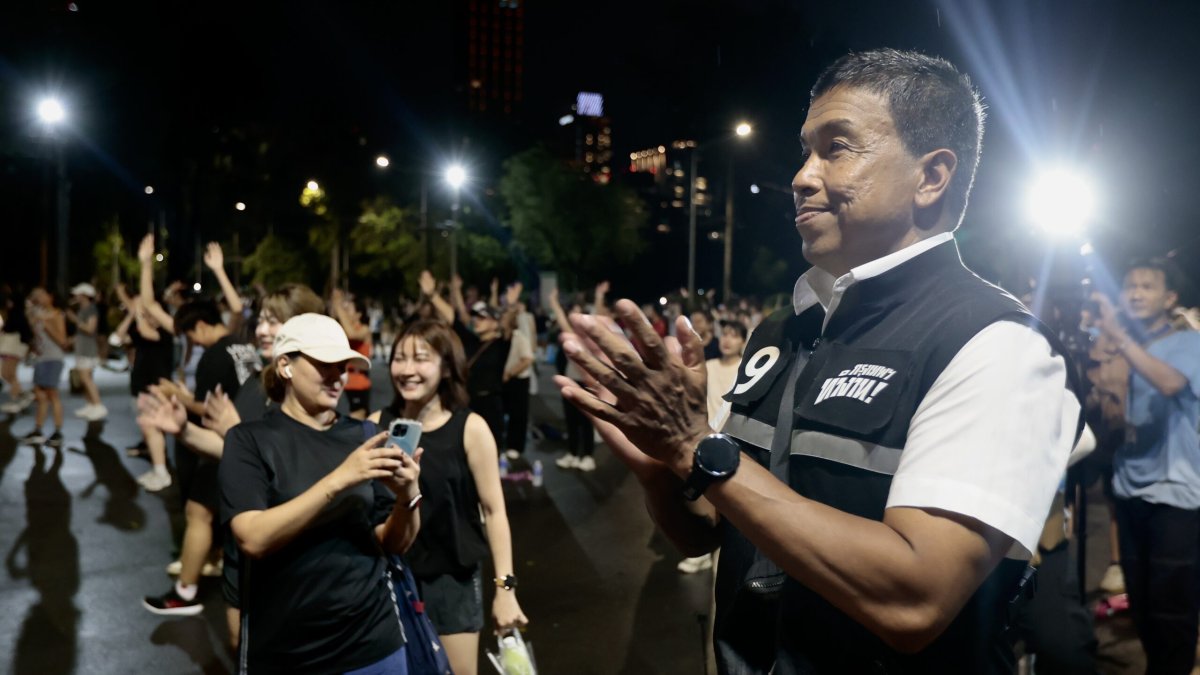
The Landslide Victory in Bangkok
On Sunday Bangkok held its gubernatorial election with more than 4.42 million residents eligible to cast ballots across the capital's fifty districts. Authorities set an explicit goal of surpassing the 60.73 percent turnout recorded in the previous contest four years earlier. Independent candidate Chadchart Sittipunt established a commanding lead in the unofficial count almost immediately after polls closed, turning the outcome into a decisive re-election before final tallies were complete.
The margin widened steadily once ballot boxes reached counting centers, with Chadchart maintaining a wide gap over every other contender throughout the night. Unofficial figures released by election officials confirmed his position well before midnight, removing any doubt about the result. This rapid separation reflected broad support that crossed neighborhood lines and income levels throughout the city.
City officials had prepared extensive outreach programs in the weeks before voting day to encourage higher participation than the 2022 benchmark. The effort included extended polling hours at major transit hubs and mobile registration units in densely populated areas. Higher turnout ultimately validated the investment, as residents responded to calls for greater civic involvement in local governance decisions.
The scale of Chadchart's advantage demonstrated consistent backing from both central business districts and outer residential zones alike. Election monitors noted strong performance in areas that had previously split their votes among multiple candidates. Such uniform strength across diverse communities underscored the breadth of his appeal heading into the new term.
Chadchart's Victory Speech
Once the unofficial results made re-election certain, Chadchart addressed supporters and acknowledged every ballot cast. He stated directly, "Thank you for every vote, whether you voted for me or not," and added that "winning is not a time for celebration because a heavy responsibility lies ahead." These remarks framed the victory as the start of renewed obligations rather than a moment for festivities.
Chadchart turned his attention to the newly elected Bangkok Metropolitan Council members, urging them to perform their duties with clear integrity. He stressed that councilors must serve residents honestly while maintaining respect for both the public and the civil servants who implement daily operations. This guidance set expectations for collaborative and transparent work throughout the coming years.
The governor reiterated his pledge to treat all residents equally regardless of how they voted. By emphasizing equal service, he signaled that administrative decisions would prioritize citywide needs over partisan considerations. This approach aims to build trust across political divides during the second term.
Looking forward, Chadchart outlined how these principles will guide resource allocation and policy execution. He indicated that listening sessions with district representatives will begin promptly to identify pressing local concerns. Such early engagement is intended to translate the broad electoral mandate into measurable improvements in daily city services.
People's Party Concession
People's Party leader Natthaphong Ruengpanyawut and the party's Bangkok governor candidate Chaiwat Sathawornwijit issued a joint concession once Chadchart's lead proved insurmountable. Both men offered congratulations to the re-elected governor and expressed willingness to cooperate on future city initiatives where possible. Their prompt acknowledgment helped maintain a calm post-election atmosphere.
Natthaphong specifically thanked Bangkok voters for turning out in large numbers despite competing demands on their time. He highlighted the importance of active participation in local elections as a foundation for accountable governance. This message reinforced the party's continued commitment to democratic processes even after the loss.
Chaiwat extended personal gratitude to everyone who supported him and the People's Party candidates running for Bangkok Metropolitan Council seats. He wished Chadchart a productive second term focused on resident welfare. The statement closed on a forward-looking note that emphasized shared goals for the capital's development.
The swift and gracious concession from the opposition signaled a mature approach to electoral outcomes. Observers noted that such conduct helps preserve public confidence in the fairness of the voting system. It also allows attention to shift quickly toward the practical work of city administration rather than prolonged disputes.
What This Means for Thai Politics
The Bangkok result represents the second consecutive electoral setback for the People's Party since its defeat in the February 2026 general election. Party strategists now face renewed questions about how to regain ground in major urban centers where independent candidates have proven resilient. The pattern suggests voters may be prioritizing individual records over party labels in local contests.
Independent candidates continue to attract strong support in Bangkok because many residents view them as less constrained by national party platforms. Chadchart's performance illustrates how personal reputation and administrative experience can outweigh organized political machinery. This preference appears especially pronounced when local issues such as infrastructure and public services dominate voter concerns.
For the People's Party the outcome prompts a review of its urban outreach methods and candidate selection processes. Adjustments may include greater emphasis on district-level engagement and alliances with respected local figures. Such recalibration could help the party compete more effectively in future municipal races.
Nationally the Bangkok election adds another data point to Thailand's evolving political environment, where independent leadership at the city level coexists with partisan competition at the national level. This dual dynamic may encourage other provinces to consider similar non-aligned candidates for governor positions. The trend points toward greater voter emphasis on proven delivery over ideological alignment.
Bangkok's Second Term Agenda
Chadchart has described the responsibilities awaiting him as substantial, requiring sustained focus on multiple fronts simultaneously. He has indicated that the second term will center on fulfilling the expectations created by the strong mandate. Early priorities include reviewing ongoing projects to ensure they align with current resident needs and available resources.
Integrity standards for the Bangkok Metropolitan Council will receive renewed attention under the re-elected governor. Chadchart expects council members to maintain transparent decision-making and avoid conflicts of interest while advancing legislation. Clear guidelines and regular reporting mechanisms are planned to support these standards throughout the term.
Equal service across all fifty districts remains a core commitment, with particular attention to balancing development between established neighborhoods and rapidly growing suburbs. Chadchart intends to allocate budgets and staff time according to objective assessments of need rather than political considerations. This method aims to reduce disparities in access to public amenities.
Coordination with national agencies will address persistent challenges including flood mitigation, public transport expansion, and the creation of additional green spaces. Chadchart has already scheduled initial meetings with relevant ministries to align city plans with broader infrastructure timelines. These partnerships are expected to accelerate project implementation during the coming years.
Regional and National Significance
Bangkok functions as Thailand's primary connection to ASEAN economic networks, making stable and effective local leadership relevant beyond municipal boundaries. Chadchart's re-election provides continuity in managing international trade logistics, tourism recovery efforts, and regional cooperation agreements. Consistent governance supports investor confidence in the capital's long-term trajectory.
The independent governance model demonstrated in Bangkok may influence candidate strategies in other Thai provinces preparing for their own local elections. Several provincial leaders have already referenced Chadchart's approach when discussing their own campaigns. This cross-regional learning could gradually shift the balance between party-affiliated and independent contenders nationwide.
Voter turnout patterns observed in the Bangkok election offer insights into broader democratic engagement trends across Thailand. The success in exceeding the previous participation rate suggests that targeted outreach can increase involvement when residents perceive direct stakes in outcomes. Similar techniques may be adapted for upcoming national and local votes.
At the national level the Bangkok result contributes to ongoing discussions about the appropriate balance between centralized party structures and localized leadership. Political analysts expect the outcome to factor into preparations for future electoral cycles, particularly regarding how parties position themselves in urban constituencies. The experience may also inform legislative proposals aimed at strengthening municipal autonomy.
By Ann Srisawat, Staff WriterThis article was produced with AI-assisted research and editorial support. Reporting is based on sources cited in the article.
What's Your Reaction?
 Like
0
Like
0
 Dislike
0
Dislike
0
 Love
0
Love
0
 Funny
0
Funny
0
 Wow
0
Wow
0
 Sad
0
Sad
0
 Angry
0
Angry
0

Southeast Asia Correspondent at Global1.News. Based in Bangkok, covering Thai and Southeast Asian politics, economy, technology, and culture. Deep regional perspective on one of the world's most dynamic regions.














Comments (0)