
Cell Phone Delivery Scam Continues to Defraud Canadians, Costing Millions
Canadians continue to fall victim to an elaborate cell phone delivery scam in which fraudsters impersonate major telecom providers, according to new data from the Canadian Anti-Fraud Centre (CAFC).
Cell Phone Delivery Scam Continues to Defraud Canadians, Costing Millions
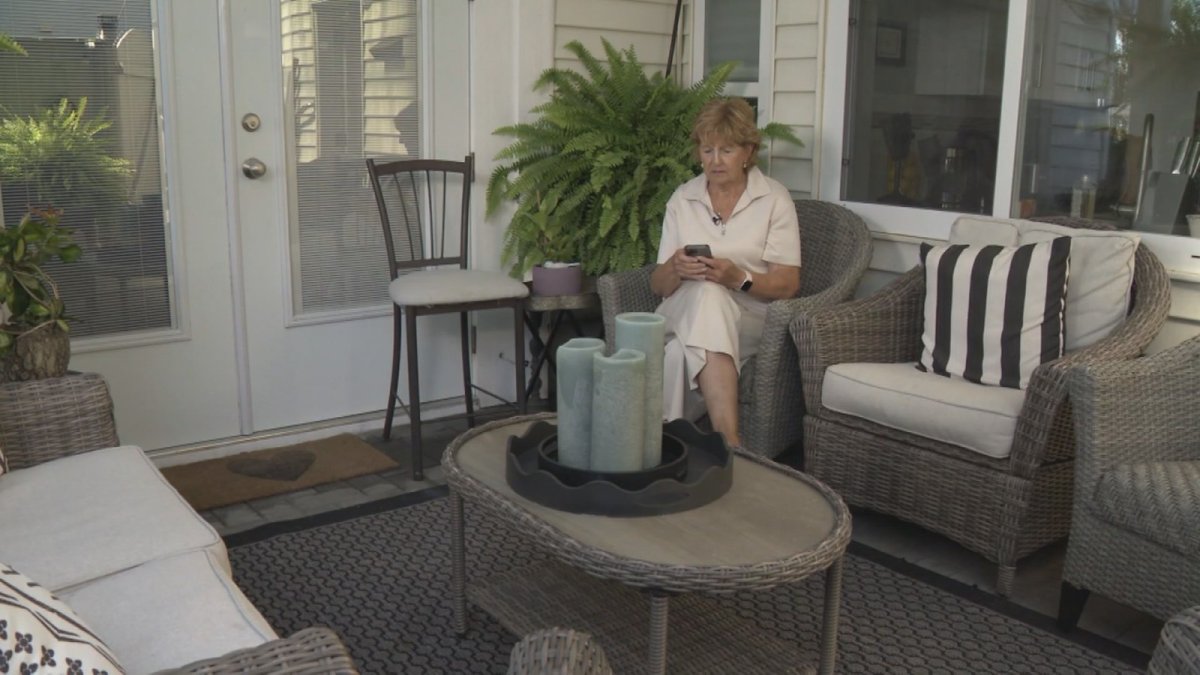
Canadians continue to fall victim to an elaborate cell phone delivery scam in which fraudsters impersonate major telecom providers, according to new data from the Canadian Anti-Fraud Centre (CAFC). The scheme, which involves convincing victims they are upgrading their mobile devices, has contributed to more than $17 million in reported losses to service fraud in the first six months of 2026. The scam is spreading across the country, with fraudsters using increasingly sophisticated tactics to exploit consumer trust in well-known brands. One British Columbia resident, Jeannie Moss, says she now owes Rogers Communications over $4,000 after being duped by callers who had access to her personal information. "They had my phone number, my address, everything," Moss told Consumer Matters.The Story: A B.C. Resident's Ordeal
Moss's troubles began in April when she received a phone call about a special promotion to upgrade her mobile device. The caller, who claimed to represent Rogers, presented an offer that seemed legitimate enough to convince Moss she was dealing with the telecom giant. "I had no qualms that I was speaking to somebody other than Rogers," Moss said. She accepted the offer and received another call the next day, during which she provided her driver's licence to confirm the order. "From there things just went from bad to worse," said Moss. The first device arrived, but in the wrong colour. Moss says she was contacted again by the same caller, who apologised for the mistake and promised to send an iPhone Pro Max along with a protective case as compensation for the inconvenience. Moss was provided with a prepaid shipping label and instructed to courier the incorrect device back to what she believed was Rogers. Days later, another package arrived at her home — this time containing two devices. Again, the same caller instructed her to send the phones back using another prepaid shipping label. "I was starting to think after the second time I sent something back that it was a scam," said Moss.How the Scam Works: Canadian Context
The scheme follows a pattern that the Canadian Anti-Fraud Centre says is becoming one of the more prominent types of service fraud in the country. Jeff Horncastle, with the CAFC, confirmed the scale of the problem. "So far, in the first six months of 2026, over 17 million in reported losses to service fraud. It's not only to this type of fraud, but it is one of the more prominent types in the service fraud category," Horncastle said. The scam typically begins with fraudsters posing as telecom representatives offering upgrades or promotional deals. They often possess personal details — including phone numbers and addresses — which helps establish credibility with victims. The criminals then exploit the delivery and return process, sending devices to victims and providing prepaid shipping labels that direct the merchandise to non-telecom addresses. The Canadian Telecommunications Association says fraudsters are increasingly impersonating trusted organisations to try to convince people to disclose personal or financial information, or grant access to their accounts or devices. This trend reflects a broader shift in fraud tactics, moving away from obvious phishing attempts toward more elaborate schemes that mirror legitimate business processes. In Moss's case, the fraud extended beyond the devices themselves. She began receiving emails from Affirm, a buy now, pay later lending company, stating her payments were overdue. Moss later discovered someone had taken out a loan in her name, owing the company over $2,500.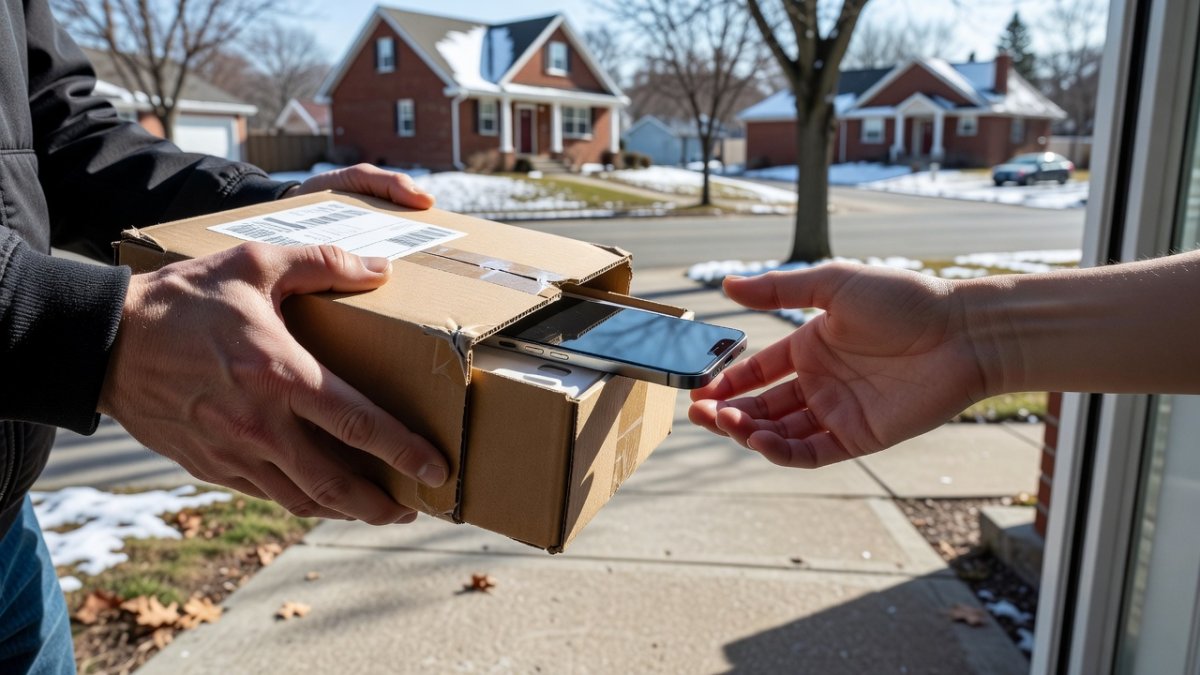
Impact on Canadians: Financial and Emotional Toll
The consequences for victims like Moss extend far beyond the immediate loss of devices. She says she contacted Rogers but received little support, and even visited a Rogers retail location to try to get answers. "There's just constant roadblocks. You can't get through and talk to a person," said Moss. The financial burden has been significant. Moss owes Rogers thousands of dollars for two devices that were ordered and delivered to her address after the fraudsters completed the account authentication and ID verification process. Rogers confirmed that Moss sent the devices to a non-Rogers address. Moss also struggled to resolve the Affirm loan issue. "I continually got bills from them. It seemingly had no effect on them," she said. Consumer Matters reached out to Affirm but never received a response. However, Moss eventually received confirmation from the company that she would not be responsible for the loan. "It was you advocating for me that solved that problem," Moss told Consumer Matters. The case highlights the vulnerability of consumers who trust that large corporations have adequate safeguards in place. Fraudsters are exploiting gaps in the system, using legitimate-looking processes to launder devices and extract personal information.Reactions and Analysis: Rogers Responds
In an email regarding Moss's case, Rogers stated in part: "We are continually updating our processes and sharing information with our customers on how to stay protected as scammers evolve their tactics." The telecom giant said it uses "a variety of ways to warn our customers about return scams, including prominent alerts when shopping online, in customized shipping notifications emails, and in information sheets inside the box when their device arrives." Rogers also confirmed that two new iPhones were ordered and delivered to Moss's address after completing the account authentication and ID verification process. The company told Consumer Matters it recently increased the visibility of scam warning messages when ordering devices. As a goodwill gesture, Rogers is waiving Moss's late payment fees and service charges associated with two fraudulently activated lines. However, Moss still owes Rogers thousands of dollars for the two devices. "This was a scam I fell for and I know they are trying to keep up with things like that, but it seems the scammers seem to be one step ahead. So I think Rogers has work to do," said Moss. The response from Rogers acknowledges the evolving nature of these scams but also raises questions about the adequacy of current verification processes. If fraudsters can complete account authentication and ID verification with stolen personal information, consumers may need additional protections.What Happens Next: How to Protect Yourself
The Canadian Anti-Fraud Centre encourages Canadians to be vigilant when receiving unsolicited calls about device upgrades or promotional offers. Even if the caller appears to have personal information, consumers should independently verify the legitimacy of the call by contacting the telecom provider directly through official channels. Canadians can report scams to the Canadian Anti-Fraud Centre by phone at 1-888-495-8501 or online through the CAFC reporting system. Reporting helps authorities track emerging fraud trends and warn the public about new tactics. For those who believe they may have been targeted, experts recommend never providing personal information, including driver's licence numbers, to unsolicited callers. Consumers should contact their telecom provider directly using the phone number on their bill or the company's official website, and remain cautious of prepaid shipping labels that direct packages to addresses other than the provider's official return centre. Canadians are also advised to monitor their accounts for unauthorised activity, including buy now, pay later loans, and to document all communications with fraudsters and the companies involved. The case also underscores the need for stronger consumer protections in the buy now, pay later sector, where identity verification appears to be less rigorous than traditional lending. As fraudsters continue to adapt their tactics, both corporations and regulators will need to keep pace to protect vulnerable Canadians. For Moss, the experience has been a costly lesson in the sophistication of modern fraud. While Rogers has waived some fees, she remains financially responsible for devices she never intended to keep. Her story serves as a warning to other Canadians about the importance of verifying any unsolicited offer, no matter how legitimate it may appear.Tags: cell phone scam, delivery scam, Canadian Anti-Fraud Centre, Rogers Communications, Affirm, buy now pay later, identity theft, telecom fraud, Consumer Matters, Jeannie Moss, service fraud, B.C. consumer protection
This article was produced with AI-assisted research and editorial support. Sources: Global News, Consumer Matters, Canadian Anti-Fraud Centre, Rogers Communications.
By Alex Thompson, Staff Writer
What's Your Reaction?
 Like
0
Like
0
 Dislike
0
Dislike
0
 Love
0
Love
0
 Funny
0
Funny
0
 Wow
0
Wow
0
 Sad
0
Sad
0
 Angry
0
Angry
0

Alex Thompson
Canada Correspondent at Global1.News. Based in Toronto, covering Canadian politics, energy, trade, and US-Canada relations. Provides the Canadian perspective on North American and global affairs.















Comments (0)