
Britain Rewrites the State Pension Triple Lock From 2030
Britain will adjust the state pension triple lock from April 2030, dropping its automatic link to average earnings growth and using the savings to fund a new National Care Service. Pensions Minister Torsten Bell insists a triple lock remains; the Conservatives say they would keep it.
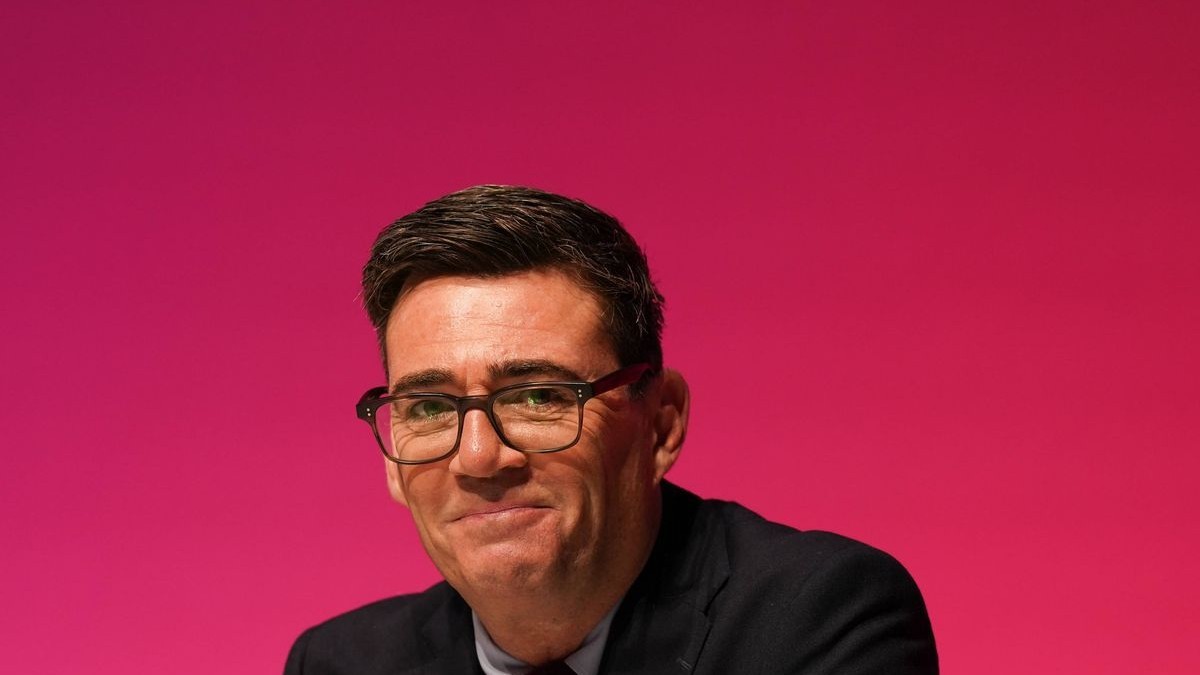
Britain is rewriting the rule that has set state pension rises for fifteen years. The change does not start now. It starts in April 2030. And the money it frees up is promised to a new National Care Service.
Britain Rewrites the State Pension Triple Lock From 2030
London, United Kingdom - Prime Minister Andy Burnham told his party's conference in Liverpool on Tuesday 29 September 2026 that the state pension triple lock will be "adjusted" from April 2030. The current formula stays in place until then. After that, pensions rise by at least inflation or 2.5 per cent each year, with a new link built in to keep pace with earnings over time. The government says the savings will pay for a National Care Service, free at the point of use. Legislation will be introduced in this Parliament, so MPs vote before the next general election, due in 2029.
The Promise That Ran for Fifteen Years
The triple lock was introduced in 2011. Under it, the flat-rate parts of the state pension rise each April by the highest of three things: average earnings growth, CPI inflation, or 2.5 per cent. The Institute for Fiscal Studies says this produces a "ratchet" effect. Whichever measure runs hottest sets the rise, and the pension never gives that gain back. It climbs permanently higher relative to prices or to earnings. The IFS estimates pension spending is now about £16bn a year higher than it would have been without the triple lock. The Office for Budget Responsibility says the triple lock will have added £15.5bn a year to spending by 2029-30 compared with rises in line with earnings alone. That is about three times the £5.2bn expected when it began. The state pension is the largest single driver of welfare spending, at £138bn in 2024-25.
What Burnham Actually Announced
Burnham was blunt about the manifesto problem. Quoted by the Independent, he said: "I'll be honest, we promised in our manifesto to keep the triple lock unchanged throughout this Parliament. I will honour that promise. I will honour that promise and I will do more. That will take the state pension to a record high. From there, in April 2030, we will adjust it." He set out what replaces it: "The state pension will continue to rise every year at least by prices or 2.5 per cent. And it will hold its value relative to earnings over time so that pensioners will always share in the rising prosperity of the nation." He told delegates the change would "generate significant savings" to fund a National Care Service. In the same speech he said Brexit had "done more harm than good" and opened the door to rejoining the EU as one option under review.
How the New Formula Works
The reformed version still contains three parts. The IFS, in a commentary written by Jonathan Cribb, Heidi Karjalainen and Helen Miller, sets it out. Each year the state pension will increase by the maximum of: CPI inflation; 2.5 per cent; or the amount needed to ensure the state pension keeps up with average earnings growth since the introduction of the new policy. That third part is the change. Under the old lock, earnings growth set a fresh high-water mark every time it outpaced prices. Under the new one, the earnings link is measured against a fixed reference point, the record high reached in 2029-30. The ratchet is removed. The pension still rises. It just stops pulling permanently further ahead. The government's own wording, published by GOV.UK, is that the state pension "rises by at least inflation or 2.5% each year with a new link built in to keep pace with earnings over time."
What a Pensioner Gets Right Now
Here is what matters for the payments landing in bank accounts now. The full new state pension rose 4.8 per cent in April 2026, from £230.25 to £241.30 a week. The full basic state pension rose from £176.45 to £184.90 a week. A full new state pension is worth £12,547.60 a year; the 4.8 per cent uplift added £574.60 a year. Because the pension is paid every four weeks, a full new state pension pays £965.20 per payment period. A full basic-rate pensioner receives £739.60 per period, or £9,614.80 a year. Secretary of State for Work and Pensions Pat McFadden announced the 4.8 per cent uplift "in line with the increase in average weekly earnings in the year to May-July 2025". The next uprating, in April 2027, is provisionally 3.9 per cent. That would take the full new state pension to about £250.71 a week, or around £13,037 a year. UK CPI inflation was 3.1 per cent in August 2026.
What the Change Saves - and When
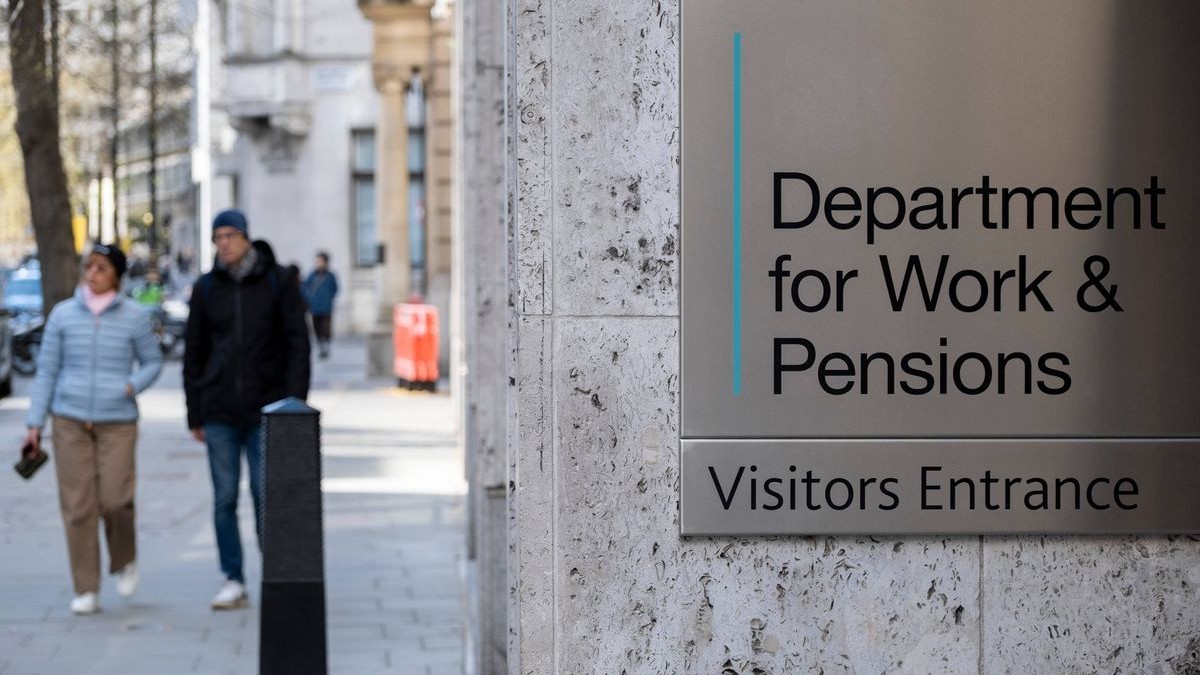
The Department for Work and Pensions published a "State Pension uprating" analysis on 29 September 2026. Its table of in-year Annually Managed Expenditure savings from the adjusted triple lock, relative to the current triple lock, is minus £15 billion in 2039-40 and minus £50 billion in 2049-50 in nominal terms. In real terms, at 2025-26 prices, the same two figures are minus £11 billion and minus £30 billion. The IFS puts the 2039-40 saving anywhere between £4bn and £20bn in today's money. It expects about £4bn a year in 2034-35. And it warns the reform "could easily save nothing" if earnings grow strongly. The government's own analysis projects pensioner relative poverty after housing costs falling from around 14 per cent in 2024-25 to around 8 per cent in 2049-50 under the adjusted triple lock.
The Minister Who Says Everyone Has It Wrong
Pensions Minister Torsten Bell has spent the week pushing back. Writing in his newsletter, he said: "This has been the cause of the longest WhatsApp exchanges I have had, with podcasters, Today Programme presenters and the rest. Some have wrongly claimed the new policy is a double lock - to be fair largely because the earnings part of the adjusted Triple Lock isn't the simplest bit of public policy ever." He shared a graphic "to ram home that the new policy is very much a triple lock." Bell's own summary: "We want to keep the core principles of ensuring a material rise every year, protecting against price increases, and ensuring that pensioners benefit as the economy grows - but to remove the permanent ratchet effect." He added: "We achieve this with a State Pension that rises every year by at least the highest of inflation or 2.5%, plus anything more required to ensure the State Pension retains that 2029/30 record high value relative to earnings." The Daily Telegraph described Bell as the "mastermind" behind the policy.
The Independent Verdict
Jonathan Cribb, Deputy Director of the Institute for Fiscal Studies, gave the reform a qualified welcome. After the speech he said: "It is great news that Andy Burnham has neutered the worst element of the triple lock. Goodbye to the unsustainable 'ratchet' effect. State pensions will still rise, but more sustainably. Better reforms were available, but this one is a big improvement. It will not, however, be the answer to funding universal social care." The IFS paper is titled "How will the new triple lock work and what effects will it have?" and describes the reform as welcome. Martin Lewis of MoneySavingExpert offered a plainer read for savers: "If you ask me to sum it up in a nutshell, I'd say they're planning to move from a triple lock to a '2.5-times' lock." He cautioned that the exact mechanism has not yet been announced and that it is "probably more of a subtle change than some of the hype about it, but it is still a real change."
The Political Fight Both Sides Want
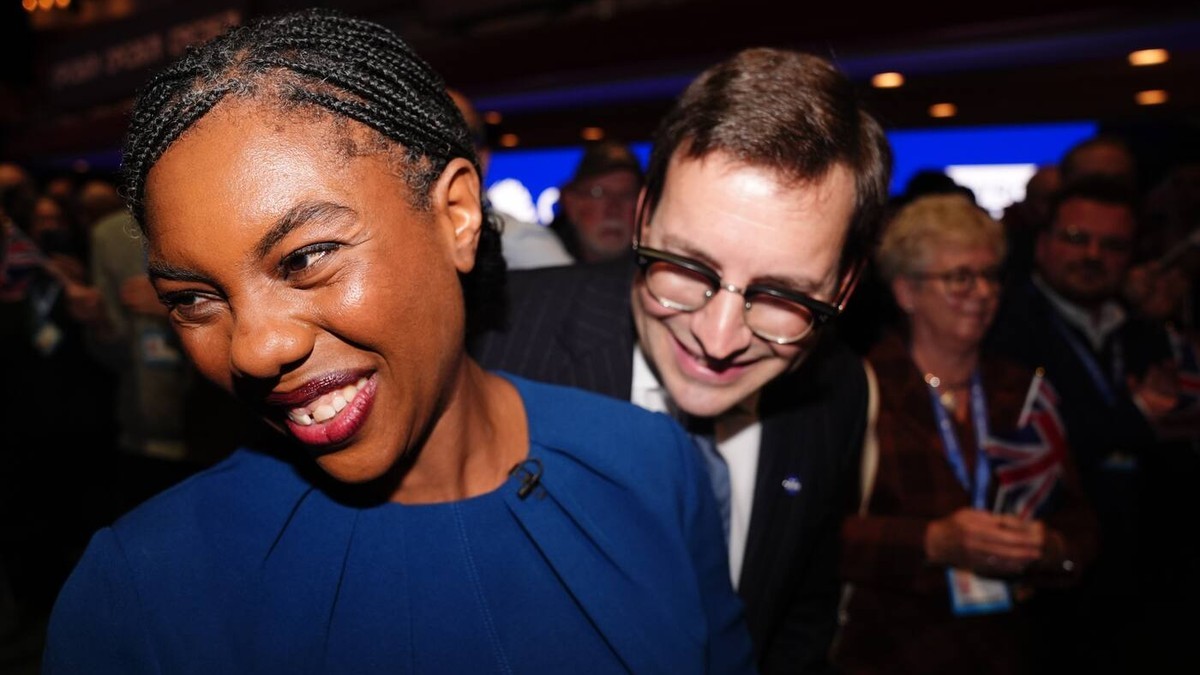
Conservative leader Kemi Badenoch, interviewed on the BBC's Sunday with Laura Kuenssberg programme, said: "There are good people on all sides who have arguments about the triple lock, but our policy is to keep it." She argued the problem is not pensioner income: "It is the huge number of people who can work who don't work." Conservative deputy leader Alex Burghart called pensioners a "special case" because they can do "absolutely nothing" to increase their income, and said welfare savings should focus on working-age benefits. The fight sharpened on Wednesday, when Badenoch closed her party's conference in Birmingham by pledging to legislate "so nobody will ever pay inheritance tax on their family home", let couples leave an additional £1 million tax-free and halve employer National Insurance for young workers. She ruled out any electoral pact with Reform UK, whose leader Nigel Farage said pensioners were the "wrong target". SNP leader John Swinney said "the incomes of pensioners will be almost £2,000 lower in real terms. It is absolutely unacceptable." The Liberal Democrats are divided over the change. A YouGov poll for The Times and Sky News, fieldwork 4-5 October 2026, put Labour on 27 per cent, Reform UK 22 and the Conservatives 20.
The Care Service the Money Is Meant to Buy
The National Care Service would provide free personal care for older people based on need rather than ability to pay. That means help with things such as eating, bathing and using the toilet. It would not cover bed and board, which stays means-tested. Burnham called it "a landmark policy, as significant as the creation of the NHS itself", a service "where everyone contributes and everyone is covered". Experts say an NHS-style care system would be expensive, possibly costing around £18bn a year. The government says around three in four adults over 65 are expected to need care and support in later life, and that one in seven face costs of more than £100,000. In England and Northern Ireland, people with savings worth more than £23,250 are not entitled to council help with care costs. Burnham said the service would be fully funded from within the public spending envelope rather than through borrowing.
What Happens Next
Baroness Louise Casey's independent Commission report is due in summer 2027. It will recommend how and when the National Care Service is built up. The service will be introduced in phases "so its scope can grow as the savings increase from adjusting the Triple Lock, and as workforce and provider capacity are built up." Legislation to change the triple lock will be introduced in the current Parliament, so MPs vote before the next general election, due in 2029. Parliament is in recess; the Commons and the Lords return on Monday 12 October 2026. Burnham has said his plan will be put to voters at that election. Until April 2030, nothing changes for pensioners. The current lock stays. The rises keep coming. After that, the formula changes, and the argument moves to the ballot box.
By Jessica Ali, Staff Writer
This article was produced with AI-assisted research and editorial support. Sources: Reuters, the Guardian, the Independent, BBC News, the Institute for Fiscal Studies, GOV.UK, MoneySavingExpert, the Daily Mirror, politics.co.uk and the Associated Press.
What's Your Reaction?
 Like
0
Like
0
 Dislike
0
Dislike
0
 Love
0
Love
0
 Funny
0
Funny
0
 Wow
0
Wow
0
 Sad
0
Sad
0
 Angry
0
Angry
0

Editor-in-Chief at Global1.News. Atlanta-based journalist who cuts through the BS and tells it like it is. Lead anchor, host, and the voice you hear when the spin stops and the truth starts.














Comments (0)