
Ex-Ramp engineers raise $20M for platform Melius after scrapping their first product
When a trio of ex‑Ramp engineers tossed their first codebase into the fire and rebuilt from scratch, the headline‑grabbing $25 million raise that followed looked like a classic Silicon Valley pivot story.
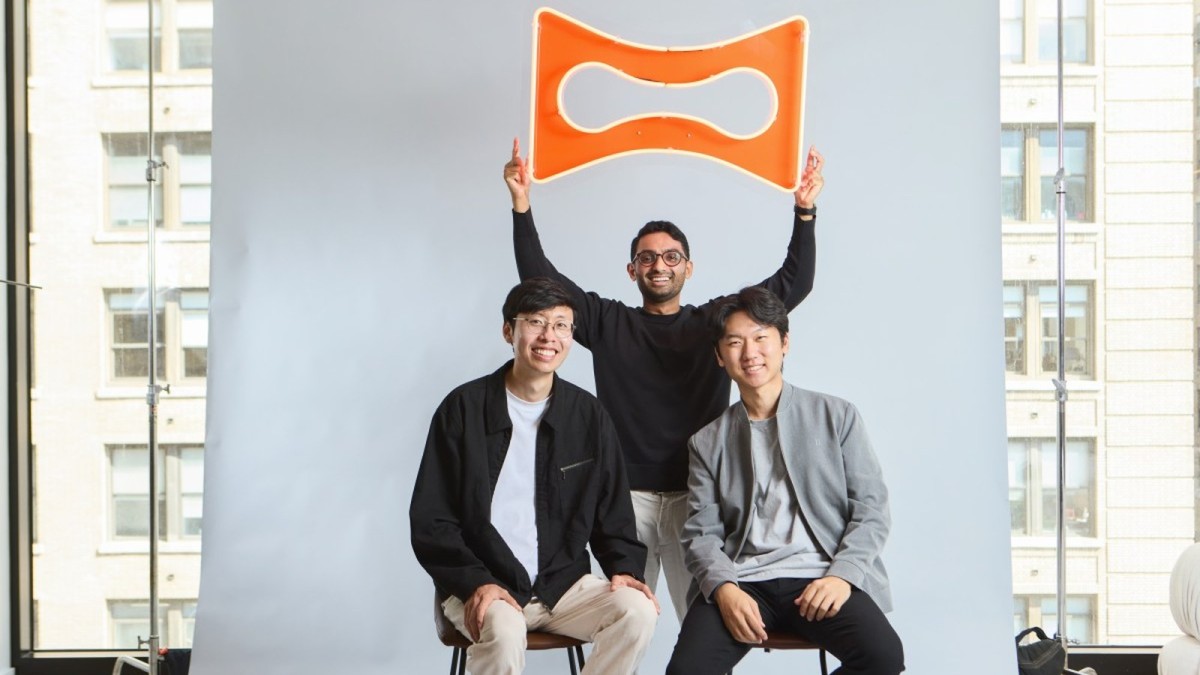
When a trio of ex‑Ramp engineers tossed their first codebase into the fire and rebuilt from scratch, the headline‑grabbing $25 million raise that followed looked like a classic Silicon Valley pivot story. But for anyone running real hosting infrastructure, the Melius saga is a cautionary tale about hype‑driven AI products, hyper‑aggressive pricing models, and the brutal reality of turning a shiny demo into a revenue‑generating service.
From Ramp Engineers to AI Ad‑Generators
The three founders—Joowon Kim, Young Kim, and Arnav Ramu—came together after stints at Ramp, the corporate finance software outfit. Their first attempt was an AI‑powered performance‑marketing tool aimed at helping marketers manage and optimise ad spend. After more than six months of development, they admitted the product “didn’t have legs.” In true founder fashion, they scrapped the entire codebase, burned it, and pivoted to a new vision: an “agents lab for creative work” that generates ad creatives from plain‑language prompts.
Within two months of emerging from stealth in July, Melius claimed to have crossed $1 million in annualised revenue. That figure, while modest compared to the $700 million annualised revenue reported by competitor Higgsfield, is still impressive for a company that essentially rebuilt its product from the ground up in under a year.
The Funding Flood and Its Implications
The $20 million Series A led by CRV, plus a $5 million seed round from General Catalyst, signal that investors are still throwing money at AI‑driven creative platforms despite the market’s volatility. For independent hosting providers, this influx of capital translates into higher expectations for performance, uptime, and scaling capabilities—especially when the product is billed as a “platform” rather than a simple SaaS tool.
What’s often glossed over in press releases is the cost structure behind such rapid scaling. The funding will likely be funneled into GPU‑heavy workloads, data‑center bandwidth, and the kind of hyperscaler pricing that can erode margins quickly. When you’re a small‑to‑mid‑size hosting provider, you’ll see Melius demanding the same high‑throughput, low‑latency infrastructure that the big players already dominate, forcing you to either up‑sell at razor‑thin margins or risk losing the account.
Competitive Landscape: Higgsfield and the Rest
Higgsfield, a three‑year‑old rival, is valued at $5.4 billion and boasts over $700 million in annualised revenue. Its growth “like mad” sets a high bar for any newcomer. Yet Joowon Kim points out that the market is large enough to accommodate multiple players. This is true, but the reality on the ground is that the biggest slice of the pie is being gobbled up by firms that can afford the cheapest GPU cycles from hyperscalers, leaving independent providers to fight over the remaining, less profitable workloads.
Other smaller startups—Krea and Flora AI—are also jockeying for position. The sheer number of contenders means that price wars are inevitable. For a hosting provider, this translates into a race to the bottom on pricing while trying to maintain service quality, a classic trap that many have fallen into when chasing AI workloads without a solid cost‑control strategy.
Product‑Market Fit: From Vlogs to AI‑Generated Ads
Joowon Kim’s personal backstory—his early fascination with short videos and a failed attempt at vlogging—adds a human angle to the pitch. He envisions a platform where anyone, from seasoned creative directors to small business owners, can turn ideas into ad assets using plain language. While the vision is compelling, the execution hinges on delivering reliable, high‑quality outputs at scale.
From a hosting perspective, the “plain‑language to creative” pipeline is computationally intensive. It requires not just GPU horsepower but also robust storage for generated media assets, and low‑latency networking to serve the output to end‑users. If Melius underestimates these needs, they’ll either have to renegotiate pricing with hyperscalers—often at a premium—or pass the cost onto customers, which could choke adoption.
The Real Cost of AI Infrastructure
What the press release doesn’t mention is the hidden cost of the AI stack: licensing fees for large language and diffusion models, data‑transfer charges, and the overhead of maintaining a constantly evolving model pipeline. For a startup with $25 million in the bank, those expenses can chew through cash faster than a runaway train.
Independent hosting providers should watch Melius’s spend patterns closely. If they start demanding massive GPU clusters, you’ll see a spike in their bandwidth usage and storage footprints. That’s a signal to renegotiate contracts, explore edge‑compute options, or even consider offering a managed AI layer to keep the margins from evaporating.
Risk Management for Founders and Providers
The Melius story underscores a broader risk: building a product on top of volatile AI pricing while chasing rapid growth. The founders themselves admitted the first product “didn’t have legs,” and they had to rebuild. That volatility is a red flag for any partner relying on their platform for critical marketing workflows.
For hosting providers, the mitigation strategy is simple: diversify your client base, lock in long‑term capacity contracts with price caps where possible, and build monitoring tools that flag sudden spikes in AI‑related resource consumption. This way, you won’t be caught off‑guard when a client like Melius decides to scale up a new feature overnight.
Actionable Takeaways for the Independent Hosting Community
First, scrutinise any AI‑centric startup’s cost model before signing a service agreement. Look beyond the headline funding and ask for a breakdown of GPU, storage, and bandwidth usage. Second, negotiate volume discounts or fixed‑price clauses with hyperscalers to shield yourself from price volatility. Third, consider building an in‑house inference layer for common models to reduce reliance on external providers.
Finally, keep an eye on the competitive dynamics. As more players like Higgsfield, Krea, and Flora AI pour money into the space, the market will fragment, and price pressure will intensify. Independent providers that can offer reliable, cost‑predictable AI infrastructure will become the go‑to partners for startups that can’t afford the big hyperscaler contracts.
In short, Melius’s rapid raise and pivot showcase the allure of AI‑driven creative tools, but they also highlight the hidden cost and operational risk that come with scaling such workloads. For founders and hosting providers alike, the lesson is clear: hype is cheap, infrastructure is not. Stay disciplined, keep a tight grip on costs, and you’ll survive the next wave of AI hype.
— Allan Ali, Founder
This article was produced with AI-assisted research and editorial support. Reporting is based on the source material cited below. Sources: TechCrunch; techcrunch.com; Global1.News (07 October 2026).
By Allan Ali, Global1.News
What's Your Reaction?
 Like
0
Like
0
 Dislike
0
Dislike
0
 Love
0
Love
0
 Funny
0
Funny
0
 Wow
0
Wow
0
 Sad
0
Sad
0
 Angry
0
Angry
0

Publisher of Global1.News. Automation architect, systems builder, and the guy making sure the truth gets published.














Comments (0)