
Prachin Buri races to dispose of 2,000 pigs killed in floods
In the quiet lowlands of Prachin Buri, the monsoon rains have left a heavy legacy. Floodwaters that surged through farms and villages have claimed the lives of roughly two thousand pigs, a loss that threatens the livelihood of local farmers and the health of nearby communities.
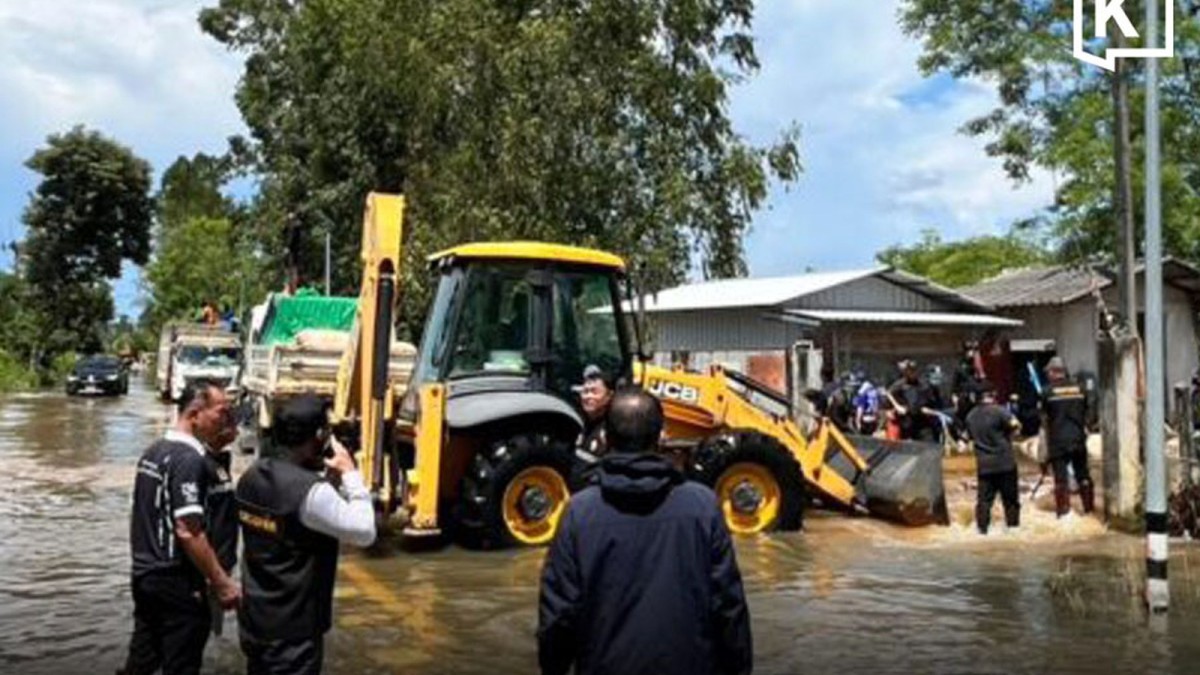
In the quiet lowlands of Prachin Buri, the monsoon rains have left a heavy legacy. Floodwaters that surged through farms and villages have claimed the lives of roughly two thousand pigs, a loss that threatens the livelihood of local farmers and the health of nearby communities. Acting provincial governor Chanathip Khokmani, together with senior officials from the Department of Livestock Development and disaster agencies, have launched an urgent operation to recover and bury the carcasses before the threat of disease spreads. The effort, coordinated across several government offices, aims to finish by 7 October, a timeline that reflects both the urgency of public‑health concerns and the cultural importance of caring for the land and its creatures in Thai society.
Coordinated response: a meeting of minds and ministries
On 6 October, Governor Chanathip convened a meeting at the provincial agriculture and cooperatives office. Attendees included Department of Livestock Development director‑general Chaiwat Yothakhon, provincial livestock chief Sukhum Sonthiphan, district officials and local leaders. The purpose was clear: to synchronize the removal of pig carcasses with the broader disaster‑relief effort, ensuring that the process would be swift, safe, and respectful of community health.
The gathering underscored a Thai principle of “samphan” – collective responsibility. By bringing together livestock experts, disaster‑prevention officials, and local representatives, the province demonstrated a holistic approach that mirrors the Buddhist value of interdependence, recognizing that the wellbeing of animals, people and the environment are tightly woven together.
On‑the‑ground inspections: ensuring standards are met
Following the coordination meeting, Governor Chanathip, Director‑general Chaiwat and other officials traveled to the hardest‑hit farms in Muang district. There they inspected the burial sites, met with farm owners, and verified that the work adhered to veterinary and sanitation standards. This hands‑on oversight reflects the Thai tradition of “phra‑phum” – leaders walking among their people, a practice that builds trust and reassures residents that the government is directly involved.
During the visits, officials emphasized two key safeguards: burial pits must meet strict sanitation criteria, and regular disinfectant spraying around farms, water sources and surrounding areas is essential. These measures aim to prevent disease transmission, reduce odours, and reassure nearby communities that their health is being protected.
Logistics of removal: boats, machinery and manpower
Initial attempts to clear the dead livestock were hampered by high water levels, allowing only about fifty carcasses to be removed and buried in the first days of the flood. Recognising the scale of the challenge, the Department of Livestock Development deployed additional personnel from its provincial office, inspection and quarantine division, and nearby animal quarantine stations on 6 October.
Working in concert with the Department of Disaster Prevention and Mitigation and local agencies, teams employed heavy machinery and flat‑bottomed boats to transport the carcasses out of flooded zones. The Disaster Prevention and Mitigation Regional Centre 6 in Khon Kaen supplied both personnel and the boats, reporting that roughly 1,200 carcasses had been moved, leaving about 800 still to be handled. The coordinated use of riverine transport highlights how Thailand’s waterways, long central to rural life, become vital arteries for emergency response.
Timeline and targets: a race against time
Officials initially set an ambitious target: to bury about 1,400 pigs on 6 October and complete the entire operation by the following day, 7 October, provided that storms or other obstacles did not intervene. The subsequent update from the Khon Kaen centre confirmed progress, noting the transport of 1,200 carcasses and indicating that the remaining work would continue under the same deadline.
The tight schedule reflects not only logistical considerations but also cultural imperatives. In Thai Buddhist practice, timely action to prevent suffering—whether of humans or animals—is a moral duty. By aiming to finish the burial process quickly, authorities are aligning with the principle of “ahimsa” (non‑harm), seeking to minimise the lingering impact of the disaster on both the environment and the community’s sense of security.
Health safeguards: preventing disease and protecting livelihoods
Beyond the physical removal of carcasses, officials placed strong emphasis on disease prevention. Regular spraying of disinfectant around farms, water sources and surrounding areas is intended to curb the spread of pathogens that can thrive in decomposing animal matter. Moreover, the health of surviving pigs is being closely monitored, recognizing that an outbreak among livestock could have cascading effects on food supply and farmer income.
The Department of Livestock Development is also assessing overall losses and gathering data to provide assistance and compensation to affected farmers. Compensation will be calculated based on species, age and prescribed rates, reflecting a structured approach to aid that respects the varied value of different animals in Thai agrarian life.
Community outreach: channels for reporting and assistance
To ensure that every farmer and resident can access help, the province has opened multiple reporting avenues. Those who discover animal carcasses or need livestock assistance are encouraged to contact their district or provincial livestock offices directly, or to use the DLD 4.0 app, which operates 24 hours a day. This digital tool exemplifies Thailand’s growing integration of technology into rural support services, allowing swift communication even in remote areas.
By providing clear, round‑the‑clock channels, authorities aim to foster a sense of collective vigilance. In Thai villages, communal watchfulness is a long‑standing practice, and the modern app extends that tradition into the digital age, ensuring that no case slips through the cracks.
Looking ahead: resilience and lessons for the future
The flood‑induced loss of nearly two thousand pigs is a stark reminder of the vulnerability of Thailand’s agricultural sector to extreme weather. Yet the coordinated response in Prachin Buri offers a model of how local governance, disaster agencies and livestock officials can work together swiftly and transparently.
As climate patterns shift, the lessons learned here—rapid inter‑agency coordination, community‑focused communication, and strict adherence to health and sanitation standards—will be vital for building resilience across the region. By grounding the response in cultural values of compassion, collective responsibility and respect for the natural world, Prachin Buri not only addresses an immediate crisis but also reinforces the moral fabric that sustains Thai rural life.
This article was produced with AI-assisted research and editorial support. Reporting is based on the source material cited below. Sources: Khaosod English; khaosodenglish.com; Global1.News (07 October 2026).
By Ann Srisawat, Staff Writer
What's Your Reaction?
 Like
0
Like
0
 Dislike
0
Dislike
0
 Love
0
Love
0
 Funny
0
Funny
0
 Wow
0
Wow
0
 Sad
0
Sad
0
 Angry
0
Angry
0

Southeast Asia Correspondent at Global1.News. Based in Bangkok, covering Thai and Southeast Asian politics, economy, technology, and culture. Deep regional perspective on one of the world's most dynamic regions.












Comments (0)