
South Africa hope to host first African Olympics
The International Olympic Committee’s recent confirmation that South Africa has expressed interest in hosting the 2036 Summer Games marks a historic moment for the continent.
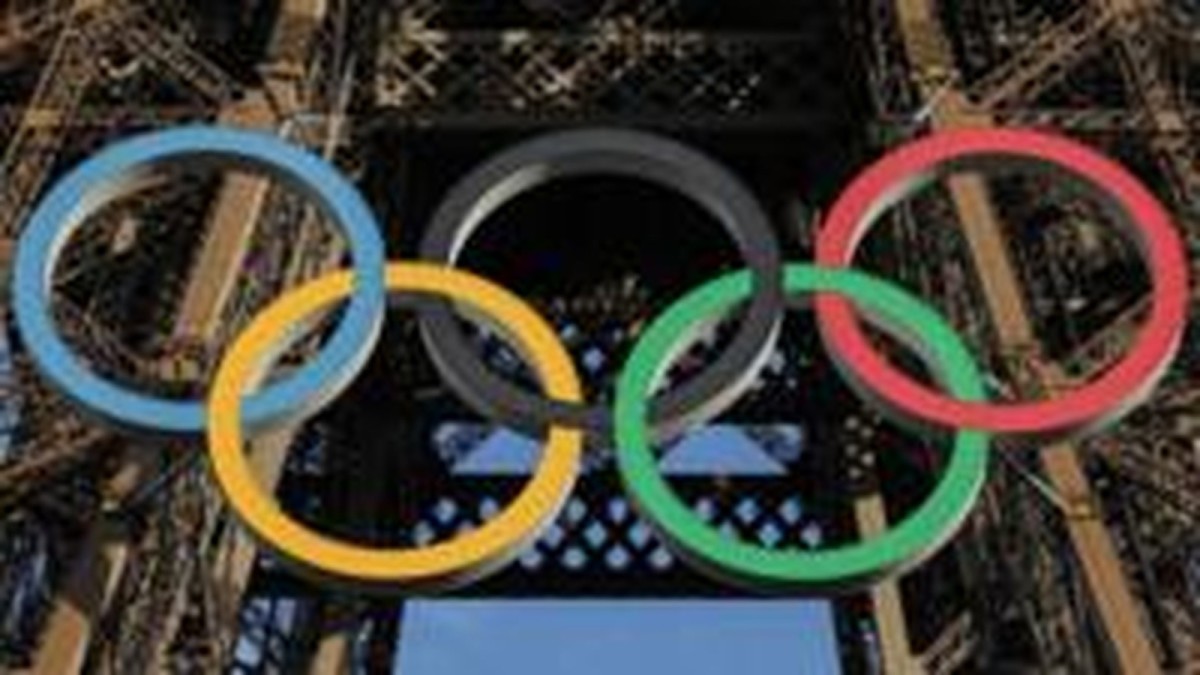
The International Olympic Committee’s recent confirmation that South Africa has expressed interest in hosting the 2036 Summer Games marks a historic moment for the continent. If successful, the nation would become the first African host of the modern Olympics, a milestone that could reshape perceptions of African sport on the global stage. The bid, which envisions a tri‑city model linking Cape Town, Durban and Johannesburg, joins a competitive field that includes Hungary, India, Qatar, Turkey, Germany and South Korea, each of which is also in talks with the IOC about future Games.
Why the 2036 Timeline Matters
The IOC has set a clear timetable for interested nations. A deadline of 31 October has been established for the submission of formal interest, after which virtual presentations will be delivered to the future host commission in November. This structured approach reflects the committee’s desire to move swiftly toward feasibility studies, which are slated for completion by March 2027. The timeline underscores the seriousness with which the IOC is treating the 2036 cycle, and it gives each contender a defined window to showcase their capabilities.
For South Africa, the schedule aligns with a period of renewed investment in sporting infrastructure and urban development. By the time feasibility assessments are concluded, the country will have had several months to refine its proposal, ensuring that the three‑city model can meet the rigorous standards set by the IOC. The forthcoming strategic dialogue between national Olympic committees and the IOC will further cement South Africa’s position as a serious contender.
The Tri‑City Vision: Cape Town, Durban and Johannesburg
South Africa’s bid is built around three of its most iconic urban centres. Cape Town, with its stunning coastal backdrop and world‑class venues, offers a scenic gateway for athletes and spectators alike. Johannesburg, the nation’s economic hub, brings extensive transport links and a legacy of hosting major sporting events. Durban, despite its earlier withdrawal from the 2022 Commonwealth Games, remains a strategic choice due to its coastal location and existing stadiums.
The inclusion of Durban is noteworthy. The city had been slated to host the Commonwealth Games in 2022 before pulling out in 2017, a decision that left many facilities under‑utilised. Incorporating Durban into the Olympic plan could revive those assets, turning a past disappointment into a future asset. Together, the three cities could distribute the logistical load, reduce pressure on any single venue, and showcase the diversity of South African culture and geography.
Regional Competition: A Glimpse at Other Bids
South Africa’s ambition sits alongside a varied roster of competing bids. Hungary’s proposal centres on Budapest, a city that has recently hosted the World Aquatics Championships and the World Athletics Championships, demonstrating its capacity for large‑scale, multi‑sport events. India’s bid highlights Ahmedabad, a city already set to welcome the Commonwealth Games in 2030 and to host the 2038 Asian Games. Ahmedabad’s Narendra Modi stadium, with a reported capacity of 132,000, underscores India’s willingness to build mega‑stadia.
Qatar’s offer focuses on Doha, a capital that successfully delivered the 2022 FIFA World Cup using multiple stadiums across the city. Turkey’s bid is anchored in Istanbul, a metropolis that has previously attempted to host the Olympics for the 2000, 2008 and 2020 Games and will host the 2027 European Games. Germany and South Korea bring the weight of previous Olympic experience, with Berlin and Munich (Germany) and Seoul (South Korea) each having hosted the Games in the past.
Strategic Implications for African Sport
Securing the 2036 Olympics would be a transformative achievement for African sport. It would provide a platform for African athletes to compete on home soil, potentially boosting participation rates and inspiring a new generation of talent. Moreover, the economic ripple effects—tourism, infrastructure upgrades, and global media exposure—could catalyse broader development across the continent.
Beyond the immediate benefits, an African Olympic Games would challenge lingering stereotypes about the continent’s capacity to host complex, multinational events. It would signal to the world that African cities can meet the exacting standards of the IOC, from transportation networks to accommodation capacity, while also offering a uniquely vibrant cultural experience.
Logistical Challenges and Opportunities
While the tri‑city model spreads risk, it also introduces coordination complexities. Ensuring seamless transport between Cape Town, Durban and Johannesburg will require robust inter‑city rail or air links, as well as synchronized scheduling of events. However, South Africa’s existing aviation network and its experience with large‑scale events—such as the 2010 FIFA World Cup—provide a solid foundation for addressing these challenges.
Infrastructure upgrades will be essential. The IOC’s feasibility assessments, due by March 2027, will evaluate stadium standards, athlete villages, and legacy use plans. South Africa will need to demonstrate that its venues can meet the IOC’s sustainability criteria, a growing focus for the committee. Leveraging existing stadiums, while integrating new, environmentally‑friendly facilities, could satisfy both performance and legacy requirements.
Political and Economic Context
The bid arrives at a time when South Africa is navigating both domestic and international economic pressures. Hosting the Olympics could act as a catalyst for investment, drawing foreign capital into construction, hospitality and tourism sectors. Politically, the bid signals a willingness to engage with global institutions, aligning with broader African aspirations for greater representation on the world stage.
Internationally, the IOC’s acknowledgment of “continuous dialogue” with the seven interested nations reflects a collaborative approach. South Africa’s early expression of interest positions it favourably in these discussions, allowing ample time to refine its proposal before the November virtual presentations. The strategic dialogue that will follow, involving national Olympic committees, offers a platform for South Africa to articulate its vision and address any concerns raised by the IOC.
Looking Ahead: What Success Could Mean
If South Africa’s bid advances beyond the feasibility stage, the nation will join a select group of countries preparing to host the 2036 Games. The next steps would involve detailed planning, securing funding, and finalising venue contracts. Successful navigation of these phases could set a precedent for future African bids, encouraging other nations to consider the continent as a viable host region.
In the broader Olympic calendar, the 2036 Games sit between the 2032 Brisbane Olympics and the 2038 Asian Games in Ahmedabad. South Africa’s potential entry into this timeline would diversify the geographical spread of the Games, reinforcing the IOC’s commitment to global inclusion. As the world watches the upcoming virtual presentations and feasibility studies, the hope is that the continent’s first Olympic host will emerge, heralding a new chapter for African sport and for the Olympic movement itself.
This article was produced with AI-assisted research and editorial support. Reporting is based on the source material cited below. Sources: BBC News Africa; bbc.co.uk; Global1.News (07 October 2026).
By Amara Diop, Staff Writer
What's Your Reaction?
 Like
0
Like
0
 Dislike
0
Dislike
0
 Love
0
Love
0
 Funny
0
Funny
0
 Wow
0
Wow
0
 Sad
0
Sad
0
 Angry
0
Angry
0

West Africa/Sahel Correspondent at Global1.News. Dakar-based journalist covering politics, security, climate, and development across Francophone and Anglophone West Africa. Tells the stories of a region undergoing profound transformation.











Comments (0)