
The Surprisingly Charming Science of Your Gut – A Friendly Guide
Meta Title: The Surprisingly Charming Science of Your Gut – A Friendly Guide Meta Description: Dive into the fascinating world of digestion, microbes, and the gut‑brain connection with Giulia Enders’...
Why the Gut Deserves More Applause Than It Gets
When you hear the word “gut,” most people picture a vague, squishy organ that simply churns food into waste. Giulia Enders, a German microbiologist, flips that image on its head in her TED talk “The surprisingly charming science of your gut.” She reminds us that the gut is not just a passive tube—it’s a bustling metropolis of cells, nerves, and microbes that influences everything from our energy levels to our mood. In the video, Enders starts with a simple question: “Ever wonder how we poop?” It’s a playful hook, but it leads straight into a deeper conversation about why the gut is one of the body’s most underrated powerhouses.
Enders points out that the gut is the body’s longest organ, stretching roughly 30 feet from mouth to anus. That length gives it plenty of real estate for a complex ecosystem. It’s where digestion begins, nutrients are absorbed, and waste is expelled. But beyond those basics, the gut houses an entire nervous system—called the enteric nervous system—that can operate independently of the brain. Think of it as a second brain, complete with its own reflexes and decision‑making capabilities. This “second brain” is why we sometimes feel a “gut feeling” that seems to bypass rational thought.
The Gut’s Own Brain: The Enteric Nervous System
One of the most eye‑opening parts of Enders’ talk is the explanation of the enteric nervous system (ENS). While the brain in our skull contains about 100 billion neurons, the ENS boasts roughly 100 million—enough to manage the complex choreography of peristalsis, enzyme release, and blood flow without a single command from the brain. In other words, the gut can keep moving food along even if the brain is knocked out.
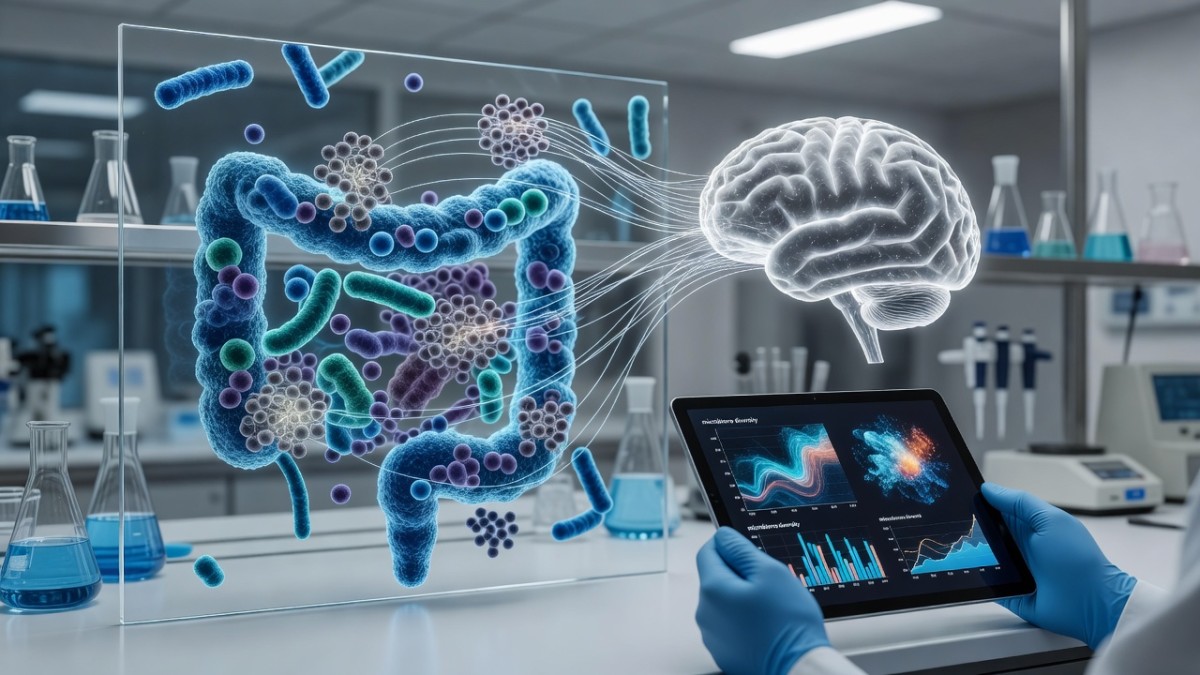
Enders likens the ENS to a “mini‑computer” that constantly monitors the chemical composition of the food we eat. It sends signals to the brain about hunger, fullness, and even the presence of toxins. This two‑way street is known as the gut‑brain axis. When the ENS detects something amiss—say, a pathogen—it can trigger nausea or vomiting long before the brain even registers the problem. That’s why you sometimes feel queasy before you actually know you’re sick.
The ENS also produces a staggering amount of neurotransmitters. About 90 percent of the body’s serotonin, the “feel‑good” chemical, is made in the gut. This isn’t just a quirky fact; it helps explain why gut disturbances often coincide with mood swings, anxiety, or depression. Enders emphasizes that the gut’s chemistry can literally shape how we feel, making the phrase “butterflies in your stomach” more than a poetic metaphor.
Microbes: The Tiny Tenants That Run the Show
If the ENS is the gut’s nervous system, the microbiome is its bustling population of residents. Enders describes the gut as a city inhabited by roughly 100 trillion bacteria—more than the total number of human cells in our bodies. These microbes break down fibers we can’t digest on our own, synthesize vitamins, and train our immune system to distinguish friend from foe.
One vivid example Enders shares is the way certain bacteria ferment dietary fiber into short‑chain fatty acids like butyrate. These compounds serve as fuel for the cells lining the colon, reinforcing the gut barrier and reducing inflammation. In contrast, a diet low in fiber can starve these beneficial microbes, allowing opportunistic species to take over. The result? A less resilient gut lining and a higher risk of digestive issues.
The microbiome also talks to the ENS through chemical messengers. For instance, some bacterial metabolites can stimulate the production of serotonin in gut cells, directly influencing mood. This microbial‑brain dialogue is why researchers are now exploring probiotics and prebiotic foods as potential tools for mental health. Enders doesn’t claim that a single yogurt will cure depression, but she does highlight the promising link between a diverse microbiome and overall well‑being.
How Your Gut Talks to Your Mood and Immune System
Beyond the ENS and microbes, the gut plays a starring role in the body’s immune defenses. Roughly 70 percent of the immune system resides in the gut-associated lymphoid tissue (GALT). Here, immune cells sample the contents of the intestine, learning to tolerate harmless food proteins while staying on guard against pathogens.
Enders explains that a balanced gut microbiome helps “train” these immune cells, reducing the likelihood of overreactions that can lead to allergies or autoimmune conditions. When the gut barrier is compromised—often due to a poor diet, stress, or antibiotics—tiny particles can leak into the bloodstream, sparking chronic inflammation. This low‑grade inflammation is now recognized as a contributor to conditions ranging from heart disease to depression.
The gut‑brain axis also means that stress can directly affect digestion. When you’re anxious, the ENS can speed up peristalsis, leading to “butterflies” or even diarrhea. Conversely, chronic gut discomfort can send stress signals back to the brain, creating a feedback loop that amplifies both physical and emotional distress. Enders uses this loop to illustrate why addressing gut health can be a powerful lever for improving mental resilience.
Practical Tips for a Happier, Healthier Gut
After laying out the science, Enders offers a handful of down‑to‑earth suggestions that anyone can try. First and foremost, she champions dietary fiber. Foods like whole grains, legumes, fruits, and vegetables feed the beneficial bacteria that produce short‑chain fatty acids. A simple rule of thumb is to aim for at least 25‑30 grams of fiber per day, spread across meals.
Second, she encourages the inclusion of fermented foods—think yogurt, kefir, sauerkraut, kimchi, and kombucha. These foods introduce live cultures that can boost microbial diversity, especially after a course of antibiotics. While the science is still evolving, many people report smoother digestion after regularly consuming fermented products.
Third, Enders stresses the importance of staying hydrated. Water helps dissolve nutrients, supports the mucosal lining, and facilitates the movement of waste through the intestines. Even mild dehydration can slow peristalsis, leading to constipation and an uncomfortable feeling of “bloating.”
Finally, she reminds viewers that stress management is a gut‑friendly habit. Practices like deep breathing, yoga, or short walks can calm the ENS, reducing the likelihood of stress‑induced gut upset. In her talk, Enders even jokes that a good laugh can be “a gentle massage for your intestines.” While that’s a lighthearted line, the underlying point is solid: the gut thrives when the whole body feels balanced.
Putting these tips together—fiber‑rich meals, fermented foods, adequate water, and stress‑relief techniques—creates an environment where the gut’s nervous system and microbial residents can work in harmony. As Enders concludes, a happy gut isn’t just about avoiding constipation; it’s about nurturing a complex organ that quietly shapes our health, mood, and even our sense of self.
Whether you’re a science enthusiast or just someone who wants to feel less bloated after dinner, Giulia Enders’ TED talk offers a charming, accessible tour of the gut’s inner workings. By demystifying the anatomy, the nervous system, and the bustling microbiome, she turns a topic many shy away from into a conversation worth having—especially when the conversation ends with a smile and a better understanding of why we all have a “gut feeling.”
By Allan Ali, PublisherWhat's Your Reaction?
 Like
0
Like
0
 Dislike
0
Dislike
0
 Love
0
Love
0
 Funny
0
Funny
0
 Wow
0
Wow
0
 Sad
0
Sad
0
 Angry
0
Angry
0

Publisher of Global1.News. Automation architect, systems builder, and the guy making sure the truth gets published.











Comments (0)