
RfP: Grenada Clean and Healthy Ocean Project – Policy Assessment Consultant
The Nature Conservancy (TNC) has just issued a Request for Proposal for a Policy Assessment Consultant to support its “Improving Waste Management and Public Awareness for a Clean and Healthy Ocean” project in Grenada.
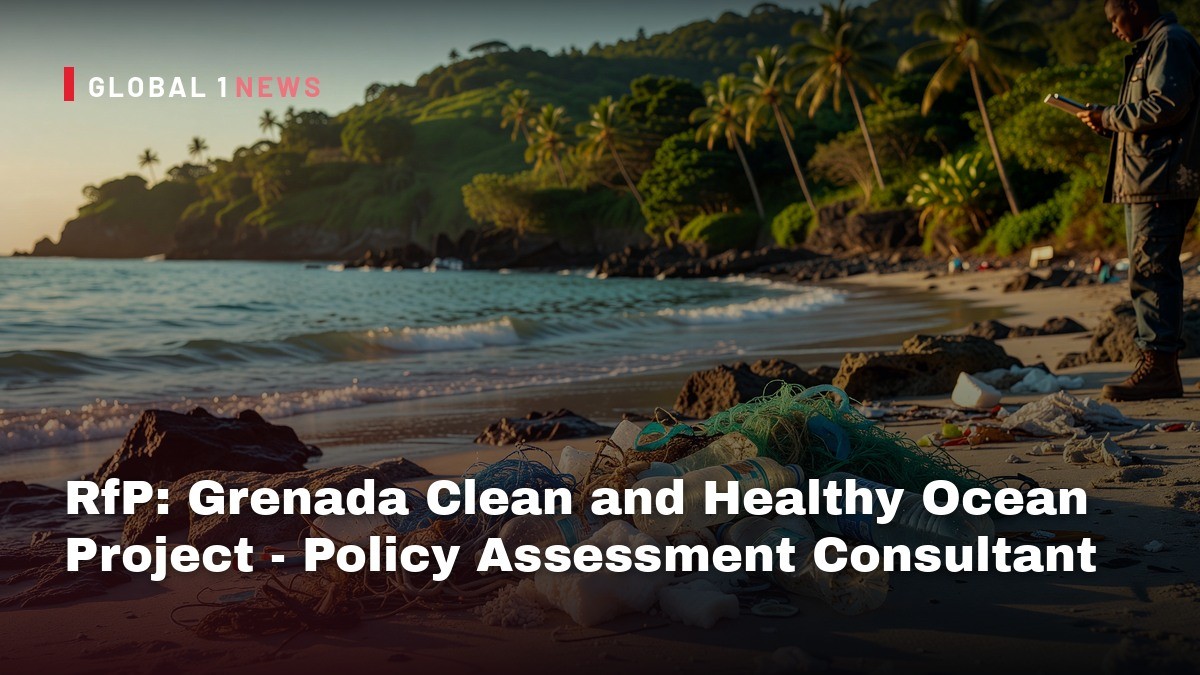
The Nature Conservancy (TNC) has just issued a Request for Proposal for a Policy Assessment Consultant to support its “Improving Waste Management and Public Awareness for a Clean and Healthy Ocean” project in Grenada. The call, listed under reference GNDCHOIP003, is part of a wider five‑year initiative that runs from 2025 to 2030 and is funded by the Global Environment Facility (GEF). While the tender is open to both individuals and firms across the Caribbean, the consultancy is expected to be based in Grenada and will run for roughly seven months, focusing on the critical task of strengthening policy frameworks that address marine hypoxia caused by land‑based nutrient and organic pollution.
Why Grenada’s ocean health matters to the Caribbean
Grenada, the “Island of Spice”, sits at the southern end of the Lesser Antilles and relies heavily on its marine resources for tourism, fisheries and the emerging blue‑economy sector. Marine hypoxia – a depletion of oxygen in the water column – threatens coral reefs, fish stocks and the livelihoods of coastal communities. The TNC project aims to curb this threat by tackling the sources of pollution that flow from land into the sea, a challenge that resonates across the region where similar pressures from agriculture, inadequate waste management and rapid coastal development are common.
By linking Grenada’s experience to broader Caribbean concerns, the consultancy will help illustrate how policy gaps in one island can ripple through shared marine ecosystems. The emphasis on inclusivity – ensuring women, youth and marginalised groups can participate in decision‑making – also mirrors regional calls for more equitable climate and environmental governance.
The scope of the consultancy
The consultant’s primary brief is to conduct a thorough review of existing policies, laws and regulatory mechanisms that govern wastewater management and marine pollution in Grenada. This assessment will pinpoint where current frameworks fall short, identify barriers that impede effective implementation, and highlight opportunities for reform that align with the Sustainable Blue Economy agenda.
Beyond diagnosis, the role requires the development of evidence‑based recommendations and the drafting of concise policy briefs for key decision‑makers. These briefs will translate technical findings into actionable steps, ensuring that any regulatory reforms are both practical and politically feasible.
Key deliverables and timeline
The consultancy is slated to last approximately seven months, with payments tied to agreed‑upon deliverables and timelines negotiated during contract finalisation. While the exact schedule is not detailed in the RFP, the nature of the work suggests a phased approach: an initial policy and legal review, followed by stakeholder consultations, and culminating in the production of policy recommendations and briefing documents.
Travel for stakeholder engagement is anticipated, though relocation costs are not covered. Applicants are expected to factor any necessary travel expenses into their financial proposals, ensuring that the consultancy remains cost‑effective while still reaching the diverse groups that will be consulted.
Funding and organisational backing
The project sits within TNC’s global Clean and Healthy Ocean Integrated Programme (CHO‑IP), a coordinated effort to protect marine environments in more than 70 countries. Funding from the Global Environment Facility underpins the Grenada component, reflecting the international community’s confidence in the project’s design and objectives.
TNC’s reputation for integrity, respect for local cultures and commitment to diversity positions it as a credible partner for Grenada’s government and civil society. The organisation’s core values – integrity beyond reproach, respect for people and communities, and a focus on lasting tangible results – are explicitly highlighted in the RFP, signalling a collaborative approach that values local input.
Policy gaps and the focus on marine hypoxia
Marine hypoxia in Grenada is driven largely by nutrient runoff from agricultural lands and insufficient wastewater treatment infrastructure. The RFP notes that strengthening governance frameworks is a crucial lever for addressing this issue, particularly through Component 2 of the project, which targets regulatory reforms and stakeholder collaboration.
The consultant will be tasked with identifying specific legislative and regulatory shortcomings that allow nutrient and organic pollutants to enter the marine environment unchecked. By mapping these gaps, the consultant can propose targeted amendments or new regulations that better control discharges, improve monitoring, and enforce compliance.
Inclusivity at the heart of policy reform
A distinctive element of the consultancy is its emphasis on inclusivity. The RFP stresses that recommendations must consider barriers faced by women, youth and marginalised groups in accessing resources, participating in decision‑making and benefiting from updated regulations. This reflects a broader Caribbean trend of integrating gender and social equity considerations into environmental policy.
Ensuring that these groups have a voice not only strengthens the legitimacy of any regulatory changes but also taps into community knowledge and resilience. By embedding inclusivity into the policy brief, the consultant helps align Grenada’s marine protection efforts with regional commitments to equitable development.
What this means for the wider Caribbean
The Grenada Clean and Healthy Ocean Project offers a template for other island states grappling with similar marine pollution challenges. Successful policy recommendations and stakeholder engagement strategies can be adapted across the Caribbean, fostering a coordinated regional response to marine hypoxia.
Moreover, the involvement of a globally recognised body like TNC, backed by GEF funding, underscores the importance of international partnerships in addressing environmental issues that transcend national borders. As Caribbean nations continue to navigate the twin pressures of climate change and economic development, initiatives that blend scientific rigour, community participation and inclusive governance – as outlined in this RFP – will be essential for safeguarding the blue heart of the region.
This article was produced with AI-assisted research and editorial support. Reporting is based on the source material cited below. Sources: Now Grenada; nowgrenada.com; Global1.News (01 November 2026).
By Sharon Sahatoo, Staff Writer
What's Your Reaction?
 Like
0
 Dislike
0
 Love
0
 Funny
0
 Wow
0
 Sad
0
 Angry
0

Caribbean Correspondent at Global1.News. Based in Port of Spain, Trinidad, covering Caribbean politics, economy, energy, climate, and culture. Amplifying the voices and stories of the Caribbean region.











Comments (0)