
Brampton Mayor Warns Trade Deal Must Protect Auto Sector
Brampton’s mayor is warning that any Canada-U.S. trade deal must protect the auto sector, as negotiators in Washington race against an Aug. 19 deadline that could see tariffs on Canadian goods jump to 50 per cent. Patrick Brown’s comments on Saturday come just one day after Unifor revealed that Stellantis is strongly considering closing its assembly plant in Brampton, Ont., a move that would idle the facility indefinitely and deal a significant blow to Ontario’s manufacturing heartland.
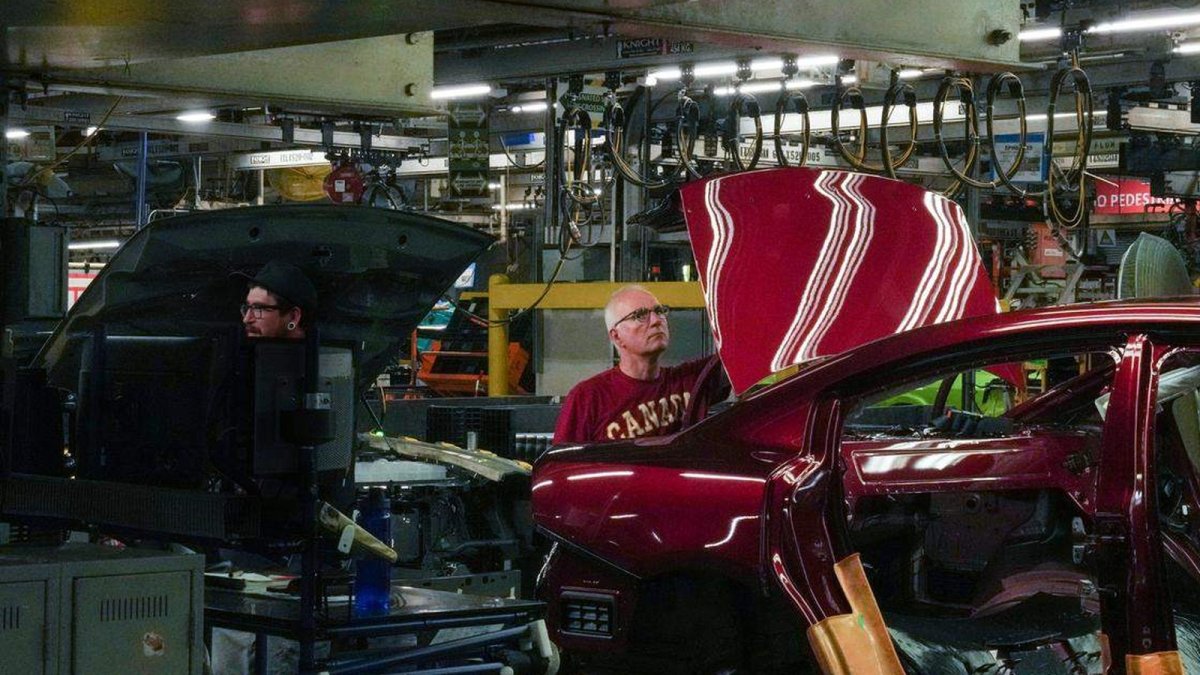
Stellantis’s Brampton warning rattles industry
The urgency of Brown’s message was amplified on Friday when Unifor President Lana Payne told reporters in Toronto that Stellantis had notified the union it would move future production of the Jeep Compass — slated for Brampton — to the United States, “idling the plant indefinitely.”
“Throughout this entire time, though, it's important to note, Stellantis has reiterated to us its commitment to Brampton and our members,” Payne said.
Stellantis, for its part, told Global News it was about to enter negotiations with its workers’ union, and that the focus “remains on finding a sustainable manufacturing solution for Brampton Assembly.”
The Brampton plant has been closed since late 2023 for retooling, with production of the Jeep Compass already shifted south of the border. In October 2025, the federal government cut Stellantis’s tariff remission quota by 50 per cent per year after the company cancelled production plans for the facility. By December, Stellantis told union officials it had “big plans for Brampton,” contingent on tariff relief or a CUSMA deal. In April 2026, the company paused work at the plant while reassessing vehicle programmes tied to electrification.
Now, with the threat of 50 per cent tariffs looming, Payne said the industry is facing an existential moment.
“We shouldn't be offering any concessions to the United States right now,” she said at Friday’s news conference. “The reality is they have, the U.S. has imposed tariffs on Canada. We have retaliated by having counter-tariffs in the auto sector specifically and by doing that we created leverage for ourselves in these discussions with the U.S. right now.”
Payne went further, warning that if no deal is reached by Aug. 19, Canada should retaliate “and retaliate hard.”
Negotiations constructive but far from finished
Talks in Washington have been described by multiple sources as constructive, with negotiators on both sides “nerding out” and reviewing individual tariffs on a line-by-line basis. But even with that positive tone, Global News has learned there remains a considerable distance between the two parties.
LeBlanc and Charette met Greer twice this week — the second meeting in seven days and the fourth in three weeks. LeBlanc has said negotiators will hold “as many meetings as it takes,” and Prime Minister Mark Carney has insisted Canadian negotiators are focusing on “all strategic sectors,” including autos.
According to sources, any deal the Trump administration is willing to sign will include some form of tariffs on steel, aluminium, autos and lumber. The U.S. has also insisted that American alcohol be put back onto provincial store shelves — a demand multiple premiers have expressed a willingness to meet if sufficient U.S. concessions are made.
If a deal is reached, tariffs on Canadian autos and parts compliant with the Canada-U.S.-Mexico Agreement (CUSMA) would remain in place, but sources say they would likely be reduced from the current 25 per cent level. One proposal under discussion would set a tariff rate of between 10 and 15 per cent on CUSMA-compliant autos and parts, according to a source familiar with the talks.
But auto industry insiders have made clear they would not support any tariff level on CUSMA-compliant parts and autos, arguing that even a reduced rate represents a major threat to the industry’s competitiveness in Canada.
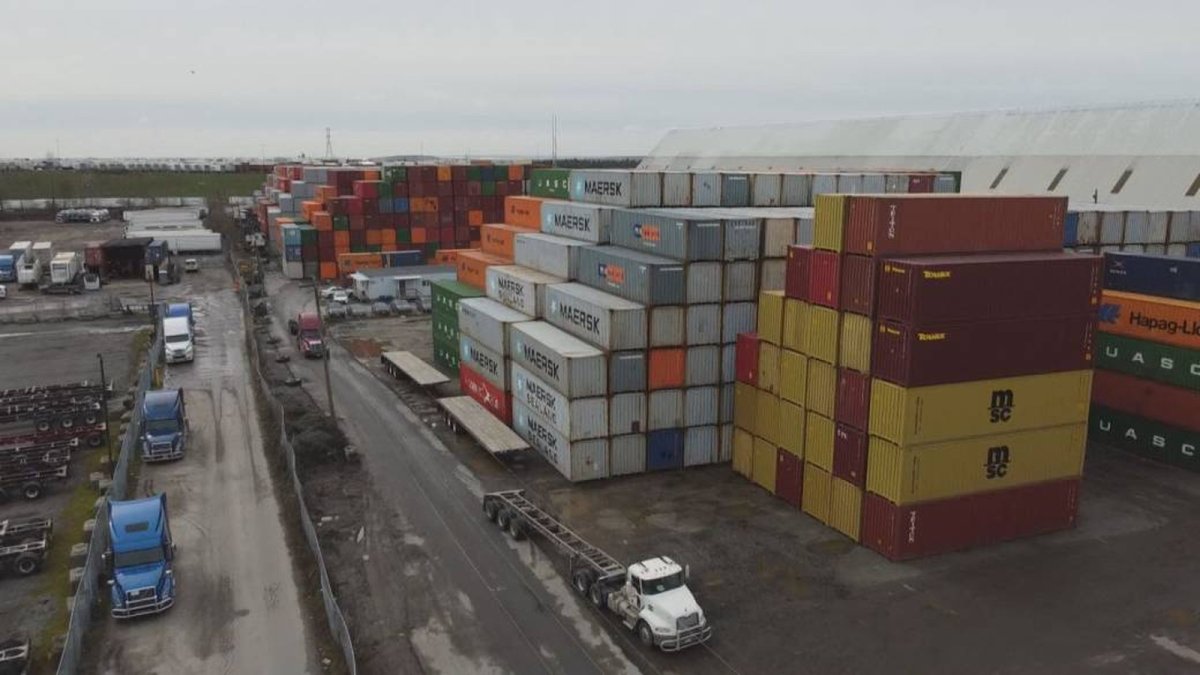
The Aug. 19 deadline and what’s at stake
The clock is ticking. The 50 per cent tariffs proposed by U.S. President Donald Trump are set to take effect Aug. 19, a response to Canada’s retaliatory measures. The U.S. has said those counter-tariffs must be lifted before a deal can be reached.
Canadian officials, meanwhile, are reportedly mapping out a potential deal to pitch to Trump as early as Monday, Aug. 17, according to CBC. The contours of that proposal are said to include removing Canadian counter-tariffs on autos and provincial bans on American alcohol, while Ottawa seeks lower steel and aluminium tariffs.
Brown said he remains hopeful a deal can be reached that includes the auto sector as the Aug. 19 deadline approaches.
“No deal is better than a bad deal,” he repeated, echoing a phrase that has become a refrain in Canadian trade discussions over the past year.
The stakes could hardly be higher. Canada’s auto sector supports roughly 200,000 jobs, with about 70 per cent of that employment concentrated in Ontario. Unifor notes that Canada secured more than $50 billion in automotive investment between 2020 and 2024, much of it in the electric vehicle supply chain, including battery plants in Ontario and Quebec.
Those investments are now at risk. Windsor’s Stellantis plant hired about 1,500 workers for a third shift starting in February 2026, but GM has reduced production at its Oshawa and Ingersoll facilities. The uncertainty is rippling through communities that depend on the industry.
Detroit’s fears and the broader CUSMA picture
The anxiety extends beyond Canada’s borders. Reuters reported this week that Detroit automakers fear a North American trade deal revamp could cost them billions, with U.S. and Mexican officials planning a fourth round of trade talks next month. The interconnected nature of the auto supply chain means tariffs imposed on Canadian goods inevitably hurt American manufacturers as well.
Brown made that point directly, describing Trump’s tariffs as “devastating” for the North American industry.
For Canadian workers, the uncertainty is personal. Brampton’s assembly plant has been a cornerstone of the community for decades, and the prospect of indefinite idling has families and local businesses on edge. Payne argued that Canada’s counter-tariffs in the auto sector have created leverage in the talks, and warned against offering concessions before a deal is secured.
What happens next
With the deadline days away, the coming week will be decisive. LeBlanc has said negotiators will hold “as many meetings as it takes,” and Carney has stressed that Canada will not sign a deal that fails to protect key sectors.
But the path forward remains uncertain. Sources say the two sides are still far apart on several core issues, including the scope of tariffs on autos and parts, and the fate of provincial alcohol bans. The U.S. has also insisted on maintaining some tariffs on steel and aluminium, a position Ottawa has resisted.
Payne’s message to the federal government was unambiguous: do not cave.
“We created leverage for ourselves in these discussions with the U.S. right now,” she said. “We shouldn't be offering any concessions.”
For Brown, the calculus is simple: a deal without autos is not a deal worth having.
As negotiators prepare for another round of talks in Washington, the fate of Brampton’s assembly plant — and thousands of Canadian auto jobs — hangs in the balance.
Tags: Canada-U.S. trade, auto sector, Brampton, Stellantis, Unifor, Patrick Brown, Lana Payne, Dominic LeBlanc, Janice Charette, Jamieson Greer, Mark Carney, Donald Trump, tariffs, CUSMA, Ontario manufacturing, Windsor, Oshawa, Ingersoll, Quebec, EV battery plants, trade negotiations
This article was produced with AI-assisted research and editorial support. Sources: Global News, CBC News, Reuters via BNN Bloomberg, CP24.
By Alex Thompson, Staff Writer
What's Your Reaction?
 Like
0
Like
0
 Dislike
0
Dislike
0
 Love
0
Love
0
 Funny
0
Funny
0
 Wow
0
Wow
0
 Sad
0
Sad
0
 Angry
0
Angry
0

Canada Correspondent at Global1.News. Based in Toronto, covering Canadian politics, energy, trade, and US-Canada relations. Provides the Canadian perspective on North American and global affairs.











Comments (0)