
Belgium's Silent Heatwave Deaths Are a Warning Latin America Can't Ignore
There is a particular kind of dread that settles in when the smoke clears and the cameras leave. We saw it in the High Fens of eastern Belgium, where the country’s "green lung" has been reduced to a smouldering, blackened scar. But as the Al Jazeera English report "Belgium Burns as Silent Heatwave Deaths Soar" made painfully clear, the true catastrophe of Europe’s "summer that burned" is not measured in hectares of torched peat or evacuated villages.
There is a particular kind of dread that settles in when the smoke clears and the cameras leave. We saw it in the High Fens of eastern Belgium, where the country’s "green lung" has been reduced to a smouldering, blackened scar. But as the Al Jazeera English report "Belgium Burns as Silent Heatwave Deaths Soar" made painfully clear, the true catastrophe of Europe’s "summer that burned" is not measured in hectares of torched peat or evacuated villages. It is measured in the quiet, unrecorded deaths of the elderly and the sick, expiring behind closed windows in care homes and city apartments. For Latin America, a region already facing a staggering annual toll of heat-related mortality, the Belgian experience is not a distant European tragedy—it is a preview of our own future if we fail to count the uncounted.
Belgium's Silent Heatwave Deaths Are a Warning Latin America Can't Ignore
Brussels, Belgium — August 20, 2026 — The smoke from the High Fens wildfire has drifted across the border into Germany, but the more insidious haze is the one that hangs over the country’s mortality statistics. As reporter Peter Smith stood amid the charred remains of the Hautes Fagnes nature reserve, the numbers coming out of Brussels painted a picture far more devastating than any flame. Belgium recorded a 48% spike in excess mortality during June’s heatwave, the highest rate in Europe, according to Sciensano, the nation’s public health institute. This is the story of how a wealthy, temperate nation became a cautionary tale for the Global South, and why the lessons from this "summer that burned" must resonate from the Andes to the Amazon.
The Silent Killer — How Heat Kills Without a Sound
Heat is a predator that leaves no claw marks. Unlike a flood or a hurricane, it does not announce its arrival with dramatic destruction. Instead, it works insidiously, exacerbating cardiovascular disease, triggering renal failure, and worsening respiratory conditions in the most vulnerable populations. The term "silent killer" is not hyperbole; it is a clinical description of a phenomenon where the death toll takes weeks, sometimes months, to fully calculate. The mechanism is brutal: when ambient temperatures exceed the human body’s thermoregulatory capacity, the heart must work harder to pump blood to the skin for cooling. For an elderly person with a weakened heart, this added strain can be fatal. For someone with diabetes or chronic obstructive pulmonary disease, the combination of dehydration and heat stress can tip them over the edge.
The challenge for public health officials is that these deaths are rarely recorded as "heat-related" on death certificates. Instead, they are attributed to pre-existing conditions—heart failure, stroke, or respiratory distress. This is why epidemiologists rely on the concept of excess mortality, which compares the total number of deaths during a heatwave period against a historical baseline. The EuroMOMO network, which monitors mortality across 24 European countries covering roughly 400 million residents, reported approximately 14,260 excess deaths in the final week of June alone. This statistical approach reveals the true scale of the tragedy, but it also means that the public and policymakers often remain unaware of the crisis until long after the temperatures have cooled. By then, the narrative has moved on, and the dead are just numbers in a spreadsheet.
Belgium's Summer That Burned
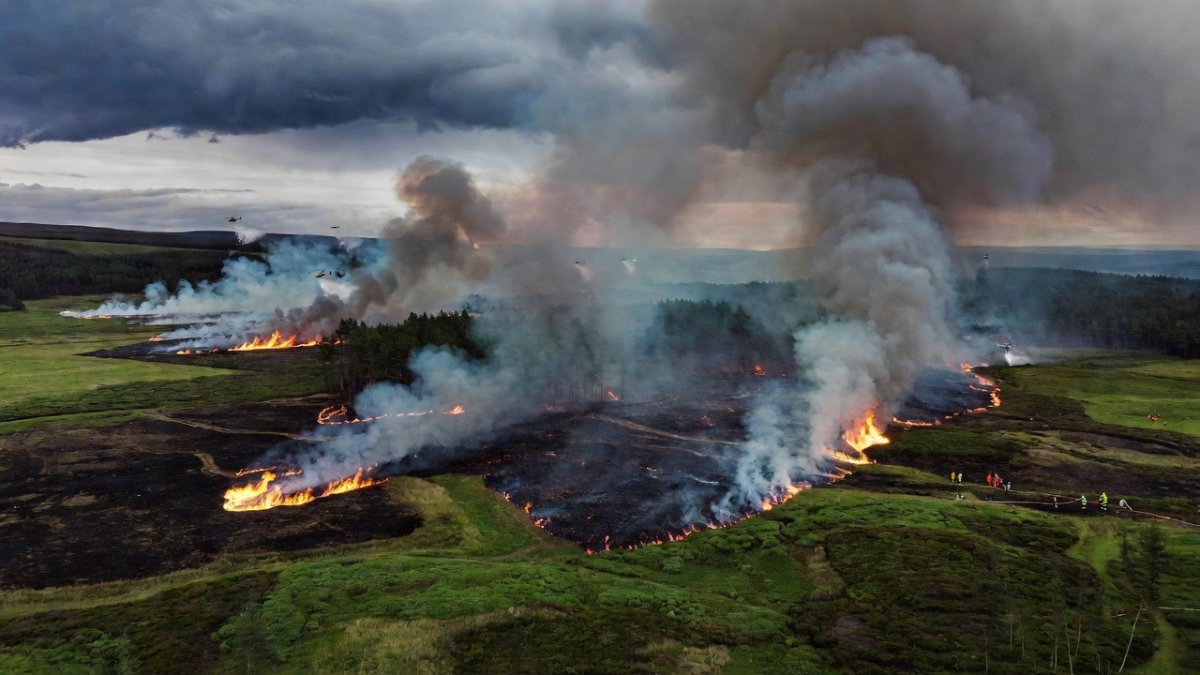
In the eastern reaches of Belgium, the Hautes Fagnes—or High Fens—nature reserve has long been a sanctuary of peat bogs, heathland, and ancient forests. Known as the country’s "green lung," this elevated plateau in Liège province is a haven for hikers and a critical carbon sink. But in mid-August 2026, it became the epicentre of the largest wildfire in Belgian recorded history. The blaze, which broke out in the middle of the month, consumed approximately 2,700 hectares—27 square kilometres—of pristine wilderness. To put that in perspective, it eclipsed the devastating 2011 High Fens fire, which burned around 1,400 hectares, by more than twice the area. The fire was so intense that it threatened to cross the German border, forcing the evacuation of the town of Monschau in the Eifel region.
The human cost was immediate: around 600 people were evacuated from the Belgian side, with hundreds more displaced across the frontier. For days, the fire raged, fed by desiccated peat and tinder-dry vegetation, a direct consequence of the prolonged drought and record temperatures that have gripped Europe. The evacuation orders were finally lifted on August 19, 2026, but the ecological damage is irreversible. The peat bogs, which took millennia to form, have been incinerated, releasing centuries of stored carbon into the atmosphere. The biodiversity of the region—home to rare species of birds, insects, and plants—has been decimated. The "green lung" of Belgium is now a blackened wound, a visceral symbol of a continent under siege from its own changing climate.
Europe's Deadly Ledger — 16,000 Excess Deaths in June
While the High Fens fire captured the world’s attention, the deadliest impact of Europe’s "summer that burned" was unfolding in the continent’s hospitals and care homes. The data from June 2026 is staggering. According to EuroMOMO, Europe recorded approximately 16,000 excess deaths in June, with 14,260 of those concentrated in the final week of the month across the 24 countries monitored. Belgium was the epicentre of this mortality crisis. Sciensano reported roughly 2,000 excess deaths during the June heatwave, a figure updated from an earlier estimate of 1,747. The institute recorded a 47.8% excess mortality rate for the period from 18 June to 1 July, the highest in Europe. This was not a marginal increase; it was a public health emergency.
The contrast with neighbouring countries is stark. France, which experienced its own severe heatwave, reported approximately 3,700 excess deaths, with the national public health agency recording 2,025 excess deaths in the peak week alone. The French ministry called the event "unprecedented in our country." The Netherlands, meanwhile, saw around 480 excess deaths, primarily among people over 80. But Belgium’s 48% mortality increase was double France’s 23% rise and nearly four times the Netherlands’ 13%. This disparity is not a statistical anomaly; it is a damning indictment of preparedness. Experts point to the fact that northwest Europe, including Belgium, was caught off guard by the intensity of the heat. Unlike southern European nations that have adapted to extreme temperatures, these countries lacked the infrastructure, protocols, and public awareness campaigns needed to protect their most vulnerable citizens.
Why Belgium Paid the Highest Price
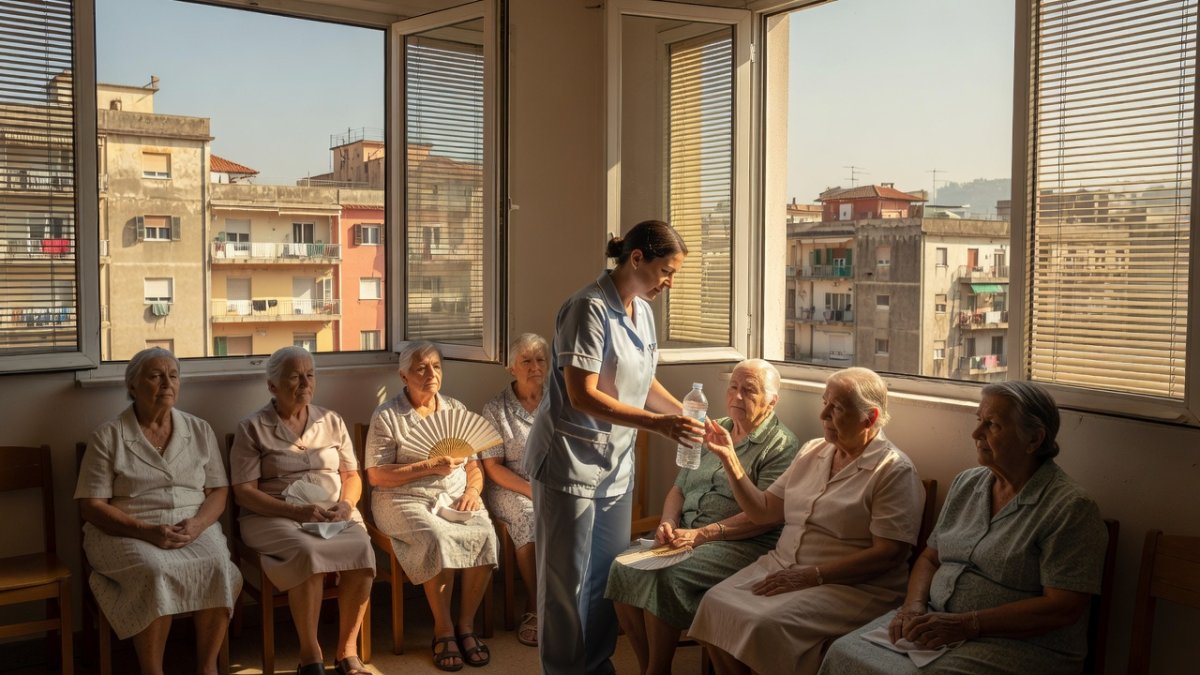
The question that haunts Belgian epidemiologists is why their country, with its advanced healthcare system and high living standards, suffered the highest death toll in Europe. The answer lies in a complex web of socioeconomic factors. Belgium has one of the highest rates of elderly people living in residential care facilities in Europe, and these institutions were woefully unprepared for the heat. Many care homes lack air conditioning, and staff, already stretched thin, were not trained to recognise the early signs of heat exhaustion. The country’s aging population, with a significant proportion living alone in urban apartments, proved particularly vulnerable. The highest daily death toll since the first wave of COVID-19 was recorded during this period, a sobering reminder that heat is as deadly as any virus.
Urban heat island effects played a critical role in exacerbating the crisis. In cities like Brussels and Liège, concrete and asphalt absorbed solar radiation during the day and released it at night, preventing temperatures from dropping to levels that would allow the body to recover. Real-feel temperatures in these urban centres pushed above 40°C, according to analysis by The New York Times. The combination of high nighttime temperatures and inadequate ventilation in older buildings created lethal conditions. Furthermore, the deaths spiked in northwest Europe in June, a time when countries were unprepared for extreme heat. Unlike July or August, when heatwaves are more common, the June event caught everyone off guard. The lesson is clear: heat is a silent killer that exploits societal vulnerabilities, and Belgium’s tragedy is a warning to every nation that thinks it is immune.
Latin America's Own Silent Toll
As Europe reels from its "summer that burned," Latin America is confronting a chronic, year-round crisis that rarely makes international headlines. The World Meteorological Organization (WMO), in its May 2026 report, estimated that approximately 13,000 heat-related deaths occur in Latin America every year. This figure, drawn from an average of 17 countries over the period from 2012 to 2021, is almost certainly an undercount. The WMO notes that heat deaths in the region are difficult to tally and are usually inferred from excess-mortality analyses, a method that requires robust death registration systems that many countries lack. The true toll is likely far higher, hidden in the mortality statistics of cities like São Paulo, Mexico City, and Buenos Aires.
The WMO’s May 2026 report also highlighted the broader climate crisis facing the region: record-breaking temperatures, devastating floods, prolonged droughts, and intensifying hurricanes are placing millions of people across Latin America and the Caribbean at growing risk. The report is a stark reminder that the region is on the front lines of climate change, even as it contributes the least to global emissions. The heat deaths are not a future threat; they are happening now, in the sprawling informal settlements of Lima, the agricultural heartlands of Brazil, and the coastal cities of Mexico. The lack of attention to this crisis is itself a form of violence, a refusal to see the bodies piling up in the margins.
Urban Heat in the Region's Megacities
The World Bank’s 2025 report, "Unlivable: Confronting Extreme Urban Heat in Latin America and the Caribbean," paints a grim picture of the region’s urban future. Latin America is one of the most urbanized regions on Earth, with 82% of its population living in cities. By the end of the century, these cities are expected to experience between 66 and 116 additional extremely hot days per year, defined as days above the 95th percentile of historical temperatures. This is not a gradual shift; it is a dramatic transformation of the urban environment. The report warns that heat reduces labour productivity, raises health costs, and slows economic activity, with projected GDP losses in major urban centres reaching 5% or more. The economic cost of inaction is staggering.
The heat is already arriving. In Brazil, the national meteorological institute INMET is monitoring a possible heatwave across the Amazon, Centro-Oeste, and Southeast regions. São Paulo has experienced temperatures up to 7°C above average in inland areas, a phenomenon known locally as a "veranico"—an extra summer heat in the cold season. In Mexico, research on heat-related mortality shows that the eastern, southwestern, and Sonora coastal regions have higher heat effects, with coastal cities particularly vulnerable. The heat risk varies dramatically within cities, as research in Brazil and across Latin America has shown. There are big differences in what temperatures are dangerous between cities, between demographic groups, and between neighbourhoods. A wealthy resident of a leafy suburb in São Paulo faces a very different risk than a low-income worker in a cramped, unventilated apartment in the city’s periphery.
What This Means for Latin America — Lessons in Cooling
There is hope, and it comes from an unlikely source: Medellín, Colombia. Once infamous for violence, the city has become a global model for urban heat adaptation. Its green corridors initiative, which includes 30 corridors, approximately 880,000 trees, and 2.5 million shrubs, has cooled the city by about 2°C. The cost? A mere $6.50 per resident. This is the kind of investment that pays for itself many times over in reduced health costs, increased labour productivity, and improved quality of life. The Medellín model demonstrates that adaptation is not a luxury reserved for wealthy nations; it is a necessity that can be achieved with political will and community engagement.
But green infrastructure alone is not enough. Latin American cities need comprehensive heat action plans and early-warning systems that can alert vulnerable populations before a heatwave strikes. These systems must be tailored to local conditions, as research shows that people over 60 face heat danger at lower temperatures than younger adults. The thresholds for triggering warnings in a temperate city like Bogotá will be different from those in a tropical city like Manaus. The region also needs to invest in retrofitting buildings with passive cooling technologies, creating cool roofs and green spaces, and ensuring that vulnerable populations—the elderly, the sick, and the poor—have access to cooling centres. The lessons from Belgium are clear: preparation saves lives, and the cost of inaction is measured in human tragedy.
The Bottom Line — Counting the Uncounted
The tragedy of Belgium’s silent heatwave deaths is not that they happened, but that they were preventable. The same can be said for the estimated 13,000 annual heat-related deaths in Latin America. The first step towards prevention is counting—accurately, transparently, and consistently. This means investing in robust mortality surveillance systems, training health workers to recognise heat-related illness, and ensuring that every death is recorded and analysed. It means moving beyond the anecdotal and the invisible to a data-driven understanding of who is dying, where, and why. The WMO’s excess-mortality analyses are a start, but they are only as good as the data they rely on.
The "summer that burned" in Europe is a preview of what awaits Latin America if we fail to act. The fires in the High Fens, the deaths in Belgian care homes, the overwhelmed hospitals in France—these are not isolated events. They are the symptoms of a global crisis that demands a global response. For Latin America, the path forward is clear: we must learn from Belgium’s mistakes, embrace the Medellín model, and build the early-warning systems and heat action plans that will save lives. We must count the uncounted, not as a bureaucratic exercise, but as a moral imperative. The heat is coming, and it will not be silent. The question is whether we will be ready to hear it.
By Elena Vasquez, Staff Writer
This article was produced with AI-assisted research and editorial support. Reporting is based on sources cited in the article.
What's Your Reaction?
 Like
0
Like
0
 Dislike
0
Dislike
0
 Love
0
Love
0
 Funny
0
Funny
0
 Wow
0
Wow
0
 Sad
0
Sad
0
 Angry
0
Angry
0

Latin America Correspondent at Global1.News. Based in Mexico City, covering politics, economics, energy, and culture across the region. Brings an on-the-ground perspective to stories spanning from the Rio Grande to Patagonia.














Comments (0)