
B.C. First Nations Urge Halt to West Coast Pipeline
B.C. First Nations Chiefs Urge Halt to West Coast Pipeline A coalition representing numerous First Nations across British Columbia is demanding that Ottawa and Alberta's government cease all efforts to advance the proposed West Coast oil pipeline, arguing that expanding fossil fuel production will accelerate the climate crisis and its devastating consequences.

B.C. First Nations Chiefs Urge Halt to West Coast Pipeline
A coalition representing numerous First Nations across British Columbia is demanding that Ottawa and Alberta's government cease all efforts to advance the proposed West Coast oil pipeline, arguing that expanding fossil fuel production will accelerate the climate crisis and its devastating consequences. The demand arrives as British Columbia grapples with a provincial state of emergency declared amid more than 100 active wildfires, with nearly 25,000 people forced to flee their homes east of Vancouver.
Tags: West Coast pipeline, First Nations, Union of British Columbia Indian Chiefs, Mark Carney, Danielle Smith, climate change, Trans Mountain, Major Projects Office, Pathways carbon storage, Indigenous consultation
Ottawa – August 10, 2026 — The Union of British Columbia Indian Chiefs (UBCIC) delivered a pointed letter to Prime Minister Mark Carney and Alberta Premier Danielle Smith on Sunday, formally urging both governments to halt the pipeline's advancement. The letter, also copied to B.C. Premier David Eby, was released on the International Day of the World's Indigenous Peoples, a deliberate timing choice that underscores the group's position on Indigenous rights and environmental stewardship.
"The destructive and disastrous consequences of expanding fossil fuel production extend far beyond any single territory," the letter states. "From catastrophic wildfires to destructive floods and rising seas, the impacts of climate change are already being felt across this country. Every new fossil fuel project deepens that crisis." The letter is signed by the group's leadership, including Grand Chief Stewart Phillip, who has long been a vocal advocate for Indigenous rights and environmental protection.
The timing of the letter is significant. It came just one day after the B.C. government issued a provincial state of emergency as wildfires raged across the province. Nearly half of the more than 100 active fires were burning out of control, with one major blaze forcing approximately 25,000 residents from two communities east of Vancouver to evacuate their homes. The UBCIC draws a direct connection between these disasters and the continued expansion of fossil fuel infrastructure.
Consultation and Consent at the Heart of the Dispute
The UBCIC's core argument centres on the principle of free, prior and informed consent, a standard enshrined in the United Nations Declaration on the Rights of Indigenous Peoples (UNDRIP), which Canada has formally adopted. The group maintains that the federal and provincial governments have not consulted or co-operated in good faith with the First Nations who would be affected by the pipeline's construction and operation.
The letter points to specific actions that demonstrate what the UBCIC describes as a predetermined outcome. The government has already developed the project's corridor, named prospective development partners and is publicly promoting its economic case. This sequence of events, the group argues, undermines any claim to meaningful consultation.
"Consultation cannot be meaningful if First Nations are invited only to discuss how a predetermined project will proceed," the letter asserts. "Nor can equity ownership, loan guarantees, revenue-sharing, employment, or other proposed benefits be treated as substitutes for consent." This statement rejects the common government practice of offering economic incentives as a means of securing Indigenous support for resource development projects.
The West Coast Pipeline Project Explained
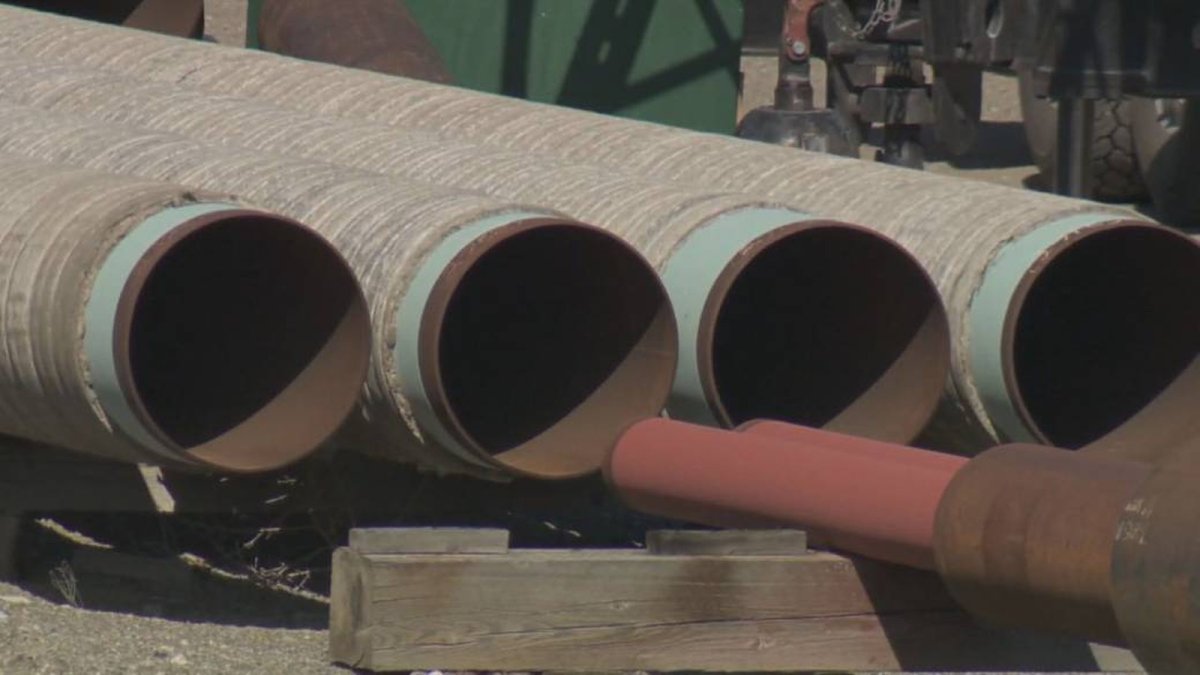
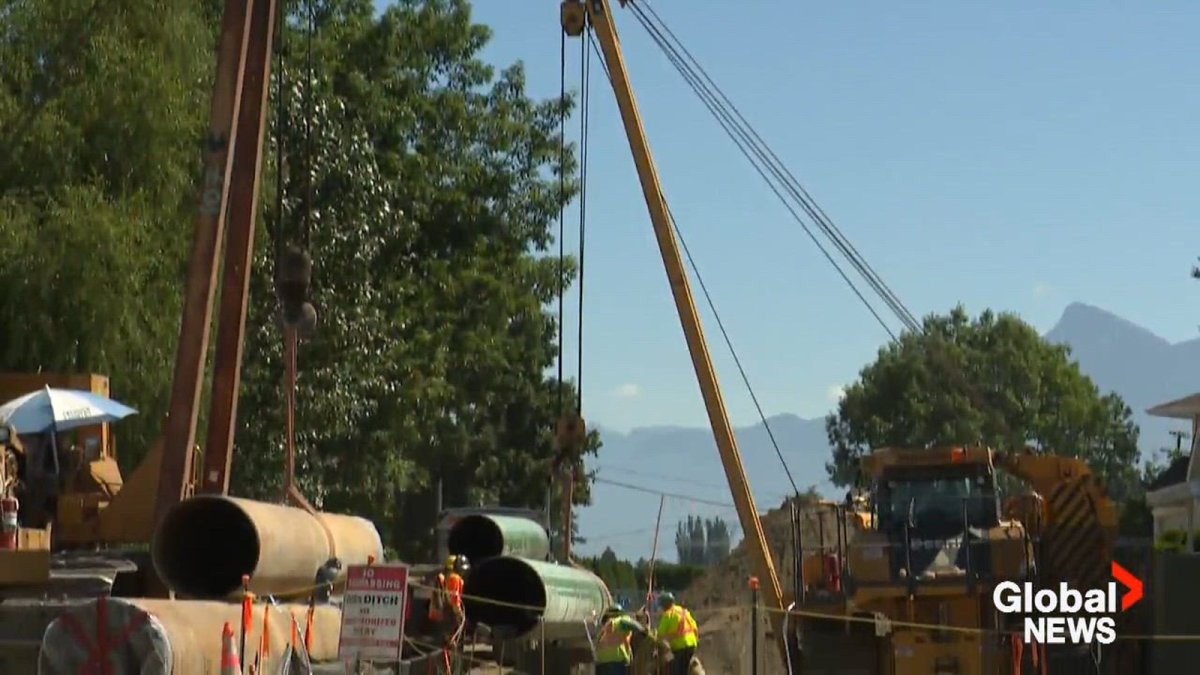
The proposed West Coast pipeline is a massive infrastructure undertaking. The roughly 1,250-kilometre pipeline would carry upwards of one million barrels of crude oil per day from Bruderheim, Alberta, to a port facility near Delta, British Columbia, where the oil would be shipped to international markets. The project represents a significant expansion of Canada's oil export capacity and would connect Alberta's oil sands directly to tidewater.
The Alberta government is listed as the pipeline project's proponent, a notable arrangement that places a provincial government in the role of project developer. The pipeline itself would be owned by a consortium including Trans Mountain, the Alberta Petroleum Marketing Commission and Pembina Pipeline Corporation. This ownership structure builds on the existing Trans Mountain pipeline system, which was expanded in previous years at significant public expense.
The project is one of several major initiatives that have been approved or proposed under Prime Minister Carney's Major Projects Office, which is headquartered in Calgary. The federal government has positioned these projects as being of national interest, arguing they will strengthen Canada's autonomy, provide economic benefits, advance Indigenous interests and help meet Canada's climate change goals in a rapidly shifting global landscape.
Federal Designation Process Underway
Ottawa took a significant step last week toward giving the proposed pipeline a national interest designation under the Building Canada Act. This designation would allow the federal government to fast-track the project and potentially skirt certain environmental laws that would otherwise apply. The government is currently accepting public feedback on the designation until mid-September, providing a window for Canadians and Indigenous communities to voice their concerns.
An Alberta government website indicates the province expects to receive the designation on October 1. The same website outlines an ambitious timeline, stating that "following Indigenous consultation and once all approvals and permits are in place, construction could start as early as September 1, 2027." This timeline suggests the project could move from designation to construction in less than a year, a pace that critics argue leaves insufficient room for proper consultation and environmental review.
The Building Canada Act, which the Conservatives helped the government pass more than a year ago, outlines the regulatory pathway for projects deemed to be of national interest. So far, the government has moved three projects toward national interest designation under the act. Those projects are the Grays Bay road and port project in Nunavut, the Mackenzie Valley Highway in the Northwest Territories and the Nuclear Waste Management Organization's deep geological repository in northern Ontario. The West Coast pipeline would be the fourth project to receive this designation.
The Pathways Carbon Storage Condition
A notable feature of the West Coast pipeline proposal is its conditional relationship with a carbon capture and storage project called Pathways. Ottawa and Alberta have agreed that the pipeline would be conditional on the Pathways project proceeding, and vice versa. This interlocking arrangement means neither project can move forward without the other.
Pathways is owned by various companies and is designed to prevent emissions from increased oil production from entering the atmosphere. The project involves a pipeline network that would carry carbon emissions from several industrial sites in northern Alberta to an underground storage hub near Cold Lake, Alberta. The concept is that increased oil production enabled by the West Coast pipeline would be offset by capturing and storing carbon emissions underground.
However, the Canadian Climate Institute, a think tank, released analysis in July that casts doubt on this arrangement. The institute found that emissions from the increased production that a new West Coast pipeline would enable far eclipse what Pathways would prevent from entering the atmosphere. This analysis suggests that even with the carbon storage project operating as intended, the net effect of both projects would be a significant increase in greenhouse gas emissions.
Alberta's Response and Stakeholder Reactions
Alberta's Ministry of Indigenous Relations responded to the UBCIC letter on Sunday, defending the project and its potential benefits. Press secretary Karah Folk said in an email that the pipeline will provide long-term benefits for Indigenous communities, and create jobs and energy security. The ministry's response frames the project as an economic opportunity for Indigenous peoples, a common argument in Canadian resource development debates.
"The West Coast oil pipeline submission is currently under review by the Major Projects Office, which will consult with Indigenous communities as part of determining whether the project is in the national interest," Folk said. "Our government remains committed to ongoing dialogue with First Nations and all partners as this work continues." This response suggests the Alberta government believes the consultation process is still underway and that the UBCIC's concerns will be addressed through that process.
The Prime Minister's Office did not immediately respond to a request for comment on the letter. This silence may reflect the sensitive political nature of the issue, as the federal government attempts to balance its climate commitments with its stated goals of economic development and national autonomy. The Carney government has positioned the Major Projects Office as a means of streamlining approvals for projects deemed critical to Canada's national interest, but this approach has drawn criticism from environmental groups and some Indigenous communities.
What Happens Next
The coming weeks will be critical for the West Coast pipeline proposal. The federal government is accepting public feedback on the national interest designation until mid-September, and the Alberta government expects to receive the designation on October 1. If the designation is granted, the project would move into the next phase of regulatory review, including the Indigenous consultation process that the UBCIC argues has been inadequate.
The UBCIC's letter represents a significant challenge to the project's legitimacy. By invoking the principle of free, prior and informed consent, the group is demanding a standard of consultation that goes beyond mere information-sharing or economic benefit-sharing. The group's position is that First Nations must have a genuine say in whether the project proceeds, not merely a role in shaping how it is implemented.
The intersection of the wildfire crisis and the pipeline debate adds urgency to the UBCIC's message. As British Columbians flee their homes due to climate-fuelled disasters, the argument that new fossil fuel infrastructure will deepen the climate crisis resonates more powerfully. The group's letter draws a direct line between the fires burning across the province and the proposed expansion of oil production, framing the pipeline as a choice between short-term economic gain and long-term environmental stability.
The federal government faces a difficult balancing act. It has committed to advancing Indigenous interests and meeting Canada's climate change goals, yet it is also pursuing major fossil fuel infrastructure projects through the Major Projects Office. The West Coast pipeline will test whether these commitments can be reconciled, and the UBCIC's letter makes clear that Indigenous communities will not simply accept economic benefits as a substitute for genuine consent. As the public feedback period continues and the October 1 designation date approaches, all eyes will be on Ottawa to see how it navigates these competing pressures.
By Alex Thompson, Staff Writer
This article was produced with AI-assisted research and editorial support. Reporting is based on sources cited in the article.
What's Your Reaction?
 Like
0
Like
0
 Dislike
0
Dislike
0
 Love
0
Love
0
 Funny
0
Funny
0
 Wow
0
Wow
0
 Sad
0
Sad
0
 Angry
0
Angry
0

Canada Correspondent at Global1.News. Based in Toronto, covering Canadian politics, energy, trade, and US-Canada relations. Provides the Canadian perspective on North American and global affairs.















Comments (0)