
Anti-War NGO Reports Rise in Forced Enlistments Across Russia
Anti-war group Idite Lesom reports 14 cases in a week of Russian men forcibly detained and coerced into signing military contracts, fueling fears of a renewed mobilization wave.
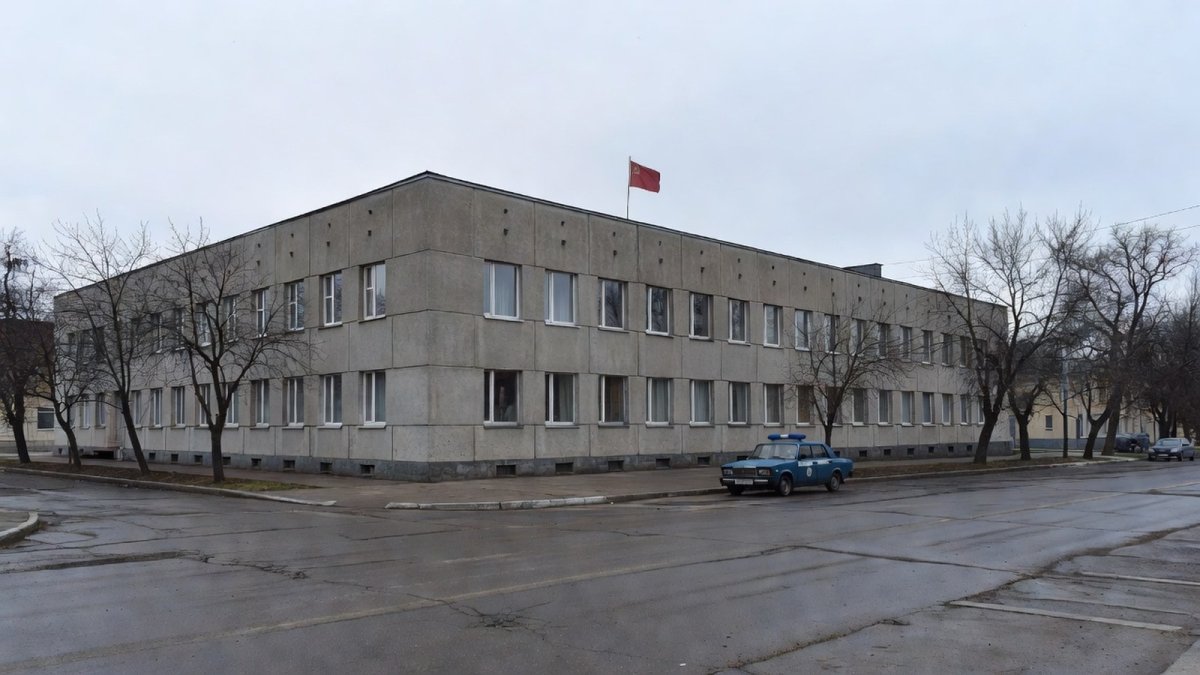
Anti-War NGO Reports Surge in Forced Enlistments Across Russia
Russia's military recruitment apparatus is facing renewed scrutiny this week as a prominent anti-war organization documents a sharp increase in reports of men being forcibly detained and coerced into signing contracts with the Defense Ministry. The group Idite Lesom ("Get Lost"), which has spent years helping Russian men avoid military service, says it has recorded 14 separate cases in just over a week, spanning multiple regions and republics from European Russia to the Far East.
Anti-War NGO Reports Rise in Forced Enlistments Across Russia as Mobilization Fears Grow
Moscow, Russia — The reports, collected between August 10 and August 18, paint a disturbing picture of police tactics that critics say blur the line between routine law enforcement and coercive military recruitment. According to Idite Lesom, officers are detaining men on streets, at public venues, and even at their workplaces, often under the guise of identity checks or drug screening, before pressuring them to sign contracts with the Russian military.
Pattern of Detention Emerges From Regional Complaints
Idite Lesom's data, shared with The Moscow Times, details incidents from Krasnodar in the south, Omsk in western Siberia, Arkhangelsk in the northwest, and the Jewish Autonomous District in the Far East. Additional complaints have come from the republics of Udmurtia and Buryatia, indicating a geographically widespread pattern rather than isolated incidents. The organization's spokesperson, Ivan Chuviliaev, described the uptick as "significant," noting that it represents a broader trend that began in July.
"The reason for it is likely another period of turbulence and uncertainty — hence the panic," Chuviliaev told The Moscow Times, pointing directly to growing rumors of an impending wave of mobilization. The cases include an individual detained after a high school class reunion, another stopped after leaving a supermarket, and several others picked up under the pretext of routine document verification.
Intoxication as a Recruitment Tool
Perhaps most troubling, according to the NGO's records, is the apparent targeting of men who are heavily intoxicated. In multiple cases, individuals were detained specifically for public drinking before being transported to military enlistment offices. The pattern raises troubling questions about consent: an intoxicated individual is less likely to resist signing documents or fully comprehend what he is agreeing to. If confirmed, the practice would represent a cynical exploitation of vulnerable citizens.
One corroborating report from the independent Belarusian outlet Charter'97 details a case in Izhevsk, the capital of Udmurtia, where a man was detained on the street on August 10 and taken directly to the local military registration and enlistment office. Within three days, he was being transported to a military unit in the Rostov Region, which borders Ukraine and serves as a key staging ground for Russian forces.
Kremlin Denies New Draft Plans
The Kremlin has categorically denied any plans for a new draft campaign. President Vladimir Putin last called up 300,000 reservists in September 2022, marking Russia's first mobilization since World War II. That announcement triggered rare public protests across the country and prompted tens of thousands of Russian men to flee, causing a significant demographic and economic shock. Since then, Moscow has officially relied on generous signing bonuses and competitive salaries to attract contract soldiers, avoiding the political risk of another nationwide draft.
However, the renewed speculation over mobilization comes at a delicate time. Russia's offensive in Ukraine has slowed to one of its lowest rates of advance since the full-scale invasion began, and the country faces growing challenges in replenishing its front-line forces. The combination of a stalled offensive and mounting pressure to replace battlefield losses could be pushing the Defense Ministry to seek new manpower by any means available.
Ukrainian Intelligence Warns of Readiness Efforts
Ukraine's Foreign Intelligence Service, in a report published on August 4 and cited by the United24 media platform, has added to the concerns. According to their assessment, voluntary military contract recruitment in Russia slowed significantly in the first half of 2026. The same report claims that Moscow is laying the technical and administrative groundwork to bolster its mobilization readiness, suggesting that the infrastructure for a potential draft is being quietly prepared even as the Kremlin denies any immediate plans.
This assessment aligns with the complaints documented independently by Meduza, which reported the same 14 cases, and by the Belarusian outlet Charter'97, which detailed a man in Izhevsk detained on the street and transported to a military unit in the Rostov Region within three days. The distinction between voluntary contract service and forced enlistment appears to be eroding in practice, even if it remains legally intact on paper.
Conscription Targets and the Looming Autumn Cycle
Context for the current situation can be found in Russia's formal conscription system. The autumn 2025 conscription cycle called up 135,000 conscripts, and a presidential decree has set the 2026 annual target at 261,000 conscripts. While conscription is technically distinct from mobilization, the two systems often overlap in practice, particularly as the military seeks to fill vacancies. The increased conscription targets suggest that the state is already preparing for a larger standing force, which could be used to sustain operations in Ukraine without a formal mobilization decree.
Reports of forced mobilization in Penza Oblast have circulated since mid-June 2026, indicating that the current wave of complaints is not entirely new. The fact that these reports have now spread to multiple regions suggests a coordinated effort or, at minimum, a permissive environment where local authorities feel empowered to act aggressively.
Political Timing and Regional Elections
The timing of these reports is politically sensitive. Rumors of a possible new mobilization have circulated ahead of Russia's September regional elections, a period when the Kremlin typically seeks to project stability and control. Some pro-war Telegram channels have been urging men to sign contracts preemptively, framing it as a way to secure better terms before a potential forced draft. This messaging creates a climate of fear that the NGO reports suggest is being exploited by local police and military recruiters.
For ordinary Russians, the distinction between a voluntary contract and a coerced one is becoming increasingly academic. The stories collected by Idite Lesom describe men detained on the street, held in enlistment offices, and in at least one case transported to a military unit within days. In a legal system where the state controls the judiciary, the boundary between coercion and consent is difficult to enforce.
Independent Observers and the Human Cost
The documented tactics represent a significant escalation in the state's approach to military recruitment. While the Kremlin frames the situation as a purely voluntary system, the evidence collected by NGOs and corroborated by regional media suggests a more coercive reality. The targeting of intoxicated individuals is particularly concerning, as it raises questions about the validity of consent and the legal standards applied to contract signing.
The human cost is measurable. Each forced enlistment represents a family disrupted, a career ended, and a life potentially placed in mortal danger. The psychological toll on those who are detained, pressured, and transported to military units without adequate time to consult family or legal counsel is immense. For a government that has denied any need for a new mobilization, the actions of its police and military recruitment officers tell a different story.
Outlook and Implications
The coming weeks will be critical in determining whether this is a temporary spike or the beginning of a more sustained campaign. The Kremlin's denial of mobilization plans may be sincere, but the actions of local authorities suggest either a lack of central control or a tacit approval of aggressive recruitment tactics. Either scenario is troubling for the rule of law in Russia.
Analysts suggest this could indicate that the Russian military is preparing for a prolonged conflict and is willing to sacrifice the veneer of voluntarism to secure the manpower it believes it needs. The reports from Idite Lesom, if accurate, represent a canary in the coal mine for Russian civil society, signaling that the state's appetite for soldiers is not being satisfied by financial incentives alone. As the September elections approach and the autumn conscription cycle begins, the pressure on Russian men of military age is likely to intensify, regardless of official statements from Moscow.
By Irina Volkov, Staff Writer
This article was produced with AI-assisted research and editorial support. Sources: The Moscow Times, Meduza.
What's Your Reaction?
 Like
0
Like
0
 Dislike
0
Dislike
0
 Love
0
Love
0
 Funny
0
Funny
0
 Wow
0
Wow
0
 Sad
0
Sad
0
 Angry
0
Angry
0
Russia/Eastern Europe Correspondent at Global1.News. Covering Russian politics, energy, security, and the shifting dynamics of the post-Soviet space. Provides clear-eyed analysis on one of the world's most opaque regions.









Comments (0)