
10 Seconds of Audio: The Free Local AI Voice Cloning Revolution Is Here
Free local AI voice cloning now needs just 10 seconds of audio. Open-source tools like Voicebox, GhostTone AI, and XTTS v2 are challenging ElevenLabs paid tiers with unlimited, private, on-device generation. Watch Aitrepreneurs breakdown of the free local voice stack, then reclaim your voice.
Folks, here is the thing about the AI voice wars: the biggest names in the game have spent three years convincing you that your own voice is a subscription. Ten seconds of audio, they tell you, and their cloud can sound like you -- for a monthly fee, metered per character like a utility bill. But out in the open-source world, the story has quietly flipped. You can now clone a voice locally, for free, with just 10 seconds of audio. No credit card. No data leaving your machine. No limit on how much you generate. The channel Aitrepreneur just broke the whole thing down in a new walkthrough, and the timing could not be more brutal for the incumbents.
10 Seconds of Audio: The Free Local AI Voice Cloning Revolution Is Here
Atlanta, GA - August 5, 2026 -- The video is titled exactly what it delivers: create local AI voices for free, with just 10 seconds of audio needed. For anyone who has watched ElevenLabs and its rivals turn voice cloning into a tiered subscription product, that sentence is a grenade. The tools exist today, they run on ordinary hardware, and the quality gap that used to justify the paywall has essentially collapsed.
This is not a hypothetical. Open-source voice cloning has moved from research demo to genuinely usable desktop software. Voicebox, GhostTone AI, XTTS v2, Piper, Bark -- the list keeps growing, and every single one of them is free, local, and more capable than what cloud giants charged $100 a month for just two years ago.
The 10-Second Promise
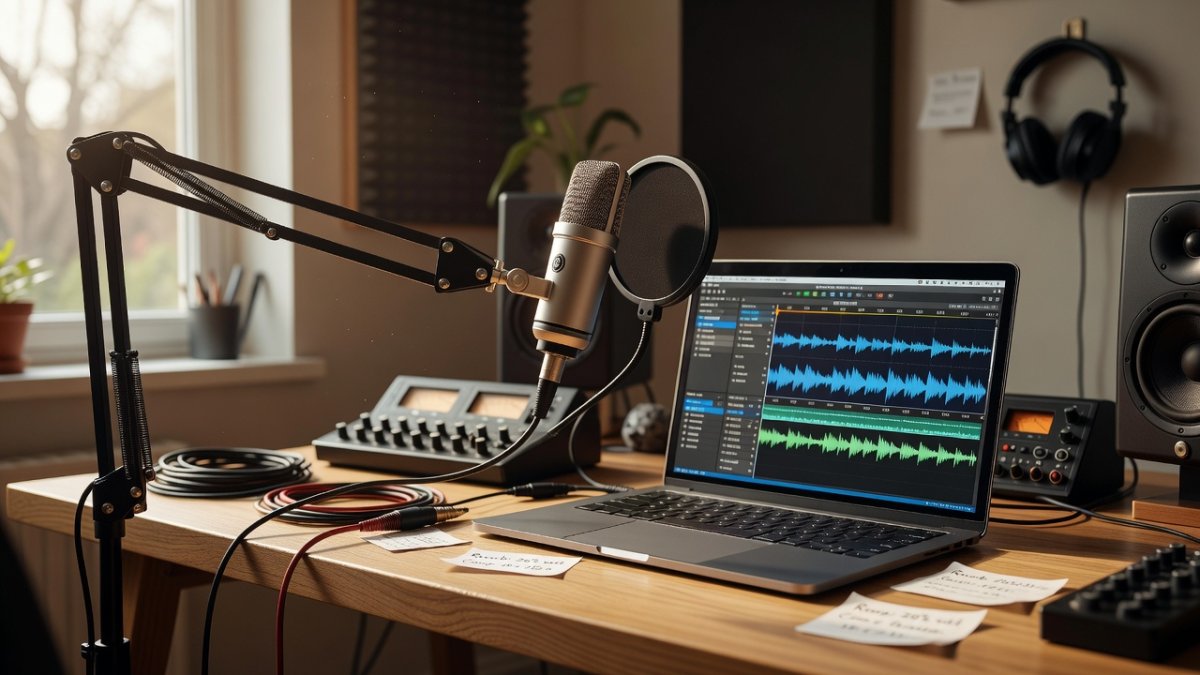
The headline claim in the Aitrepreneur walkthrough is the part that should make every paid voice service nervous: 10 seconds of audio. That is not a full minute of carefully recorded reference material. It is not a studio session. It is a 10-second clip -- a voicemail, a video snippet, a quick recording on your phone -- and the model builds a voice profile from it.
That threshold comes straight out of the open-source playbook. Coqui XTTS v2 showed the world in 2023 that a few seconds of speech was enough for convincing cloning on consumer hardware. GhostTone AI now advertises 6-10 second samples running entirely on CPU, no GPU required. The barrier to entry is no longer money or hardware. It is simply having 10 seconds of your own voice.
Meet the Free Local Lineup
The ecosystem that has grown up around local voice AI is broader than most people realize. Voicebox bills itself as a local-first AI voice studio, an open-source alternative to ElevenLabs and WisprFlow rolled into one application. It clones voices from seconds of audio, generates speech in 23 languages across seven different TTS engines, and even bundles a local language model for refining transcripts.
GhostTone AI targets creators who want professional-quality voiceovers without renting a GPU or paying per character -- upload a 6-10 second sample, type your script, and it speaks in your voice, on your CPU. XTTS v2 remains the workhorse for developers, Piper delivers lightweight neural TTS that runs on a Raspberry Pi, and Bark adds music, background noise, and nonverbal vocalizations to the mix.
Voicebox: The Voice Studio on Your Desk
Voicebox deserves a closer look because it is the clearest example of where this category is heading. It is free, open source, and runs locally on Windows, macOS, and Linux. A voice profile can be created from an uploaded file, a recording made inside the app, or even captured system audio. The app transcribes your reference clip automatically and builds a reusable voice profile you can name, tune, and reuse.
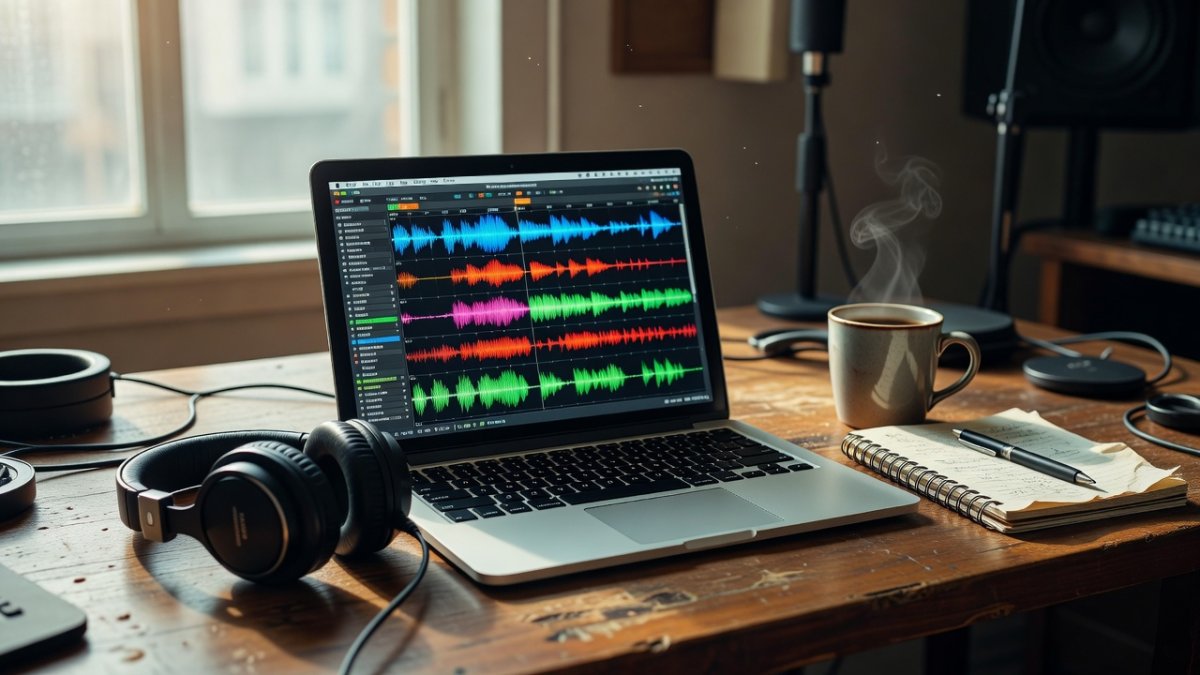
From there it stops being a toy. Voicebox generates speech through models like Qwen3-TTS 1.7B, supports multi-speaker conversations with a multitrack timeline you can trim and split like a real audio editor, and lets you dictate into any text field with a global hotkey. It even exposes an MCP server, meaning AI agents can be given a voice of your choosing. That is not a clone of ElevenLabs. That is a full voice operating system, offline, for zero dollars.
What ElevenLabs Actually Costs You
Now let us talk money, because the pricing is the whole reason this fight exists. The ElevenLabs free tier gives you 10,000 characters a month -- roughly 10 minutes of audio -- with no commercial use and no voice cloning. The Starter plan runs $6 a month for 30,000 characters, about 30 minutes, and only then do you get instant voice cloning and a commercial license. Creator jumps to $22 a month for 121,000 characters. Pro is $99 a month for 600,000 characters. Scale runs $299, and Business tops out at $990 a month.
Add conversational agents billed separately at eight cents a minute beyond your included block, and the arithmetic gets ugly fast for anyone producing serious audio. A podcaster burning 600 minutes a month is paying $99 -- every month, forever. The open-source answer is a one-time download and unlimited generations, with your voice data staying on your own disk. The subscription model is not competing on quality anymore. It is competing on inertia.
Privacy Is the Whole Point
Here is the part the marketing decks never mention: when you clone your voice in the cloud, your voice is no longer yours. It sits on someone else's server, processed by someone else's models, subject to someone else's terms of service. Every character you generate is data flowing through a third party. Every audio sample you upload becomes an asset in a system you do not control.
Local voice cloning flips that entirely. The model downloads once, the inference runs on your hardware, and nothing leaves the machine. For journalists, whistleblowers, creators under repressive governments, or anyone who simply does not trust a cloud provider with a perfect replica of their voice, local is not a convenience feature. It is the only defensible option.
The Law Finally Catches Up
The regulatory world has been sprinting to keep pace, and it is a reminder that voice is now treated like property. Tennessee signed the ELVIS Act on March 21, 2024, the first state law in the country to explicitly protect an individual's voice from unauthorized AI replication. Congress has weighed in with the proposed No AI FRAUD Act, aimed at blocking unauthorized AI replicas of likeness and voice. The EU AI Act now mandates explicit, documented consent and transparent disclosure for voice cloning involving EU citizens, and India's Digital Media Bill requires recording consent for AI-generated voices.
Here is what that means in plain English: the technology is legal, the technology is free, but using someone else's voice without consent is increasingly a civil and criminal liability. The open-source movement hands you a superpower. The law hands you the responsibility that comes with it.
What This Means
Step back and look at the pattern, because it is the same one we have watched in image generation, video generation, and now voice. The closed platforms sell you a metered subscription to a capability. The open-source community builds the same capability, gives it away, and lets anyone run it on hardware they already own. Every time, the incumbents respond with lawsuits, scare stories, and premium tiers -- and every time, the free version gets better.
ElevenLabs is not going to disappear tomorrow. Its polish, latency, and enterprise integrations are real. But the moat is gone. When a 10-second clip on a $600 laptop produces voice clones indistinguishable from a $99-a-month cloud plan, the pricing model is living on borrowed time. The winners in this next phase will be the creators who own their voice data, the developers who build on open weights, and the platforms that treat voice as a right instead of a revenue line.
The Bottom Line
If you have been paying for AI voices, this is your moment to check the math. Record 10 seconds of audio, download a free local tool like Voicebox or GhostTone AI, and hear what your own voice sounds like with zero dollars spent. Keep the consent rules in mind -- clone your own voice, get permission for anyone else's, and know your state's laws.
Watch the Aitrepreneur breakdown for the full walkthrough, then go build something. The voice you own is finally yours to use. And if a company tries to sell you a subscription for it this week, you now know exactly what to tell them.
Stay sharp, keep creating, and never let a paywall tell you what your own voice is worth.
By Jessica Ali, Staff Writer
---
— Jessica Ali, Global 1 News — cutting through the BS, one story at a time.
This article was produced with AI-assisted research and editorial support. Reporting is based on sources cited in the article.
What's Your Reaction?
 Like
0
Like
0
 Dislike
0
Dislike
0
 Love
0
Love
0
 Funny
0
Funny
0
 Wow
0
Wow
0
 Sad
0
Sad
0
 Angry
0
Angry
0

Editor-in-Chief at Global1.News. Atlanta-based journalist who cuts through the BS and tells it like it is. Lead anchor, host, and the voice you hear when the spin stops and the truth starts.














Comments (0)