
2027: Quickly reduce poverty or Nigerians’ reaction will be loud - Primate Ayodele to Tinubu
In a stark warning that reverberated through Lagos churches and the corridors of power alike, Primate Elijah Ayodele of the INRI Evangelical Spiritual Church called on President Bola Tinubu to act swiftly on poverty before the 2027 elections.
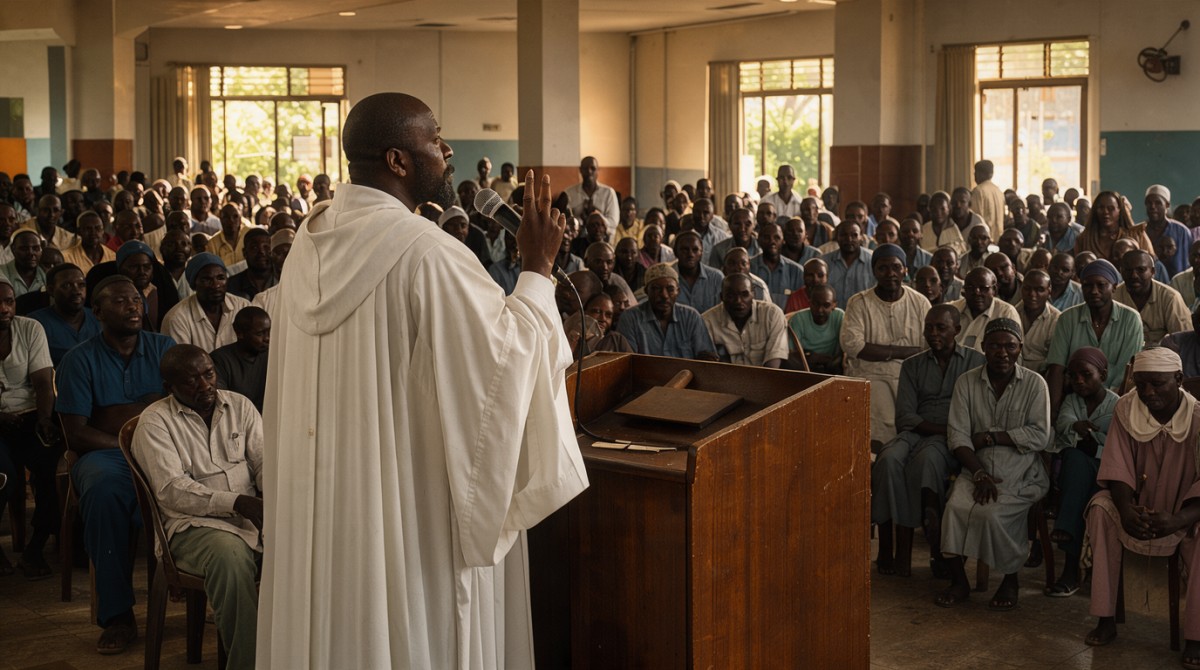
In a stark warning that reverberated through Lagos churches and the corridors of power alike, Primate Elijah Ayodele of the INRI Evangelical Spiritual Church called on President Bola Tinubu to act swiftly on poverty before the 2027 elections. Speaking through his media assistant, Osho Oluwatosin, the Primate said the growing hardship across Nigeria could become a decisive political force, potentially reshaping the fortunes of the All Progressives Congress (APC) and its candidates nationwide. His plea underscores a familiar pattern in Nigerian politics: when basic needs are unmet, the electorate’s discontent can turn into a powerful catalyst for change.
From the pulpit to the political arena
Ayodele’s appeal is not merely a religious exhortation; it is a direct intervention in the nation’s electoral calculus. By urging Tinubu to “ensure people have access to essential needs before the next election,” the Primate aligns his spiritual mandate with a concrete political demand. This framing reflects a broader trend where faith leaders in Nigeria leverage their moral authority to influence policy, especially on issues that affect their congregations.
In his statement, Ayodele warned that “Nigerians are very upset with the current situation of hunger and hardship,” and that “their response could be very strong.” The language is unequivocal, suggesting that the Primate anticipates not just passive discontent but active mobilisation. Such warnings have historically resonated in a country where religious voices often serve as barometers of public sentiment, particularly in urban centres like Lagos where the church’s reach is extensive.
The human cost of hardship in Lagos
One of the most striking observations from Ayodele’s address is the migration of “real Lagosians” to neighbouring areas. He noted that poverty has forced many residents to leave the state, a trend that mirrors recent internal displacement patterns linked to economic strain. While the source does not provide exact numbers, the qualitative description points to a “sharp rise” in out‑migration, reflecting how economic pressures are reshaping the demographic landscape of Nigeria’s commercial hub.
For families who have moved out of Lagos, the challenges are compounded. Relocation often means reduced access to formal employment, education, and health services—amenities that are already stretched thin in many peripheral towns. The Primate’s observation therefore signals a broader social ripple effect: as urban dwellers disperse, the burden of poverty spreads, potentially destabilising communities beyond the capital.
Political stakes for the APC
Ayodele’s warning carries explicit political implications. He cautioned that failure to address poverty could “harm the All Progressives Congress, APC, and its candidates in Nigeria.” By linking economic relief directly to electoral outcomes, the Primate is highlighting a well‑known reality in Nigerian politics: the ruling party’s fortunes are closely tied to its ability to deliver tangible benefits to the electorate.
The timing of this admonition is particularly salient, as the 2027 elections loom on the horizon. The Primate’s assertion that “people will react strongly, and it will affect the election” suggests that the APC could face a “significant” backlash if remedial measures are not seen. Such a backlash could manifest in lower voter turnout for APC candidates, increased support for opposition parties, or even heightened civil unrest in areas most affected by hardship.
Economic context behind the plea
While the source material does not detail macro‑economic indicators, the Primate’s focus on “hunger and hardship” aligns with reports of rising food prices and inflation that have been a feature of Nigeria’s recent economic narrative. The mention of “essential needs” implies a call for interventions in food security, health care, and perhaps basic utilities—sectors that have felt the strain of global commodity fluctuations and domestic fiscal pressures.
From a policy perspective, the Primate’s demand could be interpreted as a push for targeted subsidies, cash transfers, or accelerated social safety‑net programmes. These tools have been employed in previous administrations to cushion vulnerable populations, though their effectiveness often hinges on timely implementation and transparent distribution—issues that have historically challenged Nigeria’s governance structures.
Grassroots mobilisation and potential protest
Ayodele’s warning that “people will react strongly” hints at the possibility of organised protest or civil disobedience. In Nigeria, religious leaders have previously mobilised congregations for political action, from anti‑corruption rallies to voter education drives. The Primate’s platform gives him a ready audience, especially in Lagos where the INRI Evangelical Spiritual Church maintains a substantial following.
Should the government’s response be perceived as inadequate, the Primate’s statement could serve as a rallying cry for broader civil society coalitions. Such a coalition might include labour unions, youth movements, and other faith‑based groups, all united by the common grievance of poverty. The potential for a “loud” reaction, as Ayodele phrased it, therefore extends beyond the church walls into the national public sphere.
Strategic options for President Tinubu
Faced with a direct admonition from a high‑profile religious figure, President Tinubu has several strategic pathways. One option is to launch an accelerated poverty‑reduction programme that targets the most affected regions, particularly Lagos and its surrounding states, to stem the out‑migration highlighted by Ayodele. Another avenue is to engage directly with faith leaders, creating a dialogue platform that could help the government calibrate its interventions to community needs.
Alternatively, the administration could seek to mitigate political fallout by framing any forthcoming relief measures as part of a broader “national development agenda,” thereby linking them to the APC’s vision for the country. Such framing could help soften the narrative that the government is reacting solely to electoral pressure, instead positioning the actions as long‑term investments in Nigeria’s socio‑economic fabric.
Looking ahead: the intersection of faith, poverty and politics
The Primate’s appeal underscores a recurring theme in Nigerian public life: the intersection of spiritual authority, economic hardship, and political accountability. As the 2027 elections draw nearer, the pressure on President Tinubu to demonstrate tangible progress on poverty reduction will intensify, especially as voices like Ayodele’s amplify the urgency of the situation.
Whether the government’s response will be swift enough to quell the “loud” reaction Ayodele warned of remains to be seen. What is clear, however, is that the plight of “real Lagosians” and the broader Nigerian populace will continue to shape the political discourse, compelling leaders to confront the stark reality that without meeting basic needs, electoral legitimacy can quickly erode. The Primate’s message, delivered from the pulpit to the nation, serves as a potent reminder that in Nigeria, the call for compassion and action often travels hand‑in‑hand with the call for political change.
This article was produced with AI-assisted research and editorial support. Reporting is based on the source material cited below. Sources: Daily Post Nigeria; dailypost.ng; Global1.News (17 November 2026).
By Sarah Okafor, Staff Writer
What's Your Reaction?
 Like
0
 Dislike
0
 Love
0
 Funny
0
 Wow
0
 Sad
0
 Angry
0

Africa Correspondent at Global1.News. Based in Lagos, covering politics, business, technology, and culture across the continent. Focused on telling African stories beyond the headlines — the innovation, entrepreneurs, and communities shaping the region's future.












Comments (0)