
Walang Pasok: 15 Luzon Provinces Under Work, Class Suspension as Habagat Rages On
In a recent ANC 24/7 report, Malacañang ordered the suspension of government work and face-to-face classes in 15 provinces across Luzon for Tuesday, September 1, as the enhanced Southwest Monsoon, or Habagat, continues to batter the region with relentless rain. The announcement came as the entire province of Tarlac was placed under a state of calamity following the collapse of two major bridges, cutting off vital road networks and stranding communities.
In a recent ANC 24/7 report, Malacañang ordered the suspension of government work and face-to-face classes in 15 provinces across Luzon for Tuesday, September 1, as the enhanced Southwest Monsoon, or Habagat, continues to batter the region with relentless rain. The announcement came as the entire province of Tarlac was placed under a state of calamity following the collapse of two major bridges, cutting off vital road networks and stranding communities.
Walang Pasok: 15 Luzon Provinces Under Work, Class Suspension as Habagat Rages On
Manila, Philippines — The first day of the "Ber months" brought no holiday cheer for millions of Filipinos in Luzon, as Malacañang issued Memorandum Circular No. 133 on Monday, ordering government offices and schools in 15 provinces to shift to alternative work and learning arrangements on Tuesday, September 1, 2026. The directive, prompted by continued heavy rains from the enhanced Southwest Monsoon, covers Ilocos Norte, Ilocos Sur, La Union, Pangasinan, Abra, Benguet, Kalinga, Mountain Province, Apayao, Batanes, Nueva Vizcaya, Zambales, Tarlac, Pampanga, and Bataan.
What Memorandum Circular No. 133 Means for Students and Workers
Under the circular, face-to-face classes at all levels — from kindergarten to senior high school, including colleges and universities — are suspended in both public and private schools within the 15 covered provinces. This means millions of students will have to rely on modular learning or online classes, a setup that has proven challenging for families in rural areas where internet connectivity remains spotty and access to gadgets is limited.
For government employees, the directive is clear: work in these provinces shall be conducted through alternative arrangements, such as work-from-home or skeletal workforce schemes. However, the Palace was emphatic that agencies involved in the delivery of basic and health services, disaster preparedness and response, and other vital services SHALL continue operations and render necessary services. This means health workers, police, firefighters, and disaster response teams are expected to report for duty regardless of the suspension.
For the private sector, the suspension of work or the adoption of alternative work arrangements is left entirely to management's discretion. This has sparked concern among labor groups, who argue that many private employees, particularly those in retail, manufacturing, and food services, cannot simply work from home. Jeepney drivers, market vendors, and construction workers in the affected provinces face a stark reality: no work means no pay, and the Habagat has already disrupted their livelihoods for weeks.
Tarlac Under State of Calamity After Bridges Collapse
The situation in Tarlac has escalated to a full-blown crisis. The Sangguniang Panlalawigan approved Resolution No. 416-2026 during a special session on Sunday, August 30, placing the entire province under a state of calamity. The declaration, announced by Governor Christian Yap, came upon the recommendation of the Provincial Disaster Risk Reduction and Management Office (PDRRMO) after continuous rainfall caused widespread flooding and other rain-induced hazards.
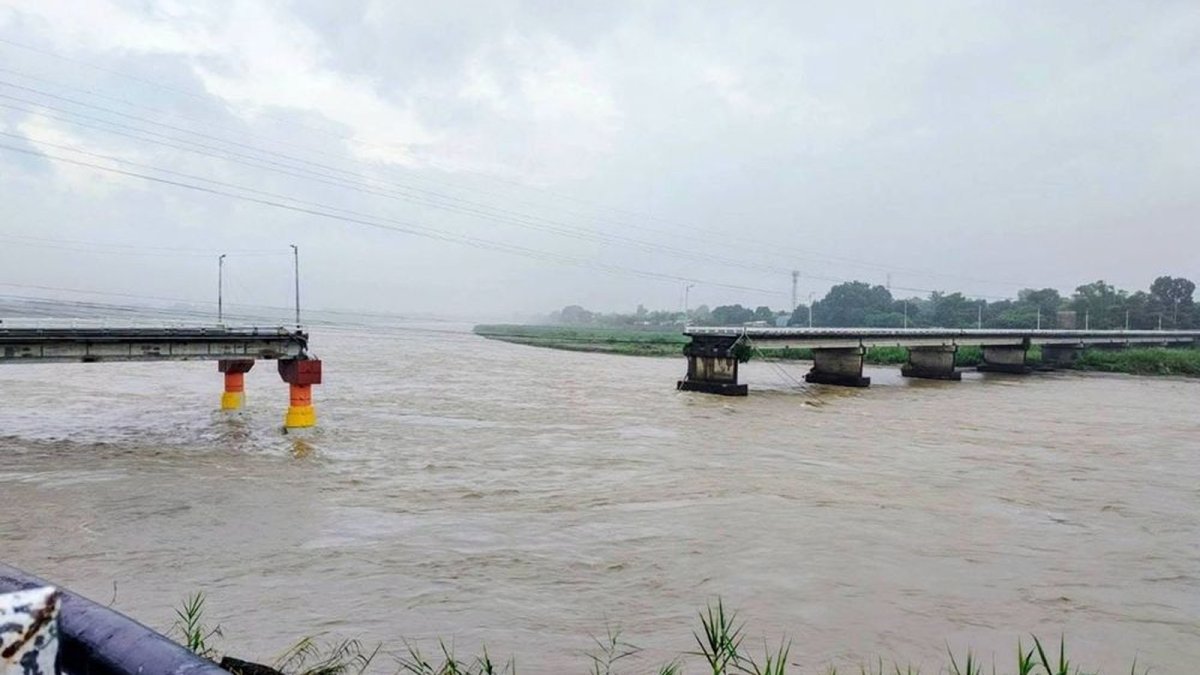
The provincial board cited severe damage to infrastructure, including portions of the Ninoy Aquino Bridge and Agana Bridge, which collapsed, rendering major thoroughfares impassable. The collapse has effectively cut off several municipalities, forcing residents to take long detours or rely on boats to cross swollen rivers. The board's resolution noted that the bad weather "significantly disrupted transportation, access to essential services, agricultural operations, and other economic undertakings."
Agricultural damage is a major concern in Tarlac, a province known for its vast rice paddies and sugarcane fields. With crops submerged in floodwaters, farmers face the prospect of losing their entire harvest for the season. The state of calamity allows the provincial government to fast-track relief operations and repairs using calamity funds, which can be released without the usual bureaucratic delays. It also enables price controls on basic commodities and allows for the tapping of emergency funds for immediate response.
Local Government Units Issue Additional Suspensions
Beyond the 15 provinces covered by the Palace directive, several local government units have made additional announcements to protect their constituents. In Rizal, the municipality of Montalban (Rodriguez) suspended classes and work in both public and private sectors. In Bulacan, the towns of Calumpit and Marilao, along with Malolos City, followed suit. These areas have been particularly vulnerable to flooding due to their proximity to major river systems.
In Pampanga, the municipalities of Bacolor, Guagua, Santa Rita, and Santa Ana announced suspensions, recognizing the persistent flood risk in the province's low-lying areas. Meanwhile, in Tarlac, the provincial government went a step further by suspending face-to-face classes until Saturday, September 5, including in the town of Camiling. This extended suspension reflects the severity of the situation on the ground, where many schools are still submerged or being used as evacuation centers.
These local decisions highlight a growing trend in Philippine disaster management: LGUs taking proactive measures even before national directives are issued. This decentralized approach, while sometimes criticized for inconsistency, allows communities to respond to their specific needs and circumstances. For parents, however, the extended suspensions create a childcare dilemma, forcing many to choose between going to work and staying home to supervise their children.
PAGASA Forecast: More Rain Expected, Pilandok to Exit PAR
The state weather bureau PAGASA, in its 4 p.m. bulletin on Monday, August 31, warned that the Southwest Monsoon will continue to affect weather conditions in Luzon and the western section of Visayas on Tuesday. Monsoon rains are expected over the Ilocos Region, Abra, and Benguet, while occasional rains are forecast over the rest of the Cordillera Administrative Region, Batanes, Nueva Vizcaya, Bataan, Zambales, Tarlac, Pampanga, and Nueva Ecija.
Metro Manila, CALABARZON, the rest of Cagayan Valley, the rest of Central Luzon, Occidental Mindoro, Oriental Mindoro, Marinduque, Romblon, Aklan, and Antique can expect cloudy skies with scattered rains and thunderstorms. This means that even areas not under the suspension order should remain vigilant, as sudden downpours can trigger flash floods in urban areas where drainage systems are often overwhelmed.
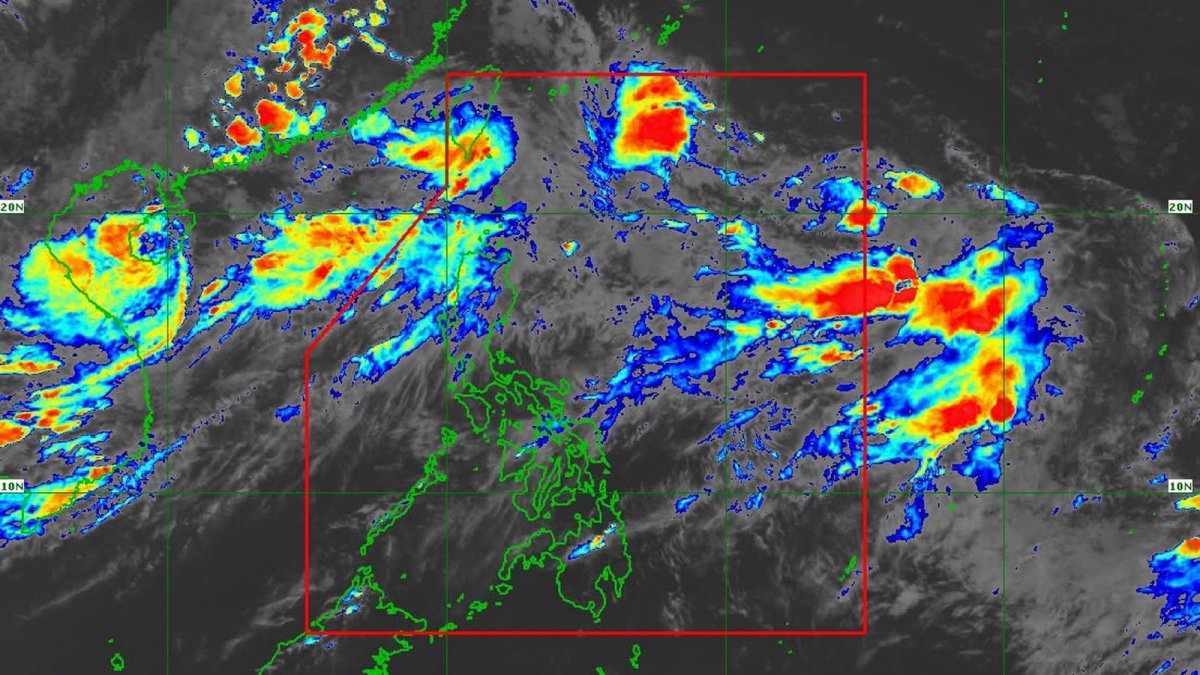
In a slight reprieve, Tropical Depression Pilandok will NOT directly affect the Philippines. PAGASA said the cyclone is forecast to intensify into a tropical storm on Tuesday while remaining far east of Northern Luzon, and is expected to exit the Philippine Area of Responsibility by Wednesday afternoon or evening. However, the weather bureau is monitoring two more cyclones that could potentially enter the PAR in the coming days, a reminder that the rainy season is far from over.
The Broader Context: A Region Already Reeling from Weeks of Rain
This latest suspension comes on the heels of weeks of devastating Habagat-induced flooding that has affected approximately 8.1 million Filipinos across the country. In Metro Manila, red rainfall warnings triggered mass evacuations, and the La Mesa Dam spilled over, forcing residents in downstream communities to flee their homes. The health crisis has also worsened, with leptospirosis deaths in Manila climbing to 23 as floodwaters contaminated communities and residents waded through dirty water without proper protection.
The education sector has been hit particularly hard. The Department of Education (DepEd) estimates that over P5 billion is needed to rebuild storm-hit classrooms, many of which were damaged or destroyed by the floods. With face-to-face classes suspended in 15 provinces, the learning continuity plan is being tested like never before. Teachers, many of whom are also flood victims, are being asked to prepare modular learning materials while dealing with their own personal losses.
The economic impact is staggering. The National Disaster Risk Reduction and Management Council (NDRRMC) has been coordinating relief efforts, but the scale of the disaster has stretched resources thin. In agricultural provinces like Tarlac, Pangasinan, and Nueva Ecija, the rice bowl of the Philippines, the damage to crops could lead to rice shortages and price increases in the coming months, affecting every Filipino family's food budget.
What This Means for Filipino Families and Communities
For the average Filipino family, the work and class suspension is a double-edged sword. On one hand, it keeps people safe from the dangers of flooding, landslides, and electrocution from downed power lines. On the other hand, it means lost income for daily wage earners and added expenses for families who must now buy food and supplies to last through the suspension period. In many affected towns, sari-sari store owners have seen residents stocking up on essentials, and with farm-to-market roads disrupted, prices of vegetables and fish could climb in the coming days.
The suspension also highlights the digital divide in the Philippines. While some students can seamlessly transition to online classes, many in rural areas like Mountain Province or Apayao lack reliable internet access. For these students, "alternative learning arrangements" often mean self-study modules that require parental supervision — a luxury for families where both parents work as OFWs or in urban centers. Teachers and parents alike are now waiting for clear guidance on how learning continuity will work through the suspension period.
For overseas Filipino workers (OFWs) with families in the affected provinces, the news brings anxiety. Many OFWs are the primary breadwinners for their families back home, and they worry about the safety of their loved ones and the security of their properties. For those who can, sending extra remittances for emergency needs becomes a priority during weather emergencies like this.
Government Response and the Road to Recovery
The national government has mobilized its disaster response machinery. The National Disaster Risk Reduction and Management Council (NDRRMC) has been coordinating relief efforts, with agencies such as the Department of Social Welfare and Development, the Department of Health, and the Department of Public Works and Highways playing key roles in food distribution, disease prevention, and the repair of damaged roads and bridges. However, the collapse of the Ninoy Aquino Bridge and Agana Bridge in Tarlac presents a significant engineering challenge that will take time to resolve.
The declaration of a state of calamity in Tarlac is a crucial step, as it unlocks the use of the province's calamity fund for immediate relief and rehabilitation. It also allows the provincial government to impose price controls on basic necessities, preventing unscrupulous traders from profiting from the disaster. Governor Yap has assured residents that the provincial government is doing everything in its power to restore normalcy, but he also appealed for patience as the full extent of the damage is still being assessed.
As the Philippines enters the Christmas season — a time traditionally marked by joy, family gatherings, and the spirit of bayanihan — the Habagat has cast a somber shadow. But it has also brought out the resilience of the Filipino people. In evacuation centers, communities are sharing food and resources. In flooded barangays, volunteers are conducting rescue operations. In schools, teachers are preparing modules even as their own homes are underwater. This is the true spirit of the Philippines — not just surviving the storm, but helping each other through it.
The coming days will be critical. With PAGASA monitoring two more cyclones and the Southwest Monsoon showing no signs of letting up, the threat of further flooding remains. For now, the priority is clear: keep people safe, provide relief to those in need, and begin the long process of rebuilding. The suspensions on September 1 are a necessary measure, but they are just the beginning of what will be a long recovery for the millions of Filipinos affected by this relentless Habagat.
By Bella Reyes, Staff Writer
This article was produced with AI-assisted research and editorial support. Reporting is based on sources cited in the article.
What's Your Reaction?
 Like
0
Like
0
 Dislike
0
Dislike
0
 Love
0
Love
0
 Funny
0
Funny
0
 Wow
0
Wow
0
 Sad
0
Sad
0
 Angry
0
Angry
0

Philippines/Southeast Asia Correspondent at Global1.News. Manila-based journalist covering Philippine politics, environment, maritime security, and social issues. Passionate about marine conservation and the communities protecting the Philippines' natural heritage.














Comments (0)