
US-Venezuela Oil Deal Stirs Fury Over 'New Colonialism'
US-Venezuela oil deal grants 100-year concessions on 65 billion barrels, sparking fury from opposition and Chavismo loyalists over colonial echoes, sovereignty, and unanswered questions about money management and production recovery timelines.
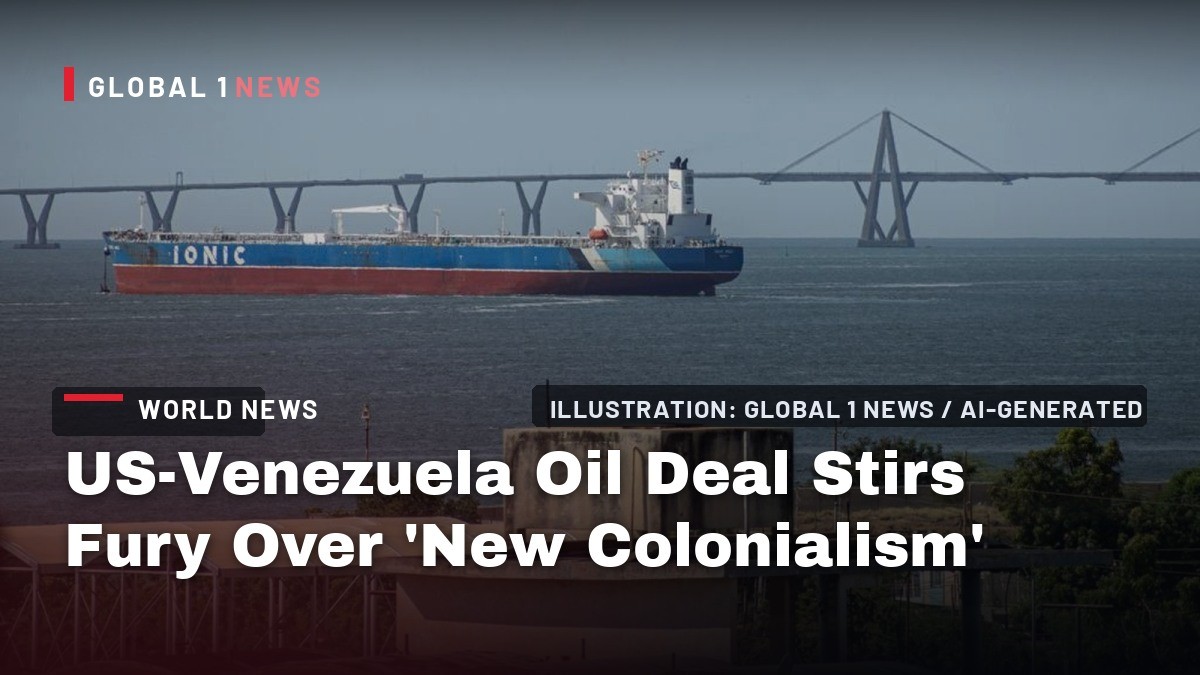
The United States has long coveted Venezuela's oil. For over a century, the relationship between Washington and Caracas has been defined by crude, from the early days of Standard Oil to the Bolivarian Revolution's nationalizations. This week, a new chapter was written with the signing of a sweeping bilateral oil agreement, a pact that has left analysts puzzled and ignited a firestorm of criticism from both the Venezuelan opposition and the socialist base that once rallied against American imperialism. The deal, which grants a US-led company century-long concessions over vast oilfields, represents a dramatic geopolitical pivot that echoes the region's colonial past even as it promises a future of energy independence for the West.
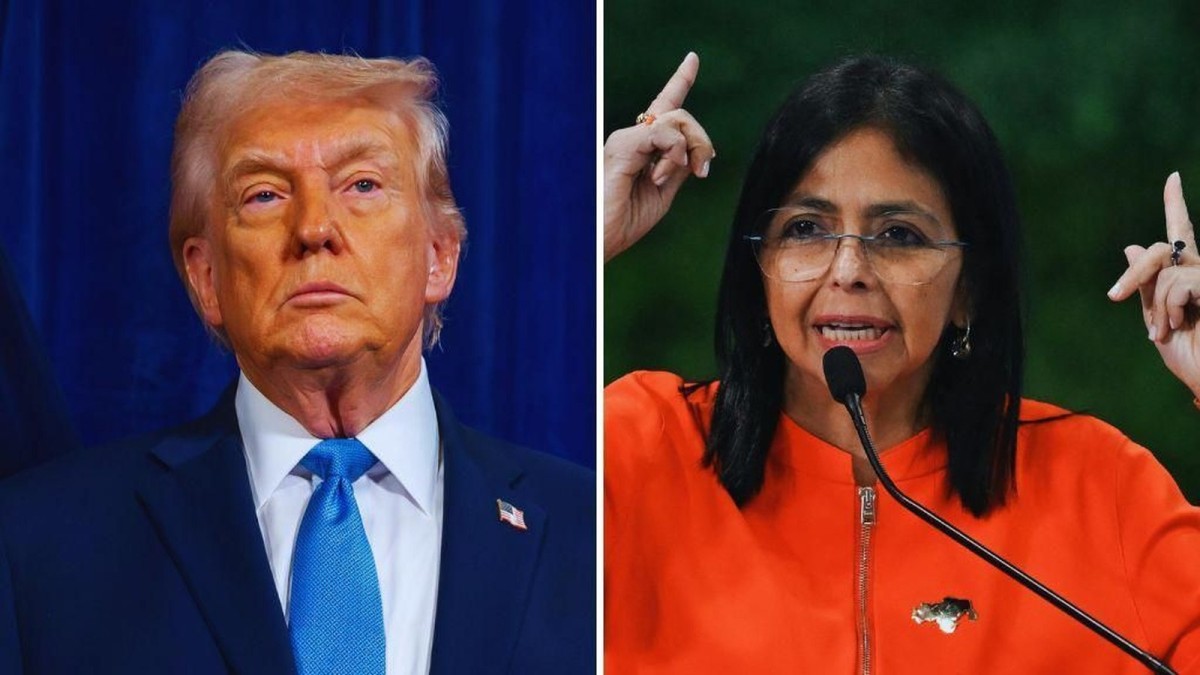
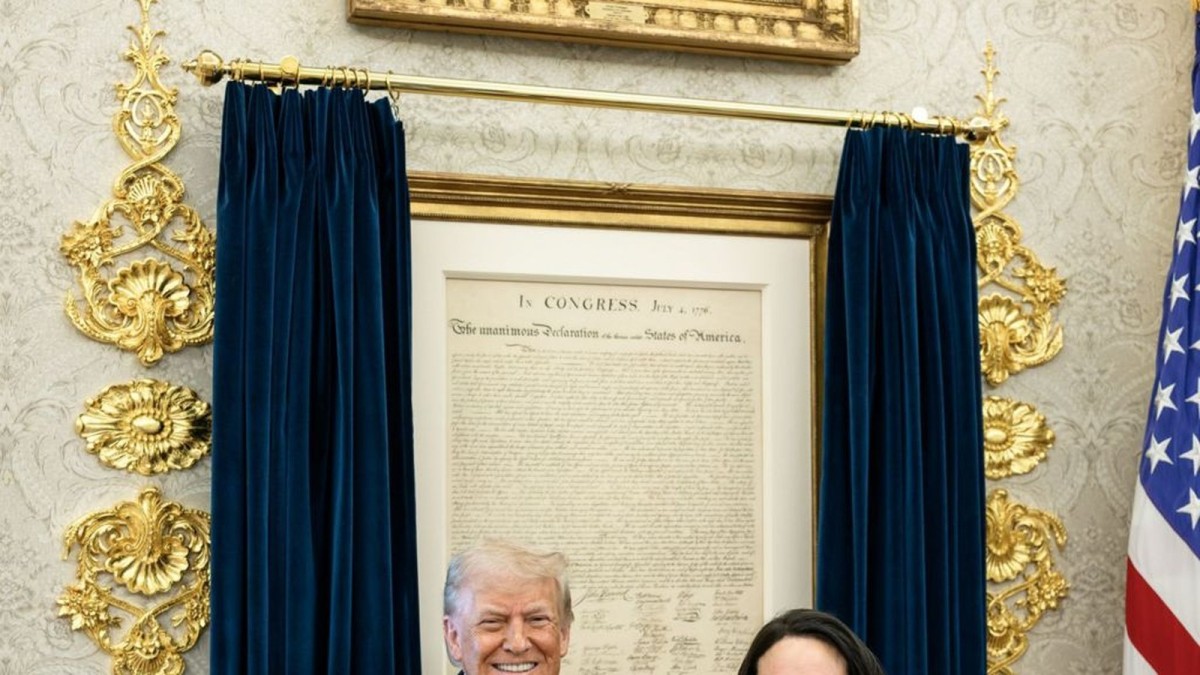
São Paulo, Brazil — The agreement, signed in Caracas on Wednesday, is being hailed by President Donald Trump as "the biggest oil deal in world history," while Venezuela's interim President, Delcy Rodriguez, calls it "historic." But beneath the triumphant rhetoric lies a complex and controversial arrangement that raises profound questions about sovereignty, economic recovery, and the true nature of the alliance between Washington and the regime it once sought to topple. The deal's terms, its colonial echoes, and the furious reactions from all sides paint a picture of a hemisphere at a crossroads, where the promise of petrodollars clashes with the ghosts of past interventions.
A Concession of Historic Proportions
The core of the agreement grants a US-led company 100-year concessions over 17 oilfields in Venezuela, amounting to a staggering 65 billion barrels of crude. This figure represents more than a fifth of the country's proven oil reserves, a transfer of national patrimony on a scale never before seen in the region. The White House released a fact sheet on Tuesday outlining the framework, which stipulates that the US government will work alongside a private Venezuelan business called North American Blue Energy Partners (Nabep), the second largest private oil producer in the country after Chevron.
The structure of the partnership is as unusual as its scale. The US government will have "veto power over the appointment of any member of the board of directors," and a majority of Nabep's board must be US citizens. This level of direct oversight places Washington in an operational role within a foreign nation's key industry, a detail that has not been lost on critics who see it as a formalized extension of American power. Both governments insist the plan will benefit their respective nations, with Rodriguez claiming it will generate $100bn in investment and more than $200bn in tax revenue.
Colonial Echoes and the Monroe Doctrine
The ideological framing of the deal has been as striking as its financial terms. The White House has explicitly stated that the agreement has "re-established the Monroe Doctrine," a 19th-century principle asserting US dominance over the Western Hemisphere. The language of "purging foreign malign influence from our backyard" is a direct throwback to an era when Latin America was treated as a sphere of influence for Washington's strategic and economic interests, a phrase that resonates deeply with the region's history of interventions and resource extraction.
This framing has drawn sharp rebukes from those who see the deal as a new form of colonialism. Elliott Abrams, Trump's former special representative on Venezuela and Iran, was blunt in his assessment, calling the terms a "kind of fever dream of what colonialism looks like." Abrams, who has been a hawkish voice on Venezuela for decades, argued that while there is a logic to the partnership given the unreliability of Gulf oil supplies, the one-sided nature of the agreement is a profound giveaway of national assets.
Fury from the Opposition and Chavismo
The reaction within Venezuela has been one of betrayal from both ends of the political spectrum. The opposition, which had hoped for US support in restoring democratic order, is infuriated by Washington's pivot to working with Delcy Rodriguez, whom they accuse of heading the same regime as Nicolas Maduro. The Trump administration had previously decried Maduro's government as a corrupt drug cartel and surrounded the country with a massive naval armada, making the speed of the diplomatic and economic reversal all the more jarring.
While presidential hopeful Maria Corina Machado may temper her public criticism of President Trump, whose support she needs, others have been more vocal. Venezuelan economist Ricardo Hausmann directed his ire at US Secretary of State Marco Rubio on social media, accusing him of choosing "to use the power of the United States not to liberate Venezuelans, but to ally yourself with our oppressors." Hausmann condemned the deal as an "unconstitutional agreement with an illegitimate and oppressive government," arguing that Washington should have first worked to restore constitutional order and democracy.
Socialist Capitulation and Historical Memory
On the other side, many within the governing socialist party, PSUV, and the broader Chavismo movement see the deal as a profound capitulation. After nearly three decades of opposing Washington's influence, they feel Rodriguez has gifted the country's most valuable asset to the old enemy. Rafael Ramirez, who served as the head of the state-run energy firm PDVSA and as oil minister under Hugo Chavez, said the deal "hands over [the oil] and opens the doors to a new colonialism of the United States."
The echoes of history are powerful. In early 2008, Chavez presented his Sunday television program from former ExxonMobil oilfields in the Orinoco River Belt, having expropriated the company's assets. In a defiant mood, he declared, "We have the reins in our hands and we won't ever let them go again," denouncing how previous Washington-friendly governments had turned Venezuela into "a nation of gringos." The fact that it is one of his disciples, the successor to his handpicked successor, who has now signed this opaque deal with Washington is a bitter irony for the movement's loyalists.
The Hard Questions of Money and Recovery
Beyond the ideological battles, the deal faces significant practical hurdles. The proposed timeframe for profitability is a major point of contention. President Trump has suggested the agreement will generate profit within two or three years, but energy experts warn that the dire state of Venezuela's oil sector makes a decade a more realistic target. Luis Pacheco of the Baker Institute at Rice University in Houston told BBC Mundo that Venezuela needs to invest about $100bn over eight years just to return to its oil production levels of 30 years ago.
The question of who will manage the vast sums of money generated is equally pressing. "It's important to know who will manage those resources and for what purpose," Pacheco said, asking whether the same people who "squandered the biggest oil boom of the century" will be put in charge of the new revenue. The lack of a clear plan for an election in Venezuela, or any roadmap towards democratic restoration, strikes many opponents as a fundamental betrayal of the principles that the US had previously claimed to champion in the region.
A Geopolitical Pivot with Unanswered Questions
Secretary of the Interior Doug Burgum has framed the pact as "shifting the geopolitical centre of the global energy markets" away from the "choke points in the Middle East" and back to the Western Hemisphere. With the ongoing US war with Iran increasing prices at the petrol pumps, a boost in oil production outside of the Middle East could indeed affect consumers. This strategic logic is clear, but it comes at a cost of legitimizing a government that Washington had previously isolated.
The deal is riddled with pitfalls and unanswered questions. The opacity of the agreement, the speed of the political pivot, and the sheer scale of the concession have created a volatile mix of hope and resentment. For Latin America, the deal serves as a stark reminder that the region's vast natural resources remain a magnet for great power politics. Whether this pact will lead to a genuine recovery for Venezuela's crippled economy or become another chapter in the long, troubled history of foreign intervention in the region remains to be seen, but the fury it has unleashed on all sides suggests the path forward will be anything but smooth.
This article was produced with AI-assisted research and editorial support. Sources: BBC News.
By Elena Vasquez, Staff Writer
What's Your Reaction?
 Like
0
Like
0
 Dislike
0
Dislike
0
 Love
0
Love
0
 Funny
0
Funny
0
 Wow
0
Wow
0
 Sad
0
Sad
0
 Angry
0
Angry
0

Latin America Correspondent at Global1.News. Based in Mexico City, covering politics, economics, energy, and culture across the region. Brings an on-the-ground perspective to stories spanning from the Rio Grande to Patagonia.












Comments (0)