
Bauchi CP charges officers on neutrality ahead of 2027 elections, decorates 86
In the quiet corridors of Bauchi State Police Command, a decisive tone echoed on 20 November 2026 as Commissioner of Police Sani‑Omolori Aliyu addressed senior officers ahead of the nation’s 2027 general elections.
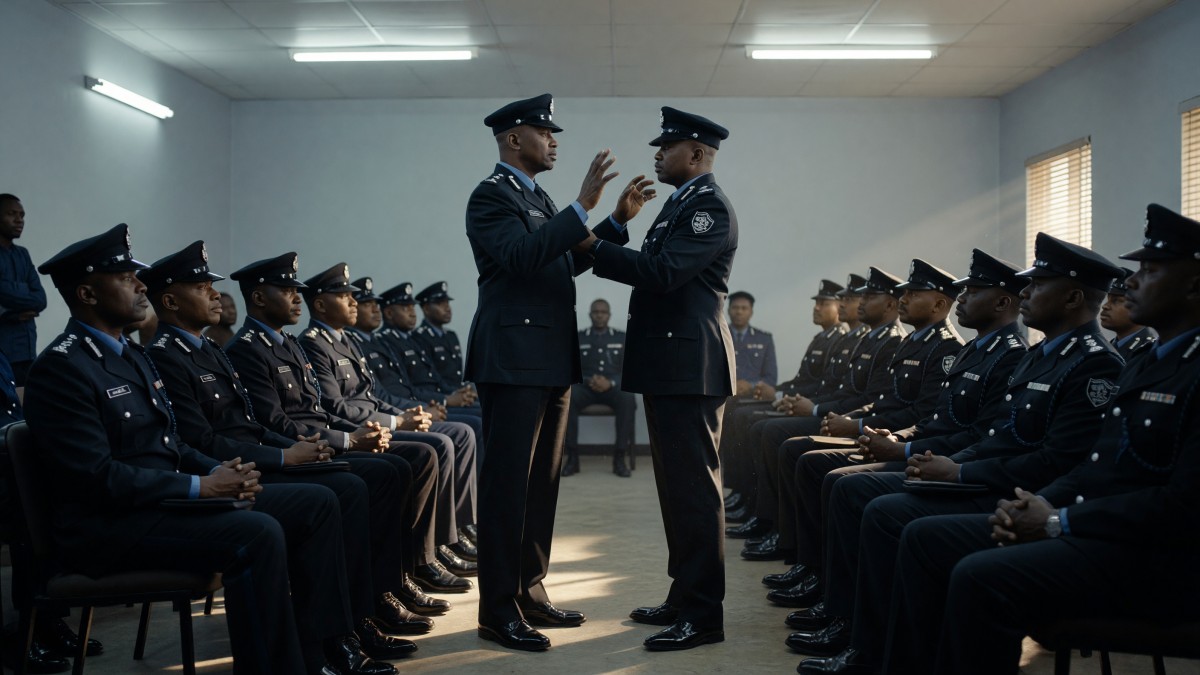
In the quiet corridors of Bauchi State Police Command, a decisive tone echoed on 20 November 2026 as Commissioner of Police Sani‑Omolori Aliyu addressed senior officers ahead of the nation’s 2027 general elections. The one‑day strategic conference, convened to review security operations and assess election preparedness, became a platform not only for operational planning but also for a clear moral directive: police officers must remain neutral, professional and accountable as the country moves toward a pivotal democratic exercise.
Setting the Stage: A Strategic Conference for Election Security
The gathering, described in the Daily Post Nigeria, brought together senior police leadership from across Bauchi State for a focused review of existing security challenges. Participants examined the current state of police service delivery, identifying gaps that could jeopardise the safety of voters and the integrity of the electoral process. By aligning the command’s operational priorities with the broader objectives of the Inspector‑General of Police, Olatunji Disu, the conference underscored the importance of a coordinated approach to election security.
Aliyu emphasized that the conference was part of the IGP’s ongoing strategic engagement with senior officers, a series of dialogues aimed at sharpening operational effectiveness. The discussions were not limited to tactical considerations; they also explored emerging threats that could arise in the volatile pre‑election environment, ranging from communal tensions to potential attempts at electoral fraud. This holistic review set the tone for the commissioner’s subsequent exhortations on neutrality and accountability.
Neutrality as a Pillar of Democratic Integrity
At the heart of Aliyu’s address was a stark warning against partisan involvement. He reminded officers that the credibility of the police force hinges on its impartiality, especially during election periods when political rivalries can inflame tensions. By urging officers to “remain neutral, professional and accountable,” the commissioner placed the principle of impartiality as a non‑negotiable pillar of democratic integrity.
Such a directive carries weight in a country where past elections have sometimes been marred by allegations of bias and intimidation. Aliyu’s call for neutrality is therefore both a preventive measure and a reaffirmation of the police’s constitutional role as an apolitical guardian of public order. The emphasis on integrity also signals a broader expectation that officers will resist any pressure to align with political actors, preserving public trust in the law‑enforcement institution.
Strengthening Community Relations: A Two‑Way Trust
Beyond the political dimension, Aliyu directed Divisional Police Officers to deepen community engagement. He urged them to “create an environment that would make members of the public feel closer to the police,” a call that reflects a growing recognition across Africa that community policing is essential for sustainable security. By fostering closer ties, police can gain valuable intelligence, mitigate misunderstandings, and build a collaborative atmosphere that deters crime and violence.
This focus on community relations is particularly pertinent in Bauchi State, where diverse ethnic and religious groups coexist. Strengthening these bonds can help pre‑empt communal clashes that often flare up around elections. The commissioner’s instruction therefore serves a dual purpose: enhancing public confidence while also creating a grassroots safety net that supports the broader goal of peaceful voting.
Accountability Mechanisms: Revamping the Complaint Response Unit
Aliyu did not stop at exhorting moral conduct; he also outlined concrete steps to bolster accountability within the command. He announced a strengthening of the Complaint Response Unit, tasked with ensuring that grievances against police personnel are addressed promptly and that human rights are protected. This move signals a commitment to internal oversight, a critical factor in reducing misconduct and building legitimacy.
By reinforcing this unit, the Bauchi command aligns with national and continental trends toward greater police accountability. The emphasis on human‑rights protection reflects an awareness of the scrutiny that African security forces face from both domestic civil society and international observers. A robust complaint mechanism can serve as an early warning system for potential abuses, allowing corrective action before incidents erode public trust.
Recognition and Responsibility: Decorating 86 Senior Officers
In a ceremony interwoven with the strategic conference, Aliyu took the opportunity to decorate 86 senior officers with new ranks, acknowledging their promotions and the responsibilities that accompany higher positions. Among the honorees were Divisional Police Officer in Duguri, Aminu Alhaji Buba, elevated to Chief Superintendent of Police, and Officer in Charge of Records, Lemsu Kidah, promoted to Deputy Superintendent of Police.
The public recognition of these officers serves multiple functions. It rewards merit and encourages a culture of excellence within the force, while also publicly linking the promotion process to the expectations of professionalism and discipline. By highlighting that “their new ranks came with greater responsibilities,” Aliyu reinforced the message that advancement is contingent upon upholding the values he espoused—neutrality, accountability, and community service.
Linking Leadership to National Security Objectives
Aliyu’s address also referenced the confidence placed in Bauchi’s police by the Inspector‑General, Olatunji Disu. By urging officers to “protect the integrity of the police force and justify the confidence reposed in them,” the commissioner connected local performance to national security objectives. This linkage underscores a hierarchical accountability structure where state commands are expected to align with federal security strategies, especially during election periods that are nationally sensitive.
The emphasis on integrity resonates beyond Bauchi, reflecting a broader Nigerian effort to professionalize the police service. As the nation prepares for the 2027 elections, the performance of state commands like Bauchi will be closely watched as indicators of the overall health of the electoral security framework. Aliyu’s call for disciplined conduct, therefore, is both a local directive and a contribution to national stability.
Implications for the 2027 Elections and Beyond
The strategic conference and its outcomes have clear implications for the upcoming 2027 general elections. By reinforcing neutrality, strengthening community ties, and enhancing accountability mechanisms, Bauchi State Police are positioning themselves to mitigate the risks that historically accompany Nigerian elections—political violence, voter intimidation, and allegations of bias.
Moreover, the decoration of senior officers signals a rejuvenated leadership cadre that is expected to model the standards set by the commissioner. As these newly promoted officers assume greater command responsibilities, their actions will be pivotal in translating policy directives into on‑the‑ground reality. Their ability to foster impartiality, engage communities, and respond to complaints will directly influence the public’s perception of the police during the electoral cycle.
In the broader West African context, Bauchi’s approach mirrors a continental shift toward security sector reforms that prioritize civilian oversight and human‑rights compliance. By aligning its internal reforms with these trends, the state command not only prepares for a smoother election but also contributes to a narrative of progressive policing across the region. The success of these initiatives will be measured in the days of voting, when the true test of neutrality and professionalism will unfold.
This article was produced with AI-assisted research and editorial support. Reporting is based on the source material cited below. Sources: Daily Post Nigeria; dailypost.ng; Global1.News (20 November 2026).
By Sarah Okafor, Staff Writer
What's Your Reaction?
 Like
0
 Dislike
0
 Love
0
 Funny
0
 Wow
0
 Sad
0
 Angry
0

Africa Correspondent at Global1.News. Based in Lagos, covering politics, business, technology, and culture across the continent. Focused on telling African stories beyond the headlines — the innovation, entrepreneurs, and communities shaping the region's future.













Comments (0)