
US-Mexico Ties: Security Cooperation vs Trade Friction
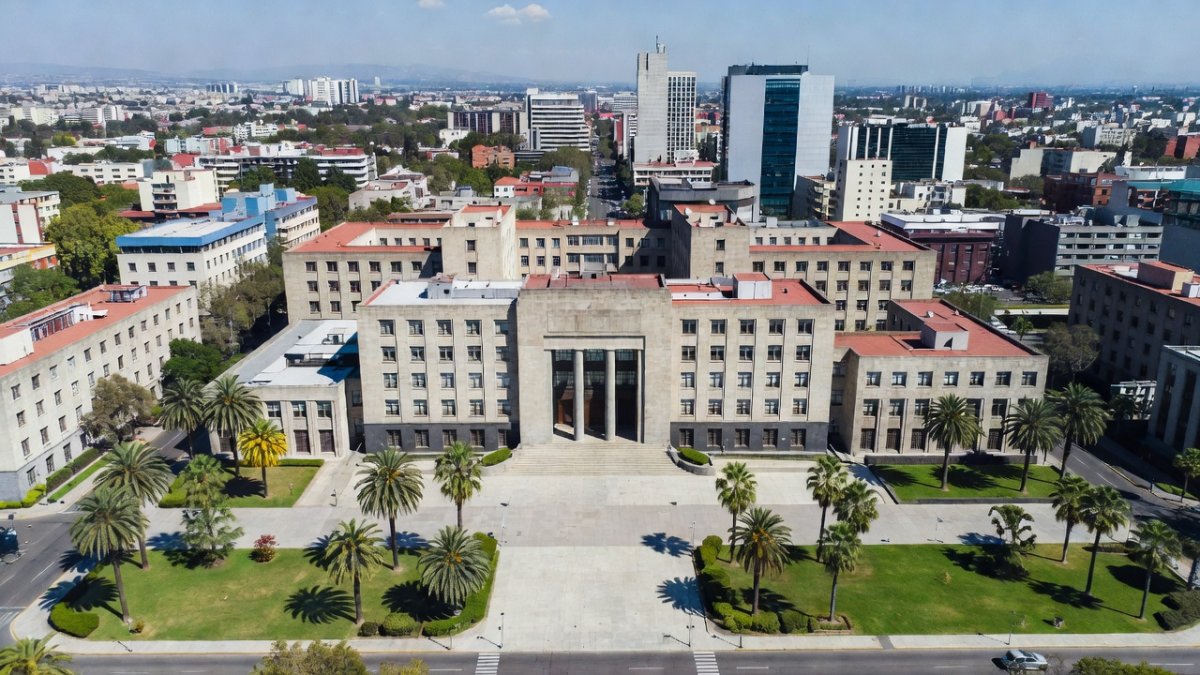
A Week of Two Tracks: Security Handshakes and Trade Headwinds This week in Mexico offered a vivid snapshot of the complicated, two-track relationship our country maintains with the United States. On one hand, the week of August 17-22, 2026, saw remarkable security cooperation, including a new drone agreement between Mexico's Defense Ministry (SEDENA) and the U.S. Army, along with the swift return of two fugitives wanted by American authorities.
A Week of Two Tracks: Security Handshakes and Trade Headwinds
This week in Mexico offered a vivid snapshot of the complicated, two-track relationship our country maintains with the United States. On one hand, the week of August 17-22, 2026, saw remarkable security cooperation, including a new drone agreement between Mexico's Defense Ministry (SEDENA) and the U.S. Army, along with the swift return of two fugitives wanted by American authorities. On the other hand, the U.S. Department of Commerce announced preliminary anti-dumping duties on Mexican strawberries, a move that has farmers in our fields worried about their livelihoods. For families in colonias from Tijuana to Mérida, these headlines might seem distant from the daily realities of the tortillería or the tianguis. But they are not. The peso strengthening below 17 to the dollar means cheaper imports and more purchasing power for some, yet it also pressures our exporters. The security cooperation speaks to the ongoing fight against organized crime that touches every community, especially in states like Sinaloa. And the trade friction on strawberries directly impacts thousands of campesinos in Guanajuato, Baja California, and Michoacán who depend on the winter export season. The central reality is that Mexico and the United States are navigating a period of intense interdependence, where cooperation and conflict exist side by side. As President Claudia Sheinbaum's administration works to define its own path, the relationship with our northern neighbor remains a delicate balancing act. This week demonstrated that while the two governments can shake hands on security matters, they are also prepared to wield trade remedies that cut deep into our agricultural economy.The Drone Pact: Capability Access, Not a Military Alliance
On August 11, 2026, in Mexico City, SEDENA and the U.S. Army signed a non-binding "Statement of Intent" that allows Mexico to purchase drones and counter-drone systems at competitive costs. This is a handshake-style promise, not a treaty or a sales contract. No drones have been purchased yet, and the agreement does not commit either side to any specific transaction. Analysts have been careful to describe this as capability access rather than a military alliance, a distinction that matters for Mexican sovereignty. For ordinary Mexicans, the practical implication is about the fight against organized crime. Drones have become a tool of both surveillance and attack for criminal groups, and having access to counter-drone technology could help protect communities in violence-plagued regions. The agreement is designed to give SEDENA more options at better prices, potentially leveling the playing field against well-armed cartels. However, the non-binding nature means that actual procurement could take months or years, and the promise could easily stall amid broader political tensions. The timing is notable. This security cooperation is proceeding even as trade friction escalates, suggesting that both governments see value in compartmentalizing their relationship. For the Sheinbaum administration, the drone pact offers a way to demonstrate tangible security gains without entering into a formal military alliance that would be politically sensitive at home. For the United States, it is a low-cost way to support Mexico's internal security efforts while maintaining pressure on other fronts, such as trade and immigration.Fugitive Returns: Steady Security Cooperation in Action
Over the past week, Mexican authorities arrested and deported to the United States one of Texas' 10 Most Wanted fugitives and a person accused of second-degree murder in California. These actions are part of a steady drumbeat of security announcements between the two countries, reinforcing that law enforcement cooperation remains functional even when other aspects of the bilateral relationship are strained. For Mexican families, this cooperation has a dual meaning. On one hand, it demonstrates that our authorities are serious about combating transnational crime, which often originates in or passes through Mexican territory. On the other hand, it raises questions about sovereignty and the extent to which Mexican law enforcement is acting at the behest of U.S. interests. The Sheinbaum administration has sought to frame these actions as mutual cooperation, not subservience, emphasizing that Mexico also benefits from U.S. assistance in capturing fugitives wanted here. The practical effect for communities is a reduction in the presence of dangerous individuals who may have ties to broader criminal networks. However, the announcements also serve a political purpose for both governments, allowing them to show progress on security without addressing the deeper structural issues that drive migration and crime. For now, the fugitive returns are a positive story in a week otherwise marked by trade disputes and political tensions.The Strawberry Spat: Tariffs That Hit Home
On August 18, 2026, the U.S. Department of Commerce announced its preliminary affirmative determination in the antidumping duty investigation of fresh winter strawberries from Mexico. Commerce preliminarily determined that Mexican strawberries are being sold in the United States below their "normal value," and as a result, preliminary anti-dumping duties ranging from 3.37% to 5.28% will apply to imports of the fruit. For the campesinos and agricultural workers in states like Guanajuato, Baja California, and Michoacán, this is a direct threat to their livelihoods. The winter strawberry season is a critical source of income for thousands of families, many of whom rely on export earnings to sustain their households through the year. A duty of even 3.37% can erode already thin profit margins, especially for small and medium-sized growers who lack the resources to absorb additional costs. The Mexican government has pushed back against the preliminary determination, arguing that the investigation is politically motivated and does not reflect the true market conditions. However, the preliminary nature of the ruling means that the duties could be adjusted or eliminated after further review. For now, growers are left in a state of uncertainty, unsure whether to plant for the upcoming winter season or to seek alternative markets. This is the human face of trade friction, and it is felt most acutely in rural communities that have few economic alternatives.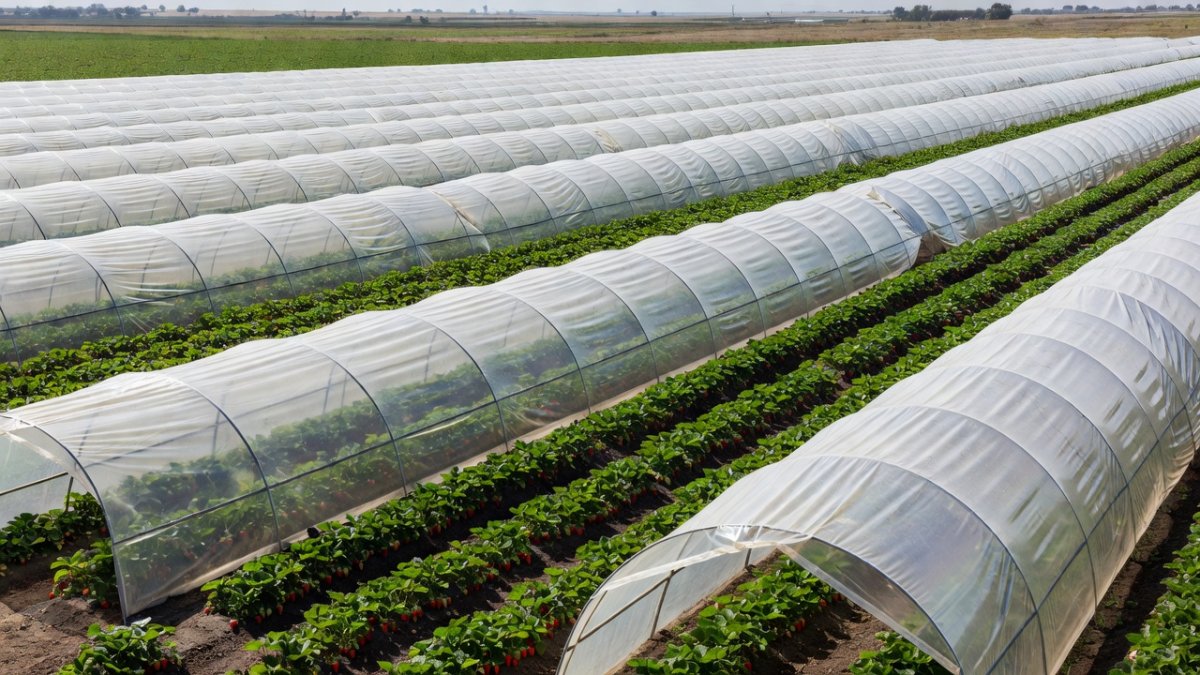
The Peso's Strength: A Double-Edged Sword
The Mexican peso continued to strengthen below 17 to the dollar during the week of August 17-22, 2026. For many Mexicans, a strong peso is a source of national pride and a sign of economic stability. It means that imported goods, from electronics to gasoline, become relatively cheaper, easing the cost of living for families in urban colonias. It also makes travel to the United States more affordable for those who can afford it. However, the strong peso is a double-edged sword. For exporters, particularly in the agricultural and manufacturing sectors, a stronger peso makes Mexican goods more expensive in international markets, reducing competitiveness. This is especially problematic for farmers already facing the new strawberry duties. For remittance-dependent families, a stronger peso means that the dollars sent home by migrant workers in the United States buy less in Mexico, effectively reducing the value of those transfers. The peso's strength is driven by a combination of factors, including high interest rates, fiscal discipline, and investor confidence in the Sheinbaum administration's economic management. But it also reflects broader global trends, including a weakening U.S. dollar. For ordinary Mexicans, the strong peso is a mixed blessing, offering relief on some fronts while creating new pressures on others. The challenge for policymakers is to manage this strength without undermining the export sectors that employ millions of workers.Sinaloa Governor's Return: Strains Within Morena and With Washington
Sinaloa Governor Rubén Rocha Moya returned to office on Friday, August 22, 2026, after taking leave for more than three months following U.S. drug trafficking charges. The U.S. Attorney's Office charged Rocha, a senator, and eight state officials with ties to the powerful Sinaloa Cartel, with charges filed around April 30, 2026. The Mexican government rejects the allegations, arguing they were filed without sufficient evidence. Rocha's return has deepened strains not only between Mexico and the United States but also within the ruling Morena party. Conflict and division have descended over Morena as Rocha went back to his post despite facing a U.S. criminal indictment. President Claudia Sheinbaum, wearing a face mask after falling ill, appeared at an event after Rocha returned to office, signaling her support for the governor while also managing her own health crisis. For the people of Sinaloa, Rocha's return is a moment of uncertainty. The state has been deeply affected by cartel violence, and the governor's legal troubles add another layer of instability. Some residents see Rocha as a victim of U.S. overreach, while others question whether he can effectively govern under the shadow of such serious allegations. The situation also complicates the bilateral relationship, as Washington is unlikely to look favorably on a governor it has indicted returning to power.Sheinbaum's Illness and a Busy Week for the Presidency
President Claudia Sheinbaum had a challenging week personally and professionally. On Friday, August 21, 2026, she suspended the mañanera and her agenda after waking with a strong flu, cough, and fever. Doctors recommended rest, and the mañanera that Friday was led by Secretaría de Gobernación (SEGOB) head Rosa Icela Rodríguez. Sheinbaum planned to resume activities on Saturday, August 22. The president's illness came at a particularly busy time, with the Sinaloa governor's return, the strawberry tariff announcement, and ongoing security cooperation all demanding her attention. Her decision to appear at an event on August 22, wearing a face mask, demonstrated her commitment to maintaining a visible presence even while recovering. For many Mexicans, seeing their president push through illness is a sign of dedication, though it also raises questions about the sustainability of such a demanding schedule. The week also brought other news, including a national debate over kids and social media, and Andy López Beltrán, son of former president Andrés Manuel López Obrador, lashing out at the Trump administration for revoking his visa. The ruling Morena party rushed to rally behind him, adding another layer of political tension to an already fraught week. Amid all this, the announcement of the Olinia Uno, a new Mexico-made electric vehicle designed for urban families, offered a positive note, with production planned to start in Summer 2027.Looking Ahead: Balancing Cooperation and Conflict
As Mexico looks ahead, the central challenge is managing a relationship with the United States that is simultaneously cooperative and contentious. The drone pact and fugitive returns show that security cooperation can proceed even amid trade disputes. The strawberry tariffs and the Sinaloa governor's situation demonstrate that friction is never far from the surface. For ordinary Mexicans, the outcome of these dynamics will shape everything from the price of strawberries to the safety of their communities. The Sheinbaum administration has sought to navigate this complexity by emphasizing Mexican sovereignty while maintaining practical engagement with Washington. The strong peso provides some economic cushion, but it also creates pressures that cannot be ignored. For farmers, workers, and families across the country, the hope is that their leaders can find a path that protects Mexican interests without sacrificing the benefits of cooperation. This week's events are a reminder that the U.S.-Mexico relationship is not a single story but a collection of overlapping narratives, each with its own winners and losers. The task for Mexico is to ensure that, in the balancing act between security and trade, cooperation and conflict, the needs of ordinary people remain at the center.Tags: US-Mexico relations, drone pact, SEDENA, strawberry tariffs, antidumping, peso strength, Sinaloa governor, Rocha Moya, Sheinbaum, Olinia Uno, trade friction, security cooperation, Morena, Claudia Sheinbaum
By Rosa Martinez, Staff Writer
This article was produced with AI-assisted research and editorial support. Reporting is based on sources cited in the article.
What's Your Reaction?
 Like
0
Like
0
 Dislike
0
Dislike
0
 Love
0
Love
0
 Funny
0
Funny
0
 Wow
0
Wow
0
 Sad
0
Sad
0
 Angry
0
Angry
0

Rosa Martinez
Latin America/Andes Correspondent at Global1.News. Based in Bogota, covering politics, environment, energy, and social movements across the Andean region. Passionate about environmental journalism and communities protecting their land.















Comments (0)