
Unemployment Rate Rises to 4.9 Percent in June as Labor Force Expands
Unemployment hit 4.9% in June 2026 with 2.59 million jobless as the labor force grew faster than jobs. Employment rose to 50.66 million but underemployment affected 6.11 million. Services led gains while trade and construction declined. The data shows mixed signals for Filipino workers and families.
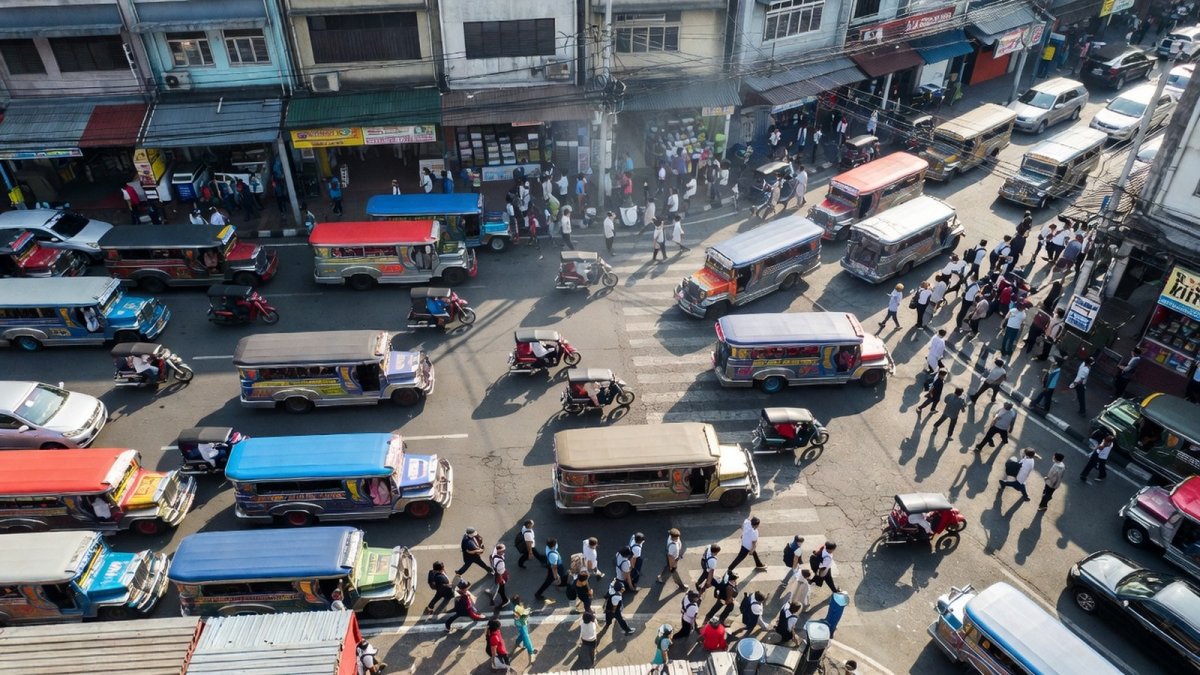
Unemployment Rate Edges Up to 4.9 Percent in June
The Philippine Statistics Authority reported Thursday that the unemployment rate climbed to 4.9 percent in June 2026, with 2.59 million Filipinos jobless. This marked an increase from 4.8 percent in May and 3.7 percent in June 2025, when 1.95 million were unemployed. The labor force grew to 53.25 million from 52.13 million in May and 52.42 million a year earlier, pushing the labor force participation rate to 65.1 percent from 63.8 percent in May.
Employed Filipinos reached 50.66 million, up from 49.63 million in May and 50.47 million in June 2025. National Statistician Dennis Mapa presented the figures in a press conference, noting that the labor force expansion outpaced job creation.
Why Joblessness Rose Even as Employment Grew
The rise in unemployment occurred because more Filipinos entered the labor market than new jobs were created. The labor force added over 1.1 million people from May alone, reflecting renewed confidence among workers to seek employment. This pattern often appears when families in provinces send members to urban centers or when overseas Filipino workers return and reenter the local market.
Services remained the dominant employer at 62.7 percent of total jobs, followed by agriculture at 20 percent and industry at 17.3 percent. Wage and salary workers made up 64.1 percent of the employed, while self-employed individuals without paid workers accounted for 26.9 percent. Unpaid family workers represented 7.4 percent, and employers in family businesses stood at 1.6 percent.
More young people are stepping into the workforce this year, including recent K to 12 graduates who finished their studies and began looking for their first roles. Many women who paused careers for family duties are also returning, drawn by new openings in growing areas. Seasonal workers from rural provinces and returning OFWs add to the numbers as they register with local offices to find steady income.
A larger labor force signals strength in a country where nearly half the population is under 30. It shows families feel hopeful enough to send members out for jobs rather than stay on the sidelines. Yet first-time seekers count as unemployed while they search, which can lift the rate even when overall hiring continues.
This pattern reflects the Philippines' youthful makeup, where each new batch of graduates and reentrants tests the market's ability to absorb them quickly. Communities notice the shift when more neighbors head to job fairs or online listings in the months after graduation season.
Underemployment Affects 6.11 Million Workers Seeking More Hours
Underemployment eased slightly to 12.1 percent from 12.2 percent in May, yet it stayed above the 11.4 percent recorded in June 2025. This left 6.11 million employed Filipinos wanting additional work or longer hours. Workers averaged 40.6 hours per week, a figure that highlights how many still struggle to secure full-time stability.
For jeepney drivers and sari-sari store owners in barangays, underemployment means stretching limited earnings across household needs. Many combine part-time gigs with family support, relying on bayanihan networks during lean months before the Pasko season.
Unemployment means no job at all, while underemployment hits those already working but unable to get enough hours or pay to cover household needs. Families feel this when a parent holds one role yet still hunts for evening shifts or weekend gigs to stretch the budget. The gap shows up in daily choices like skipping meals or delaying school payments.
Wage and salary workers often face fixed contracts that limit overtime, pushing them toward side selling online or extra tricycle runs after regular shifts. Self-employed vendors and unpaid family helpers in small stores juggle irregular income that rarely matches full-time stability. Quality of work becomes the real issue when these arrangements leave little room for savings or rest.
Many households combine several part-time tasks across barangays, relying on neighbors to watch children during split schedules. This mix keeps food on the table but leaves workers tired and uncertain about long-term security.
Job Gains in Services Sectors Offset Losses in Trade and Construction
Accommodation and food service activities, administrative and support services, public administration and defense, education, and arts, entertainment and recreation recorded the strongest year-on-year employment increases. These areas benefited from recovering tourism and government hiring in some regions.
In contrast, wholesale and retail trade, fishing and aquaculture, financial and insurance activities, and construction posted the largest employment declines. Construction slowdowns particularly affect daily wage workers in Metro Manila and provincial projects, while fishing communities face reduced catches and market access.
Accommodation and food service spots have grown as tourists return to beaches and cities, creating steady shifts for cooks, guides, and hotel staff in provinces that rely on visitors. Administrative support roles expand with companies outsourcing tasks, while education and arts programs add positions through local government and private schools. These areas offer pathways for workers with basic training who want consistent schedules.
Wholesale and retail trade losses hit vendors who once sold goods in busy markets now facing slower foot traffic. Fishing communities along the coast see fewer catches and tighter access to buyers, forcing some to switch trades. Construction slowdowns leave daily wage earners without regular sites, especially in areas where projects paused after earlier building booms.
Coastal barangays feel the fishing decline most when families who once supplied fresh catch turn to other small trades. Unskilled workers from construction sites often move into service roles, though the switch requires new skills and patience during the transition.
Impact on Filipino Families and Communities
These shifts touch ordinary households directly. A construction worker in Cebu who lost steady hours may turn to tricycle driving or small trading, while a call center agent in Davao might seek side work to cover rising costs. LGUs and barangay captains often coordinate local job fairs through PESO offices to connect residents with available roles.
OFWs returning home add pressure on the domestic market, yet they also bring skills that can support small businesses. The data shows resilience in services but persistent gaps in stable, full-time opportunities for many families.
Students finishing school now enter a market where entry-level spots fill fast, leaving some to take short courses while they wait. Mothers often balance unpaid home duties with part-time work, stretching one income across rising costs for food and transport. Single-income homes feel the strain when one job loss ripples through shared expenses.
LGUs and PESO offices run regular job fairs that connect residents with nearby openings, while TESDA short courses help workers shift into tourism or administrative support. Bayanihan networks spread word about openings, with relatives and neighbors guiding kapamilya toward available roles in services.
Families check PESO listings at municipal halls, sign up for TESDA sessions in growing fields, and talk with barangay leaders about local hiring drives. These steps keep options open as communities adjust to the latest shifts in available work.
Looking Ahead for Labor Market Trends
Analysts will monitor how the labor force participation rate evolves and whether underemployment continues its modest decline. Government programs through DOLE and TESDA remain key for skills training, especially in growing sectors like tourism and administrative support.
Local economies in provinces dependent on agriculture and fishing will need targeted support to reverse job losses. Continued expansion in services offers hope, but matching worker skills with emerging opportunities will determine whether more Filipinos secure sustainable livelihoods in the months ahead.
By Bella Reyes, Staff Writer
This article was produced with AI-assisted research and editorial support. Reporting is based on sources cited in the article.
What's Your Reaction?
 Like
0
Like
0
 Dislike
0
Dislike
0
 Love
0
Love
0
 Funny
0
Funny
0
 Wow
0
Wow
0
 Sad
0
Sad
0
 Angry
0
Angry
0

Philippines/Southeast Asia Correspondent at Global1.News. Manila-based journalist covering Philippine politics, environment, maritime security, and social issues. Passionate about marine conservation and the communities protecting the Philippines' natural heritage.















Comments (0)