
UK Salmonella Outbreak: One Dead, 207 Infected as Imported Eggs Named Prime Suspect
The UK Health Security Agency has declared a national outbreak of Salmonella Enteritidis that has left one person dead and more than 200 others ill, with investigators tracing the source to eggs imported from outside the UK. The outbreak, confirmed on Tuesday 18 August 2026, has already required hospital care for at least 34 people, and experts fear the true scale may be greater still, with some people likely to have been unwell without reporting it.
The UK Health Security Agency has declared a national outbreak of Salmonella Enteritidis that has left one person dead and more than 200 others ill, with investigators tracing the source to eggs imported from outside the UK. The outbreak, confirmed on Tuesday 18 August 2026, has already required hospital care for at least 34 people, and experts fear the true scale may be greater still, with some people likely to have been unwell without reporting it.
UK Salmonella Outbreak: One Dead, 207 Infected as Imported Eggs Named Prime Suspect
London, UK – 18 August 2026 — The UK Health Security Agency (UKHSA) has declared a national outbreak of Salmonella Enteritidis, confirming 207 cases between 11 August 2025 and 1 August 2026, with the vast majority recorded in recent weeks since mid-July. One person has died, though UKHSA declined to release details of the death as it remains subject to a continuing investigation. The affected individuals range in age from under one year to 90 years old, and more than a third have required hospital care, with at least two developing bloodstream infections, or septicaemia.
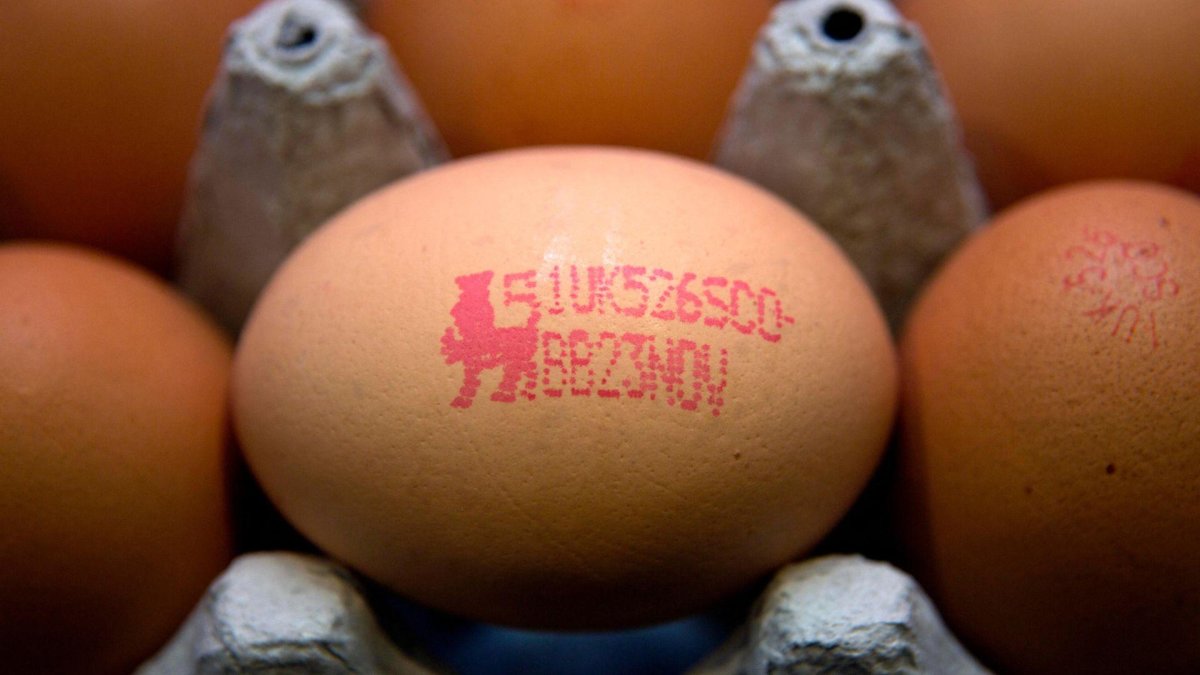
One Strain, 207 Victims: The Genetic Fingerprint
Whole-genome sequencing has confirmed that all 207 cases are linked to a single identical strain of Salmonella Enteritidis — a finding that eliminates coincidence and points squarely at a common source. The geographical spread tells its own story: 199 cases in England, including 47 in London and 38 in Yorkshire and Humber, with six in Scotland, one in Wales and one in Northern Ireland.
Hannah Charles, lead epidemiologist for gastrointestinal infections at UKHSA, confirmed the investigation's trajectory: "We're working with the Food Standards Agency and other public health agencies to investigate a salmonella outbreak that may be linked to eggs imported from outside of the UK." The agency has explicitly ruled out UK-produced eggs or poultry as the source, a critical distinction for British farmers who have spent decades eradicating salmonella from domestic flocks.
Eating Out, Not Eating In: The Restaurant Connection
Perhaps the most concerning pattern to emerge from the epidemiological investigation is where people became ill. Interviews with 114 of those affected identified five food businesses where two or more independent cases reported attending in the week before symptoms appeared. These premises — none of which have been named — link 24 cases in total. The businesses are supplied by eggs from multiple sources, including egg importers, and investigators have identified possible cross-contamination risk events in two settings.
This is not a story of careless home cooks. People appear to have fallen ill after eating out at cafes and restaurants, meaning the contamination is occurring somewhere in the commercial supply chain — either at the point of import, during distribution, or within the kitchens of the establishments themselves.
The clustering of cases around food businesses rather than domestic kitchens shifts the burden of responsibility squarely onto the commercial sector, where high-volume egg handling amplifies any lapse in hygiene. That the implicated premises draw from multiple suppliers, including importers, complicates the traceability effort and suggests the problem may lie further up the chain than a single farm or packing station. Dr O'Reilly's advice to consult Food Standards Agency hygiene ratings before dining out is a practical, if modest, step for consumers, yet it cannot substitute for robust enforcement at the border and in the kitchen. The identification of possible cross-contamination events in two settings indicates that even where the original source remains unidentified, poor practice on site may be spreading the pathogen further.
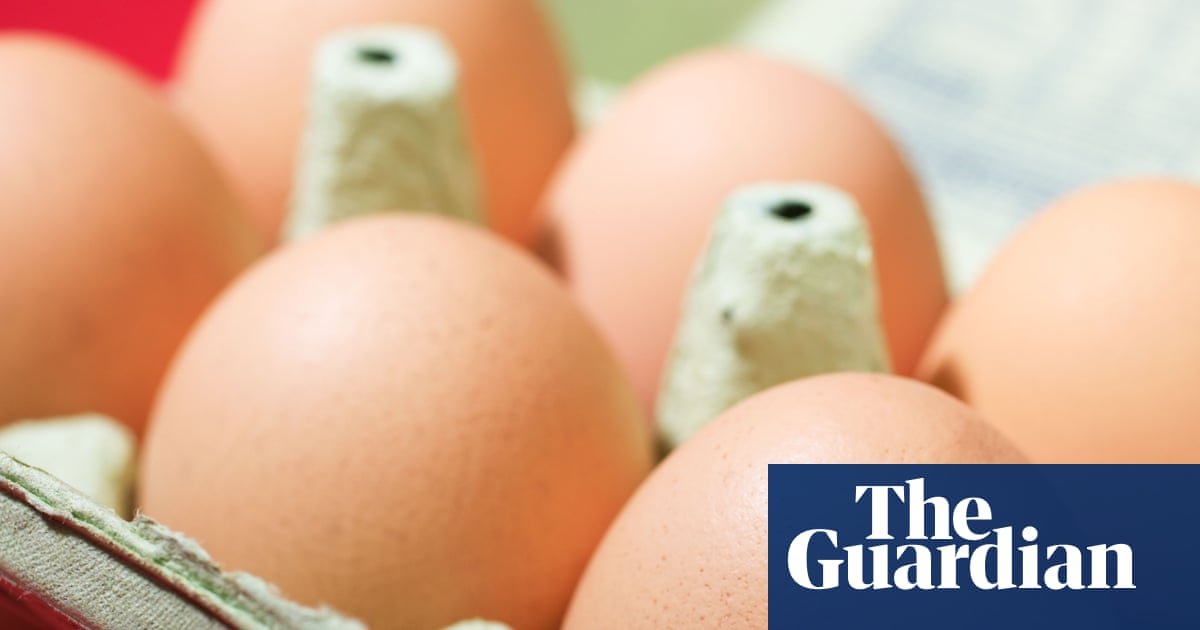
A Recurring Problem: The 2025 Precedent
Dr Safi Rehman, research associate at King's College London, said this outbreak is not an isolated event. "This outbreak is closely related to one from 2025 that was also linked to imported eggs, with the identified strain genetically similar between the two years." The genetic similarity between the 2025 and 2026 strains suggests the same source may be persistently contaminating the import supply chain — a regulatory failure that has now cost at least one life.
Nick Allen, chief executive of the British Egg Industry Council, was characteristically blunt about the root cause. UK hens have been subject to mandatory salmonella vaccinations since 2004, a programme that has been spectacularly successful in virtually eliminating the pathogen from domestic production. But Allen warned that "increasing volumes of imports" produced under "less stringent regulations" continue to arrive in Britain, undermining decades of public health progress.
The genetic fingerprint linking this year's outbreak to the 2025 precedent raises uncomfortable questions about whether lessons were learned. Nick Allen's observation that imported eggs arrive under "less stringent regulations" points to a structural vulnerability: while domestic producers have vaccinated flocks as a matter of course since the 1990s, the import market operates on a different footing. The British Egg Industry Council's mandatory vaccination regime for Lion-accredited birds has been a cornerstone of UK food safety for three decades, yet it does not extend to foreign suppliers. That UKHSA is now liaising with European counterparts through joint surveillance systems suggests the source may be transnational, and that a coordinated response is required. The sheer scale of background salmonella cases each year makes this outbreak's distinctiveness all the more striking — a single strain affecting 207 people in under a year is not routine variation.
The Regulatory Gap: What the British Lion Mark Actually Means
The contrast in safety standards could not be starker. Eggs produced under the British Lion mark or Laid in Britain assurance schemes come from hens vaccinated against salmonella and are subject to rigorous testing and traceability requirements. Imported eggs, by contrast, may come from countries where vaccination is not mandatory and where production standards are considerably weaker.
Jacquelyn McCormick, Head of Incidents at the Food Standards Agency (FSA), has issued clear guidance for vulnerable groups. Infants, young children, pregnant people and older adults should only eat runny or raw eggs carrying the British Lion mark or Laid in Britain assurance. She also stressed the importance of hand hygiene: "Wash hands after handling eggs, eggshells or packaging."
The FSA is working alongside UKHSA and other public health agencies, and the investigation extends beyond British borders through joint surveillance with other European countries. This international cooperation is essential, given that the contaminated eggs are crossing borders before reaching British plates.
The distinction between assured and non-assured eggs is not merely a marketing exercise; it is a substantive difference in public health protection. The FSA's targeted advice for vulnerable groups — infants, pregnant women, the elderly — to avoid runny or raw eggs unless they carry the British Lion or Laid in Britain mark reflects a regulatory reality that imported produce cannot match. Yet the agency's insistence that thoroughly cooked eggs pose no risk offers reassurance for the general population, even as it underscores the importance of domestic hygiene. The absence of any identified link to UK-produced eggs or poultry is significant, but it does not exonerate the import system; rather, it narrows the field of suspicion. With 207 confirmed cases and the majority recorded in recent weeks, the outbreak may still be evolving, and the FSA's guidance on handwashing after handling shells and packaging is a reminder that vigilance must extend beyond the plate.
What Consumers Need to Know: Symptoms and Action
Salmonella infection typically produces stomach cramps, diarrhoea, vomiting and fever, with symptoms developing 12 to 72 hours after exposure. Most healthy adults recover without medical intervention, but the very young, the elderly and those with compromised immune systems face significantly higher risks of severe complications, including septicaemia.
UKHSA has stressed that the risk to the general public remains low, and that "extensive" epidemiological and food chain investigations are ongoing. But for those who believe they may have been affected, the advice is clear: contact your GP or out-of-hours service rather than self-medicating. Dr Kathleen O'Reilly of the London School of Hygiene and Tropical Medicine offered a practical tip for consumers: check catering outlets' food hygiene ratings when deciding where to eat. The Food Standards Agency's rating scheme, which scores establishments from zero to five, is publicly available and provides a reliable indicator of kitchen standards.
The Bottom Line — What Comes Next
This outbreak exposes a fundamental tension in British food policy. Domestic producers have invested heavily in salmonella control, and their efforts have paid off — UK-produced eggs are among the safest in the world. Yet the market is being flooded with cheaper imports produced to lower standards, and British consumers are paying the price in illness, hospitalisation and, in at least one case, death.
The UKHSA and FSA are expected to issue further guidance in the coming days, and the five unnamed food businesses will face intense scrutiny. But the deeper question is whether the government will act on the structural weaknesses this outbreak has revealed. Mandatory salmonella vaccination for imported eggs, stricter border checks, and clearer labelling requirements are all measures that could close the regulatory gap — but they will face resistance from importers and the hospitality industry, who benefit from cheaper supply chains.
For now, the advice is straightforward: check the Lion mark, check hygiene ratings, and wash your hands. The next few weeks will determine whether this outbreak is contained or whether, as Dr Rehman's research suggests, we are witnessing a recurring pattern that demands a fundamental rethink of how Britain regulates its food imports.
By Erica Thornton, Staff Writer
This article was produced with AI-assisted research and editorial support. Reporting is based on sources cited in the article.
What's Your Reaction?
 Like
0
Like
0
 Dislike
0
Dislike
0
 Love
0
Love
0
 Funny
0
Funny
0
 Wow
0
Wow
0
 Sad
0
Sad
0
 Angry
0
Angry
0

US Politics and Policy Correspondent at Global1.News. Based in Washington DC, covering American politics, policy, elections, and the courts. Knows how the system works and tells you what it actually means.














Comments (0)