
TPS for Haitians Ends: 350,000 Face Uncertain Future in US
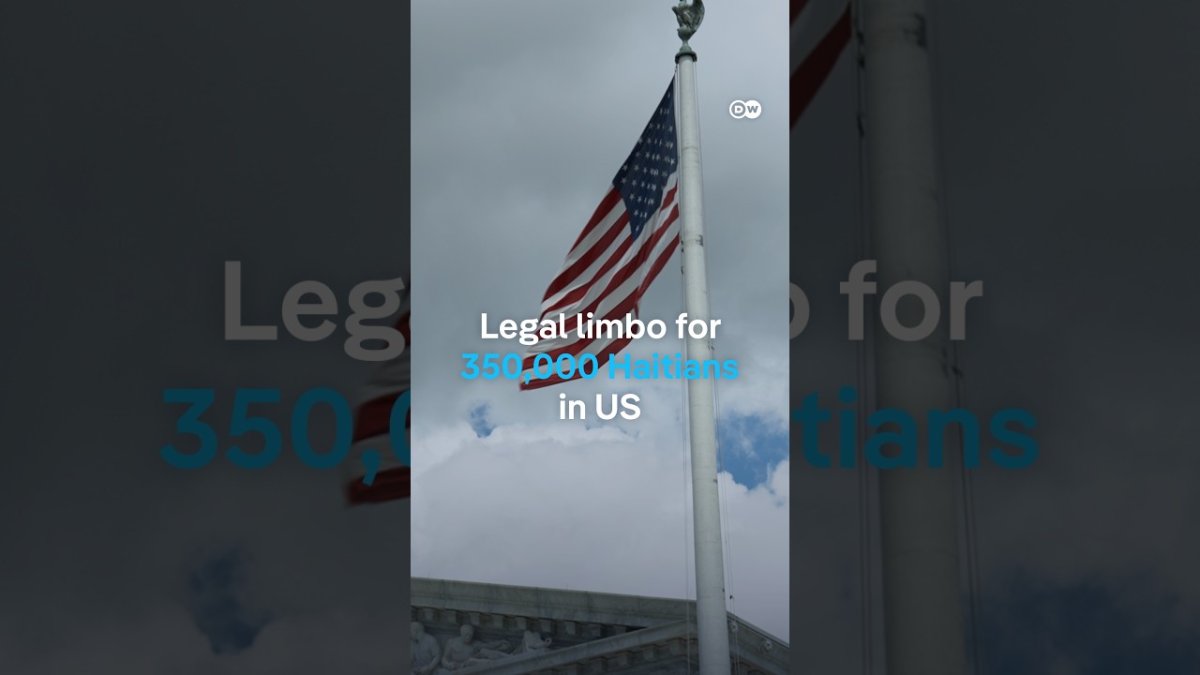
In a recent DW News report, a Haitian American bakery owner in Miramar, Florida, described the daily uncertainty gripping his neighborhood northwest of Miami as courts finalize the end of Temporary Protected Status for Haitian nationals.
In a recent DW News report, a Haitian American bakery owner in Miramar, Florida, described the daily uncertainty gripping his neighborhood northwest of Miami as courts finalize the end of Temporary Protected Status for Haitian nationals. The video captures families in fear and flux after work permits expired on July 1, 2026, leaving roughly 350,000 people without legal work authorization. Ordinary households across Florida, Ohio, and Massachusetts now weigh deportation risks against the dangers of returning to Haiti amid ongoing gang violence and economic collapse.
Supreme Court Clears Path to End TPS for Haitians
Miramar, Florida – United States — The US Supreme Court ruled 6-3 on June 25, 2026, in Mullin v. Doe that the Secretary of Homeland Security's decisions to terminate TPS for Haiti and Syria are not subject to judicial review. This decision allowed the Trump administration to proceed with ending protections for approximately 348,000 Haitian nationals whose status formally expired between July 27 and 28, 2026. The ruling followed the administration's June 2025 announcement to terminate the program, which had shielded many from deportation since earlier designations.
The Story Unfolds in Miramar
In the Haitian American bakery northwest of Miami in Miramar, Florida, the owner described daily life shifting after work permits expired on July 1, 2026, leaving staff unable to clock in through USCIS E-Verify and forcing shortened hours in food service. The neighborhood atmosphere carries tension as families weigh options following the Supreme Court ruling on June 25, 2026, in Mullin v. Doe that ended judicial review of TPS terminations for Haiti affecting 348,000 individuals. Local leaders note canceled medical appointments and children pulled from summer programs, with construction and healthcare shifts now short as TPS holders face the formal expiration on July 27-28, 2026.
Community members in Miramar report increased fear after the Department of Homeland Security moved to end TPS for 13 of 17 countries, leaving only Lebanon, Sudan, Ukraine, and El Salvador active as of mid-2026. The bakery owner speaks of flux in daily routines, where once-stable shifts in food service now depend on uncertain family-based petitions or asylum claims as remaining pathways. Advocates have set up legal clinics in Florida to address these changes, highlighting how the July 1 work permit cutoff disrupted healthcare and construction jobs that rely on Haitian workers.
Residents describe the psychological weight of living in limbo, with estimates of 300,000 to 350,000 affected Haitian nationals in the area bracing for enforcement activity expected in Florida communities. The DW News report from August 4, 2026, captures how small businesses struggle to fill roles while families navigate the end of protections that once allowed steady employment in services and care sectors. This reality echoes broader Latin American migration patterns, as many Haitian TPS holders previously transited through Mexican border cities before reaching Florida.

Regional Context Across the Caribbean and Mexico
Haitian migrants passed through Tapachula and Tijuana in large numbers in recent years as Mexico served as a key corridor before they reached the United States, and the Supreme Court decision now raises questions for those communities about return journeys amid Haiti's gang violence and economic collapse. Observers note that remittances from the diaspora remain a critical lifeline for Haiti's economy, so sudden returns of TPS holders could strain shelters in Mexican border cities already managing flows from Central America. The ruling in Mullin v. Doe on June 25, 2026, resonates with Mexican and Central American groups who see parallels in how TPS terminations affect labor in construction and services across the region.
Mexico's role as a transit point means families who once moved through these cities now face decisions about whether to attempt reentry or seek other status, with El Salvador's TPS fate still pending between May 27 and October 19, 2026. Advocates warn that deportation fears could disrupt the 47 percent immigrant share of long-term care workforces in places like Massachusetts, where many Haitian workers arrived after crossing Mexican territory. The end of TPS for Haiti on July 27-28, 2026, after work permits lapsed July 1, underscores how regional corridors once offered safety that now feels precarious for those connected to Mexican migration networks.
Political responses in Mexico and Central America split between support for the U.S. Supreme Court outcome and calls for legislative fixes that could stabilize remittances flowing back through border communities. Haitian nationals who transited Tijuana and Tapachula now weigh asylum claims or family petitions, knowing that return to Haiti remains dangerous due to ongoing instability. This context ties directly to Latin American experiences, as Mexican organizations track how enforcement increases in U.S. Haitian communities could affect shared economic ties built on diaspora support.
Impact on Communities and Families
In Springfield, Ohio, approximately 15,000 Haitian residents confront an uncertain future after the July 1, 2026, work permit expiration, with many in construction and services unable to maintain shifts as TPS formally ended July 27-28, 2026. Families report children born in the United States facing potential separation, while small business owners struggle to fill roles amid the Supreme Court ruling that removed judicial review of the terminations affecting 300,000 to 350,000 people. Health and housing precarity grows as medical appointments are canceled and summer programs end for young ones.
Massachusetts communities see over 10,000 Haitian TPS workers, many in long-term care where immigrants comprise 47 percent of the workforce, now navigating the loss of protections announced in June 2025. The psychological toll of living in limbo weighs on parents who fear family separations, with advocates documenting increased anxiety in households connected to the 348,000 individuals originally covered. Observers expect enforcement activity to rise in Ohio and Florida, heightening housing instability for those exploring narrower court challenges or asylum pathways.
Small businesses across these areas report disruptions in food service and healthcare staffing, as TPS holders who once provided steady labor now weigh remaining options like family-based petitions. The human impact centers on daily decisions about school, work, and medical care that once felt secure under TPS but now carry the weight of possible returns to Haiti's gang violence and political instability. Community members describe pulling together resources through local networks to address these immediate pressures on families.
Reactions and Responses from Advocates
Immigrant advocacy organizations have organized legal clinics in Florida and Massachusetts to help TPS holders explore asylum claims or family-based petitions as remaining pathways after the June 25, 2026, Supreme Court decision in Mullin v. Doe. Community leaders call for legislative fixes to address the termination that began in June 2025 and affected 348,000 Haitian nationals, while noting that Haiti's gang violence and economic collapse make returns dangerous for those facing deportation fears. Political reactions split, with some supporting the ruling and others pushing back against family separations.
Advocates highlight how the July 1, 2026, work permit expiration and formal TPS end on July 27-28, 2026, have already led to canceled appointments and disrupted shifts in healthcare and construction. They warn of labor shortages in Massachusetts long-term care facilities where Haitian workers form a significant portion of the 47 percent immigrant workforce, and they organize support for the 10,000-plus affected in that state alongside the 15,000 in Springfield, Ohio. Calls for solutions emphasize protecting remittances that sustain Haiti's economy amid ongoing instability.
Leaders in these communities stress the need for narrower legal challenges that may still be possible, while providing direct assistance to families navigating the uncertainty. The focus remains on human stories of resilience, as Haitian TPS holders who built lives in the United States now seek every available option to avoid separation and unsafe returns. This response draws from shared Latin American advocacy traditions that prioritize community clinics and legislative pressure to safeguard vulnerable populations.
What to Watch For
For Mexican and Central American observers, the Haitian case is a preview of battles still to come. With El Salvador's TPS designation hanging in the balance until October 19, 2026, and with DHS having already moved against thirteen of the seventeen active country designations, community organizations on both sides of the border are preparing for a long season of legal wrangling. In the meantime, the families of Miramar, Springfield, and Boston continue their daily routines under a shadow that will not lift until Congress or the courts offer a clearer answer on what protection really means.
Officials at the Department of Homeland Security have already moved to terminate TPS for thirteen of the seventeen countries active when the administration took office. Only Lebanon, Sudan, Ukraine, and El Salvador retain designations as of mid-2026. Observers expect increased enforcement activity in Haitian communities in Florida and Ohio over the coming weeks, alongside possible court challenges on narrower grounds. Families in Miramar and beyond continue to monitor updates from USCIS while maintaining daily routines in their neighborhoods.
The termination of TPS for Haitian nationals marks a significant shift for Caribbean and Latin American communities that have contributed to US workplaces for more than a decade. Workers who once held steady jobs in healthcare and construction now navigate new uncertainties, while their relatives in Haiti face reduced remittance flows. The situation in Miramar reflects broader pressures felt from Massachusetts to Ohio and across the border in Mexico, where migration routes and family ties remain deeply intertwined.
By Rosa Martinez, Staff Writer
This article was produced with AI-assisted research and editorial support. Reporting is based on sources cited in the article.
What's Your Reaction?
 Like
0
Like
0
 Dislike
0
Dislike
0
 Love
0
Love
0
 Funny
0
Funny
0
 Wow
0
Wow
0
 Sad
0
Sad
0
 Angry
0
Angry
0

Latin America/Andes Correspondent at Global1.News. Based in Bogota, covering politics, environment, energy, and social movements across the Andean region. Passionate about environmental journalism and communities protecting their land.














Comments (0)