
Possession: Gugu Mbatha-Raw's Supernatural Thriller Confronts Colonial Legacy
Gugu Mbatha-Raw's new supernatural thriller "Possession" arrives on Sky this week carrying the weight of a history that refuses to stay buried. The five-part mini-series, set between Britain and Jamaica, blends horror and magical realism to explore how the injustices of colonialism and slavery continue to shape lives in the present.
Gugu Mbatha-Raw's new supernatural thriller "Possession" arrives on Sky this week carrying the weight of a history that refuses to stay buried. The five-part mini-series, set between Britain and Jamaica, blends horror and magical realism to explore how the injustices of colonialism and slavery continue to shape lives in the present. For African audiences, it lands as part of a growing wave of stories that put the continent's diaspora experience at the centre of global television.
Possession: Gugu Mbatha-Raw's Supernatural Thriller Confronts Colonial Legacy
London, United Kingdom — The actress and executive producer spent much of the past year filming in Jamaica, on the very soil where the history her series dramatises once unfolded. What begins as an inheritance dispute in the show becomes a reckoning with slavery's enduring legacy, and Mbatha-Raw says the experience of shooting on a real plantation estate left the entire cast feeling the weight of what they were telling.
A Supernatural Thriller Rooted in Real History
"Possession" is a five-part Sky Original supernatural thriller mini-series that premieres Thursday 6 August 2026 on Sky Atlantic with all five episodes dropping on Sky and NOW. Gugu Mbatha-Raw stars as Claudia and serves as executive producer while Jonny Lee Miller plays Oliver Connaught. Sheldon Shepherd takes the role of Cudjoe East and Bel Powley portrays Charlotte the plantation owner's daughter.
The series was created and written by Karla Crome whose acting credits include Misfits and Carnival Row and whose writing credits include Safe The Stranger and Screw. It is based on an original story created by Jefferson Bannis and directed by Storm Saulter whose previous films include Better Mus' Come and Sprinter. Produced by Snowed-In Productions in association with Sky Studios the project carries the trailer tagline "You can't outrun your roots".
The series was previously titled Inheritance and was first teased in June 2026. Set across two time periods the present day and the 1760s the narrative draws directly from Jamaica's plantation history to examine inheritance and identity. Mbatha-Raw's involvement as both lead and executive producer ensures the story remains grounded in the lived realities of the African diaspora.
For viewers across the continent the timing feels deliberate as global platforms increasingly platform Caribbean and African stories that confront colonial legacies head on. The five-part structure allows the supernatural elements to unfold gradually while keeping the focus on character and place. This approach mirrors how many African filmmakers use genre to discuss difficult histories without losing audience engagement.
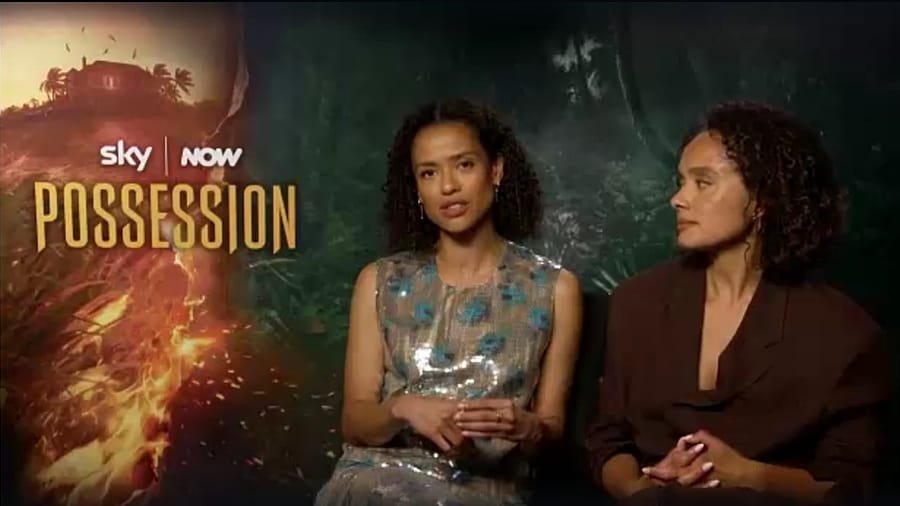
The africanews report features Mbatha-Raw and Crome discussing the series in London on 27 July 2026 where they emphasised the importance of authentic locations. Their comments highlight how the production moved beyond typical studio backdrops to capture genuine Jamaican soil and spirit. Such choices strengthen the series' claim to represent the UK's relationship with Jamaica truthfully.
African creative communities from Dakar to Lagos will recognise the significance of a Jamaican director helming a Sky Original that centres Black British and Caribbean voices. The project demonstrates how diaspora talent can shape international narratives while remaining rooted in specific cultural soil. This model offers lessons for Senegalese filmmakers seeking similar global partnerships.
Hope Hill: A Plantation at the Heart of the Mystery
Claudia an ambitious young mixed-race lawyer travels to Jamaica to represent Oliver Connaught contesting his late father's will after the estate is left to local man Cudjoe East. The disputed property is Hope Hill the Connaught family's former plantation that has haunted Claudia's nightmares since childhood. The story unfolds through dual timelines that connect present-day legal battles to events in the 1760s.
Bel Powley plays Charlotte the plantation owner's daughter whose decisions ripple across generations. Sheldon Shepherd plays dual roles because Cudjoe East is the birth name of Matthew an enslaved man and illegitimate child of the plantation owner. This casting choice underscores the blood ties that slavery attempted to erase yet could never fully sever.
Supernatural forces drive the plot forward as Claudia finds herself buried under the floorboards of the plantation house in a sequence that forces confrontation with buried truths. The narrative is told through Jamaican eyes ensuring the perspective remains local rather than filtered through outsider assumptions. This approach gives the horror elements cultural specificity rooted in Obeah traditions and ancestral memory.
The inheritance dispute at the centre of the story mirrors real Caribbean conversations about land ownership and reparations that continue today. By placing Hope Hill at the heart of the mystery the series shows how physical spaces carry generational trauma that legal documents alone cannot resolve. African audiences familiar with similar land disputes on the continent will find immediate resonance.
Shepherd's dual performance across timelines creates a living bridge between the 1760s and the present allowing viewers to see how one man's fate shapes descendants centuries later. The supernatural framework makes these connections visceral rather than abstract. Such storytelling techniques echo the griot traditions that preserve history through layered narrative in West African cultures.
The five-part format gives space for both the legal intrigue and the gothic horror elements to develop without rushing the emotional core. Claudia's journey from ambitious lawyer to someone forced to reckon with her own nightmares forms the emotional spine of the series. This personal transformation grounds the larger historical themes in human experience.
Filming on the Land: Jamaica as Character, Not Backdrop
The decision to film in Jamaica placed the production on a real plantation owner's house rather than a constructed set. Writer Karla Crome stated "Filming in Jamaica was super important and being on the land and having the history there and present in front of us." She added "It's important to consider as well the UK's relationship with Jamaica so it could have only been told there."
Mbatha-Raw described the first drive up to the house noting "there was real history in that soil - you know, it was chilling in a way but I think it also gave us a real sense of grounded authenticity." The cast and crew worked on the actual estate where the historical events dramatised in the series once occurred creating an atmosphere no studio could replicate.
Shepherd shared his experience on location saying "I felt as if I was being ushered in to do a particular job and I was protected, in essence." While some crew members reported unsettling encounters Shepherd felt a welcoming vibration that supported the work rather than hindered it. These personal accounts reveal how the land itself became an active participant in the storytelling.
Mbatha-Raw spoke about the physical and emotional toll noting "When I'm in the ground in a grave or under the floorboards these things that sound terrifying" drained the cast after simulating psychological dark places. The production's commitment to authentic locations meant actors confronted real historical weight daily rather than relying on imagination alone.
The choice to shoot on genuine Jamaican soil strengthened the series' exploration of how colonialism's legacy persists in physical spaces. For Senegalese viewers this approach recalls how Dakar filmmakers often insist on shooting in real neighbourhoods to preserve cultural authenticity. The parallel shows a shared commitment across the African diaspora to let place speak.
Storm Saulter's direction ensured Jamaica functioned as a living character whose presence shaped every scene. The production's decision to employ local crew further embedded the project in Jamaican realities rather than treating the island as exotic scenery. This method offers a blueprint for respectful international co-productions involving African locations.
A Historic Kingston Premiere With the Prime Minister in Attendance
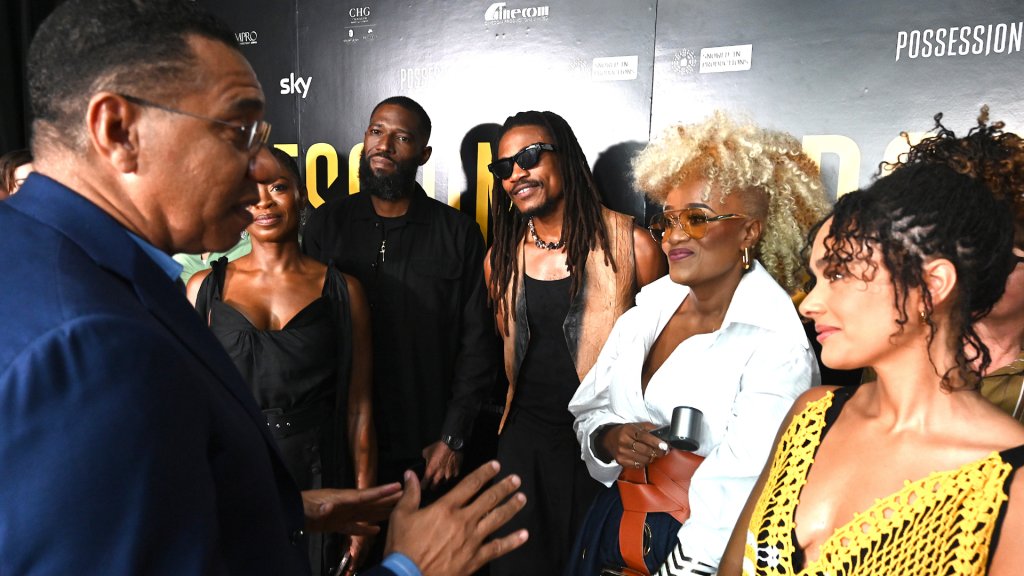
An exclusive screening of the first two episodes took place on 20 June 2026 at The Courtleigh Auditorium in Kingston Jamaica. Prime Minister Andrew Holness attended the event and used the occasion to address the country's film industry. His presence signalled official recognition of the project's importance to national cultural ambitions.
Holness stated that Jamaica had not done enough over the past five decades to invest in filmmaking following The Harder They Come. He called Saulter the ambassador the country's screen industry needed to move forward. These remarks positioned "Possession" as a catalyst for renewed government support of local production.
The series became the second project approved under the Jamaica Screen Development Initiative's Production Rebate Programme administered by JAMPRO on behalf of the Government of Jamaica. The rebate programme follows the global success of Bob Marley: One Love which demonstrated Jamaica's capacity to host major international productions.
The production employed more than 300 Jamaican cast and crew members and contributed approximately US$4 million to the local economy. These figures represent concrete economic impact that extends beyond cultural prestige. For African nations watching Jamaica's progress such numbers provide evidence that screen industries can deliver measurable returns.
Holness's attendance at the Kingston screening underscored the government's interest in positioning Jamaica as a global production hub. The combination of rebate incentives and local talent development creates conditions for sustained industry growth. Similar policy approaches in countries like Ghana and Nigeria have already begun to yield results for their creative sectors.
The premiere event connected the series directly to Jamaican audiences before its international release on Sky. This sequencing ensured local voices shaped early reception rather than allowing external narratives to dominate. Such community-first strategies strengthen cultural ownership of diaspora stories told on global platforms.
Black British and Jamaican Talent on the International Stage
Storm Saulter's filmography includes Better Mus' Come and Sprinter which helped redefine contemporary Jamaican cinema by bringing local stories to international audiences. His direction of "Possession" continues this trajectory while expanding into the supernatural thriller genre. The move demonstrates how Jamaican filmmakers are claiming space across multiple formats.
Karla Crome's dual career as actress in Misfits and Carnival Row and writer on Safe The Stranger and Screw informs her approach to blending horror with social commentary. She noted that horror became the perfect way to explore difficult conversations while delivering compelling entertainment. This balance allows the series to reach viewers who might otherwise avoid direct historical reckoning.
The Jamaican ensemble includes Shantol Jackson Nadean Rawlins and Jeff Crossley whose performances ground the supernatural elements in recognisable cultural realities. Their presence alongside British actors like Mbatha-Raw and Miller creates a true transatlantic collaboration. Themes of inheritance identity spirituality Obeah and gothic horror weave through every episode.
The series connects Britain's colonial past to present-day lives by showing how legal disputes over land echo unresolved questions of justice. For African viewers this linkage highlights the shared history of the transatlantic slave trade that affected both the Caribbean and the continent. The narrative refuses to treat these connections as distant history.
Saulter's leadership on set ensured Jamaican perspectives guided creative decisions even as the project served a British broadcaster. This model of diaspora collaboration offers inspiration for Senegalese productions seeking international partnerships without sacrificing local control. The result is a series that feels both globally accessible and deeply rooted.
The combination of established British talent and emerging Jamaican performers creates a cast that reflects the story's dual heritage. Crome's writing bridges the two worlds while Saulter's direction maintains visual and emotional coherence. Together they deliver a project that advances Black British and Jamaican representation on major platforms.
What to Watch For
The August 6 2026 premiere on Sky Atlantic and NOW marks the start of a wider conversation around reparations and colonial reckoning in the Caribbean. Barbados leaders have rejected claims that ex-colonies should repay Britain while Ghana continues pushing for concrete slavery reparations. African leaders marked Juneteenth with renewed calls for reparations making the series' themes especially timely.
"Possession" joins a wave of African and Caribbean diaspora storytelling on global platforms that refuses to separate past injustices from present realities. African audiences can expect a thriller that respects both the horror genre and the historical weight it carries. The supernatural framework allows difficult truths to emerge through character experience rather than exposition.
The significance of Jamaica telling its own stories extends to the continent's creative economy where similar ambitions drive growth in Nollywood Ghallywood and Bongowood. When Caribbean productions secure major platform deals and government support they model pathways that African nations can adapt. The economic contribution of US$4 million and 300 local jobs provides tangible proof of concept.
Viewers should pay attention to how the dual timelines reveal connections between an enslaved man's fate and a modern lawyer's nightmares. The Obeah elements and gothic horror traditions offer cultural specificity that distinguishes the series from generic supernatural fare. These details reward audiences familiar with Caribbean spiritual practices.
The production's success under the Jamaica Screen Development Initiative suggests that targeted policy support can accelerate industry development. African governments watching these developments may find useful templates for their own screen sector strategies. The series therefore carries implications beyond entertainment into economic and cultural policy.
Ultimately "Possession" demonstrates that stories rooted in specific African diaspora experiences can travel globally while remaining authentic. For Senegalese audiences the project reinforces the value of insisting on local perspectives even when working with international partners. The result is television that honours history without sacrificing dramatic power.
By Amara Diop, Staff Writer
This article was produced with AI-assisted research and editorial support. Reporting is based on sources cited in the article.
What's Your Reaction?
 Like
0
Like
0
 Dislike
0
Dislike
0
 Love
0
Love
0
 Funny
0
Funny
0
 Wow
0
Wow
0
 Sad
0
Sad
0
 Angry
0
Angry
0

West Africa/Sahel Correspondent at Global1.News. Dakar-based journalist covering politics, security, climate, and development across Francophone and Anglophone West Africa. Tells the stories of a region undergoing profound transformation.












Comments (0)