
Toxic Train Spill Near Arizona Border: Rain Hampers Cleanup in Sonora
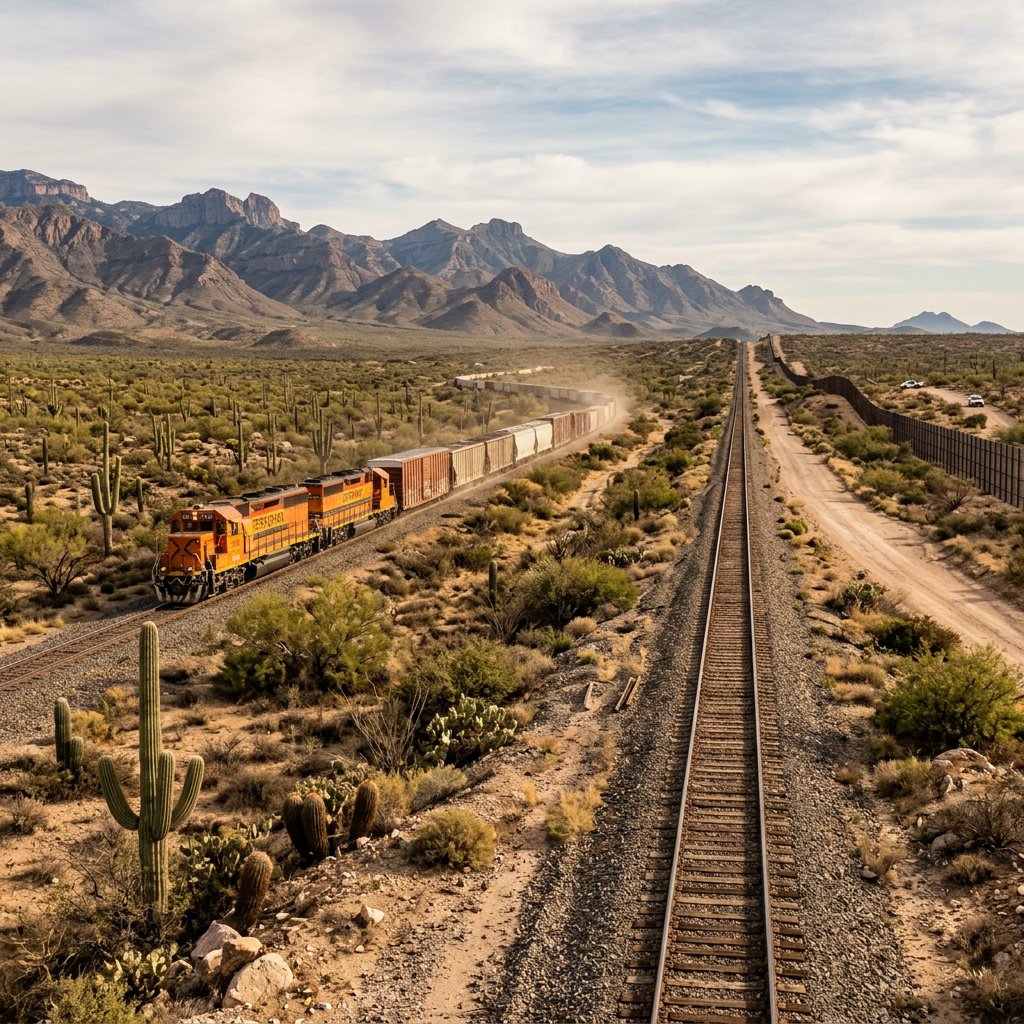
A Ferromex freight train derailed near the border town of Naco, Sonora, in the early hours of Sunday, July 26, 2026, spilling approximately 59,000 liters — more than 15,000 gallons — of sodium hydrosulfide, a toxic chemical used primarily in mining operations.
Toxic Train Spill Near Arizona Border: Rain Hampers Cleanup in Sonora
A Ferromex freight train derailed near the border town of Naco, Sonora, in the early hours of Sunday, July 26, 2026, spilling approximately 59,000 liters — more than 15,000 gallons — of sodium hydrosulfide, a toxic chemical used primarily in mining operations. As the week progressed, seasonal rains have moved into the region, significantly complicating the already delicate cleanup operation and raising urgent questions about air and water safety for communities on both sides of the border.
Tags: Ferromex, Naco, Sonora, train derailment, chemical spill, Profepa, sodium hydrosulfide, Grupo México, Arizona border, rail safety
The Derailment: What Happened in Naco
The accident occurred approximately 15 miles south of the Naco border crossing into Arizona, a route frequently used by Ferromex — Mexico's largest railroad network — to transport industrial materials between mining operations in Sonora and processing facilities in the United States. Multiple cars of the freight train left the tracks during the early morning hours, and preliminary reports from Profepa, Mexico's Federal Attorney for Environmental Protection, confirmed that tanker cars carrying sodium hydrosulfide were among those breached.
Sodium hydrosulfide (NaHS) is a highly corrosive and toxic compound widely used in mineral processing, including the copper mining operations that drive much of Sonora's economy. The chemical poses a dual threat: direct contact can cause severe burns, and when it interacts with water or acidic conditions, it can release hydrogen sulfide gas — a colorless, highly toxic substance that can be lethal at high concentrations even within minutes of exposure.
Emergency response teams from the municipal government of Naco, the Sonora state civil protection agency, and Ferromex's own hazardous materials unit were dispatched to the site within hours. The area was cordoned off, and authorities initially advised residents in nearby colonias to remain indoors with windows sealed as a precautionary measure.
Rain Complicates a Dangerous Cleanup
The arrival of seasonal monsoon rains in the border region has transformed a difficult cleanup into a potentially hazardous one. Sodium hydrosulfide's chemical reaction with water — producing hydrogen sulfide gas — means that every rainfall event carries the risk of mobilizing residual chemical deposits and releasing toxic fumes into the surrounding air.
Crews from Ferromex and Grupo México, working under the supervision of Profepa inspectors, have been attempting to contain and remove the spilled material using vacuum trucks and absorbent barriers. But the intermittent downpours have repeatedly forced work stoppages, as safety protocols require all non-essential personnel to withdraw from the contamination zone during active rainfall.
"The rain is the biggest challenge right now," a Profepa official on site told reporters. "Every time it rains, we have to stop and reassess. The priority is keeping the chemical contained and preventing it from reaching any waterways." The nearby Rio San Pedro watershed, which flows north into Arizona, has been placed under continuous monitoring for any signs of contamination.
At the time of this report, cleanup crews had managed to remove approximately half of the spilled chemical, but the remaining volume continues to pose a threat as rain forecasts predict additional precipitation over the coming days.
Community Impact: Fear in Naco and Beyond
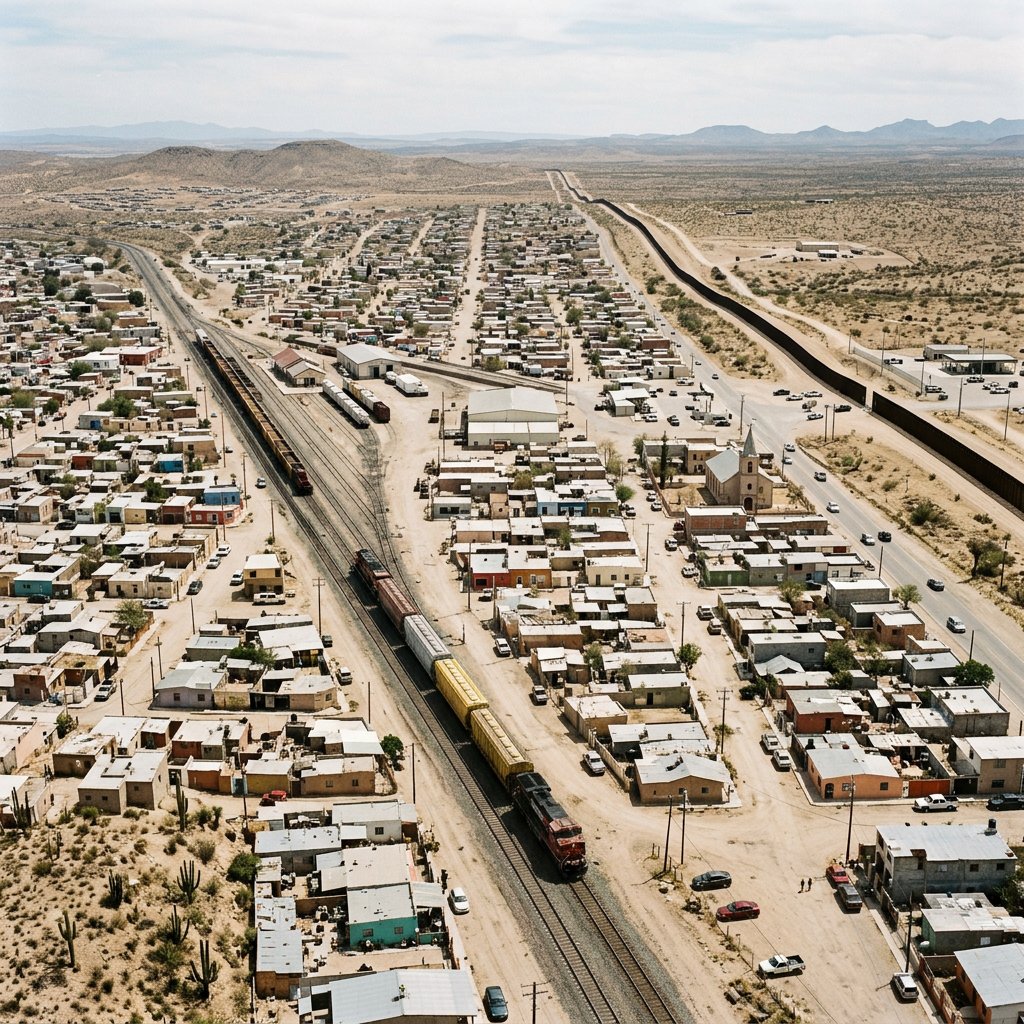
For the roughly 6,000 residents of Naco, the derailment has been a source of deep anxiety. The town sits literally on the border — its northern edge is the international line with Arizona — and many families live within a few kilometers of the derailment site. Residents have reported a strong sulfur-like odor in the air during the first days after the spill, a telltale sign of hydrogen sulfide presence.
Local teacher Maria Elena Ramirez, who lives in a colonia about three kilometers from the accident site, said her family kept their windows closed for three days. "We could smell it in the air — it was like rotten eggs, but much stronger. My youngest daughter has asthma, and we were terrified," she told reporters. "We want to know if the water is safe. We want to know if our children can play outside."
These concerns extend across the border. In Bisbee, Arizona, just 15 miles north of Naco, local officials have been in contact with Sonora state authorities and U.S. federal agencies to monitor air quality data. The Cochise County Department of Health and Human Services issued a statement saying that "preliminary monitoring has not detected hazardous levels of hydrogen sulfide in Arizona air," but pledged to continue surveillance.
For Mexican families in Naco, the economic stakes are equally high. The town depends heavily on cross-border commerce and small-scale agriculture. Farmers in the surrounding ejidos — communal agricultural lands — have expressed concern about potential soil and groundwater contamination that could affect their crops and livestock.
A Second Derailment: Troubling Questions About Rail Safety
The Naco derailment did not occur in isolation. Just days earlier, in a separate incident, a Pemex-owned tanker car carrying 70,000 liters of gasoline derailed in the northern state of Tamaulipas, prompting authorities to declare a Code Red and evacuate nearby communities. The coincidence of two major freight derailments in the span of a single week has drawn renewed scrutiny to Mexico's rail infrastructure and the safety protocols governing hazardous materials transport.
Ferromex, a subsidiary of Grupo México — one of the world's largest copper producers — operates more than 11,000 kilometers of rail lines across Mexico, much of it through remote and rugged terrain that is vulnerable to weather-related track damage. The company has stated it is cooperating fully with the Profepa investigation, and has committed to covering the full cost of the cleanup operation.
Opposition lawmakers in the Congress of the Unión have called for hearings on rail safety, citing what they describe as inadequate oversight by the Agencia Reguladora del Transporte Ferroviario (ARTF), the federal rail regulatory agency. Deputy Mariana Ríos (PAN) told reporters that "Mexican families should not have to live in fear of toxic chemicals passing through their communities on rail lines that have not been properly maintained."
Environmental Concerns: The Profepa Investigation
Profepa inspectors have established a formal investigation to determine the root cause of the derailment and assess the full extent of the environmental damage. Preliminary assessments indicate that the spill has contaminated an estimated area of approximately 500 square meters around the derailment site, though the agency has cautioned that this figure may grow as cleanup progresses and more soil samples are analyzed.
SEMARNAT, Mexico's Ministry of Environment and Natural Resources, has been brought into the response effort to evaluate the long-term ecological impact, particularly on local wildlife and vegetation in the affected corridor. The region is part of the Madrean Sky Islands ecosystem, a biodiverse area that spans the Sonora-Arizona border and is home to species including white-tailed deer, javelina, and migratory birds.
Environmental groups have called for independent monitoring of the cleanup, arguing that Ferromex and Grupo México should not be the sole entities responsible for assessing the damage. "The company responsible for the spill should pay for the cleanup, but the evaluation must be independent," said a spokesperson for the Sonora-based environmental organization Grupo Ecologista del Noroeste. "The community needs to trust that the water and soil are safe."
What's Next: Cleanup Timeline and Community Safety
The immediate priority for authorities remains the containment and removal of the spilled sodium hydrosulfide before the next significant rainfall. Profepa has indicated that the cleanup is expected to continue for at least another two to three weeks, depending on weather conditions, and that continuous air and water monitoring will remain in place throughout that period.
For residents of Naco and surrounding communities, the path forward is uncertain. Many are demanding clearer communication from both Ferromex and government authorities about the timeline and the long-term health implications. The municipal government of Naco has established a community information hotline and is holding daily briefings for residents, but frustrations remain high.
As the monsoon season continues across the Sonoran border region, the Naco derailment serves as a stark reminder of the risks inherent in transporting hazardous materials through populated areas. For the families living in the shadow of the tracks, the question is no longer whether another accident could happen — but when, and whether the response will be fast enough to protect them.
By Rosa Martinez, Staff Writer
This article was produced with AI-assisted research and editorial support. Reporting is based on sources cited in the article.
What's Your Reaction?
 Like
0
Like
0
 Dislike
0
Dislike
0
 Love
0
Love
0
 Funny
0
Funny
0
 Wow
0
Wow
0
 Sad
0
Sad
0
 Angry
0
Angry
0

Latin America/Andes Correspondent at Global1.News. Based in Bogota, covering politics, environment, energy, and social movements across the Andean region. Passionate about environmental journalism and communities protecting their land.












Comments (0)