
Toronto Police Update Probe Into July 27 U.S. Consulate Shooting as National Security Investigation Continues
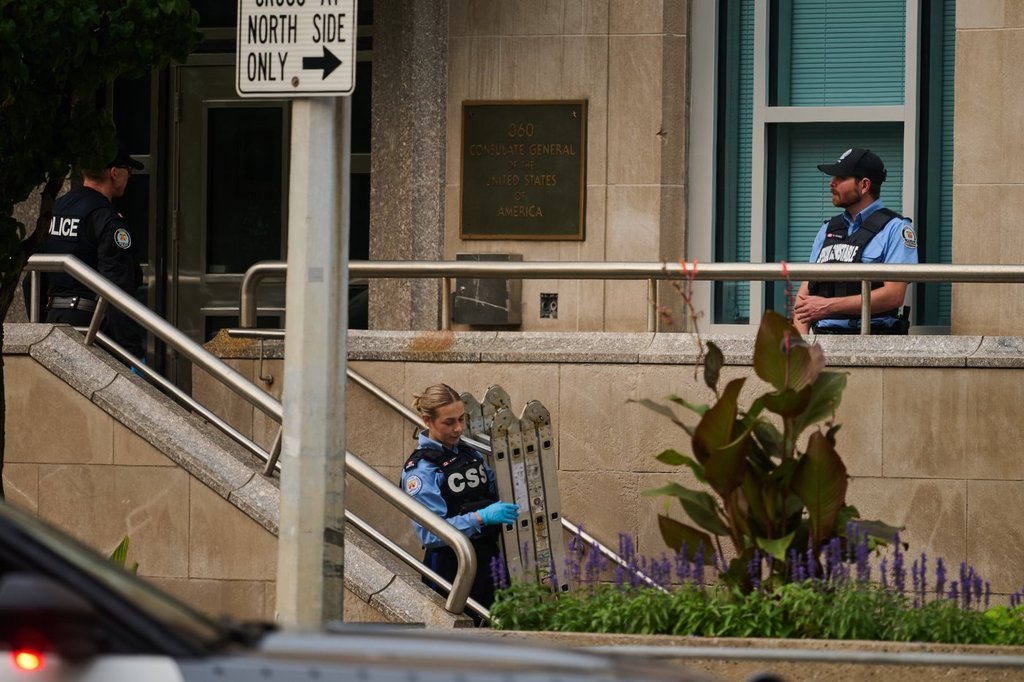
Toronto, Ont. — Toronto police provided an update on August 6, 2026, into the July 27 shooting outside the U.S. Consulate at 360 University Ave., marking the second such attack on the building this year. The briefing came amid an RCMP-led national security investigation that has already produced arrests and a fatality among officers. Authorities continue to examine links between the incidents and broader international terrorism allegations. Tags: Toronto police, U.S.
Toronto Police Update Probe Into July 27 U.S. Consulate Shooting as National Security Investigation Continues
Toronto, Ont. — Toronto police provided an update on August 6, 2026, into the July 27 shooting outside the U.S. Consulate at 360 University Ave., marking the second such attack on the building this year. The briefing came amid an RCMP-led national security investigation that has already produced arrests and a fatality among officers. Authorities continue to examine links between the incidents and broader international terrorism allegations.
Tags: Toronto police, U.S. Consulate shooting, national security, RCMP, Kata'ib Hezbollah, Const. Marc Pinizzotto, terrorism charges
The Latest Update
Toronto police held an 11 a.m. briefing on Thursday, August 6, 2026, to provide an update on the July 27 shooting outside the U.S. Consulate. Chief Myron Demkiw and Chief Supt. Joe Matthews were scheduled to speak to reporters. The session focused on evidence gathered at the scene and the ongoing manhunt that followed the incident.
What Happened on July 27
The shooting occurred around 4:46 a.m. on July 27, 2026. An officer stationed near the consulate at 360 University Ave. in downtown Toronto heard the shot ring out. Evidence of the shooting was located outside the consulate, including a single shell casing and damage to the facade. Two security personnel were inside the consulate at the time, but no injuries were reported.
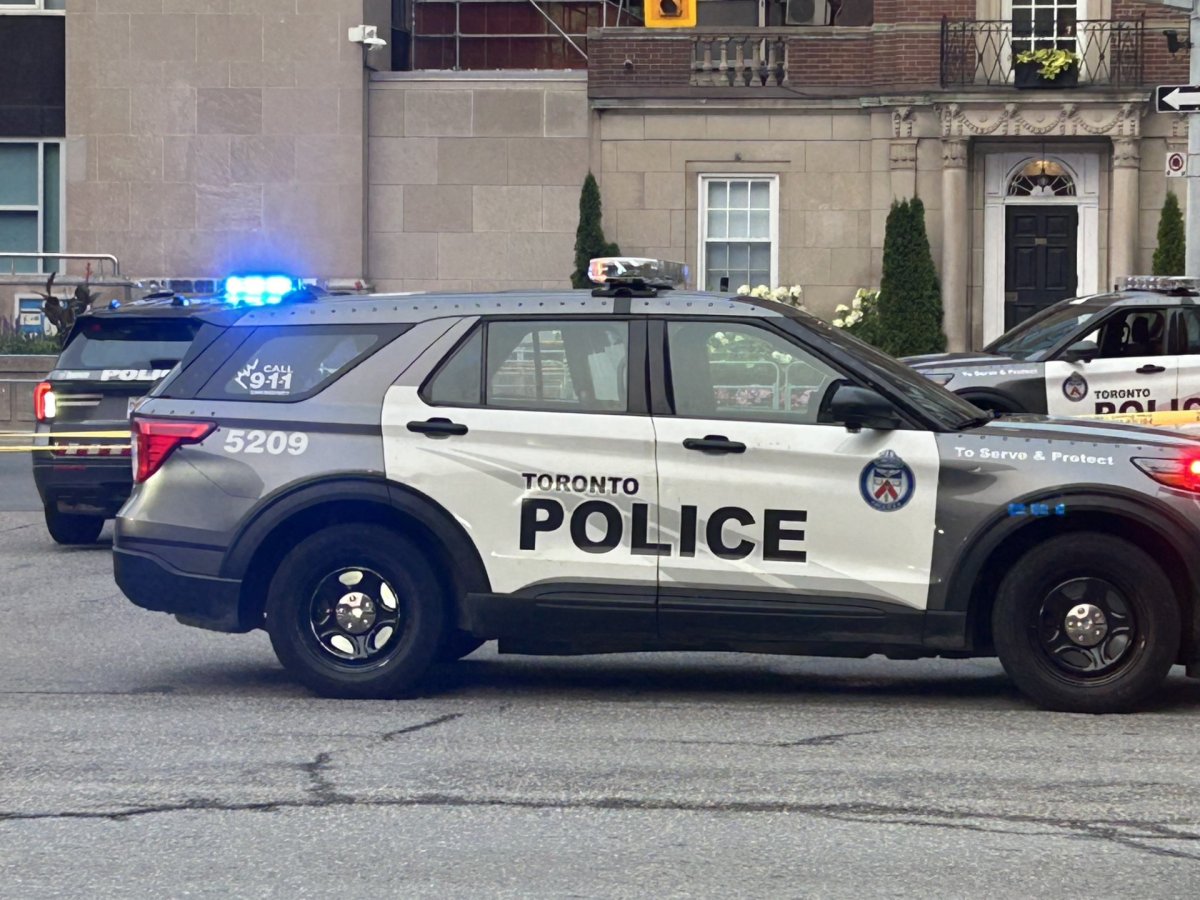
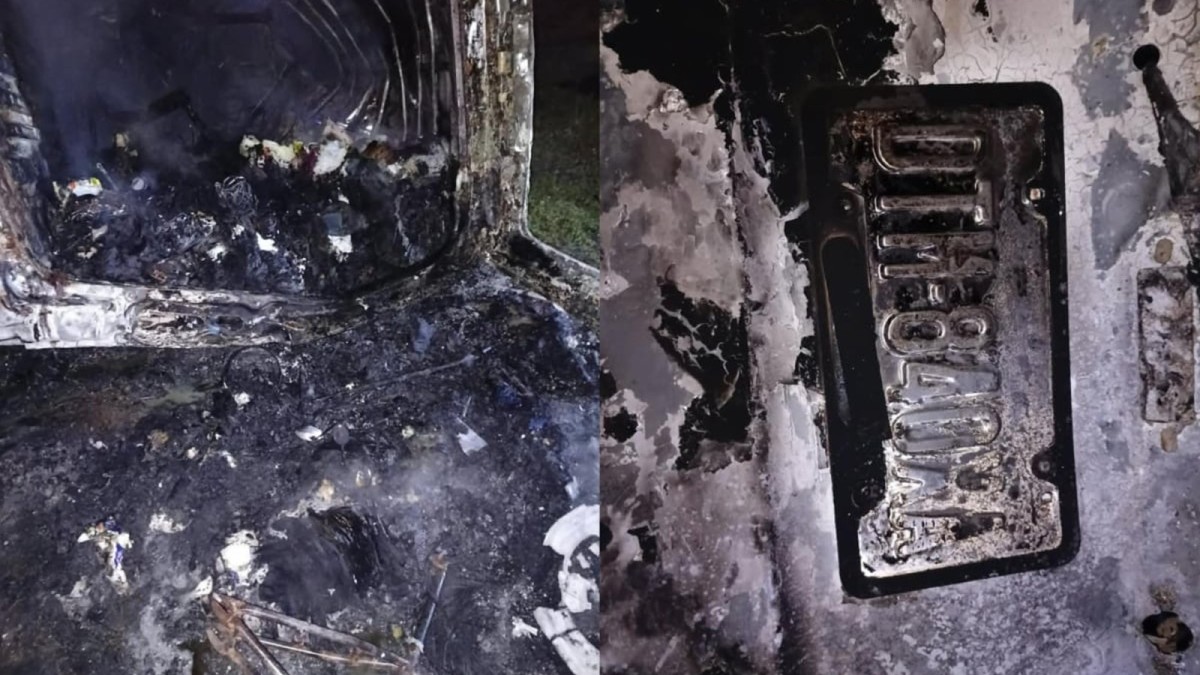
A white late-model Honda Accord with no licence plates was seen speeding away from the building. Officers engaged in a high-speed chase along Gerrard Street East and onto the Don Valley Parkway, with speeds exceeding 140 kilometres per hour. Officers stopped the chase near Don Mills Road and the DVP, as per police pursuit protocol. Police did not provide a description of the suspect and earlier described the attack as brazen.
A Second Attack in One Year
This was the second shooting at the consulate this year. On March 10, 2026, the U.S. Consulate in Toronto was targeted in a shooting. Police said two suspects exited a white Honda CR-V, fired shots at the building and fled the scene. Shell casings and damage were found at the downtown building, though nobody was injured. Canadian authorities deemed it a national security case, and it sparked heavy investigations by the RCMP.
The International Dimension
In May 2026, U.S. prosecutors unsealed a criminal complaint charging Mohammad Baqer Saad Dawood Al-Saadi, an Iraqi national, with six terrorism-related offences tied to his alleged role as a senior member of Kata'ib Hizballah and Iran's Islamic Revolutionary Guard Corps. Al-Saadi appeared in a New York courtroom on Friday, May 15, 2026, after being charged. U.S. prosecutors allege Al-Saadi and others planned, coordinated, and claimed responsibility for at least 18 terrorist attacks across Europe, along with two additional attacks in Canada.
The complaint specifically references the March 10, 2026 shooting at the U.S. consulate in Toronto, as well as a second attack targeting a synagogue in Canada. FBI investigators were involved in the U.S. filing. American authorities linked the March attack to an alleged international campaign from Iranian-backed groups against targets in Europe and North America.
Canadian authorities often work closely with international partners through established intelligence-sharing arrangements such as the Five Eyes alliance. This framework allows for the exchange of information on threats that span multiple jurisdictions, supporting investigations into alleged terrorism activities while respecting each country's legal processes and sovereignty in the handling of evidence and suspects.
The Investigation's Toll
An 18-year-old man, Sheldon Tracy-Stewart, was arrested last month in Toronto. He was charged with 11 counts, including discharging a firearm, illegal firearm possession and vehicle theft. Court documents obtained by Global News allege Tracy-Stewart was bound by a release order at the time of his arrest. He is charged with failing to comply with a release order under the Criminal Code.
The investigation also saw the death of a veteran Toronto police officer. Const. Marc Pinizzotto, a member of the emergency task force and an 18-year member of the force, was shot and killed on June 11, 2026, during a raid in North York tied to the probe. A funeral was held in Toronto honouring him. Nicholas Bennett, a 19-year-old man, was charged with first-degree murder in Pinizzotto's death.
Canadian Context
The consulate is located at 360 University Ave., in the Armoury Street and University Avenue area, a zone that also includes several government buildings. The RCMP has taken a leading role in the national security aspects of the probe, coordinating with Toronto police on diplomatic security measures. Police pursuit protocols led officers to call off the July 27 chase when it reached dangerous speeds, reflecting standard Canadian practices for balancing public safety during high-risk incidents.
Bail and release orders remain central to the case, as evidenced by the charges against Tracy-Stewart for alleged non-compliance. These elements highlight ongoing federal-provincial coordination between Toronto police and national agencies in managing threats to diplomatic sites and public order.
The RCMP leads national security investigations through integrated teams that bring together federal and municipal police resources. These structures facilitate information sharing and joint operations, with CSIS providing intelligence support at a general level to inform law enforcement actions across jurisdictions.
Canadian courts apply strict conditions for release orders in cases involving firearms offences, reflecting concerns over public safety. There has been ongoing public debate about bail reform, with calls for tighter restrictions on individuals charged with serious weapons violations to prevent reoffending while cases proceed.
Impact on Canadians
The repeated attacks on the U.S. Consulate have raised concerns about security at diplomatic facilities in major Canadian cities. Residents in Toronto and other urban centres have followed developments closely, particularly given the involvement of national security agencies and the loss of Const. Pinizzotto. The incidents underscore vulnerabilities in downtown areas where government buildings cluster, prompting discussions on resource allocation for protection.
Broader implications touch on Canada's approach to countering foreign-linked threats while maintaining commitments to multilateral alliances. The RCMP's involvement signals the federal government's priority on these files, yet the timeline for full resolution remains uncertain as investigations proceed across jurisdictions.
Repeated incidents at diplomatic sites can affect public perceptions of security in urban centres, prompting discussions on the adequacy of protections around government facilities in major cities.
Allegations involving an attack on a synagogue may heighten concerns within the Jewish community, while broader foreign-linked threats influence how Canadians assess risks from international actors, all within a measured view of ongoing investigations.
What Happens Next
Authorities have not released further details on suspects from the July 27 incident, and the manhunt continues alongside the wider national security probe. Canadian officials are expected to maintain close coordination with U.S. counterparts on the terrorism-related charges. Public updates will likely focus on any new arrests or court proceedings tied to the existing charges against Tracy-Stewart and Bennett.
Longer-term measures may include enhanced security protocols at diplomatic sites and reviews of pursuit policies. The case illustrates the intersection of local policing and international intelligence sharing, with outcomes that will shape future responses to similar threats in Canada.
Court proceedings will continue under the Criminal Code, with updates from the RCMP expected as the national security probe advances through established legal channels.
It remains important for the public to avoid speculation while investigations proceed, allowing authorities to conduct thorough examinations without interference from unverified reports.
By Alex Thompson, Staff Writer
This article was produced with AI-assisted research and editorial support. Reporting is based on sources cited in the article.
What's Your Reaction?
 Like
0
Like
0
 Dislike
0
Dislike
0
 Love
0
Love
0
 Funny
0
Funny
0
 Wow
0
Wow
0
 Sad
0
Sad
0
 Angry
0
Angry
0
Canada Correspondent at Global1.News. Based in Toronto, covering Canadian politics, energy, trade, and US-Canada relations. Provides the Canadian perspective on North American and global affairs.










Comments (0)