
Thailand Declares AI Neutrality, Refuses to Choose Sides Between US and China
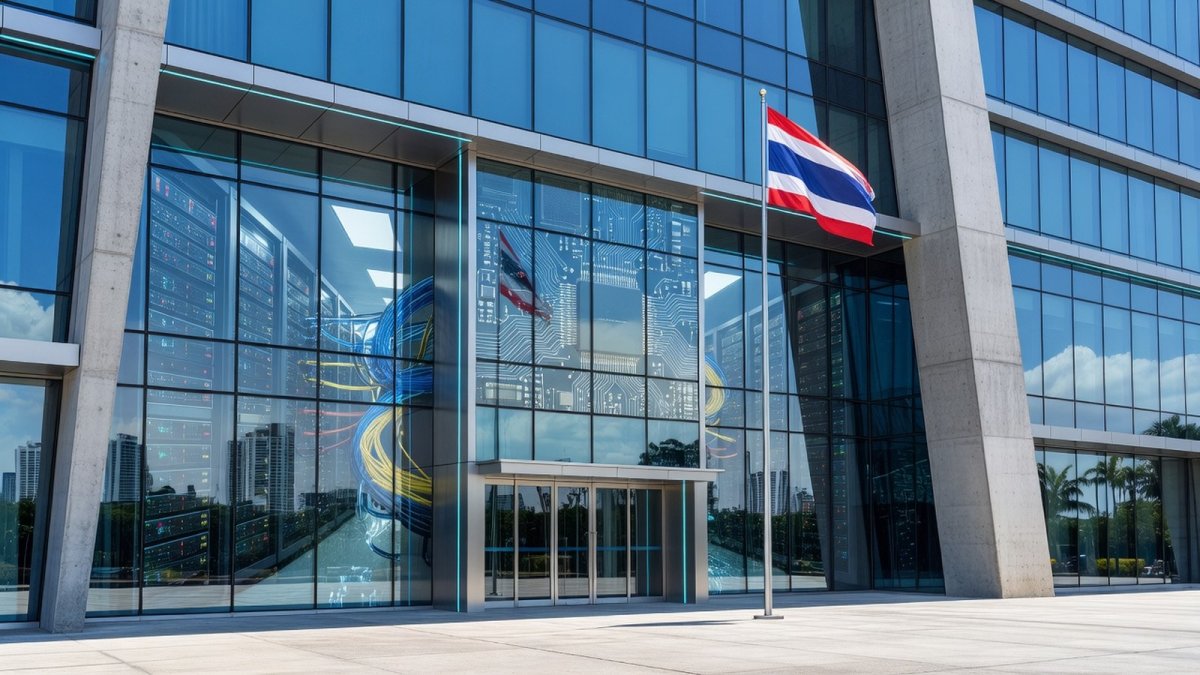
Prime Minister Anutin Charnvirakul announced on Monday that Thailand will maintain its neutral position between the United States and China, resisting pressure to pick a side in the intensifying global race for artificial intelligence dominance.
Prime Minister Anutin Charnvirakul announced on Monday that Thailand will maintain its neutral position between the United States and China, resisting pressure to pick a side in the intensifying global race for artificial intelligence dominance. The statement comes amid reports that Washington is considering excluding countries that join a China-backed AI framework from its own US-led coalition, a move that carries significant implications for Southeast Asian nations navigating the superpower rivalry.
Thailand Declares AI Neutrality, Refuses to Choose Sides Between US and China
Bangkok, Thailand - Prime Minister Anutin Charnvirakul, who also serves as interior minister, addressed the media on Monday in response to a Reuters report from August 14 indicating that the US State Department had prepared a draft letter for the 35 signatories of the June AI Opportunity Statement. The letter reportedly warns that participation in Beijing's rival initiative could jeopardise their standing in the US-backed framework, raising questions about how Thailand and other ASEAN members will navigate the technological divide.
Security Cooperation Separate From Trade, PM Insists
Asked whether Thailand's neutral position could affect ongoing trade negotiations with the United States, Mr Anutin said the two issues were unlikely to be linked. He pointed to a meeting last week between US defence officials, led by Pentagon policy chief Elbridge Colby, and the Thai side at Government House in Bangkok on August 13, 2026, as evidence that security ties remain on solid ground.
"Both sides confirmed that security cooperation, including the Cobra Gold military exercise and US military support, was unrelated to trade negotiations," Mr Anutin said. When pressed on whether the US delegation had pressured Thailand to take a position on China, he dismissed the suggestion outright. "Not at all. Didn't you see the atmosphere? It was all about appreciation for our cooperation. Why say they came to pressure us? They simply came to meet us."
The prime minister's remarks reflect a careful balancing act that has become characteristic of Thai foreign policy under the current administration. By separating security cooperation from trade talks and AI alignment, Bangkok aims to preserve its longstanding military relationship with Washington while maintaining economic and technological ties with Beijing.
Building Thai AI Capabilities, Not Choosing Sides
Higher Education, Science, Research and Innovation Minister Yodchanan Wongsawat offered a pragmatic perspective, arguing that Thailand should focus on building its own AI capabilities rather than choosing between the two superpowers. He noted that Thailand had discussed AI-related issues, including semiconductors, with several countries and had attended an AI meeting in China under the World Internet Conference.
"The government would consider whether to join the initiative," Mr Yodchanan said, referring to China's newly established World Artificial Intelligence Cooperation Organization (WAICO). He emphasised that Thailand should strengthen its own capabilities and avoid becoming dependent on any major power, a stance that resonates with the kingdom's historical tradition of maintaining independence in foreign affairs.
The minister revealed that the government has been working with countries including France, Japan and South Korea in areas where Thailand lacks sufficient capacity. He stressed the need to invest in basic science, technology, hardware, data and cybersecurity rather than focusing solely on AI applications. "A strong national database would give Thailand greater flexibility in choosing which AI systems and foreign partners to work with," he explained.
Thailand's Semiconductor Ambitions Take Shape
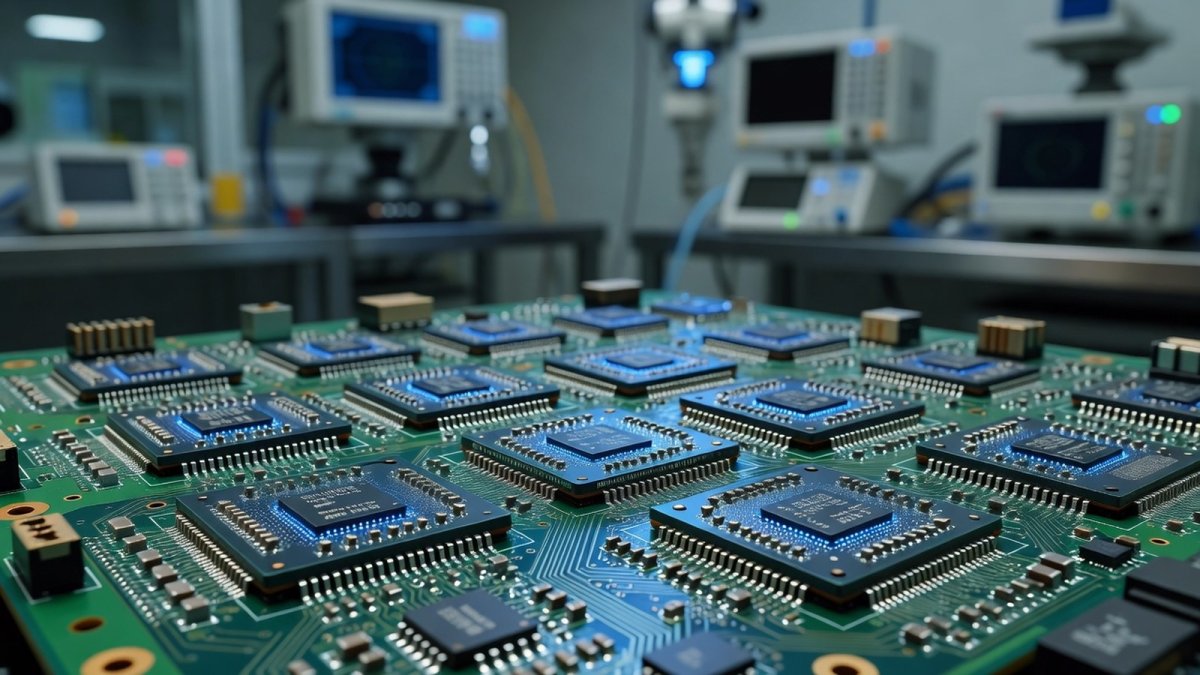
Thailand's positioning in the AI race extends beyond policy statements. On July 28, 2026, the government unveiled the "Siam Silica" framework, a national roadmap to establish a domestic semiconductor industry and position Thailand as a central hub within the ASEAN supply chain. Higher Education Minister Yodchanan chairs the National Semiconductor and Advanced Electronics Policy Committee, which met on January 7, 2026 to outline a national strategy focusing on power semiconductors, sensors, photonics, discrete devices and analog chips.
The initiative aligns with the government's broader "Thailand Squared" (Thailand 2) policy, reflecting a recognition that technological development must be accompanied by human capital investment. Thailand's National AI Strategy and Action Plan (2022-2027) remains the existing national framework guiding AI development, and the new semiconductor push builds upon this foundation.
For Thai readers, these developments carry immediate relevance. AI investment, semiconductor supply chains and digital infrastructure decisions will shape jobs, education and economic growth for years to come. The government's emphasis on building domestic capabilities rather than relying on foreign partners speaks to a broader desire for technological sovereignty in an increasingly fragmented global landscape.
Regional Implications for Southeast Asia
Thailand's neutral stance mirrors a broader ASEAN tradition of balancing major powers, a diplomatic approach that has served the region well since the Cold War era. Southeast Asian nations face growing pressure to navigate the US-China tech rivalry, and Thailand's position could provide a template for other ASEAN members seeking to avoid entanglement in the superpower competition.
The stakes are particularly high given the competing frameworks now on offer. The US-led Pax Silica initiative, launched by the US State Department in December 2025, aims to secure supply chains for AI models, semiconductors and critical minerals. Roughly two dozen countries have joined, including Japan, Australia and South Korea, with membership expanding to 25 Declaration signatories by August 2026. A separate AI Opportunity Statement has attracted 35 signatories at the second Pax Silica Summit in Washington on June 25-26, 2026.
China launched its rival WAICO in Shanghai on July 16, 2026 with 29 founding member countries, including Russia, Brazil and Ethiopia. President Xi Jinping pledged 5,000 AI training slots for developing nations, positioning the organisation as oriented toward the Global South. Kazakhstan has already joined both Pax Silica and WAICO, demonstrating that dual membership is possible despite US warnings.
Foreign Affairs Ministry spokesperson Jaithai Upakarnitikaset said Thailand had not received the letter reportedly being sent to US allies and would monitor developments. This cautious response suggests Bangkok is waiting to see the actual contents of the US communication before making any decisions about alignment.
Expert Perspectives on Thailand's Balancing Act
The Thai government's approach reflects a sophisticated understanding of the geopolitical landscape. By maintaining neutrality while building domestic capabilities, Thailand seeks to maximise its options in an uncertain environment. The prime minister's dismissal of US pressure, combined with the confirmation from both sides that security cooperation remains on solid ground, indicates that Bangkok believes it can maintain strong ties with both powers without being forced to choose.
Analysts note that Thailand's position is strengthened by its strategic location and its role in regional supply chains. The country's participation in the Cobra Gold military exercise, one of the largest multinational military exercises in Southeast Asia, demonstrates its continued value to US security interests in the region. At the same time, Thailand's economic ties with China remain deep, and Bangkok has kept working-level channels open with Beijing, including attendance at an AI meeting under the World Internet Conference.
The government's focus on building domestic AI and semiconductor capabilities is particularly significant. By investing in basic science, technology and cybersecurity, Thailand aims to create a foundation that will allow it to work with multiple partners without becoming dependent on any single one. This approach aligns with the broader ASEAN tradition of "strategic autonomy," in which regional nations seek to maintain their independence while engaging with all major powers.
What to Watch For
In the coming weeks, Thailand's response to the US letter will be closely watched by regional observers. The government has indicated it will consider whether to join the China-backed initiative, and its decision will send signals about the durability of its neutral stance. The Ministry of Foreign Affairs will likely provide further clarification once the letter is received and reviewed.
The development of Thailand's semiconductor industry under the Siam Silica framework will also merit attention, particularly regarding international partnerships and investment commitments. The National Semiconductor and Advanced Electronics Policy Committee is expected to provide updates on implementation progress, and the government's budget allocation for AI and technology development will be scrutinised in upcoming parliamentary sessions.
For Thai and Southeast Asian readers, the outcome of this diplomatic balancing act will have tangible consequences. Decisions made in the coming months will shape the region's technological landscape, economic opportunities and geopolitical positioning for years to come. Thailand's ability to maintain its neutrality while building domestic capabilities could serve as a model for other ASEAN nations facing similar pressures.
As the global AI race intensifies, Thailand's commitment to neutrality and self-reliance offers a distinctive path forward. By investing in its own capabilities and maintaining relationships with multiple partners, the kingdom aims to navigate the superpower rivalry without sacrificing its independence or its development goals. Whether this approach succeeds will depend on the government's ability to execute its ambitious plans and on the continued goodwill of both Washington and Beijing.
By Ann Srisawat, Staff Writer
This article was produced with AI-assisted research and editorial support. Reporting is based on sources cited in the article.
What's Your Reaction?
 Like
0
Like
0
 Dislike
0
Dislike
0
 Love
0
Love
0
 Funny
0
Funny
0
 Wow
0
Wow
0
 Sad
0
Sad
0
 Angry
0
Angry
0

Southeast Asia Correspondent at Global1.News. Based in Bangkok, covering Thai and Southeast Asian politics, economy, technology, and culture. Deep regional perspective on one of the world's most dynamic regions.













Comments (0)