
Cameroon End Decades of Heartbreak to Claim First Women's Africa Cup of Nations Title
Cameroon beat Malawi 3-0 in Rabat to win their first Women's Africa Cup of Nations title, ending decades of heartbreak. Marie Ngah Manga scored twice as the Indomitable Lionesses sealed a historic triumph.
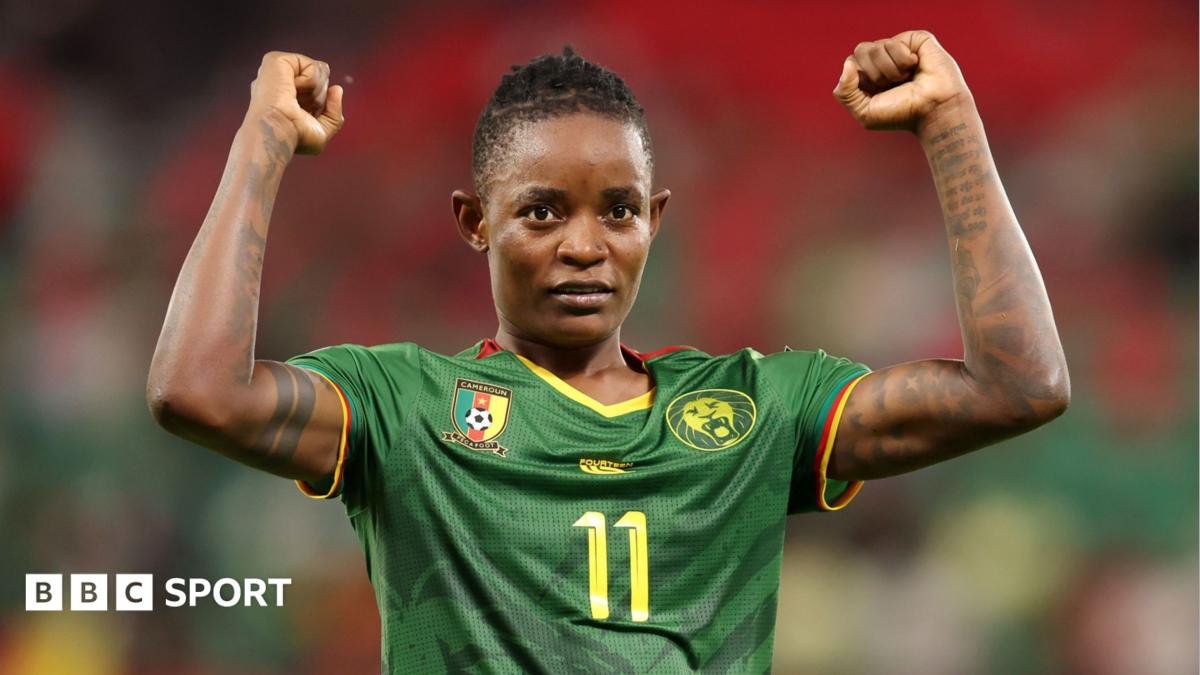
In the sweltering heat of the Moulay Hassan Stadium, a nation's long wait finally came to an end. Cameroon, the Indomitable Lionesses, conquered their history on Sunday night, dismantling a brave but overwhelmed Malawi side 3-0 to win their first-ever Women's Africa Cup of Nations (Wafcon) title. For a country that had tasted the bitter agony of three final defeats, this was more than a victory; it was a cathartic release of decades of pent-up frustration.
Cameroon's Lionesses Roar to Historic First Wafcon Crown
Rabat, Morocco — The final was a masterclass in composure and clinical finishing. Marie Ngah Manga, the tournament's joint-top scorer, was the heroine of the hour, netting a first-half brace to power her side to glory. Yet, this triumph was not just about the goals. It was a testament to a team that had to take the long road to Rabat, a journey that began in the despair of failed qualification and ended with the continent's most coveted prize being hoisted aloft by a new generation of champions.
A First-Half Blitz That Broke the Scorchers
The match began with palpable tension, both sides feeling the weight of history. Malawi, the tournament's fairytale debutants, tried to replicate the early balls that had undone Algeria in the semi-finals, seeking the pace of Temwa Chawinga. But Cameroon, ranked 82 places above their opponents, absorbed the pressure and struck with devastating efficiency.
The opener arrived in the 20th minute. A swirling cross from Naomi Eto was misjudged by Malawi goalkeeper Mercy Sikelo, and after Grace Mendoua's header back across goal was tipped onto the bar, Ngah Manga was on hand to pounce from two yards out. The deadlock was broken, and the Lionesses never looked back. On the half-hour mark, they doubled their lead in spectacular fashion. As Malawi failed to clear a corner, Eto pivoted on the edge of the box and unleashed a stunning volley that arrowed into the bottom right-hand corner, leaving the Scorchers' defence in a daze.
The knockout blow came in the third minute of first-half added time. Genevieve Ngo Mbeleck's through ball caught the Malawi backline flat, and Eto raced through, rounded the advancing Sikelo, and unselfishly squared for Ngah Manga to tap into an empty net. It was a goal that sealed the final before the interval, a moment of pure, unadulterated joy for the Cameroonian bench and the thousands of fans who had made the journey to the Moroccan capital.
From Heartbreak to History: The Lionesses' Long Road
To understand the magnitude of this achievement, one must look back at the scars of the past. Cameroon had previously lost in the Wafcon final in 2004, 2014, and 2016—all three defeats coming at the hands of their bitter rivals, Nigeria. The pain of those losses was compounded by the agony of missing the 2024 edition entirely. Their failure to qualify for these finals was a low point, losing 3-1 on aggregate to Algeria in their second-round tie.
However, fate intervened. The Confederation of African Football (Caf) expanded the finals from 12 to 16 teams, and Cameroon advanced on the strength of their world ranking. It was a second chance they seized with both hands. Under the guidance of Valentine Nguele, who only took charge in June, the team has been transformed into a well-drilled, resilient unit. They upset Nigeria 1-0 in the quarter-finals and then displayed nerves of steel to beat host nation Morocco on penalties in the last four.
The architect of those heroics was goalkeeper Michaely Bihina. The 22-year-old Benfica shot-stopper pulled off nine saves against the Super Falcons and then became a national icon by saving an extra-time penalty and three more spot-kicks in the shootout against the North Africans. In the final, she was a spectator for much of the game, a testament to the defensive solidity that has defined Cameroon's run.
Malawi's Fairytale Ends, But a New Dawn Begins
For Malawi, the final was a step too far, but their journey to Rabat was nothing short of miraculous. The lowest-ranked side at the tournament at 153rd in the world, the Scorchers were playing in their first-ever Wafcon. Their run was powered by the attacking prowess of the Chawinga sisters, Tabitha and Temwa, whose goals and relentless energy had captured the imagination of the continent.
In the final, however, they were well marshalled by the Cameroon defence. The midfield, sparkling once again through Monique Ngock, cut off the supply lines to the sisters, ensuring the Southern Africans could not secure a fairytale ending. They had their best opening just after the hour mark when Bihina saved a low effort from Tabitha before her younger sibling turned and fired the rebound wide. It was a fleeting moment of danger in an otherwise controlled Cameroonian performance.
Despite the defeat, Malawi's run has been a resounding success. They have earned the right to feature at the 2027 Women's Fifa World Cup in Brazil, alongside Cameroon, Algeria, and Morocco. For a nation ranked 153rd in the world, that is a monumental achievement that will inspire a generation of girls across the continent.
A Night of Celebration and a $2m Reward
The final whistle sparked wild scenes of celebration. Cameroon football federation president Samuel Eto'o, a legend of the men's game, celebrated each goal wildly in the stands, and the bench and officials ran onto the pitch to mark the historic moment. Fifa president Gianni Infantino was on hand to present the trophy alongside Caf counterpart Patrice Motsepe, a sign of the growing global significance of African women's football.
The victory also brings a significant financial windfall. Cameroon picks up $2m (£1.48m) in prize money as they become just the fourth side to win the title after Nigeria, Equatorial Guinea, and South Africa. For the players, however, the reward is far more profound. "We are very happy," Ngah Manga said. "We have been working so hard over all these years to get here. To finally be champions we are very proud."
Ngah Manga's double in the final moved her level with Temwa Chawinga and Barbra Banda on five goals at Wafcon 2026. She missed a glorious chance to complete her hat-trick and secure the golden boot outright three minutes into the second half, firing wide from six yards with the goal gaping, but her two goals were more than enough to etch her name into Cameroonian folklore.
The Expansion Gamble Pays Off for African Football
This tournament was described to me before the final as "the Women's Africa Cup of Nations of our lifetime," and rightly so. Aside from host nation Morocco, no one would have predicted such a last-four line-up or the two sides who would ultimately contest the final. Caf's decision to expand the tournament to 16 nations has proved to be the right one, allowing teams away from the likes of Nigeria and South Africa to demonstrate their qualities and bridge the gap to the continent's elite.
The expansion has given hope to nations like Senegal, where the Lionnes de la Teranga continue to build towards their own breakthrough. The passion for women's football is growing exponentially across West Africa, and Cameroon's triumph is a beacon of what is possible with belief and hard work. The days of a two-horse race are over; the continent's women's game is now a vibrant, competitive landscape.
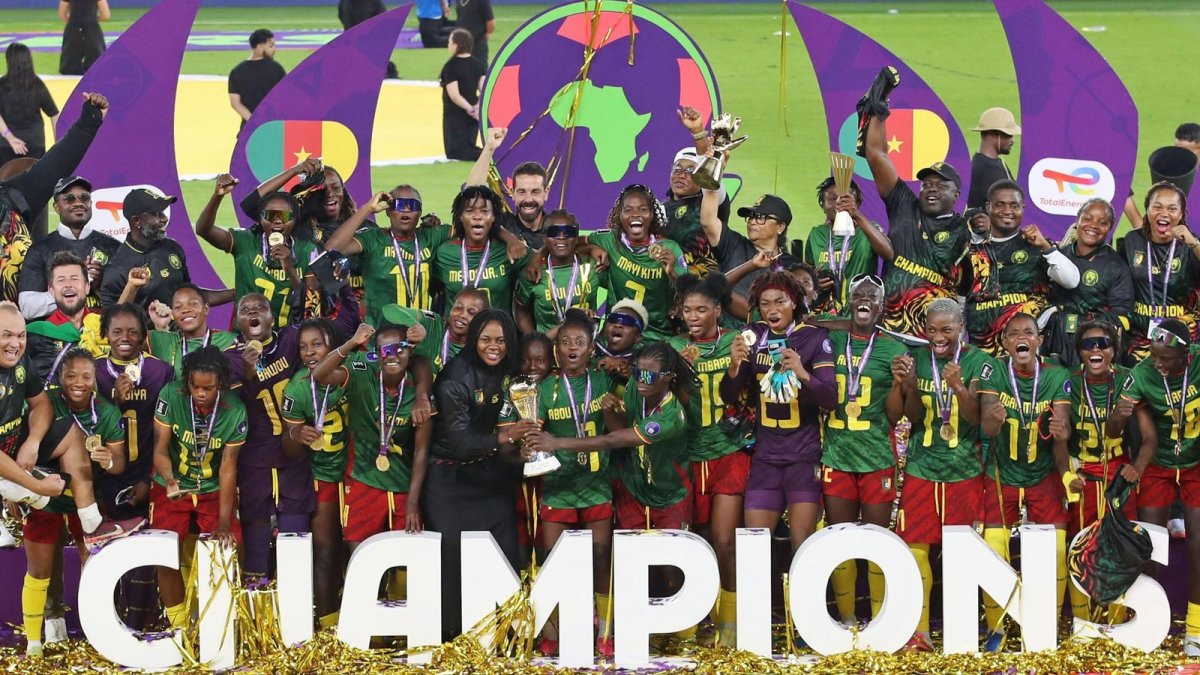
Looking Ahead to Brazil 2027
As the confetti settles on Rabat, attention turns to the future. Both finalists, along with semi-finalists Algeria and Morocco, have secured their places at the 2027 Women's Fifa World Cup in Brazil. For Malawi, it will be a historic debut on the global stage. For Morocco, it is a chance to build on their growing reputation. For Algeria, under coach Farid Benstiti, there is a sense of marked improvement since the last edition of Wafcon just 13 months ago.
But for Cameroon, this is a moment to savour. They have exorcised the ghosts of 2004, 2014, and 2016. They have proven that even after missing a tournament and failing to qualify, redemption is possible. The Indomitable Lionesses are no longer the bridesmaids of African football; they are the champions. And as they prepare for Brazil, they do so with the weight of a nation's expectations lifted, replaced by the unshakeable belief that they belong among the world's best.
By Amara Diop, Staff Writer
This article was produced with AI-assisted research and editorial support. Reporting is based on sources cited in the article.
What's Your Reaction?
 Like
0
Like
0
 Dislike
0
Dislike
0
 Love
0
Love
0
 Funny
0
Funny
0
 Wow
0
Wow
0
 Sad
0
Sad
0
 Angry
0
Angry
0

West Africa/Sahel Correspondent at Global1.News. Dakar-based journalist covering politics, security, climate, and development across Francophone and Anglophone West Africa. Tells the stories of a region undergoing profound transformation.











Comments (0)