
Thai Horror Film 'Inherit' to Premiere at Toronto International Film Festival
Thailand's film industry celebrates a major international achievement this week as the horror film Inherit earns its world premiere at the 51st Toronto International Film Festival.
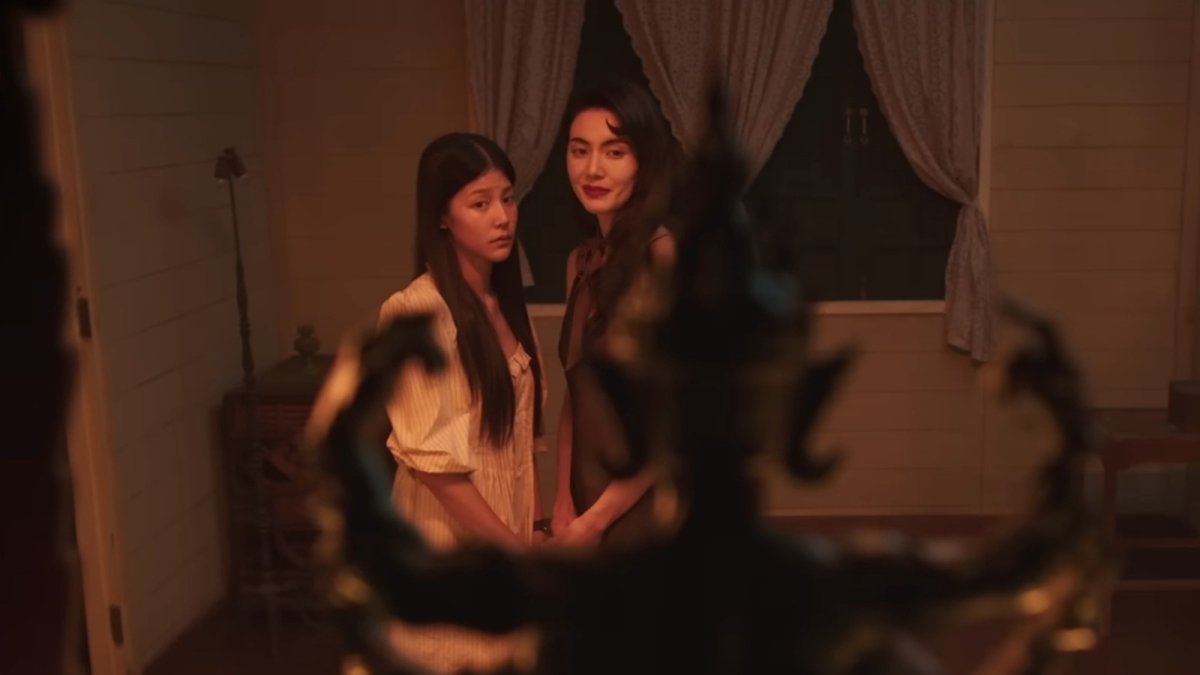
Thailand's film industry celebrates a major international achievement this week as the horror film Inherit earns its world premiere at the 51st Toronto International Film Festival. The GDH production directed by Banjong Pisanthanakun and starring Davika Hoorne will screen in the Centrepiece section during the event running from 10 to 20 September in Toronto, Canada. This selection highlights the continued global interest in Thai storytelling rooted in local spirit traditions and family legacies.
The Story Behind the Selection
The Toronto International Film Festival, founded in 1976, ranks among the world's largest and most prestigious events for cinema. Its 51st edition features the Centrepiece section with 54 standout films from 50 countries, presenting diverse perspectives and anticipated titles. Inherit secured its slot as a chilling psychological thriller, marking another step for Thai productions on this platform after previous successes like Uncle Boonmee Who Can Recall His Past Lives at Cannes in 2010.
GDH 559, Thailand's leading studio known for consistent commercial and creative output, produced the film alongside Banjong Pisanthanakun. The selection arrives as Thai cinema builds on its reputation for horror that draws from regional beliefs, positioning the country within ASEAN's growing creative economy and soft power influence across Southeast Asia.
Early buzz has already begun building around the film. The first teaser trailer, unveiled in early August by the international outlet Screen, introduces the story's unsettling premise with a single question: is the woman who came home really the grandmother the family remembers? TIFF has long served as a launchpad for films that go on to dominate awards-season conversation, and organizers have framed this year's Centrepiece selection as a showcase of distinctive voices from around the world.
A Legendary Thai Horror Novel Comes to the Screen
Inherit adapts the 1991 novel Thayat Asun, also known as The Devil's Heir, a work that has held an avid readership across Thailand for more than three decades. The story centers on Woranart, an elegant woman living in a teak house beside the Yom River in the northern Phichit and Phitsanulok region, who appears far younger than her actual age of over 80 years. Previous television adaptations began in 1992 on Channel 5, yet this marks the first theatrical film version.
The plot follows a wealthy Thai family whose polished life fractures when an ancient centipede spirit infiltrates their bloodline. Davika Hoorne portrays Woranart, who returns home after 50 years looking unchanged and beautiful, not for a family reunion but as the vessel carrying the spirit's curse toward her 18-year-old granddaughter Oui. These elements echo Thai traditions of ancestor veneration and the phi spirit beliefs that shape daily life and Buddhist practices in communities from Bangkok to the Isaan region.
Banjong Pisanthanakun and a Master of Fear
Banjong Pisanthanakun brings his established expertise in Thai horror to Inherit, having directed Shutter in 2004, which gained international attention and received a Hollywood remake. His filmography includes Alone, Hello Stranger, One Day, and The Medium from 2021, which he co-directed. Pee Mak from 2013 stands as Thailand's highest-grossing film with earnings exceeding 1 billion baht, roughly 33 million US dollars, blending horror and comedy in ways that resonate with local audiences during festivals like Songkran.
The screenplay credits include Ter Chantavit Dhanasevi, Thamsatid Charoenrittichai, and Banjong Pisanthanakun himself. His approach to psychological tension rooted in Thai ghost stories continues to draw viewers who see reflections of their own cultural encounters with spirits in everyday settings, from rural temples to urban households.
A Star-Studded Cast
Davika Hoorne leads the ensemble as Woranart in what TIFF describes as her most magnetic role yet, embodying a grandmother possessed by the demon spirit. Thitiya Jirapornsilp, known as Baipor, plays the granddaughter Oui at the center of the curse's intended passage. Supporting performers include Sinjai Plengpanich, Warattaya Nilkuha, Phakin Kuna-anuvit, Chayanon Phakphatin, and Trin Settachoke.
These actors bring established presence from Thai television and film to the project, enhancing its appeal for domestic viewers familiar with family dynamics and inheritance themes that mirror real-life gatherings in places like Chiang Mai or Phuket. The casting strengthens the film's connection to Thai cultural narratives around elders and spiritual legacies.
Davika Hoorne, one of Thailand's most bankable screen stars, appeared in last year's acclaimed drama A Useful Ghost, and TIFF has billed her turn as Woranart as her most magnetic role yet. Opposite her, veteran actress Sinjai Plengpanich — a beloved figure across generations of Thai television and film — anchors the family drama, while Baipor Thitiya Jirapornsilp plays the 18-year-old granddaughter Oui caught at the center of the curse. Warattaya Nilkuha, Phakin Kuna-anuvit, Chayanon Phakphatin and Trin Settachoke complete an ensemble that blends established names with rising talent.
Why Thai Horror Resonates
Thai ghost stories and phi spirit traditions remain woven into daily life and Buddhist culture throughout the country, making horror films like Inherit particularly meaningful for local audiences. The centipede spirit element draws from longstanding folklore in northern river communities, where such tales serve as warnings about family bonds and moral inheritance passed across generations.
Family reunions during events such as Songkran often stir reflections on ancestors, and this film's focus on a grandmother's return amplifies those sentiments. Thai viewers recognize the tension between modern wealth and ancient beliefs, a dynamic that plays out in temples and homes from Bangkok to the Isaan region, reinforcing the genre's role in preserving cultural memory.
Public life in Thailand keeps these beliefs close at hand. The Phi Ta Khon ghost festival in Dan Sai, Loei province, draws crowds each year with its colorful spirit masks, while Buddhist merit-making and house blessings routinely acknowledge the unseen world. Abroad, Thai horror has built a devoted following — The Medium, which Banjong co-directed, reached global audiences through streaming platforms — proving that stories rooted in local spirits can travel far beyond the region.
What This Means for Thai Cinema
The TIFF premiere signals expanding opportunities for Thailand's creative economy within ASEAN, where film serves as soft power to attract tourism and cultural exchange. Successes like Shutter have already introduced international audiences to Thai horror, and Inherit builds on that foundation by showcasing stories tied to specific locales such as the Yom River.
For Thai filmmakers and studios like GDH 559, this recognition encourages further investment in genre projects that blend local traditions with global appeal. The film's opening in Thai theaters later this year will allow domestic audiences to experience the adaptation firsthand, strengthening national pride in cinema that reflects Buddhist values and spirit beliefs central to everyday life across the region.
GDH unveiled Inherit as part of a slate of new film and series projects earlier this year, underscoring the studio's bet on both horror and Thai literature. The gamble is meaningful: Thayat Asun has waited more than three decades for its first theatrical adaptation, and a strong TIFF debut could encourage producers to look again at the country's rich library of novels and short stories. For the wider region, that would mean more Southeast Asian stories on world screens — and more reasons for international audiences to seek out Thai culture.
By Ann Srisawat, Staff WriterThis article was produced with AI-assisted research and editorial support. Reporting is based on sources cited in the article.
What's Your Reaction?
 Like
0
Like
0
 Dislike
0
Dislike
0
 Love
0
Love
0
 Funny
0
Funny
0
 Wow
0
Wow
0
 Sad
0
Sad
0
 Angry
0
Angry
0

Southeast Asia Correspondent at Global1.News. Based in Bangkok, covering Thai and Southeast Asian politics, economy, technology, and culture. Deep regional perspective on one of the world's most dynamic regions.













Comments (0)