
Stellantis Threatens to Close Brampton Assembly Plant: Unifor Vows to Fight 'With Everything We Have'
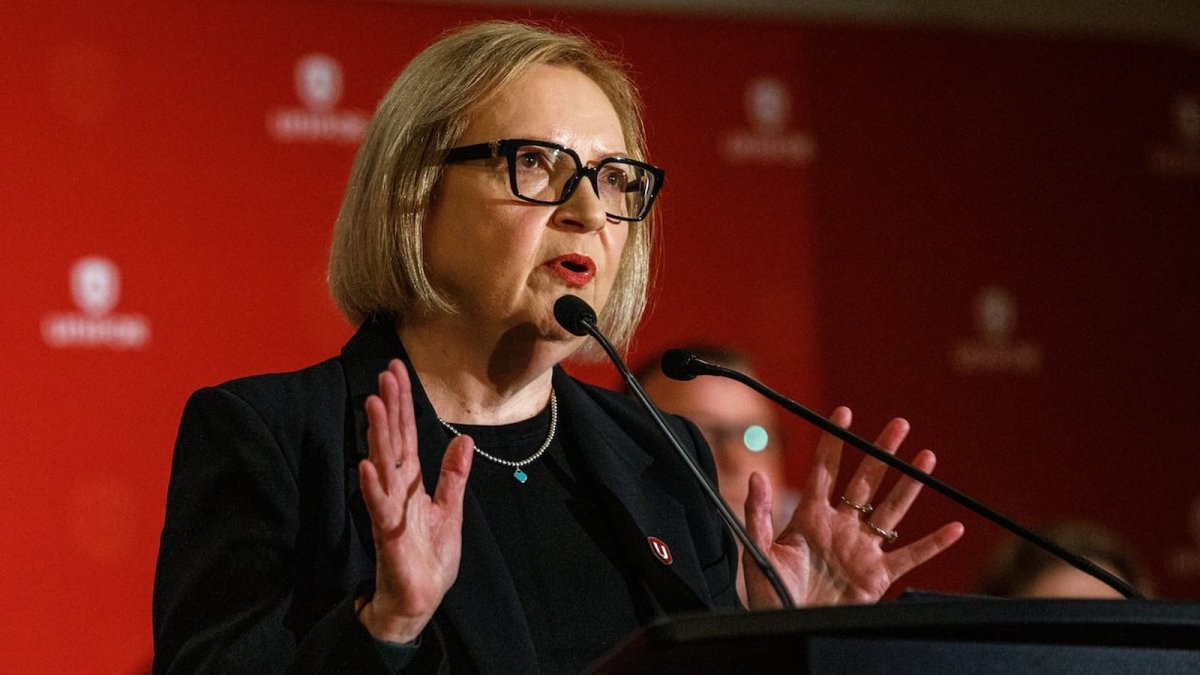
In a recent CBC News Power & Politics interview, Unifor national president Lana Payne delivered a stark warning about the future of Canadian auto manufacturing, telling the program's host that the union is prepared to fight "with everything we have" against Stellantis's plan to shutter the Brampton Assembly Plant.
In a recent CBC News Power & Politics interview, Unifor national president Lana Payne delivered a stark warning about the future of Canadian auto manufacturing, telling the program's host that the union is prepared to fight "with everything we have" against Stellantis's plan to shutter the Brampton Assembly Plant. The interview, conducted amid escalating trade tensions with the United States, framed the Brampton crisis as a bellwether for the entire Canadian automotive sector, with Payne insisting that "what's at stake here is Brampton, of course, but we're fighting for the whole industry right now." For the roughly 2,200 Unifor Local 1285 members who have built Chrysler, Dodge, and Jeep vehicles in Brampton for decades, the stakes could not be more personal.
Stellantis Threatens to Close Brampton Assembly Plant: Unifor Vows to Fight 'With Everything We Have' Amid Tariff War
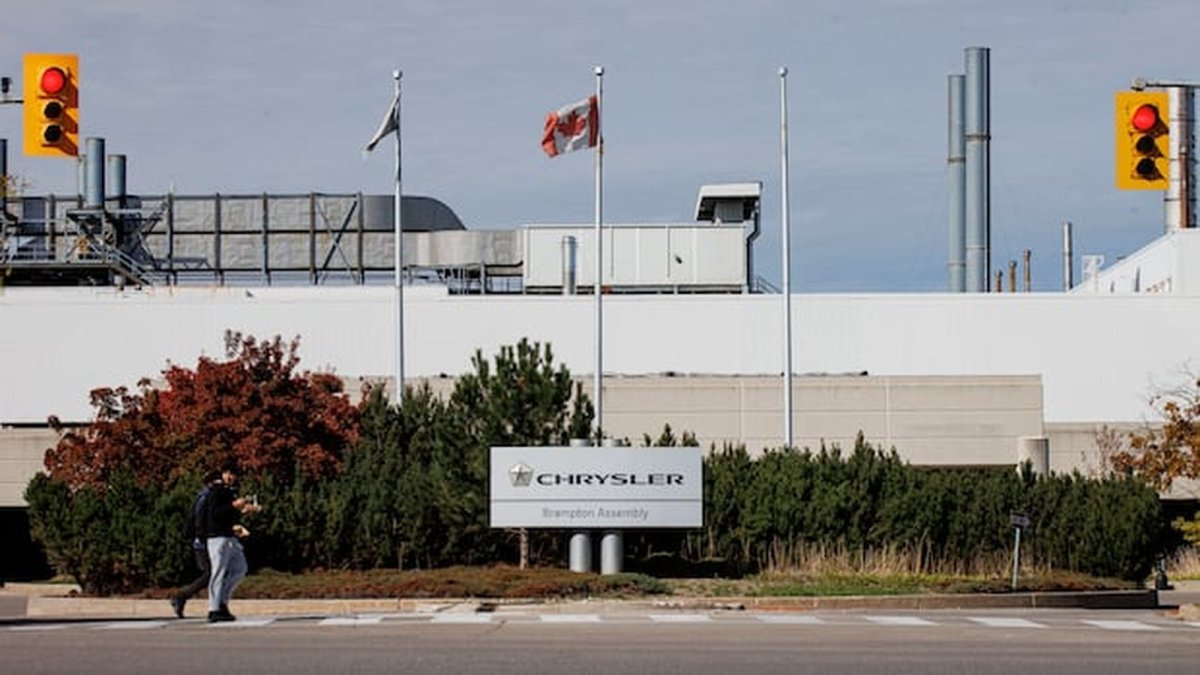
Brampton, Ont. – This week — Unifor says it was informed by Stellantis on Wednesday that the automaker is "seriously considering" the closure and sale of the Brampton Assembly Plant, a facility that has been the backbone of the city's manufacturing sector for over three decades. The news comes as the union prepares to enter collective bargaining with the company, and as the Canadian auto industry faces what Payne described as an existential threat from U.S. tariffs and protectionist trade policy.
The Story: An 'Egregious' Decision That Could End Brampton Auto Production
Unifor officials say Stellantis has not provided formal written notice of closure as required under the collective agreement, which mandates at least one year's notice before any plant shutdown. The lack of formal notice has not softened the blow for workers who have been waiting since late 2023 for the plant to be retooled for production of the Jeep Compass, a process that began in January 2024 but was paused in February 2025.
In October 2025, Stellantis informed the union that it was moving the Jeep Compass production slated for Brampton to a facility in Illinois, a decision Payne labelled "egregious" in the Power & Politics interview. The move would idle the Brampton plant indefinitely, effectively ending vehicle assembly in the city of 650,000 residents located just northwest of Toronto.
"To say that we are disappointed would be an understatement," Payne told reporters on Friday. "This is a gut punch to our union and to our members, most importantly to our members, the workers who have given everything to this plant."
Canadian Context: A Sector Under Siege From All Sides
The Brampton crisis cannot be understood in isolation. It is unfolding against the backdrop of the most aggressive U.S. trade action against Canada since the Smoot-Hawley Tariff Act of 1930. The United States has imposed tariffs of up to 50 per cent on steel, aluminium and copper, and a 25 per cent levy on finished vehicles and parts. New 50 per cent U.S. tariffs under Section 338 of the Tariff Act of 1930 on nearly $20 billion in annual Canadian imports are scheduled to take effect August 19, 2026 at 12:01 a.m. Eastern Time.
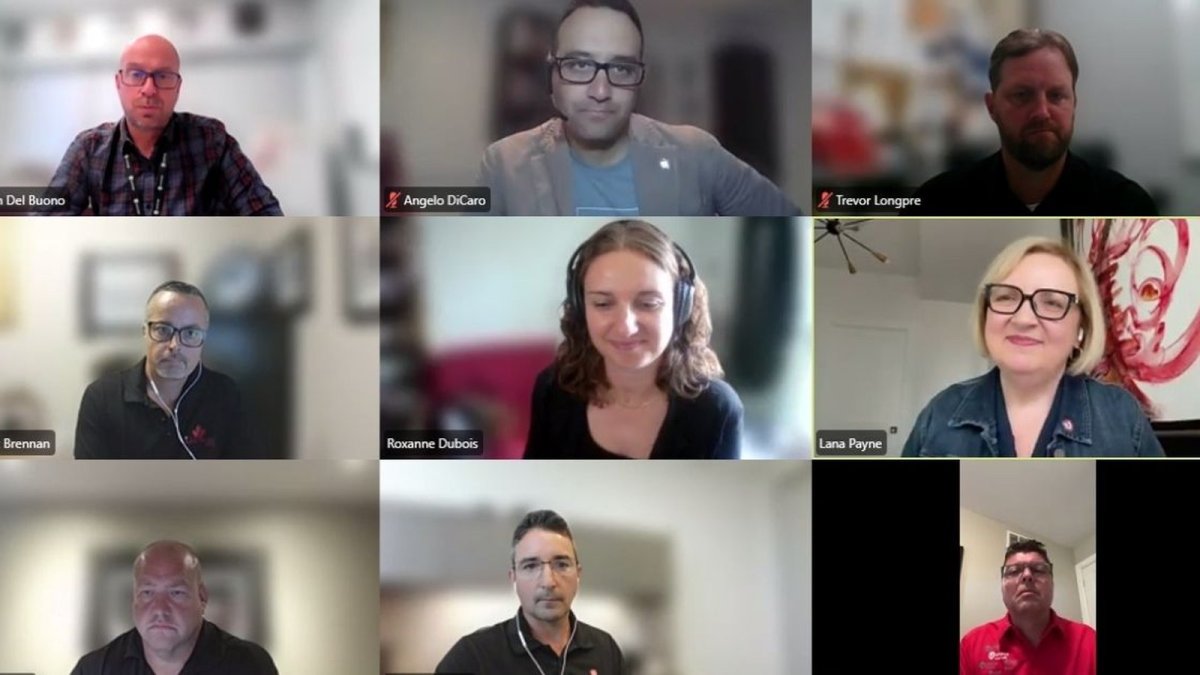
Unifor Research Director Angelo DiCaro warned during the union's Aug. 15 national webinar that more tariffs are coming, targeting heavy trucks, semiconductors, pharmaceuticals, aircraft, drones, wood products, critical minerals and polysilicon. He noted that while Canadian-made parts shipped directly to U.S. plants currently avoid tariffs under a temporary reprieve, parts inside Canadian-assembled vehicles exported to the U.S. are hit with the full 25 per cent levy — a structural disadvantage that makes Canadian assembly plants vulnerable.
Payne told Power & Politics that Canada must "do everything in this moment" to retain jobs and production until trade negotiations conclude. "We have been clear that a bad deal, that legitimizes tariffs with the United States is worse than no deal at all right now," she said during the union's national webinar. "This is the fight of our lives. We're up against a U.S. President who has been very clear about what he wants – he wants auto jobs and is willing to use extortion and threats on a daily basis to get them."
Impact on Workers and the Community: 'These Jobs Are Way Too Important to Lose'
The Brampton plant has been idle since late 2023, when production of the Chrysler 300, Dodge Charger and Dodge Challenger came to an end. Workers have been receiving "income security" payments replacing 70 per cent of their income while the plant sits idle, but that support is finite and the psychological toll of uncertainty is mounting.
Unifor Local 1285 president Vito Beato, who represents the Brampton workers, rejected the notion that the plant's fate is sealed. "To give up on workers now is the wrong move because these jobs are way too important to lose," Beato said. "This is not how the story ends for Brampton. You can mark my words."
The City of Brampton is standing firmly with the union. Mayor Patrick Brown's spokesperson Shawn Bubel confirmed that the City "stands firmly" with Unifor and workers, and noted that the municipality has zoned the plant's lands for automotive production, meaning they cannot simply be sold for another use without a zoning change. That zoning protection is a meaningful barrier to Stellantis's potential plan to sell the property, though it is not an absolute one.
Reactions and Analysis: A Test of Federal-Provincial Resolve
The federal government is walking a careful line between public support for workers and private negotiations with a multinational corporation. Riyadh Nazerally, spokesperson for Innovation, Science and Economic Development Canada, said Ottawa is "actively engaging with the company, Unifor and the Province of Ontario with a view to secure production, protect jobs and ensure long-term investment in Canada."
But Payne is demanding more than engagement. Unifor is urging Ottawa to deploy its $2 billion Strategic Response Fund to keep the auto sector afloat, and to maintain counter tariffs on U.S.-built vehicles. The union's position, articulated clearly in the Aug. 15 webinar, is simple: "If you sell in Canada, you must build in Canada."
The federal government previously gave Stellantis $105 million for Ontario plants before the automaker revealed its U.S. plans — a fact that has not been lost on union members or opposition critics. The Ontario government, meanwhile, has been publicly hostile to one potential lifeline for the plant: reports that Stellantis has held talks to build Chinese electric vehicles in Brampton were dismissed by Ontario Premier Doug Ford as "unacceptable."
Payne's re-election as Unifor national president, secured amid the tariff crisis, gives her a fresh mandate to lead the fight. But the challenges are mounting across the sector. General Motors has announced job and production cuts at its Oshawa and Ingersoll facilities, and Stellantis's Windsor plant has seen production slowdowns and a postponed third shift. The Brampton closure, if it proceeds, would be the first complete shutdown of a major Canadian assembly plant in decades.
What Happens Next: Bargaining, Tariffs, and the Fight for Canada's Auto Future
Unifor's contract with Stellantis, covering plants in Brampton, Windsor and Etobicoke, is due to expire Sept. 20. The union is currently in talks with General Motors and moves on to Stellantis next. The timing is not coincidental — Stellantis's threat to close Brampton comes as the company prepares to sit across the bargaining table from the union.
Stellantis issued a statement on Friday saying: "We are preparing to enter the collective bargaining process and have nothing to announce at this time. Our focus remains on finding a sustainable manufacturing solution for Brampton Assembly." The company's language — "sustainable manufacturing solution" — offers little comfort to workers who have heard similar euphemisms before.
Payne remains defiant. "There is absolutely no replacement for high paid union jobs developed under an auto sector collective agreement built up over 80 years," she said. "None of this is acceptable to our union and nor will it be acceptable to our members. The workers of Brampton and this country deserve so much better."
The coming weeks will be decisive. The Aug. 19 Section 338 tariff deadline looms, collective bargaining with Stellantis begins imminently, and the federal government's Strategic Response Fund remains largely unspent. Payne's message to Power & Politics viewers was clear: this is not just about one plant in one city. It is about whether Canada will remain an auto manufacturing nation, or whether the industry that has defined the Ontario economy for generations will be hollowed out by tariff threats and corporate opportunism.
For the workers of Brampton, for the union that represents them, and for the country that has benefited from their labour for more than eight decades, the fight is only beginning. As Payne put it: "We're going to fight with everything we have."
By Alex Thompson, Staff Writer
This article was produced with AI-assisted research and editorial support. Reporting is based on sources cited in the article.
What's Your Reaction?
 Like
0
Like
0
 Dislike
0
Dislike
0
 Love
0
Love
0
 Funny
0
Funny
0
 Wow
0
Wow
0
 Sad
0
Sad
0
 Angry
0
Angry
0

Canada Correspondent at Global1.News. Based in Toronto, covering Canadian politics, energy, trade, and US-Canada relations. Provides the Canadian perspective on North American and global affairs.












Comments (0)