
Valve says it might have to raise the price of supply-limited Steam Machines
Valve’s Steam Machine, the company’s long‑awaited foray into dedicated gaming hardware, is now staring down a familiar foe: supply‑chain constraints that could force a price hike.

Valve’s Steam Machine, the company’s long‑awaited foray into dedicated gaming hardware, is now staring down a familiar foe: supply‑chain constraints that could force a price hike. In a Thursday blog post, Valve warned that soaring memory and storage costs are “unprecedented,” leaving the firm unsure how many units it can produce or at what price. The 2 TB model, in particular, is flagged as “especially constrained.” As the final reservations from the initial launch batch are finally being fulfilled, the reality of a cost‑driven price adjustment looms large for gamers who have been waiting since the June launch.
Supply bottlenecks trace back to the launch
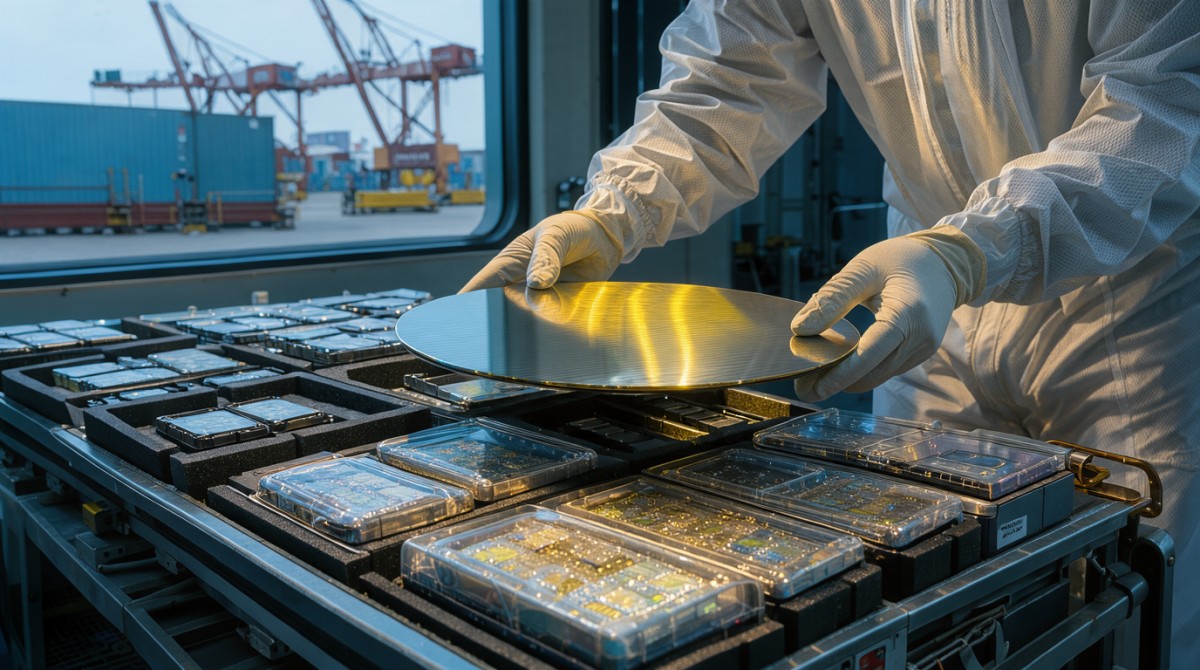
When Valve first shipped the Steam Machine in June, the company openly admitted it was delivering fewer units at a higher price than originally promised. The shortfall stemmed from an inability to secure enough RAM and storage components at a reasonable cost. This admission set the tone for the rollout: a niche hardware product hamstrung by the same semiconductor crunch that has plagued the broader tech industry.
Valve’s own words underscore the severity of the problem. “Memory and storage costs continue to increase at unprecedented levels,” the blog post read. The firm added that it does not yet know the quantity it can manufacture nor the price it will be able to offer. By flagging the 2 TB model as “especially constrained,” Valve signals that the higher‑capacity variant will likely be the first to feel the pinch, a reality that could reshape the product’s market positioning.
Valve’s bargaining power versus the console giants
Industry analysts make it clear that Valve’s negotiating leverage is limited. F‑Squared analyst Michael Futter noted that Valve “likely doesn’t have the same kind of priority as a Nintendo, Sony, or Microsoft when it comes to suppliers.” Those three giants command massive volumes and long‑standing relationships that translate into preferential treatment and pricing power.
Even Niko Partners analyst Daniel Ahmad echoed this point, describing the Steam Machine as “a niche product that cannot benefit in the same way when it comes to procurement.” While Sony, Microsoft, and Nintendo can still flex some influence over chip makers, Valve’s comparatively modest production runs leave it vulnerable to the same supply shocks that have already driven up component costs across the sector.
Sales performance: a modest stream amid console juggernauts
Valve has not disclosed total Steam Machine sales, but public Steam Top Sellers charts provide a rough gauge. In July, estimates suggested the company was moving between 12,000 and 15,000 units per week. By contrast, the PlayStation 5 has consistently averaged over 300,000 weekly sales worldwide throughout its six‑year lifespan. The disparity highlights the Steam Machine’s niche status and explains why Valve cannot wield the same supplier clout as the console titans.
Nonetheless, the weekly shipment figures indicate a steady, if modest, demand. The fact that Valve could sustain a 12,000‑plus weekly cadence without a massive marketing push suggests a loyal core of PC‑gaming enthusiasts willing to bet on Valve’s hardware vision. Yet that core is small enough that any supply‑side cost surge threatens to erode profit margins, making a price increase a plausible, if unwelcome, next step.
Reservation fulfillment and the dwindling waitlist
Valve recently announced that it has met the July promise that “everyone in the reservation queue will have the option to purchase by the end of this year.” The company claims there is “no waitlist remaining” for the 512 GB Steam Machine model, and that purchase invites have been sent to the remaining randomized 2 TB reservation holders who placed orders back in April.
In a surprising move, the 512 GB model briefly reappeared on the Steam Store just yesterday, even as Valve continues to pare down the waitlist for the 2 TB stock. This flash availability hints at a possible strategy to clear inventory of the lower‑capacity variant while the higher‑capacity units remain scarce—a tactic that could temper consumer frustration but also underscores the uneven supply landscape across the product line.
Potential price adjustments: what gamers can expect
If Valve follows through on a price hike, it will join Sony, Microsoft, and Nintendo, all of whom instituted “historically atypical” price increases in 2025 and have continued to raise prices this year. Those moves were driven by similar cost pressures, notably the global chip shortage and inflationary pressures on memory and storage components.
For the Steam Machine, any price increase would likely be most pronounced for the 2 TB model, given its explicit supply constraints. While Valve has not disclosed the current price points, the company’s admission that it “doesn’t yet know … at what price we’ll be able to offer them” suggests that any new pricing will be reactive rather than pre‑planned. Gamers should brace for a potential uptick that could push the 2 TB unit into a price bracket comparable to high‑end gaming PCs, narrowing the value proposition that initially attracted early adopters.
Looking ahead: updates and the future of the Steam Machine
Valve has promised to release additional updates on Steam Machine availability in January. Those communications will be crucial for the community, as they will likely clarify whether the company can stabilize supply or if a price adjustment is imminent. The timing also aligns with the post‑holiday market lull, a period when many hardware manufacturers reassess inventory and pricing strategies.
Beyond the immediate supply concerns, the Steam Machine’s trajectory will serve as a litmus test for Valve’s broader hardware ambitions. If the company can navigate the component crunch and maintain a competitive price, it could cement a foothold in the console‑adjacent market. Conversely, a steep price hike could alienate the very base that propelled the Steam Machine’s modest success, potentially curtailing future hardware ventures.
Consumer sentiment and the broader industry context
Gamers have expressed a mix of patience and frustration throughout the Steam Machine rollout. The initial promise of a lower‑priced, PC‑like console has been repeatedly tempered by supply shortages and higher costs. While the fulfillment of reservation invites offers a sigh of relief, the lingering uncertainty around pricing keeps many on edge.
In the broader industry, Valve’s plight mirrors a systemic issue: the semiconductor supply chain’s inability to keep pace with surging demand across gaming, automotive, and data‑center sectors. As memory and storage costs climb, manufacturers from boutique hardware firms to the biggest console makers are forced to reassess pricing structures. Valve’s situation is a microcosm of that larger challenge, and its next moves will be watched closely by both consumers and competitors alike.
This article was produced with AI-assisted research and editorial support. Reporting is based on the source material cited below. Sources: Ars Technica; arstechnica.com; Global1.News (21 November 2026).
By Jessica Ali, Staff Writer
What's Your Reaction?
 Like
0
 Dislike
0
 Love
0
 Funny
0
 Wow
0
 Sad
0
 Angry
0

Editor-in-Chief at Global1.News. Atlanta-based journalist who cuts through the BS and tells it like it is. Lead anchor, host, and the voice you hear when the spin stops and the truth starts.












Comments (0)