
Settler Assault on Tell Village Sparks Deadly Clashes and Reprisals in Occupied West Bank
Four Palestinians from the Ramadan family were killed and two Israelis died when armed settlers entered Tell village near Nablus on July 24, triggering military lockdowns, reprisal arson and urgent warnings from human rights groups.
In a recent Middle East Eye report titled "Why is West Bank violence only being covered now?", the deadly confrontation in the Palestinian village of Tell is placed within a longer trajectory of intensifying settler and military pressure on communities across the occupied West Bank. On the morning of July 24, 2026, dozens of armed settlers entered Tell, southwest of Nablus, triggering clashes that killed four Palestinians from the Ramadan family and two Israeli security personnel before broader reprisals and a large-scale military operation followed.
Settler Assault on Tell Village Sparks Deadly Clashes and Reprisals in Occupied West Bank
Nablus, Occupied West Bank – July 31, 2026 — Between 6:10 and 6:45 a.m. on July 24, roughly 40 to 50 settlers, some armed and including children, approached the village of Tell from the east. They came from the direction of the Havat Gilad settlement outpost less than two miles away and began attacking four or five Palestinian homes with stones while attempting to break inside. Tell lies in Area B under the Oslo II Accords, where joint Israeli-Palestinian Authority security arrangements apply, and Israeli civilians require military permission to enter, which the army stated had not been granted.
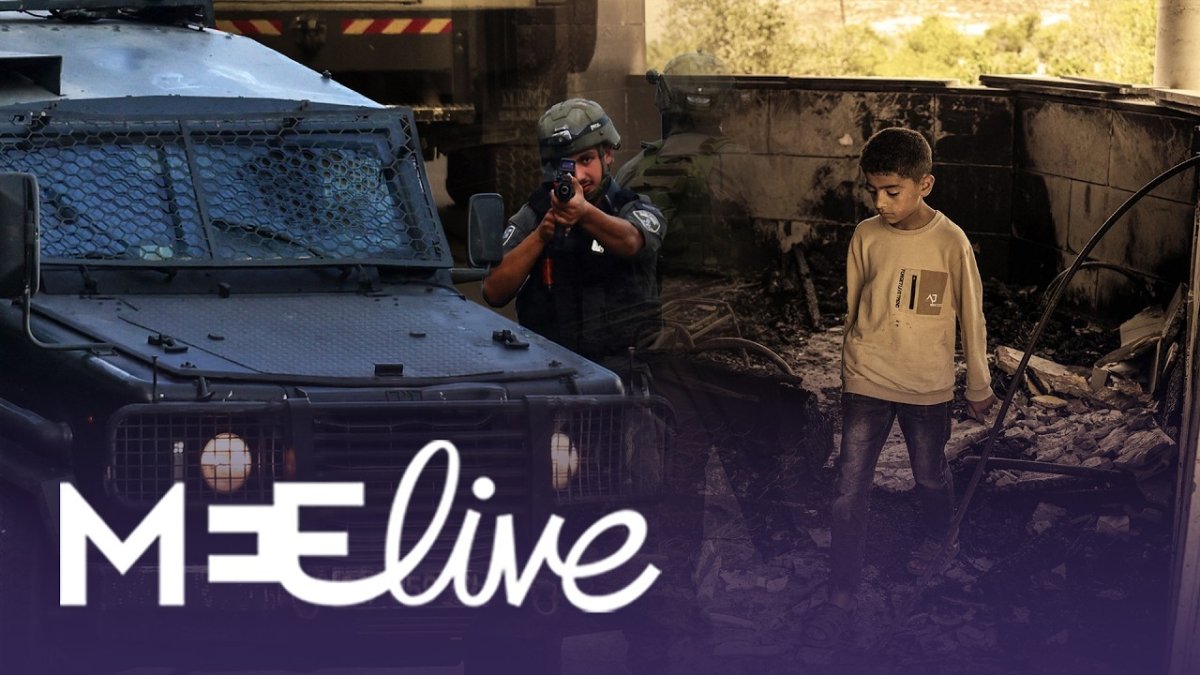
What Happened in Tell
Residents confronted the initial group after an armed settler wounded a Palestinian man. The settlers withdrew, only to return about thirty minutes later from the southwest, this time accompanied by Israeli soldiers. A Palestinian man disarmed a member of the Havat Gilad local security squad and opened fire, killing Master Sergeant (res.) Benayahu Mellet, 32, head of the outpost’s civil defense squad, and Major Yuval Ezra, 27, an active-duty battery commander in the 411th Battalion of the 282nd Artillery Brigade.
Israeli forces and settlers returned fire, killing four members of the Ramadan family: Farouq Adnan Ali Ramadan, Ibrahim Hussein Ali Ramadan, Jawad Hussein Ali Ramadan, and Omran Ahmad Ali Ramadan. Four other Palestinians were wounded, three critically. Human Rights Watch verified six videos and spoke with two witnesses and a local activist. Witness Mujahid Waleed described settlers attacking homes while soldiers stood by without intervening until a Palestinian seized a weapon. HRW documented that soldiers shot the disarmed Palestinian at close range and that settlers and troops fired on the other three unarmed men.
The Times of Israel reported that Mellet headed the civil defense squad established after October 7, 2023 by Israel's National Security Ministry, which gave settlers special policing powers, uniforms and weapons. HRW noted the blurring of the line between settlers and soldiers in such arrangements, which has contributed to the lethal outcomes seen in Tell.
The Ramadan Family
The four men killed belonged to the same extended family in Tell, a village of several thousand residents whose economy relies on agriculture and small-scale trade with Nablus. Family members told local activists that ambulances were prevented from reaching parts of the village for more than an hour. The deaths brought the Palestinian toll in the West Bank since July 19 to ten, according to figures compiled by the United Nations Office for the Coordination of Humanitarian Affairs.
Relatives described the men as ordinary villagers who had been working their land or responding to the intrusion on their homes. The incident marked the deadliest single attack in the West Bank in 2026 up to that point.
A Wave of Reprisals
Following the shooting, settlers launched attacks on nearby Palestinian communities. They set fire to homes, farms, vehicles, and two mosques. On one scorched wall, the Hebrew word “revenge” was written. These reprisals extended the pattern of settler violence that OCHA had already recorded as responsible for at least 13 Palestinian deaths in the West Bank in 2026 before July 19.
Local residents reported that the attacks destroyed olive groves and livestock sheds that sustain many families through the winter months. Palestinian officials described the burnings as an attempt to render daily life untenable in villages already hemmed in by settlement outposts.
Settler reprisals occurred under the protection or direct participation of the occupation army. Local leader Essam Saifi told Reuters that settlers attacked the eastern part of Tell and tried to break into homes. Residents reported eight more Palestinians hospitalised with gunshot wounds in nearby towns.
The Government Response
Prime Minister Benjamin Netanyahu convened an emergency security meeting and announced the redeployment of five additional military battalions for what the army termed an “intensive counterterrorism operation.” Troops imposed lockdowns on Tell and Nablus, while IDF commandos raided a hospital in Nablus and detained two wounded Palestinians. More than 70 Palestinians were arrested, over 40 of them in Tell alone, with some homes turned into temporary interrogation sites.
Finance Minister Bezalel Smotrich called for establishing a new settlement at the Sela outpost near Tell and transferring the area from Area B to full Israeli control under Area C. National Security Minister Itamar Ben-Gvir wrote on X that Palestinian villages “should be treated the same way Beit Hanoun was treated in Gaza,” adding that “for every Jew murdered the enemy must absorb the loss of lands and homes.”
A Village Under Lockdown
IDF troops locked down Tell and Nablus in the immediate aftermath, canceling weekend furloughs for soldiers and deploying five additional combat companies to the area. Dozens of communities across the northern West Bank were placed under similar lockdown measures, restricting movement and access to essential services for residents already strained by prior restrictions.
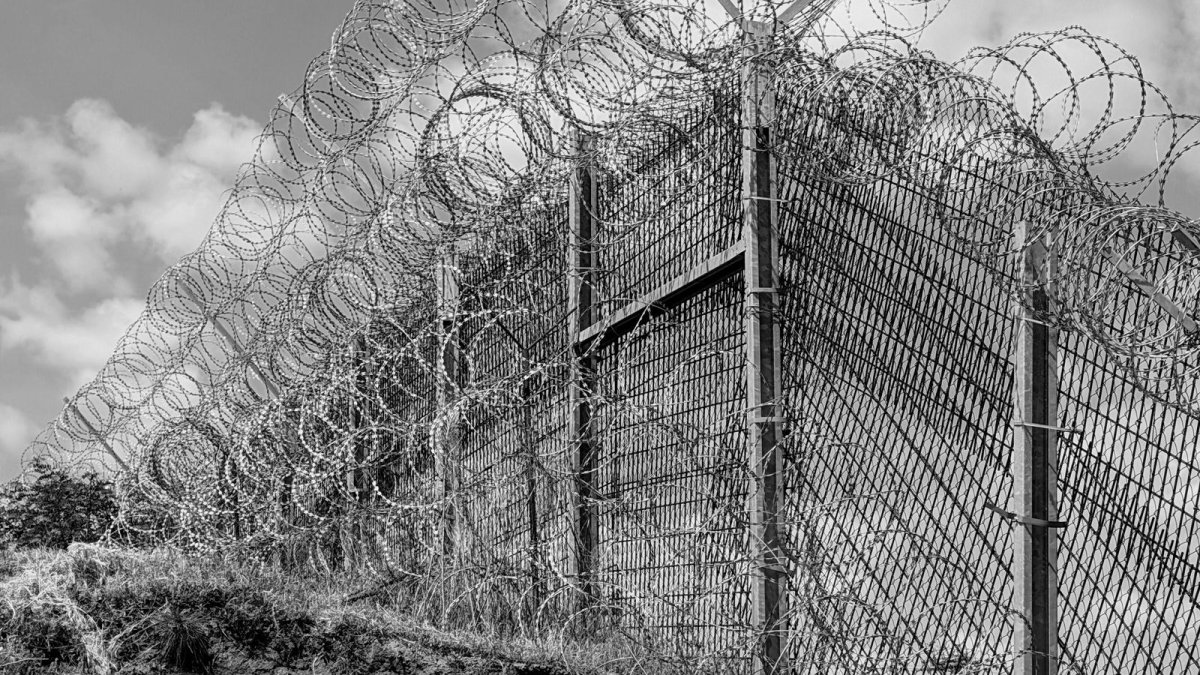
The hospital raid in Nablus formed part of this intensified operation, with forces detaining wounded Palestinians from the clashes. This approach echoes the January 2025 operation in Nablus and Tulkarem refugee camps that HRW found amounted to war crimes, crimes against humanity and ethnic cleansing. Smotrich referenced making villages “look like” those camps, signaling a deliberate policy of heightened military presence that disrupts daily life for families reliant on agriculture and local markets.
Residents in Tell described the lockdown as turning routine activities into ordeals, with checkpoints blocking access to fields and medical care. The deployment of extra companies has meant sustained patrols through residential areas, heightening tensions in communities where economic survival depends on uninterrupted movement to Nablus.
A Powder Keg Under Occupation
Human Rights Watch researcher Sarah Sanbar stated that “years of lawlessness and impunity for attacks has turned the West Bank into a powder keg waiting to explode.” The organization urged targeted sanctions, suspension of arms transfers to Israel, a ban on trade with settlements, and support for International Criminal Court investigations. UN Special Rapporteur Francesca Albanese condemned the assaults as “pogroms against defenseless civilians” and renewed calls for an arms embargo and trade sanctions.
The Palestinian Foreign Ministry described the events as “a renewed image of the ongoing Nakba” and rejected Israeli efforts to portray the attackers as victims. Since October 2023, more than 1,090 Palestinians, including at least 239 children, have been killed in the West Bank by Israeli forces and state-backed settlers, with over 6,800 injured and more than 10,000 forcibly displaced.
Settler violence spiked most recently in March and April 2026 during the US and Israel's war with Iran. The ICJ July 2024 finding detailed that the occupation is unlawful and breaches the prohibition of racial segregation and apartheid. OCHA reported 20 Israelis injured in the West Bank as of July 15, 2026.
Analysis and Implications
The July 24 events occurred under Israel’s most right-wing government in history, which took office in December 2022. Settler violence has risen sharply since then, coinciding with expanded outpost activity and reduced accountability. The International Court of Justice ruled in July 2024 that the occupation is unlawful and breaches the prohibition of racial segregation and apartheid.
Communities around Nablus continue to face movement restrictions, home demolitions, and loss of farmland. The transformation of the West Bank into a landscape of fortified outposts and locked-down villages has deepened economic isolation for Palestinian families whose livelihoods depend on access to fields and markets in Nablus.
The July 24 killings brought the Palestinian death toll in the West Bank since July 19 to 10. Hundreds of thousands of Palestinians in the northern West Bank face intensified military pressure. This occurs ahead of upcoming Israeli elections due in October, with Netanyahu seeking to project strength amid the ongoing crisis.
Looking ahead, the risk of further escalation remains acute as military deployments and settler activity continue to intersect in villages around Nablus, imposing a mounting human cost on families already navigating restricted movement, economic strain, and repeated loss.
By Fatima Al-Rashid, Staff Writer
This article was produced with AI-assisted research and editorial support. Reporting is based on sources cited in the article.
What's Your Reaction?
 Like
0
Like
0
 Dislike
0
Dislike
0
 Love
0
Love
0
 Funny
0
Funny
0
 Wow
0
Wow
0
 Sad
0
Sad
0
 Angry
0
Angry
0
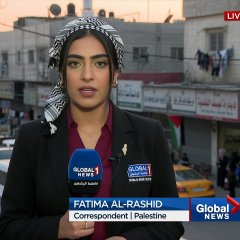
Gulf/MENA Correspondent at Global1.News. Based in Doha, covering Gulf politics, energy markets, diplomacy, and development across the Middle East and North Africa. Tracks the economic transformation of the Gulf states.











Comments (0)