
Saudi Arabia Crosses the Rubicon: Joint US-Saudi Airstrikes Reshape Iraq's Sovereignty and the Iran Conflict
In a dramatic escalation that reshapes the strategic landscape of the Middle East, Saudi Arabia joined the United States on July 29 in coordinated airstrikes against Iran-backed militias across seven Iraqi provinces — marking Riyadh's first direct military intervention in Iraqi territory since the 1991 Gulf War.
In a dramatic escalation that reshapes the strategic landscape of the Middle East, Saudi Arabia joined the United States on July 29 in coordinated airstrikes against Iran-backed militias across seven Iraqi provinces — marking Riyadh's first direct military intervention in Iraqi territory since the 1991 Gulf War. The strikes killed at least 20 members of Iraq's Popular Mobilization Forces and prompted Prime Minister Ali al-Zaidi to cancel his first official visit to the Saudi capital, dealing a severe blow to Baghdad's delicate balancing act between Tehran and its Gulf Arab neighbors.
Saudi Arabia Crosses the Rubicon: Joint US-Saudi Airstrikes Reshape Iraq's Sovereignty and the Iran Conflict
Beirut, Lebanon – July 30, 2026 — The decision by Saudi Arabia to deploy its warplanes over Iraqi skies in coordination with US Central Command represents a watershed moment six months into the US-Iran conflict. What began on February 28, 2026 as a direct confrontation between Washington and Tehran has now drawn in the Gulf's most consequential power, with implications that extend far beyond the immediate battlefield.
US Central Command said the strikes targeted "Iran-aligned terrorists that the Islamic Revolutionary Guard Corps directed to attack US forces and Saudi energy infrastructure." CENTCOM cited "over 30 IRGC-directed aerial drone attacks in the last 72 hours" as the proximate cause, while Saudi Defense Ministry spokesman Major General Turki al-Maliki said the Kingdom acted under its "right to self-defense" after drones targeted oil facilities in the Eastern Province and Riyadh regions on July 27 and 28.
A Fractured Iraq: Sovereignty Under Fire
The airstrikes hit PMF bases in Baghdad, Wasit, Nineveh, Basra, Kirkuk, Karbala, and Diyala provinces. The PMF — an umbrella organization of mostly Shia Muslim militias formally integrated into the Iraqi armed forces but operating with significant autonomy and close ties to Iran's IRGC — said at least 20 of its members were killed and 32 wounded. Iranian and Iraqi media reported that four IRGC advisers were also among the dead.
Iraqi Prime Minister Ali al-Zaidi convened an emergency National Security Council meeting that condemned the strikes as "a flagrant violation of Iraq's sovereignty and the sanctity of its lands." The Council described the attacks as "an aggression in contravention of the principles of international law and the United Nations Charter." Baghdad also demanded evidence that the drone attacks on Saudi Arabia were launched from Iraqi territory, with the spokesperson for the commander-in-chief of Iraq's armed forces telling the Iraqi News Agency that "no party has provided any evidence."
The cancellation of Zaidi's scheduled July 31 visit to Riyadh — his first since assuming office in May — was confirmed by two regional officials and a Western diplomat speaking to Al-Monitor. The visit was meant to be a cornerstone of Zaidi's diplomatic strategy to reorient Iraq away from Tehran's orbit and toward closer ties with the Gulf states and Washington. His first foreign trip after becoming prime minister was to the United States, where he was hosted by President Donald Trump, and he had followed that with visits to Iran last week and Turkey on Tuesday.
Saudi Arabia's Strategic Calculus: From Caution to Intervention
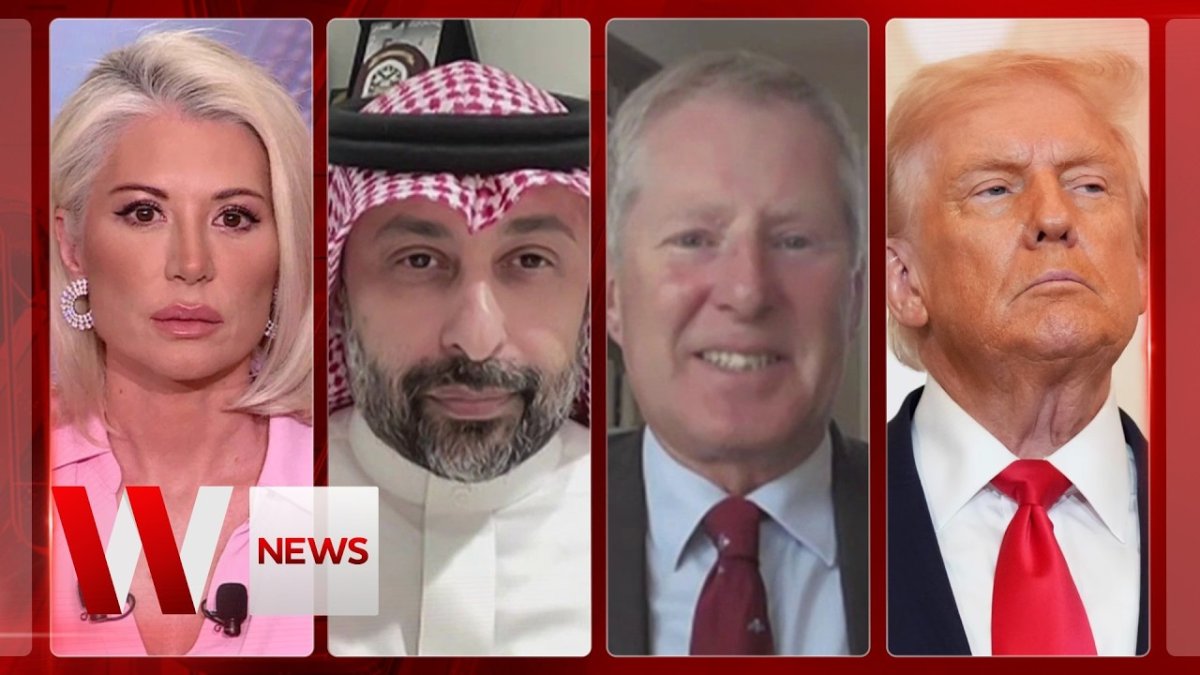
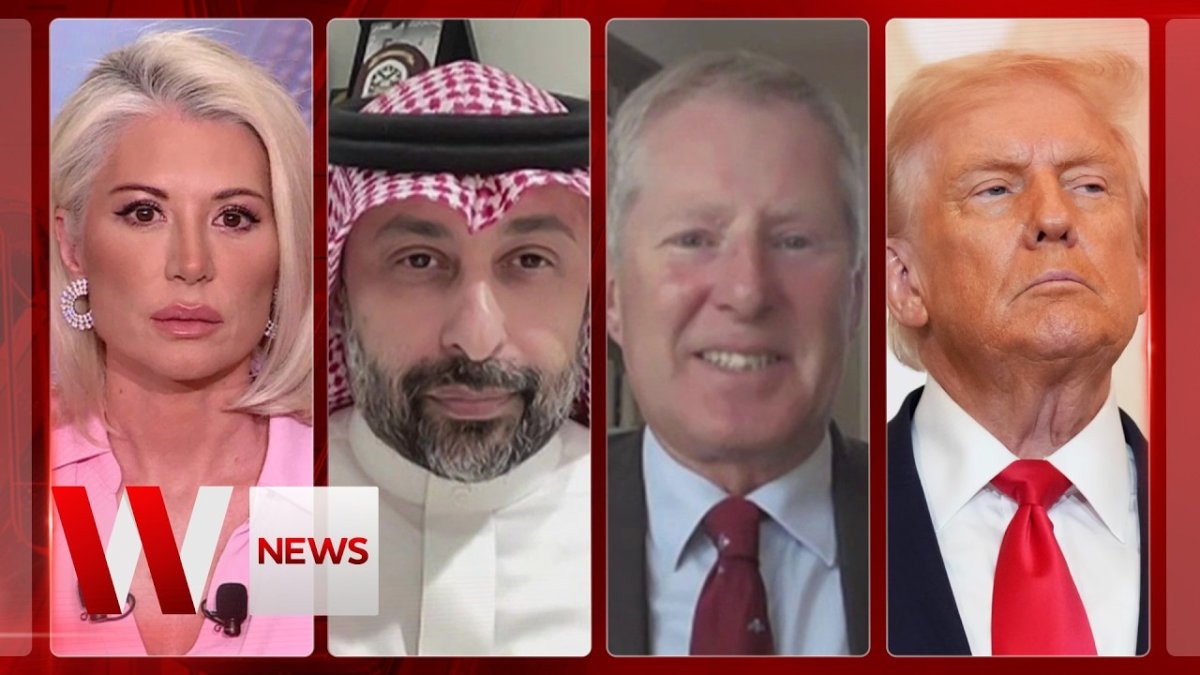
Saudi Arabia had maintained what analysts described as "cautious neutrality" for the first six months of the US-Iran conflict. The Kingdom's entry into direct hostilities marks a fundamental shift in its strategic posture. Dr. Hesham Alghannam, a nonresident scholar at the Malcolm H. Kerr Carnegie Middle East Center in Riyadh who was interviewed on Al Arabiya English, explained that while the cancelled Riyadh visit is a setback, it does not represent the end of Iraq-Saudi relations.
The Saudi Defense Ministry statement was carefully calibrated. Major General al-Maliki said the strikes hit "specific targets belonging to those militias" and reiterated that "the Kingdom of Saudi Arabia does not seek escalation but will respond decisively to any aggression directed against it." Yet Saudi Defense Minister Prince Khalid bin Salman is expected in Washington on July 30, diplomatic sources confirmed, suggesting coordination at the highest levels.
The Washington Times reported Alghannam's observation that Iraq's pursuit of alternative pipeline routes to the Mediterranean and through Turkey "confirms that even Iraq now treats the Strait of Hormuz as unreliable." Those overland routes run through the very provinces bombed on Wednesday — a geographic coincidence that underscores the interconnected nature of Iraq's energy infrastructure, sovereignty, and security.
Iran's Proxy Network Responds: Kataib Hezbollah and the Houthi Dimension
The Islamic Resistance in Iraq, an umbrella coalition of Iran-backed groups, denied any role in the attacks on Saudi Arabia, calling the Saudi claims "fabrications" and warning that "any foolish Saudi action will be met with a harsh response." Kataib Hezbollah, one of the most powerful Iran-aligned Iraqi paramilitary groups, issued a more specific ultimatum: it gave the Iraqi government until August 6 to demonstrate it can defend the country's sovereignty, stating that an "immediate response to the US-Saudi attack is inevitable."
The crisis has a Yemeni dimension that cannot be ignored. In a related development, the Houthi rebels in Yemen announced they had attacked Saudi energy facilities in coordination with the Iraqi militias — a sign of deepening operational coordination across Iran's network of regional proxies. This axis, stretching from Tehran through Baghdad and Damascus to Sanaa, represents the most significant strategic challenge to Saudi Arabia's security since the 2019 Abqaiq-Khurais attacks.
Energy Markets and the Strait of Hormuz: The Economic Shockwaves
The strikes come at a precarious moment for global energy markets. Iran's IRGC navy claimed it had struck three oil tankers in the Strait of Hormuz after they "ignored warnings" and sailed along what it described as an "unsafe and illegal route" through the vital Gulf waterway. The Strait of Hormuz handles approximately 20 million barrels of oil per day — roughly one-fifth of global consumption — and any sustained disruption would have immediate consequences for world energy prices.
Saudi Arabia's decision to enter the conflict directly alters the risk calculus for energy markets. The Kingdom's oil infrastructure, including the Abqaiq processing facility and Ras Tanura export terminal, represents the world's most concentrated target set for Iran-aligned proxies. If Iran-backed militias in Iraq, the Houthis in Yemen, and Iranian naval forces in the Gulf coordinate their attacks, Saudi Arabia's ability to maintain production levels would face an unprecedented test.
Iraq's own energy infrastructure is also at risk. The country is OPEC's second-largest producer, pumping approximately 4.3 million barrels per day, and its export routes through the Gulf and via pipeline to Turkey are now vulnerable. Iraq's pursuit of pipeline diversification — including the planned Basra-Haditha-Aqaba route to the Red Sea — takes on new urgency in light of the strikes.
The Great Power Dimension: Trump, Russia, and Regional Realignments
President Trump told Fox News that the US-Saudi attacks had been coordinated with the Iraqi government and described the Iran-backed militias as a "cancer on the world." His administration's posture — leading direct strikes from Jordan and Iraq while coordinating with Riyadh — represents a significant escalation of the US military footprint in the region. The US said Iran had launched an "attempted surprise attack" on US forces in Jordan on July 28, with all missiles "successfully intercepted."
Russia's position in this evolving conflict remains a critical variable. Moscow has maintained diplomatic channels with both Tehran and Riyadh, and the expansion of the conflict into Iraq creates new complications for Russian strategic interests in the Middle East. China, which signed a landmark strategic partnership with Iran in 2021 and is the largest buyer of Iranian oil, faces its own dilemmas as Gulf energy security becomes entangled with the US-Iran confrontation.
The Path Forward: Can Zaidi's Balancing Act Survive?
Iraqi Prime Minister Zaidi has set September 30 as a deadline for surrendering weapons held outside state institutions — a direct challenge to the PMF's autonomous military capacity. The US-Saudi strikes have simultaneously strengthened his argument that unchecked militias invite external intervention while weakening his political position by demonstrating that Iraq cannot protect its own sovereignty.
The PMF's funerals in Mosul drew mourners calling for revenge, and protests in Baghdad demanded the expulsion of the Saudi ambassador. The Iraqi government is now caught between a domestic population angry at the violation of national sovereignty and the reality that it lacks the military capacity to prevent either the militias from operating on its territory or its Gulf neighbors from striking back.
Dr. Alghannam's assessment — that the cancelled visit is a setback but not the end of Iraq-Saudi relations — may prove optimistic. The Saudi-Iraqi relationship, painstakingly rebuilt over the past decade since Riyadh reopened its embassy in Baghdad in 2015, now faces its most serious test. For Saudi Arabia, the decision to strike Iraqi territory represents a calculated gamble that the long-term benefits of degrading Iran's proxy network outweigh the short-term damage to bilateral relations with Baghdad.
Regional Implications: A New Phase in the Middle East Conflict
Saudi Arabia's entry into the US-Iran war opens a dangerous new chapter. The conflict, which began with direct US-Iran exchanges in February and has since drawn in Israel, has now expanded to include the Gulf's preeminent Arab power. The risk of miscalculation multiplies with each new actor: a stray missile, a misidentified target, or an unintended escalation could trigger a wider conflagration that no single actor can control.
For the Gulf states watching from the sidelines — the United Arab Emirates, Qatar, Kuwait, Bahrain, and Oman — Saudi Arabia's decision to cross the threshold from passive defense to active offense reshapes the security architecture of the Arabian Peninsula. The GCC states that have maintained varying degrees of distance from the conflict must now calculate whether they can continue to stay out as the war expands.
The next 48 hours will be decisive. The arrival of Saudi Defense Minister Prince Khalid bin Salman in Washington, the Kataib Hezbollah deadline of August 6, and the potential for further Iranian retaliation through its proxy network will determine whether this escalation remains contained or spirals into a broader regional war. What is certain is that the Middle East's strategic landscape has shifted — and there is no easy path back to the status quo ante.
By Malik Hassan, Staff Writer
This article was produced with AI-assisted research and editorial support. Reporting is based on sources cited in the article.
What's Your Reaction?
 Like
1
Like
1
 Dislike
0
Dislike
0
 Love
0
Love
0
 Funny
0
Funny
0
 Wow
0
Wow
0
 Sad
0
Sad
0
 Angry
0
Angry
0

Middle East Correspondent at Global1.News. Based in Beirut, covering politics, conflict, energy, and society across the Middle East. Brings context and depth to a region often reduced to headlines.














Comments (0)