
Saskatchewan Party co-founder Krawetz dead at 75
Ken Krawetz, a name long associated with the rise of the Saskatchewan Party and the championing of the province’s Ukrainian community, died at the age of 75.
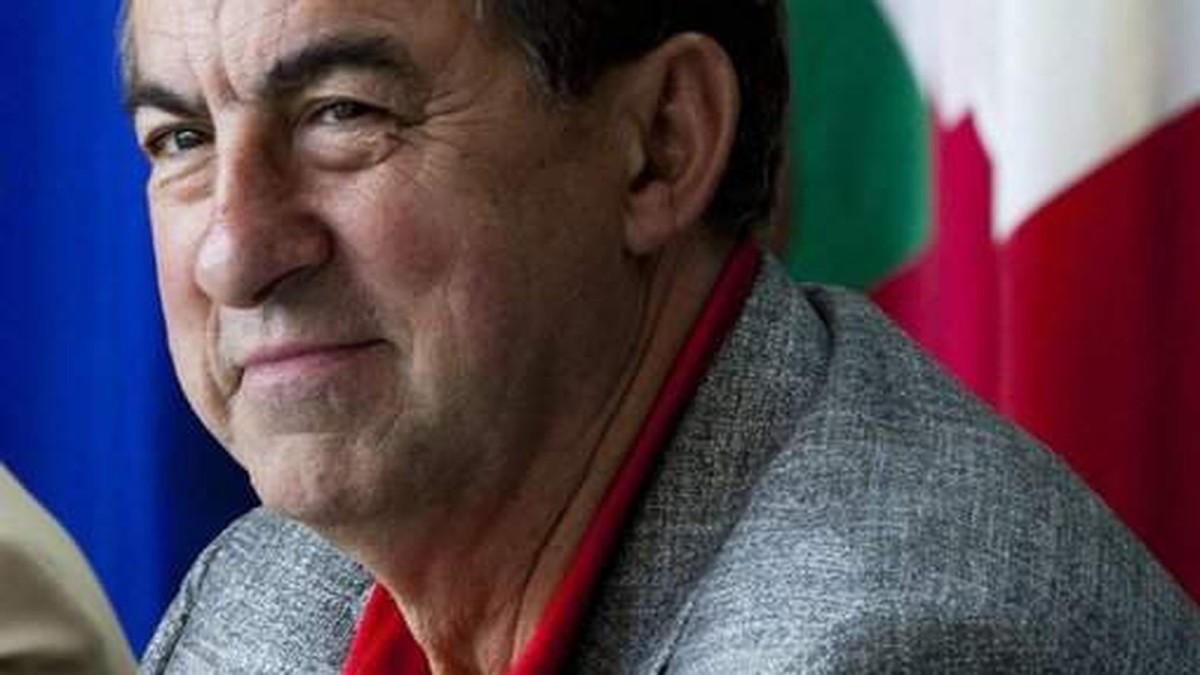
Ken Krawetz, a name long associated with the rise of the Saskatchewan Party and the championing of the province’s Ukrainian community, died at the age of 75. The announcement, made by Premier Scott Moe on social media, prompted an immediate call for flags to be lowered to half‑mast at the legislative building in Regina, a gesture that reflects the respect Krawetz earned across party lines and among community groups.
From rural roots to provincial leadership
Krawetz first entered the Legislative Assembly in 1995, a period when Saskatchewan politics was undergoing a realignment that would eventually give rise to the Saskatchewan Party. His election marked the beginning of a career that would span more than two decades, during which he helped shape the party’s identity and policy direction.
Throughout his tenure, Krawetz was recognised for his steady presence in the caucus. He moved from back‑bencher to senior cabinet roles, serving as deputy premier and taking on the portfolios of education and finance. Those appointments underscored his reputation as a pragmatic manager and a voice of moderation within a party that has often been characterised by its fiscal conservatism and focus on rural interests.
Deputy premier and cabinet responsibilities
As deputy premier, Krawetz worked closely with Premier Moe, providing counsel on a range of issues from budgetary planning to education reform. His time as minister of education saw him navigate the challenges of a province where school funding and rural school closures remain contentious topics. While specific policy outcomes are not detailed in the source, his role placed him at the centre of debates that affect families across Saskatchewan’s vast geography.
Later, as finance minister, Krawetz oversaw fiscal policy during a period when the province continued to balance resource‑driven revenue with the need for public investment. His stewardship of the treasury was marked by a commitment to fiscal responsibility, a hallmark of the Saskatchewan Party’s platform.
Champion of the Ukrainian community
Krawetz’s most enduring legacy, according to the tribute from Premier Moe, lies in his advocacy for Saskatchewan’s Ukrainian community. He was instrumental in shepherding the Holodomor Memorial Day Act through the legislature, a piece of legislation that recognises the 1932‑33 famine that devastated Ukraine and acknowledges its impact on the diaspora in Canada.
The act not only provides a day of remembrance but also serves as a cultural bridge, reinforcing the historic ties between Ukrainian Canadians and their heritage. Krawetz’s work on this legislation reflected a broader commitment to multiculturalism and the preservation of community memory, values that resonate strongly in a province where Ukrainian settlement dates back to the early twentieth century.
Personal touches and public affection
Premier Moe’s comments highlighted Krawetz’s affection for family, community, and even the Toronto Maple Leafs—a detail that humanised a figure often seen through the lens of politics. The reference to the “woebegone” Maple Leafs added a note of humility, suggesting a man who could find humour and loyalty in the simple pleasures of sport.
Colleagues and constituents remembered Krawetz as a steady, approachable presence. His ability to connect with voters in rural ridings, combined with his advocacy for cultural groups, earned him a reputation as a bridge‑builder—someone who could navigate the sometimes divergent priorities of fiscal policy and community representation.
Impact on Saskatchewan Party’s evolution
The Saskatchewan Party, founded in the early 1990s, grew from a coalition of former Liberal and Progressive Conservative members seeking a new political home. Krawetz’s role as a co‑founder placed him at the heart of that transformation. While the source does not enumerate specific strategic decisions, his long service suggests he contributed to shaping the party’s platform around economic development, rural interests, and a measured approach to social policy.
His presence in senior cabinet roles also signalled the party’s confidence in his leadership. By holding the finance and education portfolios, Krawetz helped anchor the party’s credibility on issues that directly affect everyday Canadians—school funding, tax policy, and provincial budgeting.
Legacy in the context of Canadian multicultural policy
Krawetz’s work on the Holodomor Memorial Day Act aligns with Canada’s broader commitment to multiculturalism and the recognition of historical injustices. While the act is provincial, it contributes to a national tapestry of remembrance, echoing similar initiatives in other provinces that honour the experiences of immigrant communities.
His advocacy underscores how provincial legislators can influence cultural policy, offering a model for other regions seeking to acknowledge the histories of their own diaspora populations. The act’s passage demonstrates the capacity of a provincial parliament to enact symbolic legislation that carries weight in the collective memory of a community.
Reflections on a life of public service
As Saskatchewan mourns the loss of Ken Krawetz, the province reflects on a career that combined political acumen with genuine community engagement. The lowering of flags to half‑mast at the legislature is a visible sign of respect, signalling that his contributions will be remembered long after his passing.
Future leaders within the Saskatchewan Party and the broader provincial landscape will inherit a legacy of balanced governance and cultural advocacy. Krawetz’s example—rooted in family, community, and a measured approach to public policy—offers a template for how elected officials can serve both their constituents and the diverse fabric of Canadian society.
This article was produced with AI-assisted research and editorial support. Reporting is based on the source material cited below. Sources: Global News Canada; globalnews.ca; Global1.News (01 October 2026).
By Alex Thompson, Staff Writer
What's Your Reaction?
 Like
0
Like
0
 Dislike
0
Dislike
0
 Love
0
Love
0
 Funny
0
Funny
0
 Wow
0
Wow
0
 Sad
0
Sad
0
 Angry
0
Angry
0

Canada Correspondent at Global1.News. Based in Toronto, covering Canadian politics, energy, trade, and US-Canada relations. Provides the Canadian perspective on North American and global affairs.












Comments (0)