
Rotten Meat, Expired Milk: Bengaluru Food Raids Shut UB City Pub, 132 kg Seized
A Bengaluru pub inside the city's upscale UB City luxury mall has been shut down after Karnataka's food safety authorities found rotten chicken, fungus-infested beef and dairy products nearly two weeks past their expiry dates in its kitchen. The August 10 action — which saw 132 kg of unfit food articles and 15 litres of used cooking oil seized or discarded across the city — is the second phase of a widening crackdown by the Food Safety and Drug Administration (FSDA) that...
A Bengaluru pub inside the city's upscale UB City luxury mall has been shut down after Karnataka's food safety authorities found rotten chicken, fungus-infested beef and dairy products nearly two weeks past their expiry dates in its kitchen. The August 10 action — which saw 132 kg of unfit food articles and 15 litres of used cooking oil seized or discarded across the city — is the second phase of a widening crackdown by the Food Safety and Drug Administration (FSDA) that began with raids on 26 three-star and five-star hotels barely 48 hours earlier.
Rotten Meat, Expired Milk: Bengaluru Food Raids Shut UB City Pub, 132 kg Seized
Bengaluru, Karnataka – August 10, 2026 — The kitchen of Skyye Lounge, a pub at the UB City luxury mall, was ordered closed after inspectors found the premises being maintained in an unhygienic condition, with rotten chicken and beef — fungus visibly growing on the meat — alongside milk and curd whose expiry dates had passed by around 10 days. In all, 51 kg of food articles at the pub, including 45 kg of rotten chicken and beef and 6 kg of vegetable cutlets, were declared unfit for consumption and destroyed as per procedure, while another 15 litres of used cooking oil was disposed of.
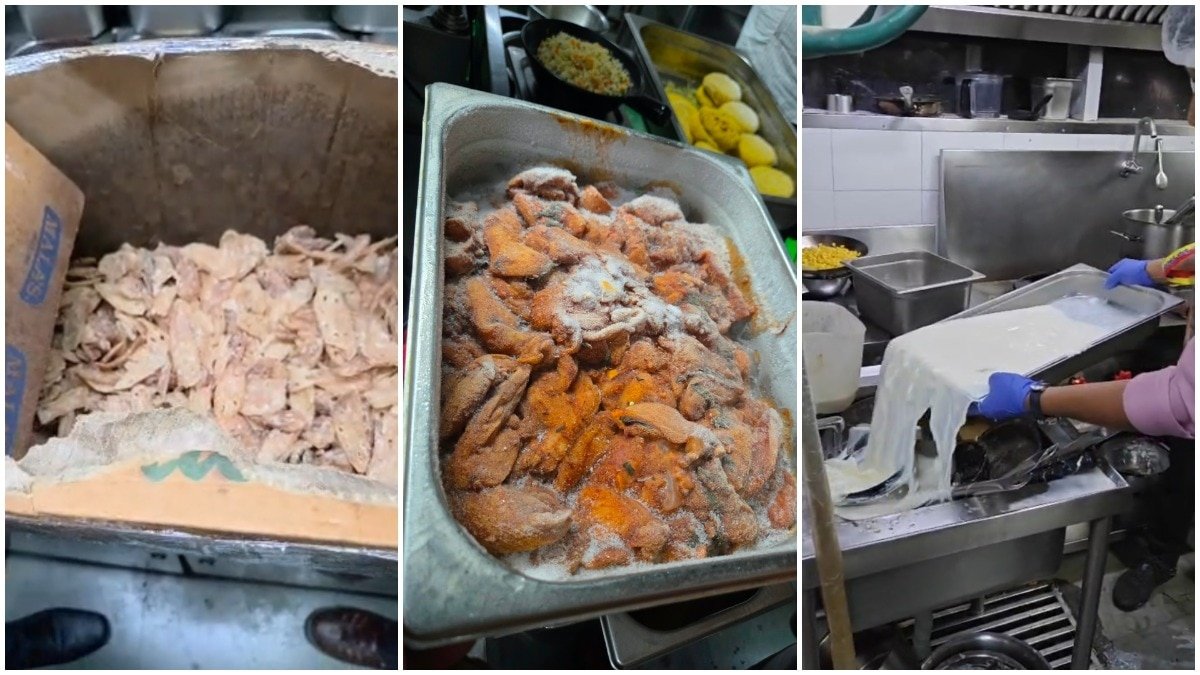
The Raid at UB City: What Inspectors Found
The inspection of Skyye Lounge was part of a wider special drive launched by the FSDA to check food storage facilities operated by food business operators across Bengaluru Urban district and BBMP zones. The department constituted 30 teams comprising Designated Officers and Food Safety Officers for the exercise. On August 8, those teams inspected food storage facilities in different parts of Bengaluru that supply food materials, mutton and fish to national and international hotels and other caterers, examining storage conditions, the quality of food products and the safety measures followed at each facility.
The findings at Skyye Lounge followed the pattern that had emerged days earlier at star hotels: unhygienic kitchens, expired perishables and improperly stored food. Officials collected five meat samples and 13 other food samples during the inspections and sent them for laboratory analysis, while around 10 litres of beverages, including strawberry-flavoured drinks and other beverages nearing their expiry dates, were seized and confiscated.
Beyond the Pub: Seizures Across Bengaluru's Eateries
The drive did not stop at UB City. At the Royal Chain Hotel, officials seized 50 kg of duck and 5 kg of fish, taking the total quantity seized there to 55 kg. At Madras Kitchen, 5 kg of green peas was seized, while 5 kg of mushrooms was confiscated from Tescon Hotel. At Senchez Hotel, officials seized 3 kg of fish, while another 7 kg of food items — comprising cake, potatoes and tacos — was discarded after being found unsuitable for consumption.
Food storage and distribution centres operated by Coldman Logistics and Radhakrishna Foodland, which supply food products to several reputed hotel establishments in Bengaluru, were also inspected. At these facilities, around 70 kg of soy sauce and various other sauces nearing their expiry dates were found and seized. The department said legal action would be initiated against food business operators found violating food safety and quality requirements under the Food Safety and Standards Act.
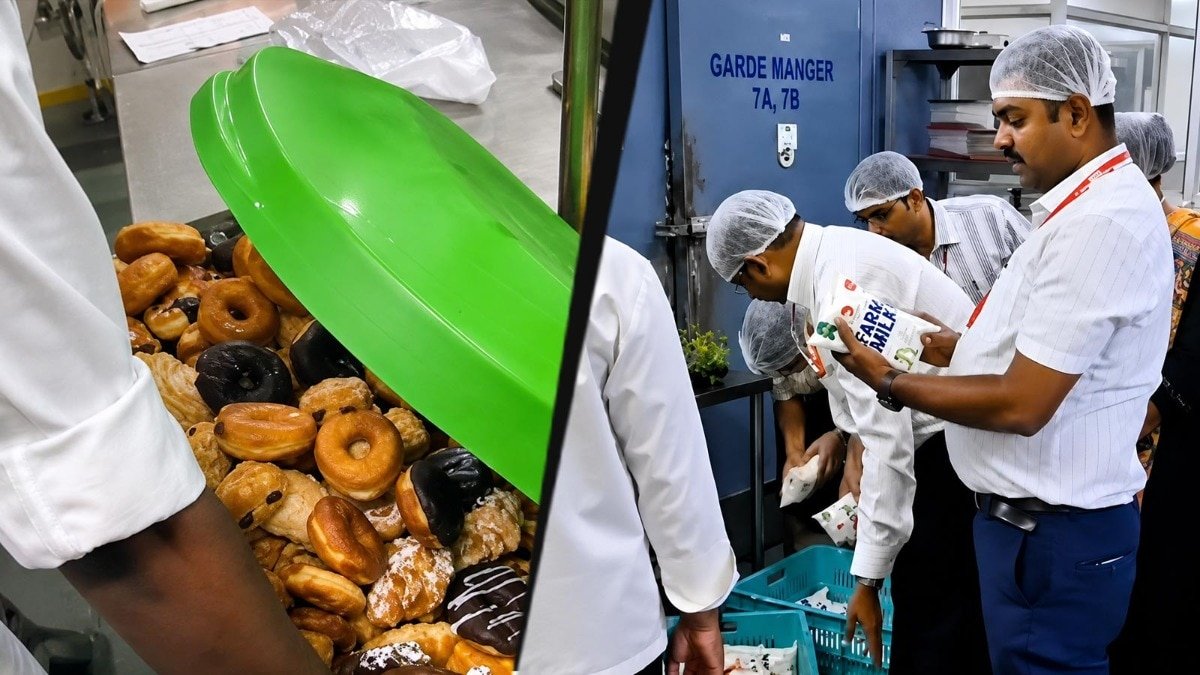
The Precedent: 26 Star Hotels Under the Scanner
The pub action came just days after the FSDA inspected 26 three-star and five-star hotels across Bengaluru on August 7, deploying 30 teams of food safety officers across all zones under the Bruhat Bengaluru Mahanagara Palike. The scale of that operation was remarkable. At The Lalit Ashok (Annex South), officials seized 76 kg of meat and 200 kg of vegetables, and destroyed 32 litres of expired milk. At Shangri-La Bengaluru, 15 kg of meat was seized; at Four Seasons Bengaluru, 19 kg; at Vivanta Bengaluru Whitefield, 3 kg of expired bakery products; and at Taj Yeshwantpur, 72 kg of meat.
The biggest single haul came at The Radisson Blu, The Atria, where officials seized 105 kg of expired food products — including 50 kg of chicken, 23 kg of meat, 7 kg of fish and 25 kg of vegetables. Investigators documented unhygienic kitchens and storage spaces, expired milk, dairy and bakery products, fungal growth on vegetables, failure to keep vegetarian and non-vegetarian food separate, and violations of mandatory FSSAI labelling rules, including improper labelling and misbranding.
Industry Response: Denials and Defensive Lines
The industry's reaction has been defensive. IHCL, the parent of the Taj and Vivanta chains, issued a statement asserting that "food safety and hygiene remain non-negotiable priorities" and that "no rotten vegetables, fruits, meat, or fish products were found at any IHCL hotels including Taj and Vivanta hotels in Bengaluru during the recent inspections," adding that no food samples were taken from its properties for laboratory testing. The statement did not address the specific seizure figures reported by the department, and the FSDA has not publicly revised its numbers.
The exchange highlights a recurring tension in Indian food safety enforcement: hotel and restaurant associations routinely dispute inspection findings, while regulators insist their documented seizures speak for themselves. With samples now in the laboratory, the results will determine whether the dispute moves from the news pages to the courts.
What This Means for India's Food Safety Framework
The Bengaluru crackdown is the latest in a string of enforcement actions across India in 2026. India Today has documented the FSSAI's finding that 83 per cent of paneer samples in Delhi-NCR failed quality tests, the seizure of 25,300 kg of spices contaminated with industrial dyes in Hyderabad, a raid on Kanpur turmeric adulteration that recovered Rs 5.86 lakh in fake stock, and Maharashtra's ban on analogue paneer with fines of up to Rs 1 lakh. Together, these actions signal a shift from paper compliance to physical inspection — and Bengaluru's 30-team, two-phase operation is among the most aggressive yet.
For Indian consumers, the stakes are straightforward. The Food Safety and Standards Act, 2006, consolidates the country's food laws and empowers state authorities to suspend licences, levy fines and prosecute offenders, but enforcement has historically been uneven across states and cities. Karnataka's decision to deploy multiple coordinated teams — rather than isolated spot checks — suggests a template other states may adopt, particularly as the FSSAI pushes for stronger state-level enforcement ahead of its broader regulatory reforms.
The Economics of a Food Safety Failure
The commercial implications of these raids extend far beyond the kitchen doors that were padlocked this week. UB City is one of Bengaluru's most visible dining destinations, hosting premium restaurants and bars that command some of the highest per-plate prices in the city. A shutdown at Skyye Lounge — even a temporary one — ripples through supplier contracts, staffing rosters and the brand equity that premium venues spend years building. For the storage and distribution centres at Coldman Logistics and Radhakrishna Foodland, the seizure of 70 kg of near-expiry sauces raises questions about inventory management practices that serve the city's reputed hotel establishments.
There is also a public-health arithmetic that regulators will be watching closely. Foodborne illness in India remains dramatically underreported — the National Family Health Survey and hospital surveillance data capture only a fraction of cases — yet the disease burden of unsafe food is estimated to cost the economy billions of rupees annually in treatment costs and lost productivity. Every kilogram of rotten meat removed from the supply chain this week represents a small reduction in that burden, which is precisely the argument the FSDA will make if challenged.
Consumer Protection: What the Law Actually Provides
Under the Food Safety and Standards Act, 2006, and the regulations framed by the FSSAI, consumers have more tools than most realise. Every licensed food business operator is required to display its FSSAI licence number — a 14-digit code that can be verified on the authority's online portal. Establishments are legally bound to maintain hygiene ratings, and since the FSSAI introduced its star-rating system for restaurants, consumers can check a venue's compliance grade before booking a table.
The penalties for violations are substantial. Beyond licence suspension — the fate now facing Skyye Lounge — the Act provides for fines scaled to the severity of the offence, and for cases involving adulteration or unsafe food, prosecution that can lead to imprisonment. The FSDA's decision to collect 18 samples during this drive matters precisely because laboratory reports, not news photographs, are what survive legal scrutiny. If the results confirm contamination, the operators face not just administrative action but criminal prosecution under one of India's strictest consumer-protection statutes.
The Bottom Line
The shutdown of Skyye Lounge and the seizures at a dozen other establishments send an unambiguous message: in Bengaluru, the era of inspection-by-announcement is over. With 132 kg of unfit food removed from the supply chain in a single operation, 18 food samples in the laboratory and legal action pending under the FSS Act, the coming weeks will test whether the FSDA's documentation survives scrutiny — and whether India's dining capital can translate a well-publicised crackdown into lasting hygiene standards. For diners, the immediate takeaway is simple: verify, ask, and hold establishments accountable. The regulators, for once, are watching.
— By Dr. Raj Patel, Staff Writer
This article was produced with AI-assisted research and editorial support. Reporting is based on sources cited in the article.
What's Your Reaction?
 Like
0
Like
0
 Dislike
0
Dislike
0
 Love
0
Love
0
 Funny
0
Funny
0
 Wow
0
Wow
0
 Sad
0
Sad
0
 Angry
0
Angry
0

India/South Asia Correspondent at Global1.News. Analytical voice with a background in science and health journalism. Based in New Delhi, covering Indian politics, education, healthcare, technology, and policy. Breaks down complex data into clear, actionable reporting.















Comments (0)