
This Day in History: 10 October Universal Adult Suffrage
Every year, the Caribbean marks milestones that have shaped our democratic fabric, and this October the region pauses to remember a pivotal moment for Grenada.
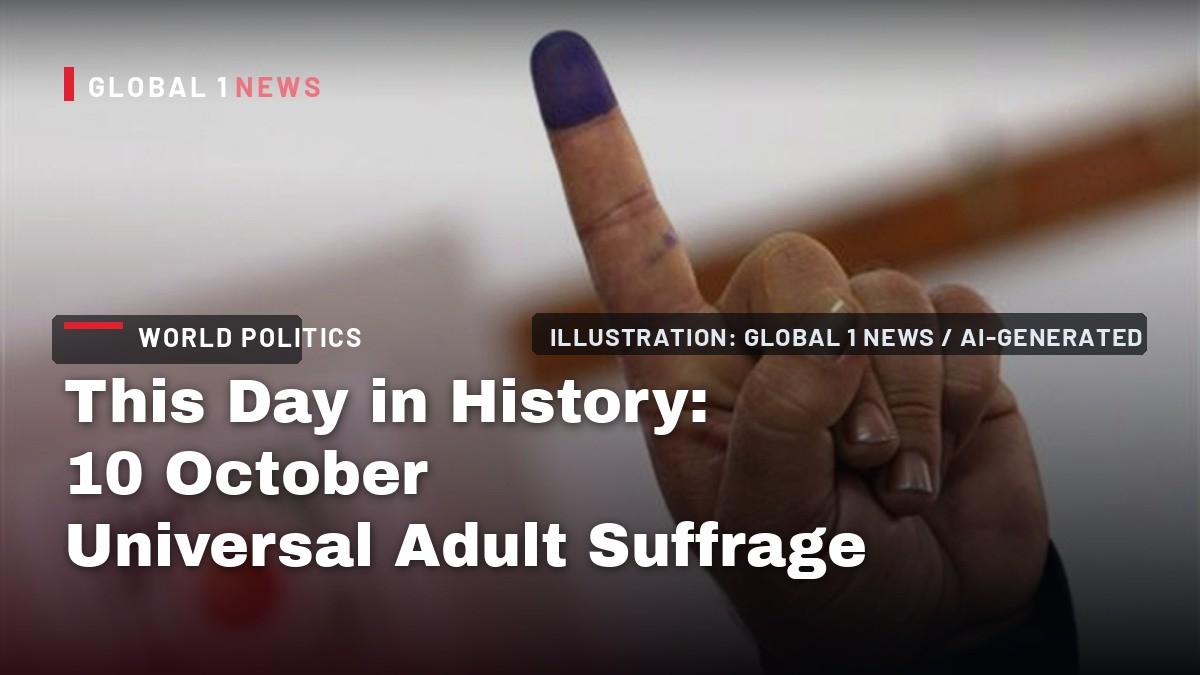
Every year, the Caribbean marks milestones that have shaped our democratic fabric, and this October the region pauses to remember a pivotal moment for Grenada. On 10 October 1951, Grenada held its first general election under the banner of universal adult suffrage – a watershed that ended a long‑standing franchise that was tied to property ownership and income thresholds. As we reflect on that historic day, it offers a lens through which to view the broader journey of Caribbean peoples towards inclusive governance, especially as we navigate today’s challenges of cost of living, energy transitions and regional political dynamics.
From Property‑Based Voting to Universal Suffrage
Before the landmark election of 1951, Grenadians who wished to cast a ballot had to meet strict qualifications. The right to vote was limited to those who owned property of a certain value or earned an annual income above a specified amount. This system, inherited from colonial rule, effectively excluded the majority of the island’s working‑class and rural communities, leaving them voiceless in decisions that shaped their daily lives.
The shift to universal adult suffrage meant that every adult citizen, regardless of wealth or land ownership, could participate in the democratic process. While the source material does not detail the political debates that led to the change, the very act of holding a general election on that basis signalled a decisive break from the past and a commitment to broader inclusion.
The 1951 Election: A New Chapter for Grenada
The first general election on 10 October 1951 was more than a procedural event; it was a symbolic affirmation that the island’s future would be decided by all its people. Voters turned out to exercise a right that had previously been denied to many, marking the beginning of a political culture where representation could truly reflect the island’s diverse social fabric.
Although the source material does not provide details on the parties or candidates involved, the very fact that the election was conducted on the basis of universal adult suffrage indicates a significant re‑orientation of political power. It set a precedent that would later influence neighbouring islands grappling with similar franchise restrictions.
Caribbean Parallels: Suffrage Across the Region
Grenada’s 1951 milestone mirrors a wider Caribbean narrative. Across the archipelago, the mid‑20th century saw a wave of reforms that dismantled property‑based voting qualifications. Nations such as Trinidad and Tobago, Jamaica and Barbados each moved towards universal adult suffrage, recognising that a truly representative democracy could not thrive while large swathes of the population were disenfranchised.
These reforms were often spurred by growing labour movements, the rise of nationalist parties and the influence of regional bodies like CARICOM, which championed democratic ideals. While the source material focuses solely on Grenada, the broader context underscores a collective regional push towards inclusive governance that continues to shape our political discourse today.
Why Universal Suffrage Still Matters
Fast forward to 2026, and the legacy of universal adult suffrage remains a cornerstone of our democratic institutions. The principle that every adult voice counts underpins contemporary debates on voter registration, electoral reform and civic education. In Trinidad, for instance, the cost of living crisis has prompted calls for greater political accountability, reinforcing the need for robust participation from all citizens.
Moreover, the historical struggle for voting rights reminds us that democracy is an ongoing project. As we confront new challenges—whether it be energy sector reforms at Petrotrin or the impacts of climate‑induced disasters on island communities—the foundation of universal suffrage ensures that policy decisions are subject to the scrutiny and input of the entire electorate.
Connecting Past and Present: Lessons for Today’s Voters
The 1951 Grenadian election teaches modern voters the value of vigilance. When voting rights are taken for granted, complacency can set in, allowing systemic inequities to fester. In recent Caribbean elections, concerns have been raised about voter apathy and the influence of money in politics, issues that echo the historic barriers of property‑based voting.
By remembering that the right to vote once hinged on owning land or earning a certain income, citizens can appreciate the fragility of democratic gains. This awareness fuels civic engagement, encouraging communities to demand transparency, fair representation and policies that address everyday hardships such as rising food prices and housing costs.
Regional Impact: Grenada’s Influence on CARICOM Policies
Grenada’s early adoption of universal adult suffrage contributed to a regional dialogue within CARICOM about democratic standards. While the source material does not detail specific policy outcomes, the island’s experience added weight to CARICOM’s advocacy for inclusive electoral practices across member states.
In recent years, CARICOM has championed initiatives to strengthen electoral commissions, promote voter education and safeguard the integrity of the voting process. These efforts are rooted in the shared history of overcoming disenfranchisement, a legacy that began with moments like Grenada’s 1951 election.
Looking Ahead: The Ongoing Journey of Democratic Inclusion
As we commemorate the anniversary of Grenada’s universal adult suffrage, the story serves as both a celebration and a call to action. The right to vote, once a privilege reserved for a select few, now stands as a fundamental pillar of Caribbean democracy. Yet the work of ensuring that every voice is heard—especially those from marginalized communities—remains unfinished.
In the coming years, policymakers, civil society and ordinary citizens must continue to nurture the democratic spirit that was ignited on that October day in 1951. Whether it is through strengthening voter registration systems, addressing barriers to participation, or ensuring that elections are free from undue influence, the legacy of universal adult suffrage demands that we keep the ballot box open and accessible to all.
This article was produced with AI-assisted research and editorial support. Reporting is based on the source material cited below. Sources: Now Grenada; nowgrenada.com; Global1.News (11 October 2026).
By Sharon Sahatoo, Staff Writer
What's Your Reaction?
 Like
0
Like
0
 Dislike
0
Dislike
0
 Love
0
Love
0
 Funny
0
Funny
0
 Wow
0
Wow
0
 Sad
0
Sad
0
 Angry
0
Angry
0

Caribbean Correspondent at Global1.News. Based in Port of Spain, Trinidad, covering Caribbean politics, economy, energy, climate, and culture. Amplifying the voices and stories of the Caribbean region.















Comments (0)