
Trump Declares an Energy Ceasefire. Hours Later, Strikes Hit a Kyiv Power Plant.
Trump declared an energy ceasefire in the Russia-Ukraine war effective immediately. Hours later Ukraine reported strikes on a Kyiv power plant and Kharkiv's CHP-5. Moscow stayed silent and the EU promised another EUR 3 billion in military aid.
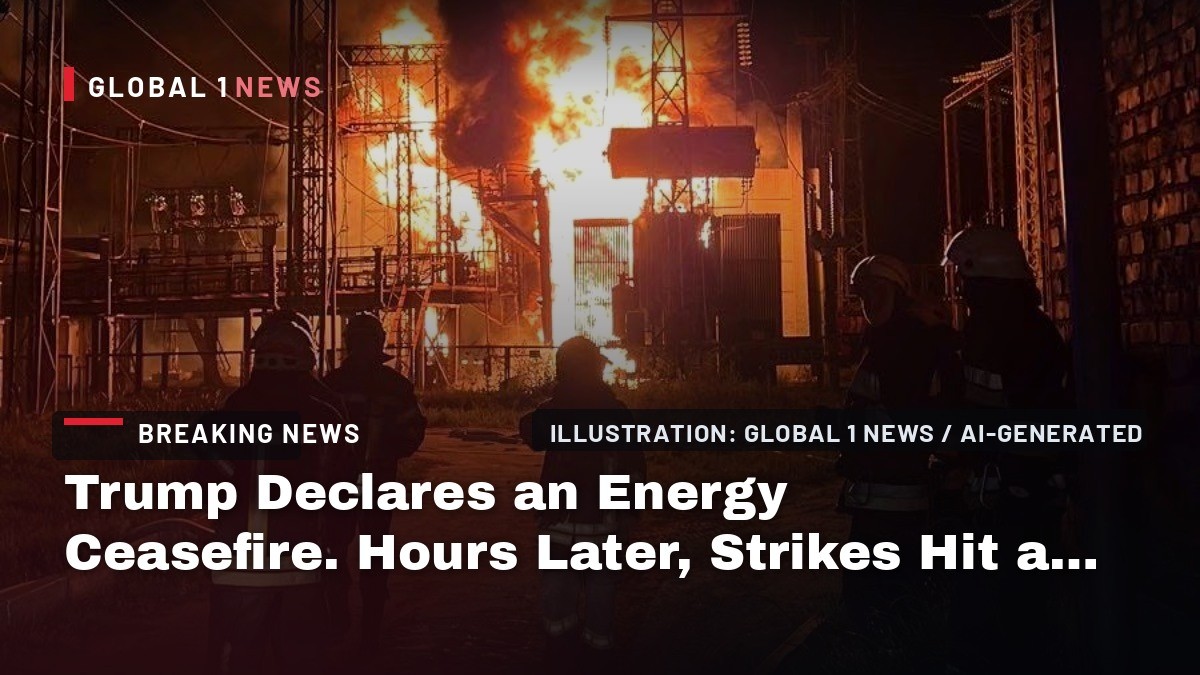
On Sunday, Donald Trump told the world an energy ceasefire was in force between Russia and Ukraine. Within hours, Ukrainian officials reported drones hitting a power plant in Kyiv and a heating plant in Kharkiv. Moscow has not confirmed that any ceasefire exists.
Trump Declares an Energy Ceasefire. Hours Later, Strikes Hit a Kyiv Power Plant.
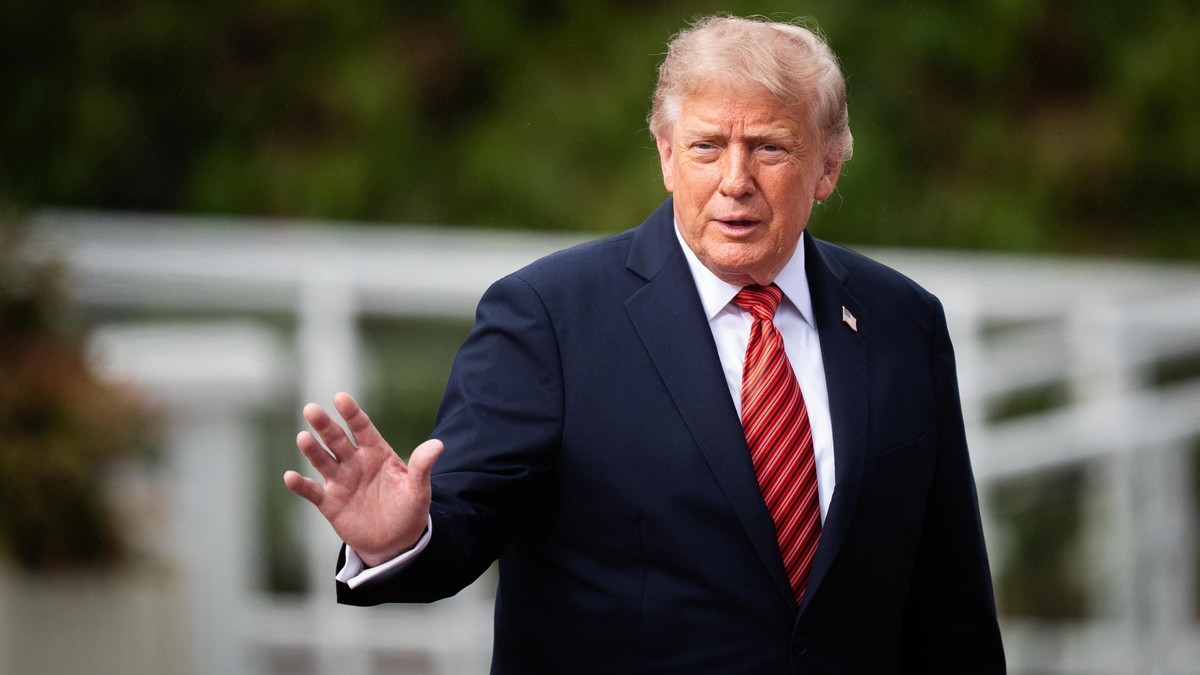
KYIV, Ukraine — The announcement came first. The strikes came second. On Sunday 11 October 2026, President Donald Trump posted on Truth Social that an energy ceasefire between Russia and Ukraine was effective immediately. He wrote that both parties had agreed, and warned: "Do not break it!" He gave no details on what the ceasefire covers. The White House did not clarify the post. Moscow did not immediately comment, and Russian state news agency TASS carried Trump's post with nobody from the Kremlin attached to it. By Sunday evening, Volodymyr Zelenskyy was describing fresh attacks on Ukrainian power infrastructure that he said landed after Trump's statement.
A Ceasefire Announced to the World, Not to Kyiv
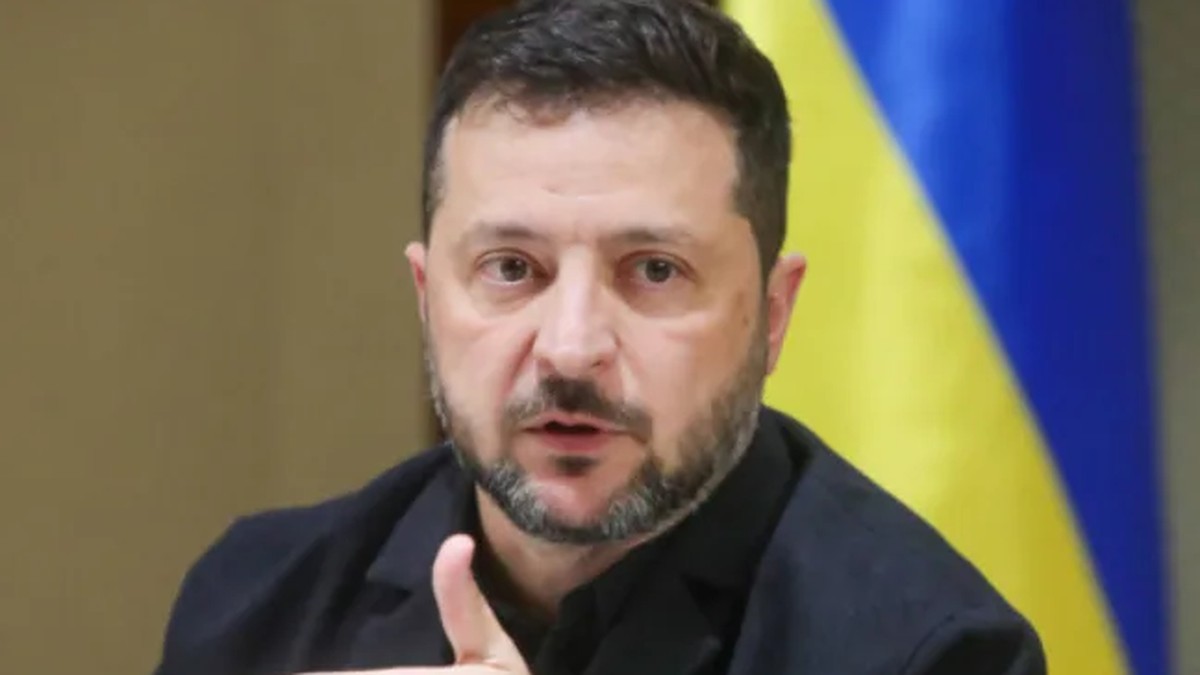
The first person to learn about the ceasefire, by his own account, was the president of the country it was meant to protect. Zelenskyy told Axios after the announcement: "The ceasefire announcement was news for me. But if Russians agree to an energy ceasefire, Ukraine will agree." He did not stop there. "If president Trump negotiated it with Putin — please tell us when the ceasefire begins — we are ready and we will accept it," he said. That is the gap at the centre of this story. Trump said both parties had agreed. Zelenskyy said he found out from the news. Moscow has said nothing at all. No terms have been published. No start time, no duration, no monitoring mechanism. Trump had announced a similar energy ceasefire in mid-September 2026, saying then that both countries had agreed not to hit each other's energy infrastructure.
‘Just Now, There Was a Strike on CHP-5’
Zelenskyy's evening address on 11 October, delivered around 8 p.m. local time, was a timeline of contradiction. "Just before our conversation, the Russians struck a power plant in Kyiv with a 'Shahed' drone, and many districts experienced power outages," he said. "Later, there were strikes on energy facilities in the Kharkiv region. And all of this happened after the President of the United States made his statement about an energy ceasefire." He said Shahed drones had been in Ukrainian skies all day and that aerial bombs had also struck. On Kharkiv he was specific: "Just now, there was a strike on CHP-5 in the city of Kharkiv — on Kharkiv's energy infrastructure." CHP-5 is Kharkiv's Combined Heat and Power Plant No. 5. Ukraine's Presidential Office confirmed the attack occurred after Trump's announcement. Russia has not acknowledged responsibility for either strike, and no casualty figures have been released for those two attacks.
More Than Two Hundred Strikes in One Week
The strikes Zelenskyy described on Sunday were not an isolated night. By his account, Russian forces carried out more than 200 strikes on electricity generation and transmission facilities across Ukraine in the past week alone. Another 17 targeted gas and oil infrastructure in the same period. During that week, he said, Russian attacks killed more than 150 people and injured more than 700 others. The days before the announcement had already been brutal. On 10 October, Kyiv authorities urged residents to stock up on water and food and warned of intensifying attacks; the city was partially left without power and water, and the metro suspended operations. The death toll from a Russian attack on Zaporizhzhia rose to 11, including three children. Ukraine, for its part, struck a major Russian oil hub again and hit the Syzran oil refinery.
Moscow Says Nothing, and a Deputy Says Why
The Kremlin's public position is silence. Russian state media ran Trump's post without a Kremlin official attached to it. Where Russian officials did speak, they distanced themselves. Igor Ananskikh, first deputy chair of the Russian State Duma's energy committee, told Russian outlet Ostorozhno Novosti: "We all know that Trump often says things to keep oil prices from rising. I don't know how closely this reflects reality." He said he had no information about an energy ceasefire with Ukraine. Dmitry Novikov, first deputy chair of the Duma's international affairs committee, said he had not attended the negotiations and referred the outlet to Trump's press service. Kremlin spokesman Dmitry Peskov said on 8 October that Russia saw no point in a sectoral ceasefire and called Kyiv's proposal a truce "in an area that is its Achilles' heel" — the energy sector. The Kyiv Independent reported on Friday that Russian envoy Kirill Dmitriev told Trump's envoys Steve Witkoff and Jared Kushner, in two September meetings, that an energy truce would cost sanctions relief and a linked Black Sea ceasefire.
The Diesel Deal Underneath the Declaration
Two days before the ceasefire post, the two presidents spoke by phone. On Friday, Trump and Putin held a call. Shortly afterwards, the US Treasury announced a temporary waiver of sanctions on Russian diesel, allowing the fuel to be sold, delivered and imported into the United States until 7 April 2027. Trump said Moscow agreed to supply more than 300,000 metric tons of diesel immediately, another 500,000 metric tons in November and one million more shortly after. Russian Deputy Prime Minister Aleksandr Novak confirmed the figures and said Moscow would begin lifting diesel export restrictions ahead of schedule "immediately." Zelenskyy criticised the deal, calling it a "birthday gift" to Putin to "kill us, kill our children." Trump has blamed Ukraine, and Zelenskyy personally, for a global fuel shortage and for record diesel prices, saying Ukrainian strikes on Russian refineries have pushed prices up, including for American consumers. Russia shipped about 2.5 million tons of diesel a month last year but was estimated to be shipping around 1 million metric tons in June, Reuters reported.
Brussels Answers With Money, Not Silence
While Moscow stayed quiet, Brussels spoke in numbers. Zelenskyy and European Commission President Ursula von der Leyen spoke by phone on 11 October. Von der Leyen wrote on X: "Ukraine will be front and centre at this week's European Council. We will discuss its funding needs for the year ahead and how to mobilise fresh global support. This week, the EU will also provide further funding for drones and missiles. To strengthen Ukraine's defences and protect its skies." She said the EU would soon begin consultations on two additional negotiating clusters related to Ukraine's integration into the bloc. Zelenskyy thanked her for a EUR 1.24 billion defence tranche that has already reached Ukraine, and for confirming that around EUR 3 billion more in military support would be allocated next week. That money has not been paid. It is due next week. The two agreed their teams would hold detailed discussions on the next joint actions.
Ukraine at the Centre of This Week’s European Council
The European Council meets in Brussels on 15-16 October 2026. In his invitation letter of 8 October, President Antonio Costa said the meeting would start on Thursday 15 October at 10:00 and he aimed to conclude with lunch on Friday 16 October. The agenda covers competitiveness, Ukraine, the next Multiannual Financial Framework, the Middle East, European defence and security, migration, enlargement and reforms. Von der Leyen has already said Ukraine will be front and centre. What the leaders decide is not yet known — the Council has not met. Zelenskyy also spoke on 11 October with Canadian Prime Minister Mark Carney, Finnish President Alexander Stubb and NATO Secretary-General Mark Rutte. With Carney, the discussion covered strengthening missile defence, in particular Canada's participation in the FREYJA joint European anti-ballistic system.
FREYJA, the Interceptor Europe Is Building Because It Has To
FREYJA, also spelled Freya, is a pan-European anti-ballistic missile defence project initiated and led by the Ukrainian defence company Fire Point. It is designed as an open-architecture "system of systems" that plugs into existing NATO-standard radars, command posts and data links rather than operating as a standalone national system. Its stated aim is to deliver a lower-cost, higher-volume European alternative to the US Patriot PAC-3, addressing the interceptor shortages Ukraine has faced. Cost estimates put a successful intercept at around US$700,000 per shot, against roughly US$3.8 million for a Patriot missile. The first interceptor is an extension of Fire Point's FP-7, called FP-7.x: 7.25 metres long, composite, with a maximum speed of Mach 4.4 to Mach 5.9. It is built to work with European radars already in service, including the Swedish SAAB Giraffe, the French Thales Ground Master 400, the German Hensoldt TRML-4D and the Italian Leonardo KRONOS Land. The project was unveiled in May 2026. A first prototype is wanted operational by mid-2027, with the first interception planned for the end of 2027.
What Ukraine Is Asking For, in Its Own Words
Zelenskyy's public requests on 11 October were narrow and specific. Speaking to ABC News' "This Week", he said: "We are ready for energy ceasefire, not to attack energy — both sides." He added: "Don't attack us. Don't kill our children. We will stop attack your diesel." He also told ABC he would hold elections if Russia agreed to a 60-day ceasefire: "Give us two months, 60 days off. Total ceasefire, 60 days, and we will organize elections." On the mechanics of the announced truce, he was blunt about what he does not know. "We are awaiting clear details of the dialogue between America and Russia, and we expect Putin to fulfill what President Trump has announced," he said. And then: "We very much hope that he will finally say something different to America, Ukraine, and the entire world. Something other than killings and deception. Something that will lead to a real and dignified peace."
A Ceasefire That Exists on One Screen
Here is what is established. Trump posted that an energy ceasefire was in force and that both parties had agreed. He gave no details, and the White House did not clarify. Moscow has not confirmed any ceasefire, and no Russian official has said one exists. Zelenskyy said the announcement was news to him. Strikes on Ukrainian energy infrastructure were reported after the post, including on a Kyiv power plant and on CHP-5 in Kharkiv, per Zelenskyy and Ukraine's Presidential Office. Russia has not acknowledged responsibility for those specific strikes. No terms, start time or duration have been published. The EU's EUR 3 billion in extra military support is due next week, not paid. The European Council has not yet decided anything. Trump's 18 October deadline on sanctions under the Lindsey O. Graham Sanctioning Russia Act is seven days away. So a ceasefire exists on one screen and not on the ground. That is not spin. That is the record. Watch the 18 October deadline, and whether the waiver is used. Watch whether the EUR 3 billion actually lands. Watch whether Moscow ever confirms, in its own voice, that a ceasefire exists. And watch the skies over Kyiv and Kharkiv, because that is where the answer will show up first.
By Jessica Ali, Staff Writer
This article was produced with AI-assisted research and editorial support. Sources: Ukrinform; UNN; AzerNews; NBC News; The Hill; The Guardian; The Independent; The Kyiv Independent; Spectrum News/AP; the European Council; and the Office of the President of Ukraine.
What's Your Reaction?
 Like
0
Like
0
 Dislike
0
Dislike
0
 Love
0
Love
0
 Funny
0
Funny
0
 Wow
0
Wow
0
 Sad
0
Sad
0
 Angry
0
Angry
0

Editor-in-Chief at Global1.News. Atlanta-based journalist who cuts through the BS and tells it like it is. Lead anchor, host, and the voice you hear when the spin stops and the truth starts.










Comments (0)