
Trump Tells Ukraine to Get a New President as the Diesel Row Turns Bitter
President Donald Trump called on Ukraine to get a new president after Volodymyr Zelensky condemned a US deal that suspends sanctions on Russian diesel exports until April. Russia's glide bomb attack on Zaporizhzhia killed civilians, and European allies warned the deal would help fund Moscow's war.
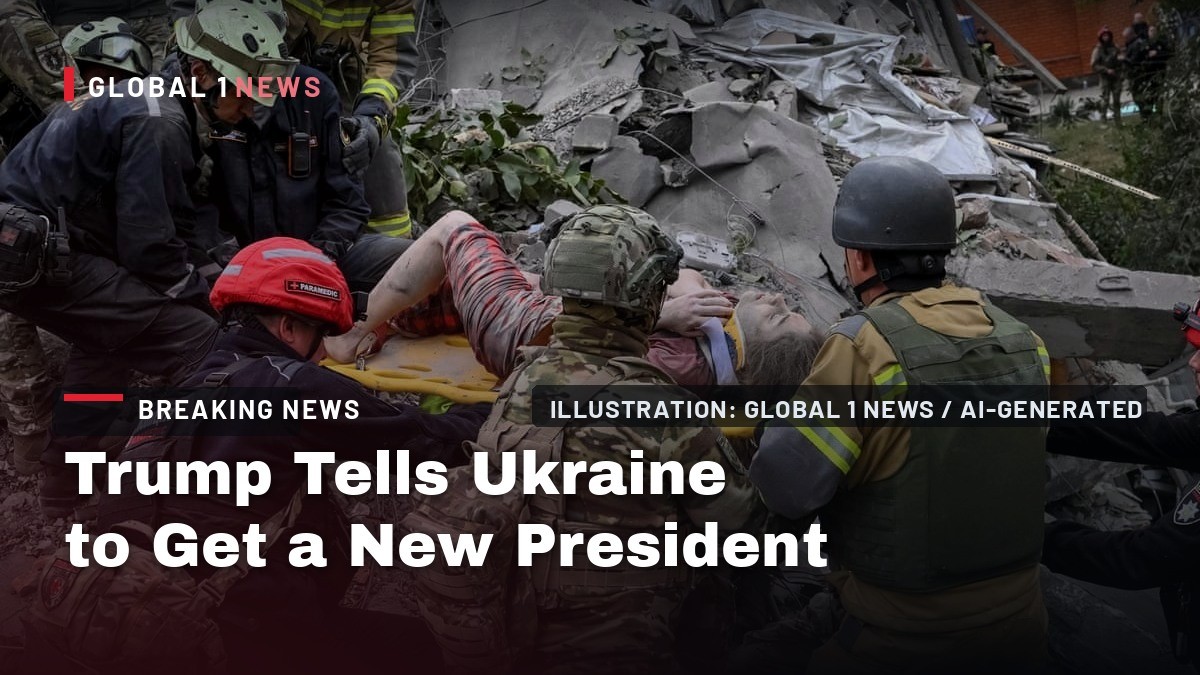
President Donald Trump told reporters outside the White House on Saturday that it is time for Ukraine to replace its president, deepening an open breach with Kyiv over a US deal to suspend sanctions on Russian diesel exports. The remark landed hours after Russian glide bombs struck residential buildings in Zaporizhzhia. Ukraine's answer came the same day, in three words: Russia's choice is war.
Trump Tells Ukraine to Get a New President as the Diesel Row Turns Bitter
KYIV, Ukraine — The dispute began with a phone call and a fuel shipment, and it has now grown into a public rupture between Washington and Kyiv. Trump announced on Friday that he had spoken with Russian President Vladimir Putin and agreed a deal in which Russia releases large volumes of diesel to the United States and world markets. By Saturday evening the American president was telling reporters that Ukraine should hold an election and find a leader who can make a deal.
A Deal, a Rebuke and a Demand From the White House
Trump said the Friday call with Putin came as he had been set to discuss a suspected case of plague in Russia. He wrote that Russia would immediately supply more than 300,000 tonnes of diesel, followed by an additional 500,000 tonnes in November and 1 million tonnes "immediately thereafter", then an additional 3 million tonnes "within a short period of time". The BBC reported that under the deal Russia would release an initial 300,000 tonnes "to the American and global marketplace", followed by an additional 500,000 tonnes in November. Russia's government said on Saturday it had partially lifted its own ban on diesel exports. In Kyiv, the announcement was received as a gift to Moscow — and, within hours, the strikes resumed.
What Trump Said Outside the White House
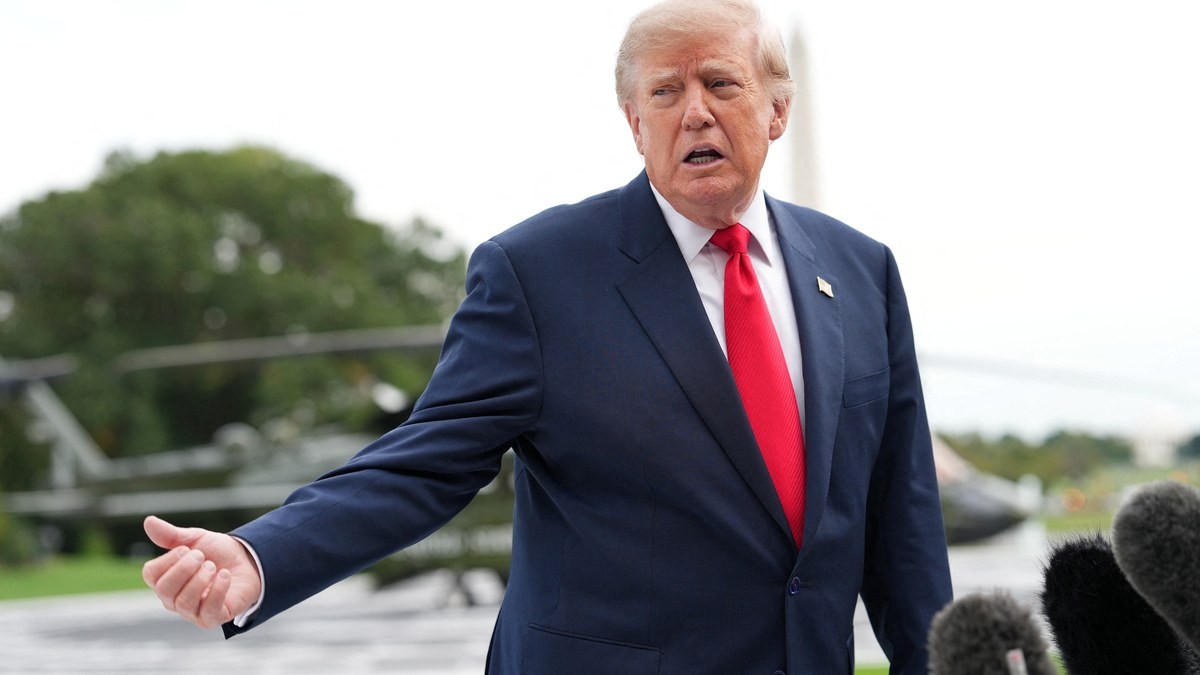
Speaking to reporters on Saturday, Trump called for Ukraine to replace its leader. "I think it's time for Ukraine to get a new president," he said, according to Reuters. He added: "I suggest they get a new leader who can make a deal because he could have made many deals, but for some reason he never does." Trump also warned Kyiv over its strikes on Russian refineries. "He'd better damn well stop," he said. He described his message to Ukraine's leadership: "I said to him, 'Do what you want. Don't hit refineries. There's plenty of targets. Don't hit refineries.' And he went out and he hit." Trump said Ukraine's president "wants to make problems for our farmers, our ranchers, with diesel fuel because Russia supplies a large portion of the diesel fuel throughout the world". Asked about the war, he also said that "Russia would like to make a deal" but that Ukraine's president does not want one, and that Putin "would like to see a settlement, strongly".
Zelensky's Answer: 'Russia's Choice Is War'
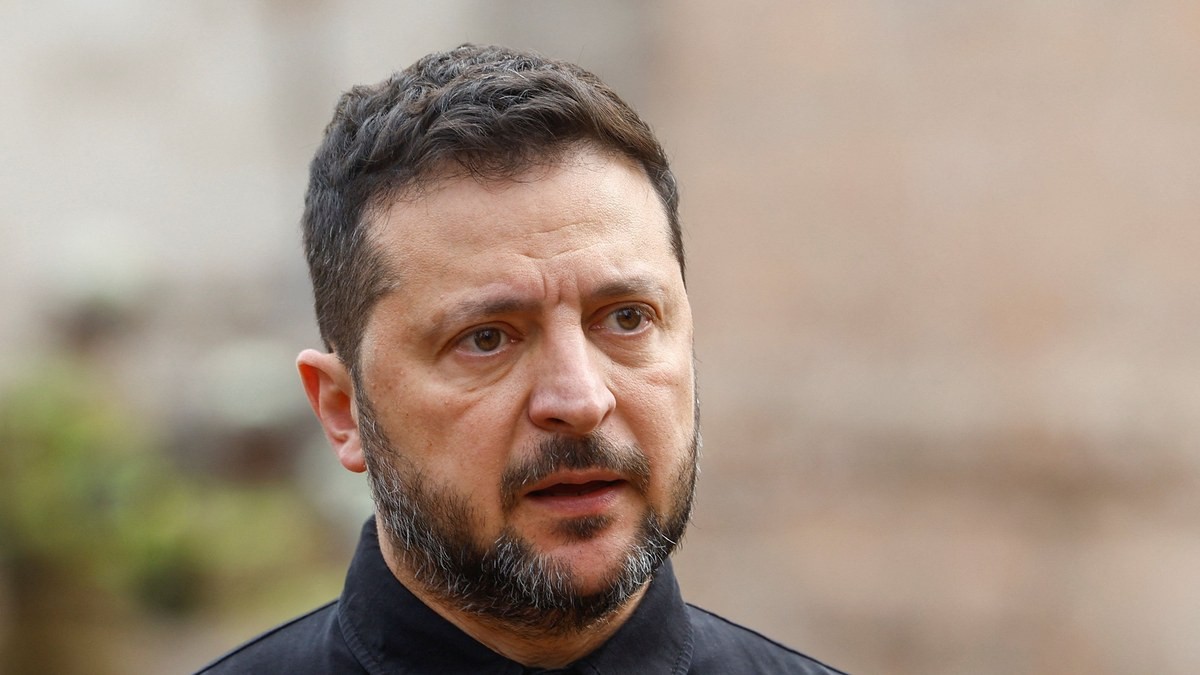
Ukraine's president responded on X, writing: "Today, Russia expressed its thanks for the lifting of sanctions on diesel exports by dropping five glide bombs on residential buildings in Zaporizhzhia." He added that "last night confirmed once again that in Russia, they take any easing of pressure to mean they can keep fighting, to mean they can keep dropping bombs on cities. Different signals are needed." In a later Telegram post, he wrote: "Russia's choice is war." Every additional billion dollars Russia earns from exports, he said, would help pay for weapons components, drone upgrades, missile production and the recruitment of mercenaries, and Moscow would only be ready to stop when its ability to fight diminished. He said he had spoken to French President Emmanuel Macron about shoring up air defences, warning of an increased risk of further missile strikes in the coming days, and to Finnish President Alexander Stubb. Ukraine was ready to take "de-escalatory steps" in the war, he said, but only if Russia did the same.
Zaporizhzhia: What the Numbers Say, and What They Do Not
The casualty figures from Saturday's strikes are disputed, and the accounts do not agree. The Associated Press, the BBC and EA WorldView each reported at least 20 people killed in the Zaporizhzhia glide bomb attack, with the AP noting at least 18 wounded according to Ukraine's State Emergency Service, and EA WorldView specifying three children among the dead. The Guardian, citing Ukrainian officials, said the barrage on the country's south-east early on Saturday killed 15 people, including three children. Le Monde reported 16 killed, while the Times of Israel's headline said 15. AFP put the nationwide weekend toll at at least 21 people killed, including children. Reuters reported that a six-year-old girl was among those killed when one strike reduced part of an apartment block to rubble, and that her grandfather, Anatoliy Chumniy, stood sobbing over her body after rescuers pulled it from the wreckage. "Her birthday would have been at the end of the month," he said. Rescuer Daniil Pishkin said: "We saw people under the rubble — a woman, her husband and a child." Two people were rescued alive, but "unfortunately there was a little girl who died".
The Deal That Suspends Sanctions Until April
The sanctions relief at the centre of the row is time-limited. The BBC reported that the US confirmed an agreement to suspend sanctions on Russian diesel exports until 7 April — not permanently. The deal stood in stark contrast to a sweeping Russia sanctions law Trump signed last month aimed at clamping down on the oil and gas revenues that fuel Russia's war, according to the Los Angeles Times. Analysts said the agreement was unlikely to lead to sustained lower fuel prices, with volumes still much lower than what Russia usually exports when its refineries are not under attack. US Republican Representative Don Bacon said it was time to apply more sanctions that Congress had recently passed, not lift them.
Europe Closes Ranks and Reaches for 1,600 More Names
European officials reacted with alarm. EU foreign policy chief Kaja Kallas said the diesel deal "provides Moscow with more revenues to wage war", adding: "This is not the time to ease pressure on Russia, and Europe won't." She said EU foreign ministers intended to approve on Monday the biggest set of sanctions listings targeting Russia's war machine since the start of the war, formally adding 1,600 new individuals and entities to the EU sanctions blacklist. Swedish Prime Minister Ulf Kristersson expressed "regret" at the US agreement, saying energy revenues were "a vital source of funding Russia's war of aggression". German government spokesperson Stefan Kornelius said Berlin "remains committed to the sanctions imposed on Russia", adding that support for Ukraine "remains unwavering". Polish Foreign Minister Radoslaw Sikorski questioned whether Russia could deliver at all, citing his embassy's reports of fuel shortages even in Moscow and "serious sources" saying Ukraine has damaged about half of Russia's refining capacity: "So where will the surpluses for export come from?"
The Miami Talks Kyiv Says It Was Not Told About
The diesel announcement came while US and Ukrainian negotiators were meeting in Miami. US envoy Steve Witkoff and Jared Kushner met Ukrainian officials there on Friday to discuss a proposal to end the war. Witkoff said on X that the talks involved "the E3, the European Commission, Ukraine and NATO" and called them "constructive". Trump announced the diesel deal while those negotiations were under way, a move Ukraine's president said had caught Kyiv by surprise. A senior Ukrainian official told the Associated Press that the Ukrainian side was not aware of the deal before the announcement, and that it was not tied to anything under discussion between the two negotiating teams in Florida. He confirmed the delegation had left Florida and was on its way back to Ukraine. Presidential aide Dmytro Lytvyn was cited by the Interfax-Ukraine news agency as saying the delegation was headed home on Saturday. TASS reported on Saturday, citing a source, that Witkoff and Kushner may visit Moscow within the next two weeks.
Why Diesel Became the Lever
Diesel sits at the centre of the dispute because of a global supply crunch. Global fuel supplies have been severely limited by the war against Iran launched by the US and Israel, which led to the effective closure of the Strait of Hormuz, through which roughly a fifth of the world's oil products usually flows. That conflict, which began in February, has sent the cost of petrol and in particular diesel skyrocketing, souring Trump's standing with the American public. The average price of diesel is currently $6.28 a gallon, according to the AAA — up from last month's $5.94 average and $3.68 last year. The steep rise has become a political liability for Trump's Republican Party ahead of next month's midterm elections, when opposition Democrats could gain control of one or both houses of Congress, Reuters reported. Russia, a major producer, and Ukraine have recently intensified their strikes on each other's energy infrastructure and transport facilities, further straining energy markets.
The Kremlin's Readout and an Envoy's Praise
Moscow offered its own account of the Friday call. The Kremlin said Saturday that Trump had conveyed his ideas about how to de-escalate the war to Putin, and that Putin received the proposals "with understanding", without elaborating. Kremlin foreign policy aide Yuri Ushakov described the call as "very substantive and friendly", adding: "Neither wanted to be the first to hang up... They hung up simultaneously, literally at the same time." Putin said after the call that an immediate resumption of peace talks was unlikely, citing Ukrainian drone attacks on Moscow. Kremlin envoy Kirill Dmitriev described Trump's intervention as "iconic and historic", saying Ukraine "needs leadership actually focused on peace". In Kyiv, people gathered at a memorial to fallen soldiers on Independence Square greeted the deal with a mix of anger and resignation. Oleksandr Petrenko, 26, said: "Trump has once again shown his true face. He didn't care about the situation, the shelling or the destruction of our homes."
What Comes Next
Several tracks now run in parallel. EU foreign ministers are due to meet on Monday to approve the new listings. UK Prime Minister Andy Burnham spoke to Ukraine's president and offered his "complete solidarity", with a Downing Street spokesperson saying Burnham also pledged Britain would "strengthen its sanctions on Russia" and that the two leaders would meet in person in the coming days. The two leaders agreed Russia should accept "an immediate energy ceasefire" and end attacks on shipping in the Black Sea, as "this would immediately release more energy and food supplies into the global market". Ukraine's Foreign Minister Andriy Sybiga backed his president: "He has the support of the Ukrainian people, and they have the right to decide." Ukraine's president separately said Russia "must feel its losses". Russia launched its full-scale invasion in February 2022 and now occupies roughly one-fifth of Ukrainian territory.
By Jessica Ali, Staff Writer
This article was produced with AI-assisted research and editorial support. Sources: BBC, Reuters, AFP, Associated Press, The Guardian, Al Jazeera, EA WorldView, Le Monde, Kuwait Times and Times of Israel.
What's Your Reaction?
 Like
0
Like
0
 Dislike
0
Dislike
0
 Love
0
Love
0
 Funny
0
Funny
0
 Wow
0
Wow
0
 Sad
0
Sad
0
 Angry
0
Angry
0

Editor-in-Chief at Global1.News. Atlanta-based journalist who cuts through the BS and tells it like it is. Lead anchor, host, and the voice you hear when the spin stops and the truth starts.











Comments (0)