
Thai hotels warn of 20% ASEAN visitor drop, oppose travel tax
Thailand’s hotel sector is sounding the alarm as the high season approaches, warning that a dip of about 20 percent in visitors from neighboring ASEAN countries could dampen the country’s recovery from recent floods.
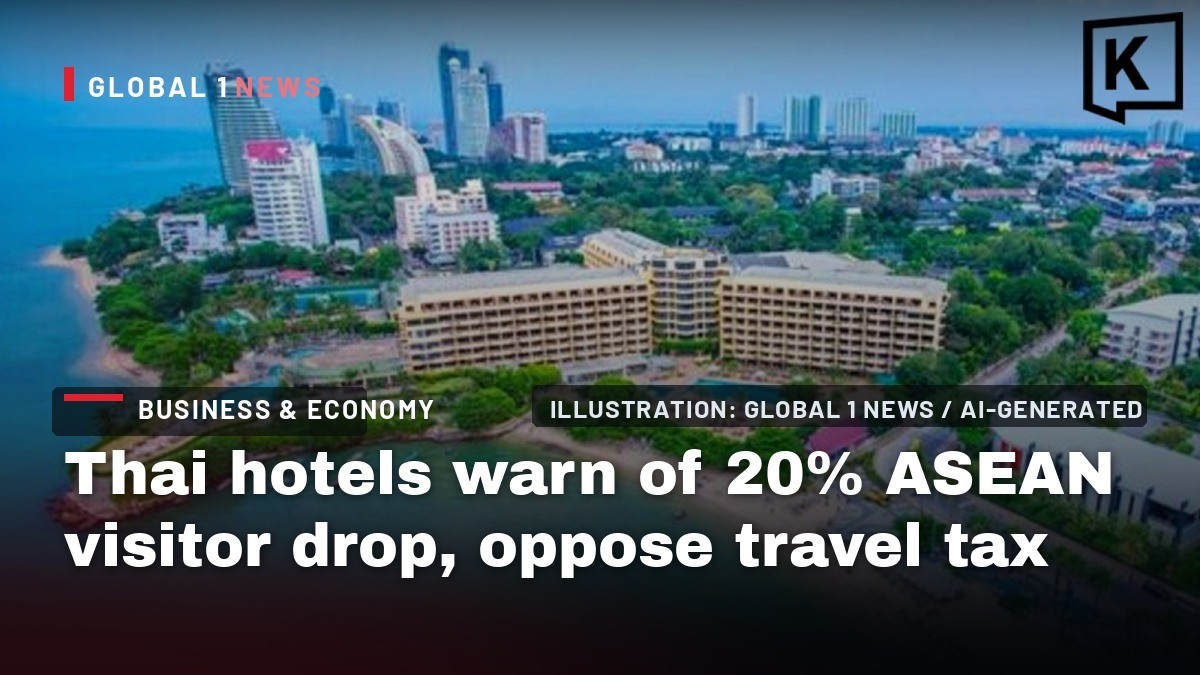
Thailand’s hotel sector is sounding the alarm as the high season approaches, warning that a dip of about 20 percent in visitors from neighboring ASEAN countries could dampen the country’s recovery from recent floods. The Thai Hotels Association (THA), led by President Thienprasith Chaiyapatranun, says the fourth quarter of 2026 is likely to hold steady compared with the same period last year, but the balance of visitors is shifting. While long‑haul markets may hold up, short‑haul travel from nearby nations appears to be slipping, and new travel‑tax proposals threaten to add further strain to an already fragile tourism ecosystem.
ASEAN visitor decline and flood‑related confidence loss
The association notes that travelers from ASEAN markets have fallen by roughly 20 percent, a figure that reflects both cost sensitivity and lingering concerns after recent flooding. Although major tourist hubs have largely recovered, the memory of flooded roads and disrupted transport still lingers, reducing confidence among short‑haul tourists who typically travel on tighter budgets.
Domestic tourism is also feeling the pinch. Thai households are diverting funds to repair flood‑damaged homes and vehicles, leaving less discretionary income for leisure trips. This slowdown in internal travel compounds the challenge for lower‑rated hotels, which make up the bulk of the nation’s accommodation supply and have yet to see a robust rebound.
High‑season outlook and the limits of stimulus
With the peak travel months fast approaching, Thienprasith cautions that it may be too late to launch a large‑scale tourism stimulus campaign. Instead, he urges the government to focus on operational coordination—improving the flow between airports, immigration desks, and baggage‑handling services—to avoid the kind of bottlenecks that can strand travelers during the busiest periods.
Such logistical improvements are seen as a more immediate remedy than fiscal incentives, especially as the industry grapples with the prospect of higher travel costs that could deter price‑sensitive ASEAN visitors.
The proposed tourism fee and departure tax
The THA’s most pressing concern is the government’s plan to impose a 450‑baht tourism fee on foreign arrivals by air, coupled with a separate 1,000‑baht departure tax applicable to all travelers. When added to the existing 1,120‑baht passenger service charge introduced on 20 June 2026, the total extra cost could rise to between 2,570 and 3,000 baht per person per trip.
For a typical family of four, this could translate into an additional outlay of roughly 10,280 baht, not counting accommodation, domestic transport, or other expenses. Local hotel‑related surcharges in certain provinces could further increase the financial burden on visitors.
Competitive pressure from neighboring destinations
Thienprasith warns that the cumulative effect of these fees could erode Thailand’s price advantage relative to nearby destinations such as Vietnam and Hong Kong. International travelers have already expressed concerns about the overall expense of visiting Thailand, and higher taxes risk nudging them toward cheaper alternatives.
Beyond the immediate impact on visitor numbers, the association highlights a broader risk: reduced outbound travel by Thai residents. Higher costs could suppress demand for overseas trips, prompting airlines to cut flight frequencies or delay new routes, thereby weakening the “two‑way tourism” flow that sustains both inbound and outbound travel markets.
Questioning the rationale behind the tourism fee
The Ministry of Public Health has justified the 450‑baht fee by citing unpaid medical bills from foreign nationals, estimated at around 7 billion baht annually. However, Thienprasith points out that the majority of those cited—citizens of Myanmar, Cambodia, and Laos—are predominantly migrant workers rather than short‑term tourists.
He argues that migrant workers should be covered by Thailand’s social security system, and that the unpaid medical bill figures should not automatically become the basis for a tourism surcharge. Moreover, the proposal to channel the projected 8‑10 billion baht in annual fee revenue to the public health sector lacks clear detail on management and the insurance coverage that travelers would receive.
Industry response and calls for transparent impact studies
The Thai Hotels Association has formally written to the director‑general of the Revenue Department, opposing the principle of the departure‑tax bill. While acknowledging the need for sustainable fiscal policies, the association stresses that any new levy must be weighed against its broader economic impact—tourism demand, employment, business revenue, and Thailand’s international competitiveness.
THA urges the Revenue Department and the Finance Ministry to either reconsider or abandon the proposed tax in its current form. If the government proceeds, the association calls for transparent, evidence‑based studies that assess the likely effects on travelers, airlines, hotels, and the wider economy, as well as the exploration of alternative revenue sources that would not place unnecessary burdens on tourists.
Looking ahead: balancing fiscal needs with cultural hospitality
Thailand’s tourism model has long been rooted in the spirit of Thai hospitality—welcoming guests with warmth and generosity, a principle reflected in the nation’s cultural and Buddhist values of “metta” (loving‑kindness). As the industry navigates the twin challenges of post‑flood recovery and potential new taxes, maintaining this ethos will be crucial.
Ensuring that travel costs remain affordable for ASEAN neighbors aligns not only with economic interests but also with the broader goal of fostering regional goodwill and cultural exchange. By addressing logistical bottlenecks, clarifying the purpose and use of any new fees, and conducting thorough impact assessments, Thailand can strive to keep its doors open to travelers while meeting fiscal responsibilities—preserving the delicate balance that has long defined the country’s place in Southeast Asian tourism.
This article was produced with AI-assisted research and editorial support. Reporting is based on the source material cited below. Sources: Khaosod English; khaosodenglish.com; Global1.News (11 October 2026).
By Ann Srisawat, Staff Writer
What's Your Reaction?
 Like
0
Like
0
 Dislike
0
Dislike
0
 Love
0
Love
0
 Funny
0
Funny
0
 Wow
0
Wow
0
 Sad
0
Sad
0
 Angry
0
Angry
0

Southeast Asia Correspondent at Global1.News. Based in Bangkok, covering Thai and Southeast Asian politics, economy, technology, and culture. Deep regional perspective on one of the world's most dynamic regions.














Comments (0)