
High Court Quashes Search Warrants Used in Andrew Mountbatten-Windsor Raids as Unlawful
The High Court has quashed as unlawful the search warrants Thames Valley Police used to raid two of Andrew Mountbatten-Windsor's homes, ruling that a significant error was made in the application. The force says its misconduct investigation continues and it is seeking to retain the seized material.
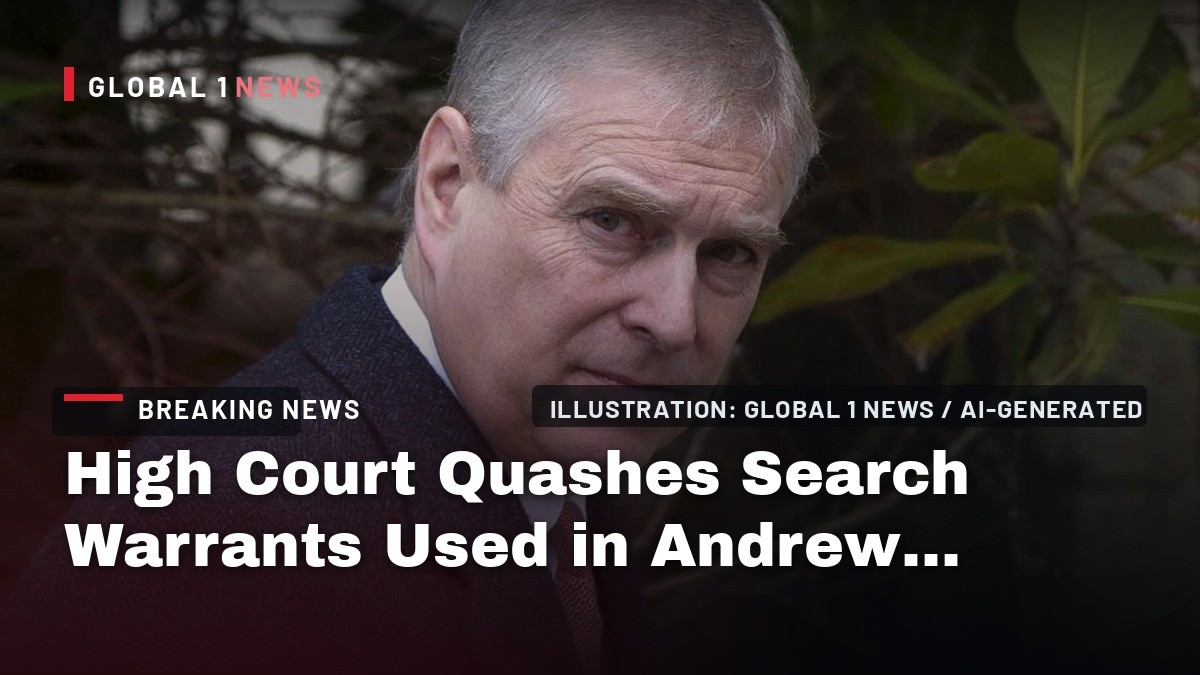
A High Court judge has ruled that the search warrants Thames Valley Police used to raid two of Andrew Mountbatten-Windsor's homes were unlawful, after the force accepted that the legal basis on which they were granted was incorrect. Mr Justice Hilliard said a significant error in the application was enough to render the warrants, the searches and the seized material unlawful. But the criminal investigation into the former prince is not over, and the police are fighting to keep what they took.
High Court Quashes Search Warrants Used in Andrew Mountbatten-Windsor Raids as Unlawful
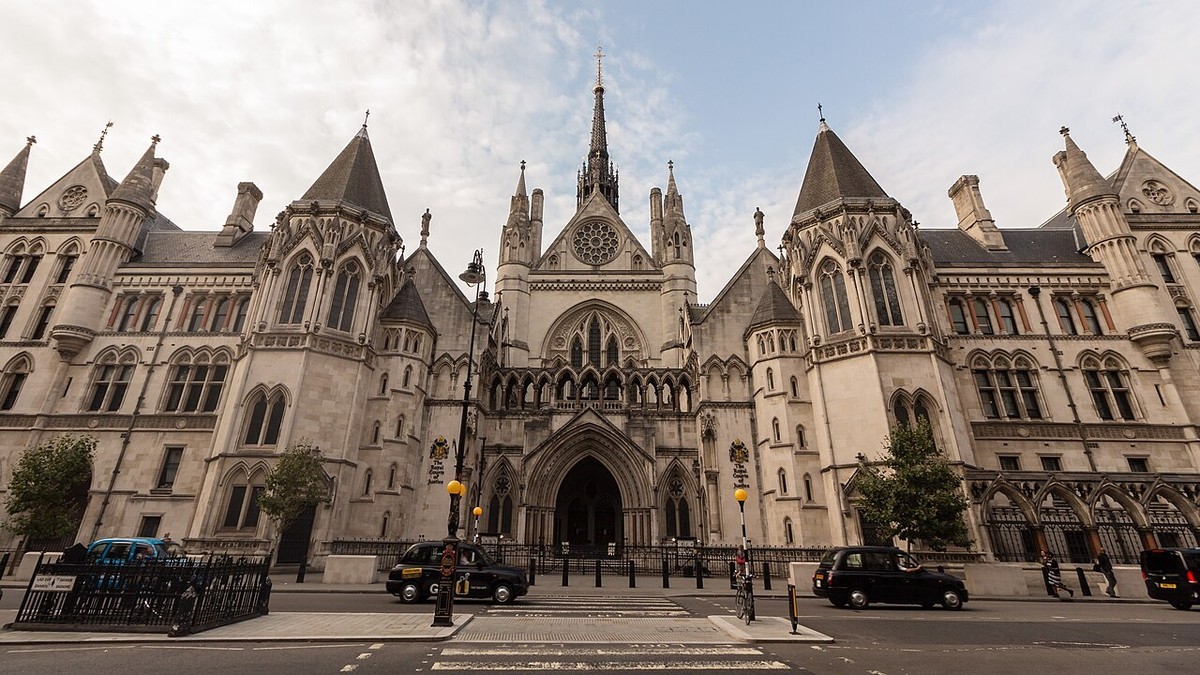
London — Thames Valley Police has accepted that the search warrants used to raid two properties linked to Andrew Mountbatten-Windsor were unlawful, the High Court has heard. Mr Justice Hilliard said an agreement had been reached between Mountbatten-Windsor and the force that the warrants were unlawful, and he stressed that the decision does not bring the wider inquiry to an end. The force's own statement dates the quashing to 22 July, while the BBC and the main news agencies report the decision as delivered at Thursday's hearing at the Royal Courts of Justice. The two accounts do not fully align.
The Ruling: Warrant Quashed as Unlawful
At Thursday's hearing, which Mountbatten-Windsor did not attend, Mr Justice Hilliard said that "agreement was reached between the claimant and Thames Valley Police that the search warrants were unlawful". He said a "significant error was made in the application for and grant of the search warrants", and that this was "enough to render the warrants, the searches and the material seized unlawful". The judge added: "The fact that the search warrants were quashed does not bring the investigation to an end or mean that the whole of the investigation is unlawful." Mountbatten-Windsor's barrister made no submissions. The judge noted that the case had not previously been heard in open court because the parties had agreed the warrants were unlawful without the need for a hearing.
The Error That Undid the Warrants
Thames Valley Police applied for search warrants under sections eight and nine of the Police and Criminal Evidence Act 1984 at a hearing at the Central Criminal Court the day before the searches, the court heard. That court decided only section eight warrants were needed and granted them on that basis, but a subsequent legal challenge established that the warrants should have been issued under section nine. Section nine warrants allow searches for material covered by legal privilege, or "excluded material", including business records and confidential journalistic material. Mr Justice Hilliard said the judge who granted the warrants on 18 February did so on the basis that the items sought were not subject to legal privilege or special procedure material. The force later conceded that the judge "could not properly have been satisfied there were reasonable grounds for believing" that section nine warrants were not needed, because a search for such material had been "expressly envisaged" in the application. He set out the test for what counts as special procedure material.
The Two Homes Police Searched
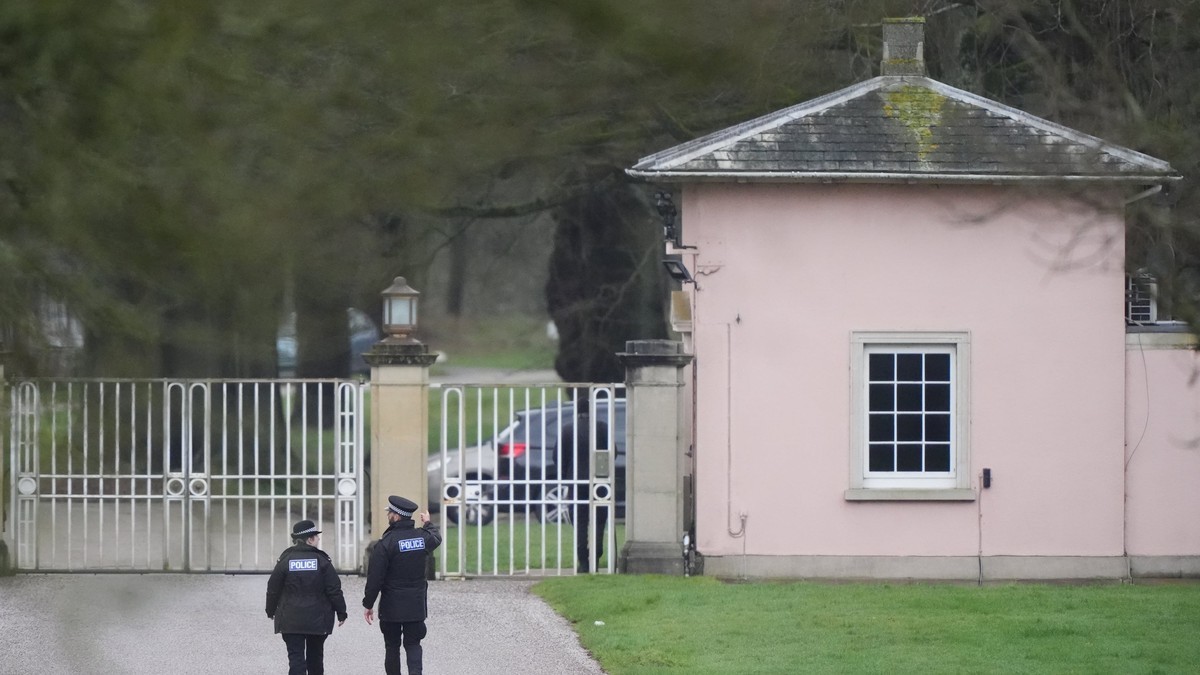
The warrants, issued by a judge at the Old Bailey on 18 February, allowed police to raid Mountbatten-Windsor's residence on the Sandringham Estate and his former Windsor home, Royal Lodge, in February. His current residence is Marsh Farm on the King's private Sandringham Estate in Norfolk; Royal Lodge is his former 30-room mansion in Windsor Great Park. On the morning of 19 February, Thames Valley Police said that, in addition to the arrest, it was "carrying out searches at addresses in Berkshire and Norfolk". Unmarked police vehicles were seen arriving at the Sandringham Estate before the arrest, and the force later said its searches in Norfolk "have now concluded". The warrants covered two properties in Norfolk and Berkshire, the force said, and the searches were carried out alongside the arrest on 19 February.
The Fight Over the Seized Material
The court heard that Thames Valley Police seized documents and electronic devices when it raided the homes earlier this year. The judge explained why the police have been able to keep hold of the property, saying that "someone who is in possession of property as a result of an unlawful search... can still retain the property if it would be lawful to seize the property under some other provision once it was returned to the owner". He added: "There would be little point in handing property back if it could then simply be lawfully seized under some other provision." Police made an application in June to retain evidence obtained through the searches. Mountbatten-Windsor opposes it, and the hearing on that bid will be held in private in 2027, meaning he could remain in limbo for several more months before learning whether he will be charged.
How the Investigation Began
The arrest came after Thames Valley Police said it was assessing a complaint over the alleged sharing of confidential material by the former prince with the late sex offender Jeffrey Epstein. It followed the publication by the US Department of Justice of documents which suggested he had forwarded confidential information to Epstein when Mountbatten-Windsor was Britain's trade envoy in 2010. It was the first time the former prince, who has faced numerous allegations over his links to Epstein, had been arrested. He has consistently denied any wrongdoing in relation to Epstein. The force said its "investigation into alleged misconduct in public office by a man in his 60s from Norfolk remains ongoing, and we continue to pursue all reasonable lines of enquiry to effectively and fairly progress this investigation".
The Allegations at the Centre of the Inquiry
The specifics of the misconduct allegations under investigation have not been set out. Previously reported allegations include that Mountbatten-Windsor shared reports from trade visits, forwarded a confidential briefing on investment in Afghanistan, and passed a Treasury briefing to a personal business contact. The BBC has reported that it is possible the police investigation extends beyond the emails seen widely in Epstein-related documents published in the United States. The force has not set out which specific documents or communications it is examining, and no court has been asked to rule on the substance of the allegations themselves.
The Arrest on His 66th Birthday
Andrew Mountbatten-Windsor was arrested on suspicion of misconduct in public office on 19 February, his 66th birthday. He was detained at about 08:00 GMT on the King's Sandringham Estate in Norfolk, where he had been staying, and taken to a Norfolk police station for questioning before being released under investigation that evening. It is understood that neither the King nor Buckingham Palace was informed in advance. The King said in a statement: "I have learned with the deepest concern the news about Andrew Mountbatten-Windsor and suspicion of misconduct in public office. What now follows is the full, fair and proper process by which this issue is investigated in the appropriate manner and by the appropriate authorities."
The King, the Title and the Stipend
King Charles III stripped Mountbatten-Windsor of his princely title last year as he sought to shield the rest of the royal family from the continuing fallout from his younger brother's links to Epstein. While Mountbatten-Windsor, 66, continues to receive a stipend from the King's private funds, Buckingham Palace has made clear that those funds may not be used to finance his effort to challenge the search warrants, and the palace has previously said it would support Thames Valley Police in its inquiries. His lawyers used a judicial review to challenge the actions of the force's chief constable and the Central Criminal Court in the build-up to the arrest.
What Misconduct in Public Office Means in Law
The legal definition of misconduct in a public office can cover a wide range of conduct, including sharing confidential financial information, financial misconduct, wilful neglect of duty and sexual misconduct. It also covers corruption and improper interference, conflict of interest, perverting the course of justice, dishonesty or fraudulent conduct, and misconduct leading to personal gain. Mountbatten-Windsor has not been charged with any offence and denies wrongdoing. Misconduct in public office is the offence at the centre of the case, and it is the yardstick if the investigation reaches a charging decision. No such decision has been announced, and any charge would rest with the Crown Prosecution Service and Thames Valley Police.
What Comes Next
Items seized in the raids will continue to be held by the police until the 2027 hearing, and the criminal investigation into Mountbatten-Windsor is ongoing. The force said legal proceedings are under way to decide how the material seized during the searches will be managed and whether it can lawfully retain it in support of its investigation. A Thames Valley Police spokesman said the agreement that led to the quashing of the warrants "relates specifically to a decision made by the court regarding the legal basis for these and is not a judgement on our ongoing investigation". The judge said he will have to decide whether the new application is granted. Stephens, of the London firm Howard Kennedy, described the hearing as a preliminary skirmish in a broader legal battle: "It's the first step of Prince Andrew and his lawyers saying, 'Actually, this is tainted evidence. It was obtained inappropriately.' Therefore it should be excluded from any criminal trial."
By Jessica Ali, Staff Writer
This article was produced with AI-assisted research and editorial support. Sources: BBC News, the Press Association, The Independent, The National, NBC News/AP, Reading Chronicle.
What's Your Reaction?
 Like
0
Like
0
 Dislike
0
Dislike
0
 Love
0
Love
0
 Funny
0
Funny
0
 Wow
0
Wow
0
 Sad
0
Sad
0
 Angry
0
Angry
0

Editor-in-Chief at Global1.News. Atlanta-based journalist who cuts through the BS and tells it like it is. Lead anchor, host, and the voice you hear when the spin stops and the truth starts.














Comments (0)