
Renovation works set to commence at Mt Gay Psychiatric Hospital
In the gentle hills of Mt Gay, St George, the Grenadian Ministry of Mental Health, Wellness, and Religious Affairs has announced a fresh wave of refurbishment that will see Block C of the Mt Gay Psychiatric Hospital temporarily closed for works beginning on Monday, 28 September 2026.
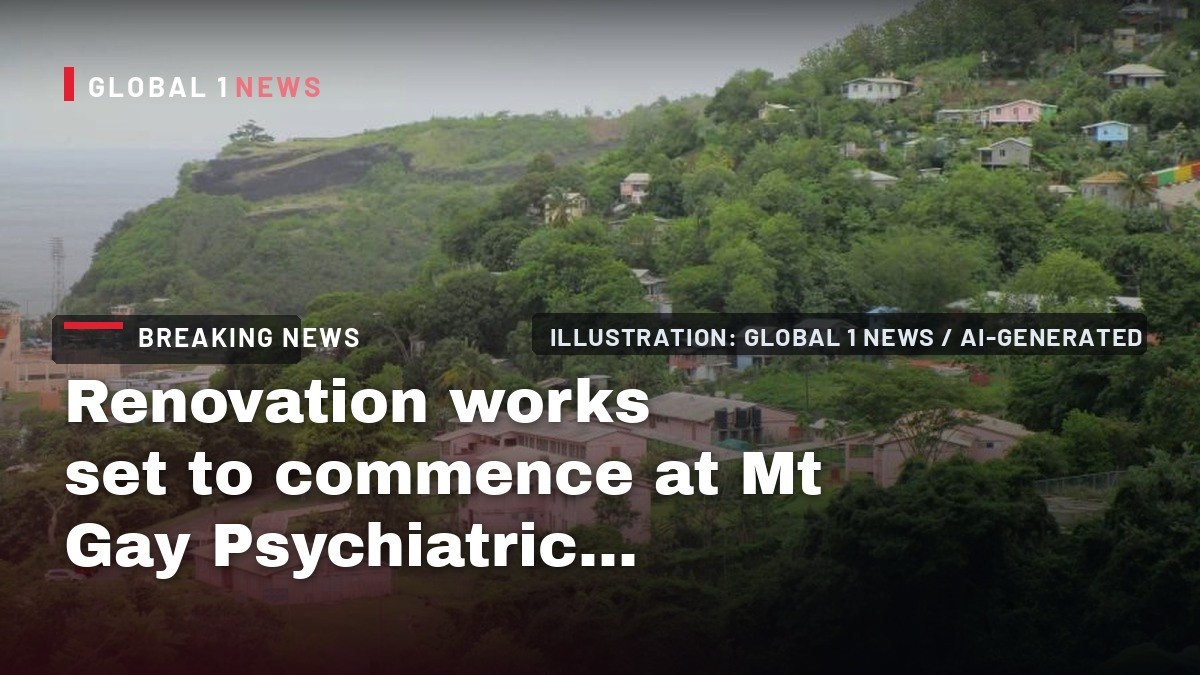
In the gentle hills of Mt Gay, St George, the Grenadian Ministry of Mental Health, Wellness, and Religious Affairs has announced a fresh wave of refurbishment that will see Block C of the Mt Gay Psychiatric Hospital temporarily closed for works beginning on Monday, 28 September 2026. The move, part of a broader governmental push to bolster health infrastructure across the Caribbean, promises to keep the doors of mental health care wide open while giving the ageing ward a much‑needed modernisation. Families and visitors are being asked to ring ahead and arrange their visits, a small inconvenience that the ministry assures will safeguard the safety and well‑being of patients, staff and the public alike.
Why the renovation matters for Grenada’s health landscape
The Ministry’s statement frames the refurbishment as a cornerstone of the Government’s ongoing efforts to strengthen the country’s health infrastructure. In recent years, Grenada, like many of its CARICOM neighbours, has been wrestling with the twin challenges of an ageing public‑sector building stock and a rising demand for mental health services. By targeting Block C – a key component of the Mt Gay Psychiatric Hospital – the authorities are signalling that mental health is no longer a peripheral concern but a central pillar of national well‑being.
While the announcement does not detail the specific upgrades planned, the phrasing “renovation works” and “newly renovated block on the hospital compound” suggests a focus on both physical comfort and functional efficiency. Upgraded facilities can improve patient outcomes, reduce infection risks and make the environment more therapeutic – all essential ingredients in a region where stigma around mental health still lingers.
Logistics of the temporary relocation
To keep services running without interruption, the ministry has arranged for all patients currently housed in Block C to be moved to a newly renovated block within the same hospital grounds. This internal relocation means that patients will remain close to familiar staff and routines, minimising the disruption that a move to an off‑site facility could cause. The statement stresses that the move is “temporary” and that the new block is already ready to receive patients, underscoring careful planning on the part of hospital administrators.
Visitors are asked to call the hospital in advance to make visitation arrangements. This request serves two purposes: it helps the hospital manage the flow of people through the compound during the construction phase, and it allows staff to ensure that each visit aligns with the safety protocols that will be in place while works are underway. In a community‑oriented setting such as Grenada, where families often travel from island to island to support loved ones, this advance notice is a practical step to keep everyone informed and safe.
Ensuring continuity of care
One of the most reassuring points in the ministry’s communiqué is the assurance that mental health services will continue without interruption throughout the refurbishment period. By keeping the core clinical functions operational, the government is addressing a common fear that construction could lead to service gaps, especially for a vulnerable population that relies on consistent therapeutic support.
This continuity is likely to be achieved through a combination of staff redeployment, the use of the newly renovated block as a temporary hub, and perhaps staggered scheduling of certain activities to avoid crowding. While the announcement does not spell out these operational details, the confidence expressed by the ministry indicates that contingency plans are already in place, reflecting a proactive approach to health service delivery.
Community response and public cooperation
The ministry’s call for public understanding and cooperation reflects a broader cultural expectation in the Caribbean that citizens rally together during periods of national development. In Trinidad and Tobago, for instance, we have seen communities come together to support school renovations and road repairs, recognising that short‑term inconvenience often yields long‑term benefit. Grenadians are likely to view the temporary relocation with a similar spirit of collective patience.
By urging visitors to call ahead, the ministry also opens a channel for dialogue, allowing families to voice concerns and receive reassurance directly from hospital staff. This two‑way communication can help mitigate anxiety, especially for relatives who may be worried about the impact of construction noise or altered visitation routines on their loved ones.
Broader implications for Caribbean mental health policy
The refurbishment at Mt Gay Psychiatric Hospital sits within a regional trend of re‑examining mental health infrastructure. Across the Caribbean, governments are increasingly acknowledging the importance of mental wellness as part of the broader health agenda. Initiatives such as the CARICOM Mental Health Action Plan have urged member states to invest in facilities, training and community outreach.
Grenada’s decision to upgrade a key psychiatric ward signals alignment with these regional goals. By improving physical spaces, the country not only enhances patient care but also sends a message that mental health deserves the same level of investment as other medical services. This could encourage further funding allocations, staff training programmes and public awareness campaigns in the years to come.
Potential challenges and how they might be managed
Any construction project within an active health facility inevitably brings challenges. Noise, dust and the movement of equipment can be unsettling for patients, particularly those with heightened sensitivities. The ministry’s emphasis on safety and well‑being suggests that mitigation measures – such as sound‑proof barriers, dust control and clear signage – will be part of the refurbishment plan.
Another challenge lies in maintaining staff morale and preventing burnout during the transition. Relocating patients, adjusting schedules and dealing with visitor inquiries can add to the workload of already stretched health workers. While the source material does not detail staff support measures, the ministry’s appreciation of public cooperation hints at an awareness of the need to keep morale high, perhaps through additional staffing or temporary incentives.
Looking ahead: what the renovated Block C could mean for patients
When the refurbishment is complete, patients in Block C can look forward to a more comfortable and therapeutic environment. Modernised wards often feature improved lighting, better ventilation and private or semi‑private spaces that respect patient dignity. Such enhancements can contribute to faster recovery, reduced stress and a more positive overall experience of care.
Beyond the walls of the hospital, the project may also act as a catalyst for broader community engagement with mental health issues. A visibly upgraded facility can help reduce stigma, signalling that mental health care is a priority worthy of investment. As families and neighbours see the tangible improvements, they may feel more encouraged to seek help early, fostering a culture where mental wellness is openly discussed and supported.
This article was produced with AI-assisted research and editorial support. Reporting is based on the source material cited below. Sources: Now Grenada; nowgrenada.com; Global1.News (19 September 2026).
By Sharon Sahatoo, Staff Writer
What's Your Reaction?
 Like
0
Like
0
 Dislike
0
Dislike
0
 Love
0
Love
0
 Funny
0
Funny
0
 Wow
0
Wow
0
 Sad
0
Sad
0
 Angry
0
Angry
0

Caribbean Correspondent at Global1.News. Based in Port of Spain, Trinidad, covering Caribbean politics, economy, energy, climate, and culture. Amplifying the voices and stories of the Caribbean region.













Comments (0)