
Scientists Identify Protein That May Influence Cravings For Fatty Foods
With India's obesity burden rising sharply — 24.0% of women and 22.9% of men now classified as overweight or obese per NFHS-5 — a new study from Japanese researchers has identified a mitochondrial protein that may directly influence cravings for fatty foods, offering a potential molecular target for
With India's obesity burden rising sharply — 24.0% of women and 22.9% of men now classified as overweight or obese per NFHS-5 — a new study from Japanese researchers has identified a mitochondrial protein that may directly influence cravings for fatty foods, offering a potential molecular target for future appetite-suppressing therapies.
Protein Linked to Fatty Food Cravings Identified in New Study
New Delhi, India – August 29, 2026 — In a discovery that could reshape our understanding of why some people find it nearly impossible to resist fried snacks and rich curries, a team of Japanese scientists has identified a protein that regulates dietary fat preference and weight gain in mice. The research, published in the FASEB Journal on May 21, 2026, zeroes in on optic atrophy-1 (OPA1), a mitochondrial fusion protein, and its role within a specific set of brain neurons that govern appetite. While the mechanism is firmly established in mice, the researchers caution that further work is needed to confirm whether the same biological pathway operates in humans — a caveat that carries particular weight for India, where metabolic disorders are reaching epidemic proportions.
The Discovery: A Protein That Governs Fat Preference
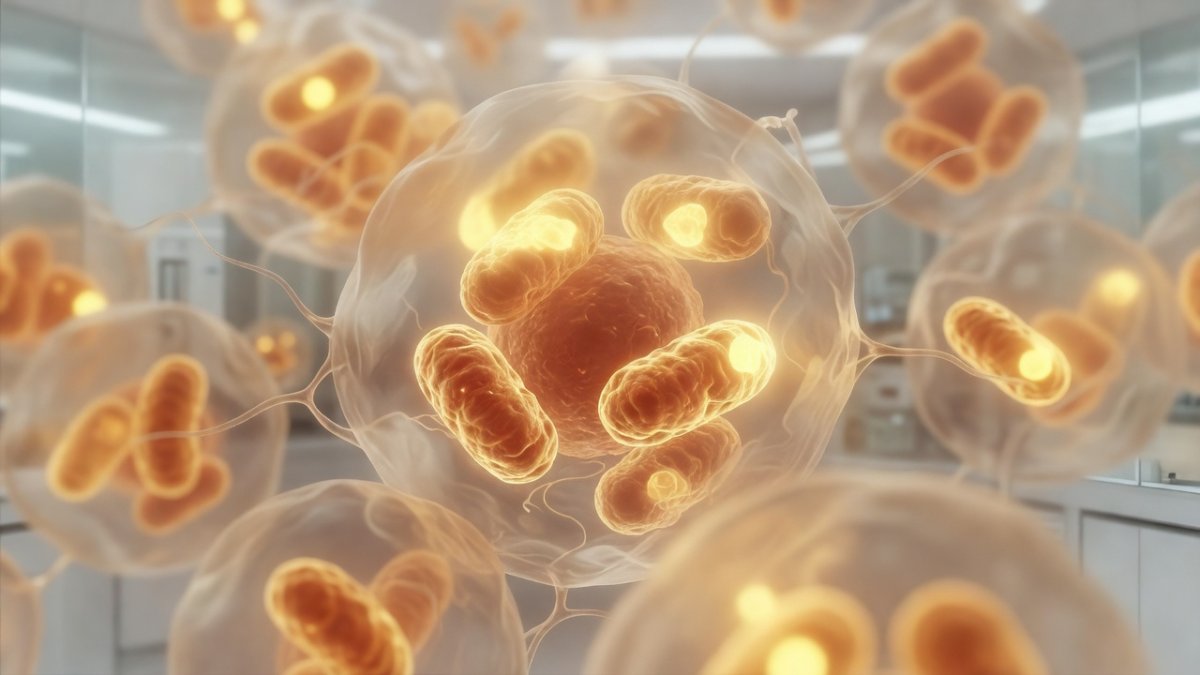
The study, led by Matsumura and colleagues, focused on OPA1, a protein best known for its role in maintaining the health of mitochondria — the energy-producing organelles often described as the cell's batteries. The researchers engineered mice in which OPA1 was specifically removed from Melanocortin 4 receptor (MC4R) neurons, a critical node in the brain's melanocortin pathway, which serves as a master regulator of appetite and energy balance.
When given free access to soybean oil as a source of dietary fat, the knockout mice displayed a dramatically stronger preference for fatty foods compared to their wild-type counterparts. These genetically modified animals overate and gained significantly more weight, demonstrating that OPA1 within MC4R neurons plays a direct role in modulating fat-seeking behaviour. The finding is notable because it isolates a single protein within a complex neural circuit and shows that its absence fundamentally alters dietary choice — not just total caloric intake, but specifically the drive toward fat.
The Science: Mitochondria and the Brain's Appetite Control Centre
To appreciate the significance of this finding, one must understand the dual role of OPA1. As a mitochondrial fusion protein, OPA1 ensures that mitochondria remain healthy and functional, enabling efficient energy production. But the study reveals that OPA1's influence extends beyond cellular metabolism into the realm of behaviour — specifically, the regulation of fat intake through the MC4R pathway.
The melanocortin pathway is a well-characterised system in neuroendocrinology. MC4R neurons in the hypothalamus integrate signals about energy status and modulate appetite accordingly. Mutations in the MC4R gene are among the most common monogenic causes of severe obesity in humans, making this pathway a prime target for pharmacological intervention. The Japanese team's work adds a new layer of complexity: the health of mitochondria within these neurons — governed by OPA1 — appears to influence how strongly the brain drives fat consumption.
ScienceAlert's coverage of the study notes a crucial nuance: a lack of OPA1 did not completely break MC4R messaging. The pathway remained partially functional, but its sensitivity to regulatory signals was altered. This suggests that OPA1 acts as a modulator rather than an on-off switch, fine-tuning the brain's response to dietary fat.
Sex Differences: A Critical Finding for Future Therapies
One of the most striking aspects of the study is the clear divergence between male and female mice. When the researchers administered an MC4R agonist — a class of drug already used in anti-obesity treatments — it suppressed food intake as expected in male knockout mice, regardless of their OPA1 status. However, in female knockout mice, the drug's effect was significantly attenuated.
This sex-specific difference has profound implications for drug development. If a similar mechanism exists in humans, it would suggest that anti-obesity medications targeting the MC4R pathway may need to be tailored differently for men and women. The finding also underscores a broader issue in biomedical research: the historical underrepresentation of female subjects in preclinical studies has often masked such differences, leading to suboptimal treatment outcomes in women.
For India, where the prevalence of obesity among women (24.0%) already exceeds that of men (22.9%), this sex-specific finding is particularly relevant. Any future therapy developed from this research would need to account for these differences to be effective across the population.
India's Obesity and Diabetes Crisis: The Urgent Context
The relevance of this research to India cannot be overstated. The ICMR-INDIAB national study, published in 2023, estimated that 101 million people in India live with diabetes, with an additional 136 million in the prediabetes range. Abdominal obesity and metabolic syndrome are identified as key drivers of this epidemic, and dietary patterns — particularly the high consumption of edible oils and deep-fried foods — are central to the problem.
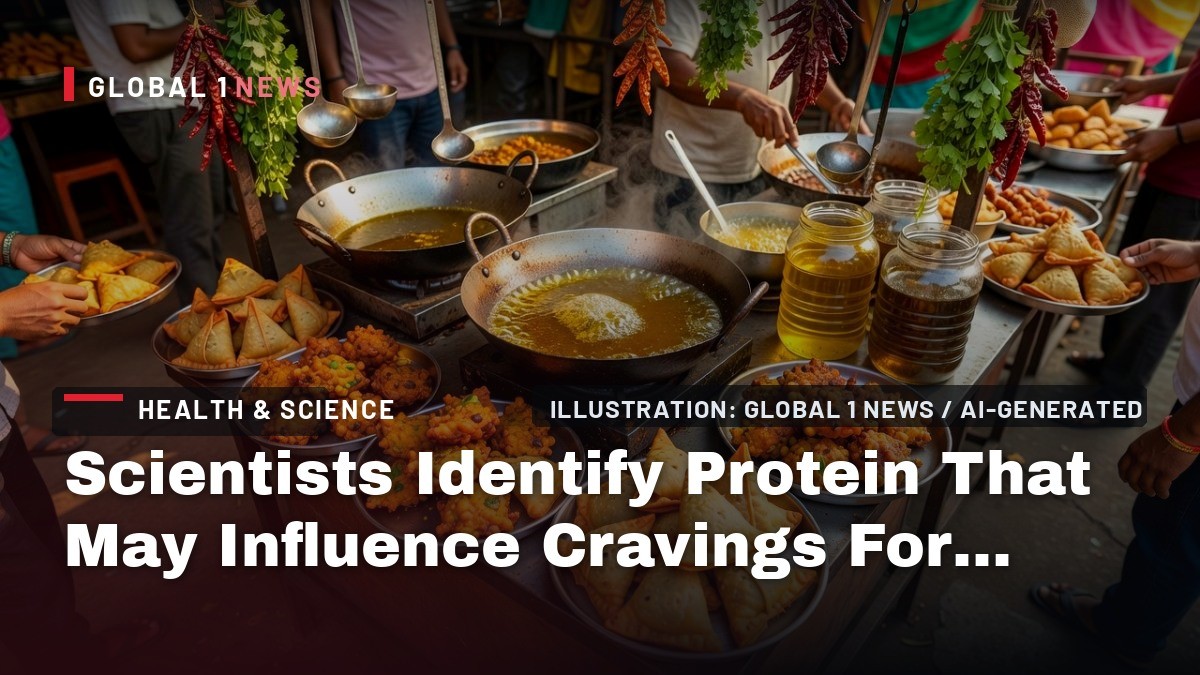
India is among the world's largest consumers of edible oils, and high-fat foods are deeply embedded in regional cuisines. From the deep-fried samosas and pakoras of the north to the coconut-oil-rich curries of the south, visible fats are a staple of the Indian diet. The ICMR-National Institute of Nutrition's 2024 Dietary Guidelines for Indians recommend limiting added sugars and visible fats, but translating these guidelines into behavioural change has proven challenging.
The NFHS-5 data (2019-21) shows a clear upward trajectory: overweight and obesity among women rose from 20.6% in NFHS-4 (2015-16) to 24.0%, while among men it climbed from 18.9% to 22.9%. These are not merely cosmetic concerns; they are harbingers of a looming public health crisis. Obesity is a primary risk factor for type 2 diabetes, cardiovascular disease, and a host of other non-communicable diseases (NCDs) that already account for over 60% of all deaths in India.
What This Means for Future Obesity Treatment in India
The identification of OPA1 as a potential regulator of fat preference opens new avenues for therapeutic intervention. If the mechanism is confirmed in humans, drugs that enhance OPA1 function or stabilise mitochondrial health in MC4R neurons could potentially reduce the drive to consume fatty foods. This would represent a fundamentally different approach from current treatments, which largely focus on suppressing appetite globally or blocking fat absorption in the gut.
However, the path from mouse models to human therapies is long and fraught with failure. The researchers themselves acknowledge that more work is needed to establish whether the same mechanism exists in humans. The FASEB Journal study is a foundational step, not a finished solution. For Indian policymakers and healthcare providers, the immediate takeaway is more practical: the growing burden of obesity demands a multi-pronged response that includes dietary reform, public awareness, and regulatory action.
The FSSAI's Eat Right India movement and the proposed front-of-pack labelling rules for HFSS (high fat, salt, sugar) foods are steps in the right direction. The National NCD Monitoring Survey provides the data infrastructure needed to track progress. But these policy tools operate at the population level; they do not address the individual biological variability that makes some people more susceptible to fat cravings than others.
The Bottom Line: A Promising Lead, Not a Cure
This study is a significant scientific advance, but it must be interpreted with appropriate caution. The mechanism is established in mice; the human translation remains unproven. The sex-specific findings add a layer of complexity that will require careful consideration in any future clinical development.
For India, the research underscores a broader truth: the obesity epidemic is not merely a matter of willpower or lifestyle choice. It is a complex interplay of biology, environment, and policy. The identification of OPA1 as a potential regulator of fat preference is a reminder that our understanding of appetite is still incomplete, and that future treatments may need to target not just the brain's reward centres, but the very health of the cells that govern our eating behaviour.
As India continues to grapple with the dual burden of undernutrition and overnutrition, research like this offers hope that more targeted, biologically informed interventions may one day complement the dietary and policy measures currently in place. For now, the message to Indian citizens remains unchanged: a balanced diet, limited visible fats, and regular physical activity are the most reliable tools we have. The science of tomorrow may offer more, but the discipline of today is what will carry us through.
— By Dr. Raj Patel, Staff Writer
This article was produced with AI-assisted research and editorial support. Sources: NDTV, FASEB Journal, ScienceAlert, Medical Xpress, ScienceDaily.
What's Your Reaction?
 Like
0
Like
0
 Dislike
0
Dislike
0
 Love
0
Love
0
 Funny
0
Funny
0
 Wow
0
Wow
0
 Sad
0
Sad
0
 Angry
0
Angry
0

India/South Asia Correspondent at Global1.News. Analytical voice with a background in science and health journalism. Based in New Delhi, covering Indian politics, education, healthcare, technology, and policy. Breaks down complex data into clear, actionable reporting.














Comments (0)