
Pantsula Meets Passinho: Tamujuntu Carries Katlehong's Dance Legacy Across the Atlantic
A South African township dance form born under apartheid is now crossing oceans, meeting Brazil's Passinho on European stages, while back home in Katlehong a festival honours the man who carried Pantsula to the world. Pantsula Meets Passinho: Tamujuntu Carries Katlehong's Dance Legacy Across the Atlantic Dakar, Senegal — In the spirit of Senegal's own griot traditions that carry stories across generations, the fusion of Pantsula and Passinho remi
A South African township dance form born under apartheid is now crossing oceans, meeting Brazil's Passinho on European stages, while back home in Katlehong a festival honours the man who carried Pantsula to the world.
Pantsula Meets Passinho: Tamujuntu Carries Katlehong's Dance Legacy Across the Atlantic
Dakar, Senegal — In the spirit of Senegal's own griot traditions that carry stories across generations, the fusion of Pantsula and Passinho reminds us how African and diaspora rhythms refuse to stay confined. This collaboration between Via Katlehong and Brazilian choreographer Paulo Azevedo brings township resilience to global stages while a Katlehong festival keeps the legacy alive at home. The story matters because it shows how creative communities from Johannesburg's east to the favelas of Brazil strengthen Africa's place in world culture.
A Meeting of Two Street Dances
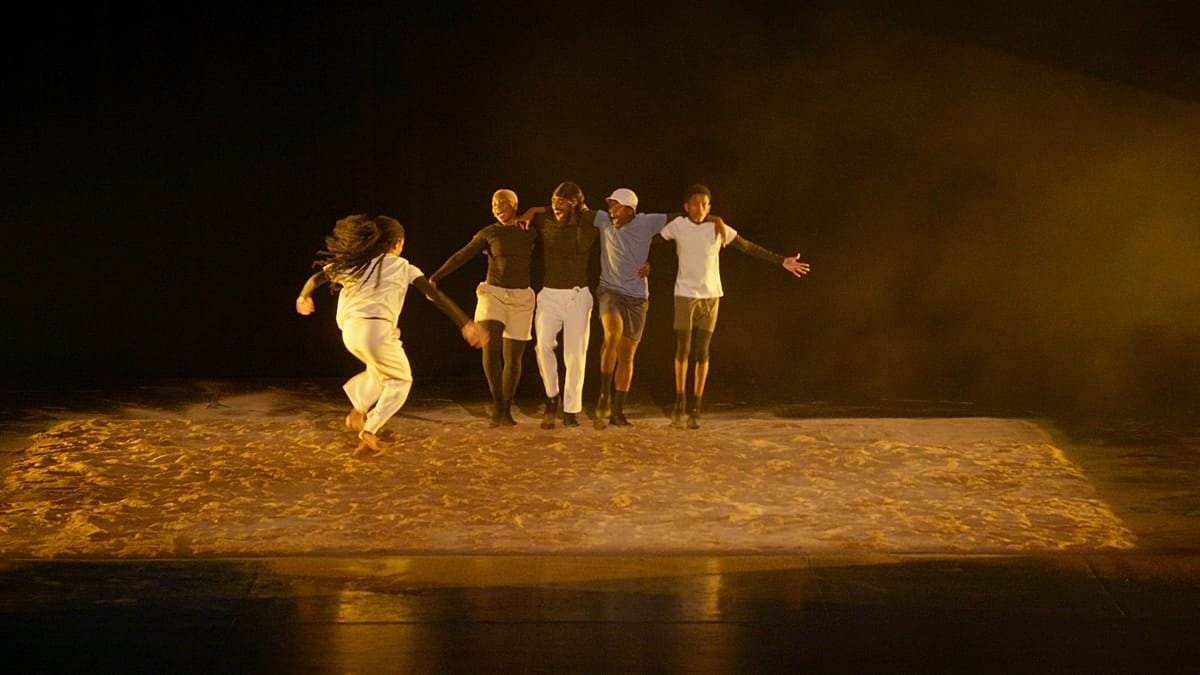
Tamujuntu performed at Maison de la Danse in Lyon, France on 21 November 2025, bringing together dancers from Via Katlehong and Brazilian collaborators on a shared stage. Choreography by Brazilian choreographer Paulo Azevedo guided the piece, allowing South African movements to meet Passinho, a Brazilian street dance rooted in social struggles and lifestyles. Via Katlehong is a South African dance company from Katlehong township, east of Johannesburg in Ekurhuleni, and its performers made the fusion appear effortless.
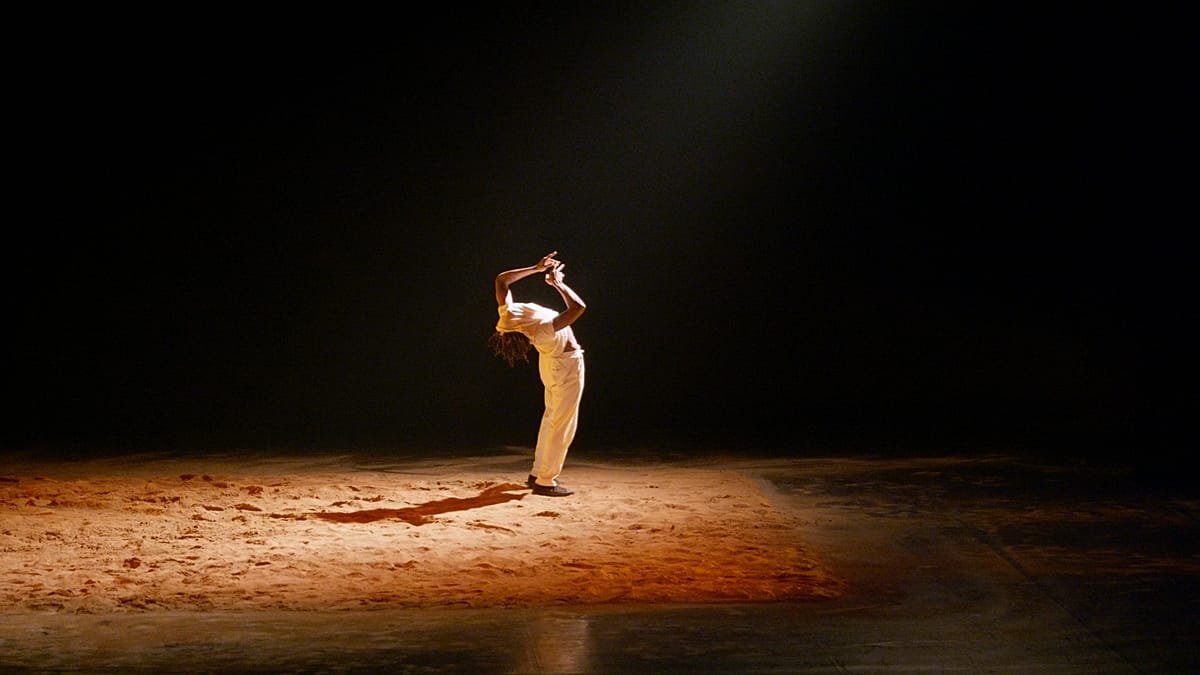
Pantsula born in Black townships during apartheid as resistance and resilience found a natural partner in Passinho. Dancers stomp, whistle and shout on a stage covered with sand under warm yellow and red lights, creating an atmosphere that feels both raw and celebratory. The shared histories of social struggle between South Africa and Brazil surface through every gesture, turning the performance into a dialogue between two continents.
The company made Brazilian choreographer Paulo Azevedo's choreography look easy, natural and playful, even as the movements carried deep political weight. Audiences in Lyon witnessed how township steps from Ekurhuleni could blend with Brazilian footwork without losing their distinct edges. This meeting highlights why such exchanges matter for Africa's creative economy, as they open new markets and affirm cultural identity on international platforms.
Via Katlehong dancers brought their own sensitivity to the work, showing how Pantsula adapts while staying rooted. The sand-covered stage added texture that echoed both South African streets and Brazilian urban spaces. Warm lighting in yellow and red tones bathed the performers, evoking the energy of township gatherings and favela parties alike.
The performance demonstrated that dance can carry political memory across oceans without dilution. South African and Brazilian artists found common ground in rhythms born from marginalised communities. For African readers this signals growing global influence for township arts that once faced suppression at home.
What "Tamujuntu" Means: Tamo Junto Meets Ubuntu
The title comes from the Brazilian Portuguese "tamo junto", short for "estamos juntos", roughly meaning "we're in this together", "it's a deal", "we'll get there". It conveys empathy, solidarity and connection between friends facing adversity, a sentiment familiar in many African communities. Paulo Azevedo spelled the expression phonetically as "tamujuntu" to highlight the natural links between language and culture.
The repeated letter "u" calls to mind the South African word "Ubuntu" — "I am who I am because of who we all are". This linguistic bridge invites audiences to explore the words and worlds they open, much like Senegal's Wolof expressions that carry layers of communal meaning. The title therefore functions as both invitation and declaration of shared purpose.
Through this naming, the work connects Brazilian street culture with South African philosophy in a single word. Dancers embody the phrase through gestures of support and collective movement. The result feels like an extension of the same spirit that fuels Dakar’s annual jazz festival, where musicians from across the continent find common rhythm.
Audiences leave the theatre reflecting on how language itself becomes a form of dance. The phonetic spelling draws attention to pronunciation and cultural resonance rather than literal translation. Such attention to detail strengthens the piece’s claim to authenticity.
The title encourages viewers to consider solidarity across the Atlantic in practical terms. It points to future collaborations that could link more African cities with Brazilian partners. This matters because it expands the creative economy beyond traditional Western routes.
Pantsula: A Lifestyle Born in the Townships
Pantsula born in Black townships during apartheid as resistance and resilience remains much bigger than dance alone. It functions as a lifestyle, a way of dressing, a way of communicating and a way of moving that continues to shape daily life in Katlehong. The spoti (bucket hat) and Converse sneakers form Pantsula's uniform, worn by kwaito band Trompies as a visible marker of identity.
Pantsula helped pave the way for authentic South African music and dance movements from kwaito and house to amapiano. The Mapantsula film and Jive Pantsula song by PJ Powers stitched the style into 1980s popular culture, giving it wider recognition even under restrictive conditions. These cultural threads now reach new generations through international tours.
Steven Faleni, co-director of Via Katlehong, explains the approach: "Pantsula is one dance form, it's very sensitive, it's very abstract. So when we invite choreographers, we want to see what they can do with our own." His words underscore the company's commitment to preserving core elements while allowing fresh interpretations. This balance keeps the form alive and relevant.
The uniform of spoti and Converse sneakers carries social meaning that travels with the dancers to European stages. Kwaito band Trompies helped popularise this look, linking dance directly to music scenes that later influenced amapiano. Such connections show how township culture feeds broader creative industries across Africa.
Understanding Pantsula as lifestyle rather than isolated performance reveals its ongoing role in community building. Young people in Katlehong still adopt the dress and movement codes as expressions of pride. The form's journey to Lyon demonstrates its capacity to represent South Africa globally without compromise.
Via Katlehong: Thirty Years of Township Dance Going Global
Via Katlehong founded by Buru Mohlabane, a cultural ambassador who took the dance form to France, marks thirty years of township dance reaching international audiences. The company based in Katlehong, a township east of Johannesburg in Ekurhuleni, maintains strong local roots while touring abroad. Its history includes repeated French engagements that built lasting partnerships.
Tamujuntu is a coproduction between Via Katlehong Dance, Cia Gente (Sergio Chianca in France and Flavia Menezes in Brazil) and Damien Valette Prod. Coproducers include Maison de la Danse Lyon, La Villette Paris, Espace 1789 Saint-Ouen and Dance Reflections by Van Cleef & Arpels. These institutional ties provide the infrastructure for sustained exchange.
The dancers Lizwi Sibumbe, Paulette Lungile Malanghu, Bongani Shabangu, Lebohang Kevin Mofokeng, Zulu Gregório, Pedro Henrique Brum and Isabelle Czar brought the choreography to life in Lyon. Music by Filipe Itagiba and lighting by Cárin Geada completed the sensory world of the piece. Each element reflects careful collaboration across borders.
The company has long invited choreographers from other countries and styles to work with Pantsula, testing its flexibility without erasing its origins. This method produced Tamujuntu and continues to generate new works. Support from the Paris Region Cultural Affairs department and the City of Ekurhuleni further enables these projects.
Thirty years of activity position Via Katlehong as a model for how township companies can achieve global reach. The current tour builds on Mohlabane's early efforts to present Pantsula in France. African cultural institutions can draw lessons from this sustained international presence.
Pantsula, My World: A Festival Honours a Fallen Founder
The Pantsula, My World festival staged at DH Williams Hall in Katlehong on 6 August 2026 featured Gauteng's best dance groups including four all-female groups. The festival was the brainchild of Buru Mohlabane, who died in a car crash in December 2025 shortly after securing funding. His vision lives on through the event he planned.
Funding from the French Institute of South Africa (IFAS) made the programme possible. The event served as the culmination of weeks of discussions, school visits and mentorship sessions across the township. Organisers documented Pantsula's movements and meaning while recording its history and legacy for future reference.
The festival works to clean up Pantsula's image from tsotsi stereotypes to an iconic expression of township identity, sharpness and survival. Aysha Waja, cultural programmes officer at IFAS, notes that formalising Pantsula as contemporary dance will ensure it is taught in schools and universities. This step carries practical implications for education and professional pathways.
Dancer Lungile Mahlangu observes that Pantsula has been a voice for equality in a male-dominated industry and that the dance is used to address societal and political tensions. The inclusion of four all-female groups at the festival underscores this shift. Such visibility strengthens the form's role in community dialogue.
The project received support from the Paris Region Cultural Affairs department and the City of Ekurhuleni, linking local and international resources. Documenting the dance's history during the festival creates an archive that future generations can access. This work preserves knowledge that might otherwise fade.
What to Watch For
Tamujuntu continues its European tour into 2026, including dates at L'usine in Istres on 28 March 2026, at Pavillon Noir in Aix-en-Provence on 7-8 April 2026, and at the Internationaal Theater Amsterdam. These performances keep the Pantsula-Passinho dialogue alive on new stages. Momentum behind formalising Pantsula as contemporary dance in schools and universities grows steadily.
The collaboration between African and Brazilian street cultures points to a broader Pan-African and diaspora creative renaissance. Similar exchanges could link Dakar’s music scenes with Brazilian artists, building on existing cultural ties. The legacy of Buru Mohlabane lives on through Via Katlehong and the festival bearing his vision.
What African audiences can learn from the boundary-pushing collaboration is the value of inviting outsiders to reinterpret local forms while protecting their core. This approach generates fresh work without erasing history. It also creates economic opportunities through touring and coproduction models.
The festival in Katlehong demonstrated how documentation and mentorship can secure a dance form's future. Formal recognition in educational institutions will open doors for young practitioners across South Africa. Similar initiatives in Senegal could strengthen local dance traditions facing globalisation pressures.
Across oceans, the energy of township streets and Brazilian neighbourhoods continues to generate new expressions of solidarity. Dance remains one of the most direct ways communities assert presence and resilience. The Tamujuntu project and the Pantsula, My World festival together illustrate this enduring power.
Senegal's own cultural festivals remind us that movement and rhythm carry stories that policy documents cannot contain. The Katlehong story offers encouragement that township arts can travel far while staying grounded. Africa's creative communities gain strength each time such connections form and endure.
By Amara Diop, Staff Writer
This article was produced with AI-assisted research and editorial support. Reporting is based on sources cited in the article.
What's Your Reaction?
 Like
0
Like
0
 Dislike
0
Dislike
0
 Love
0
Love
0
 Funny
0
Funny
0
 Wow
0
Wow
0
 Sad
0
Sad
0
 Angry
0
Angry
0

West Africa/Sahel Correspondent at Global1.News. Dakar-based journalist covering politics, security, climate, and development across Francophone and Anglophone West Africa. Tells the stories of a region undergoing profound transformation.












Comments (0)