
Out-of-Control Wildfire Near Metro Vancouver Suspected to Be Human-Caused
In a recent CBC News report on Hanomansing Tonight, a new wildfire burning near Metro Vancouver is suspected to be human-caused. The out-of-control blaze broke out Wednesday afternoon in təmtəmíxʷtən/Belcarra Regional Park, an 11-square-kilometre waterfront park north of Port Moody. This event underscores the pressures on Canadian emergency services and communities in British Columbia as wildfire activity rises across the province. Human-Caused Wildfire Er
In a recent CBC News report on Hanomansing Tonight, a new wildfire burning near Metro Vancouver is suspected to be human-caused. The out-of-control blaze broke out Wednesday afternoon in təmtəmíxʷtən/Belcarra Regional Park, an 11-square-kilometre waterfront park north of Port Moody. This event underscores the pressures on Canadian emergency services and communities in British Columbia as wildfire activity rises across the province.
Human-Caused Wildfire Erupts in Belcarra Regional Park Near Metro Vancouver
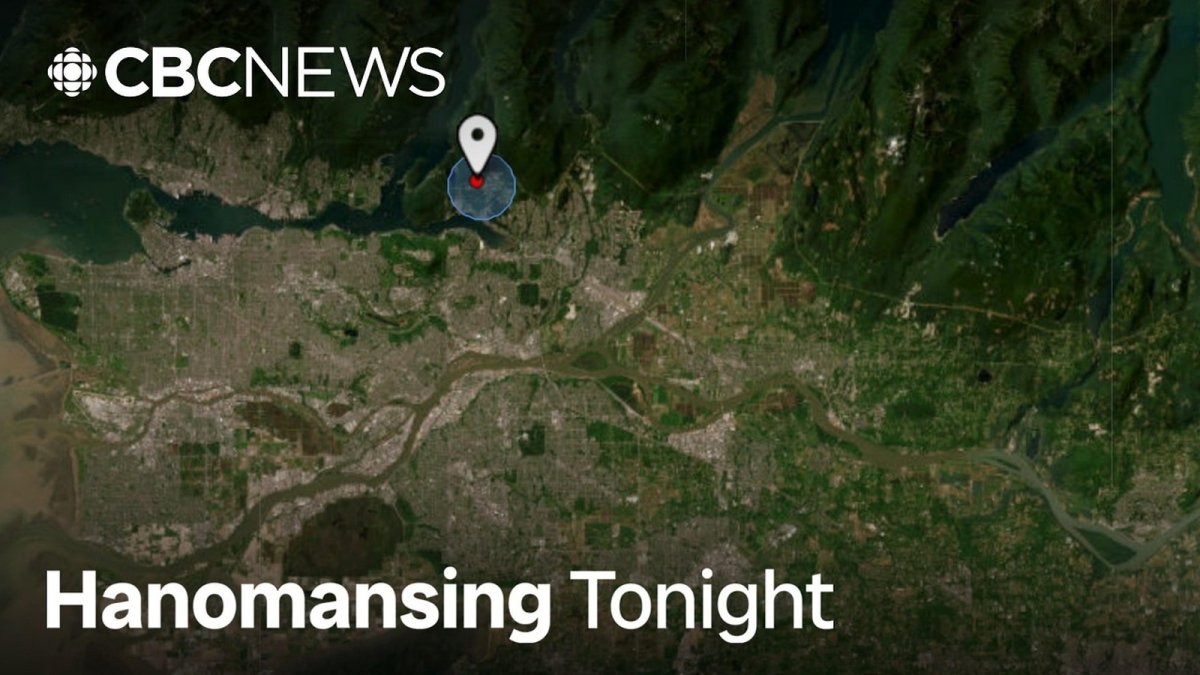
Vancouver, B.C. – Wednesday — An out-of-control wildfire broke out Wednesday afternoon in təmtəmíxʷtən/Belcarra Regional Park. The fire was discovered Aug. 5 and initially estimated at 0.8 hectares. By 6 p.m. it had grown to roughly the size of three Canadian Football League fields.
The Story — Fire in a Metro Vancouver Park
The BC Wildfire Service and the Coastal Wildfire Centre list the location as Bedwell Bay Road, near Sugar Mountain Trail. The fire burned about 2.5 km west of Port Moody and 0.5 km from Black Bear Way. It remained highly visible from Port Moody, Coquitlam and North Vancouver throughout the afternoon and evening.
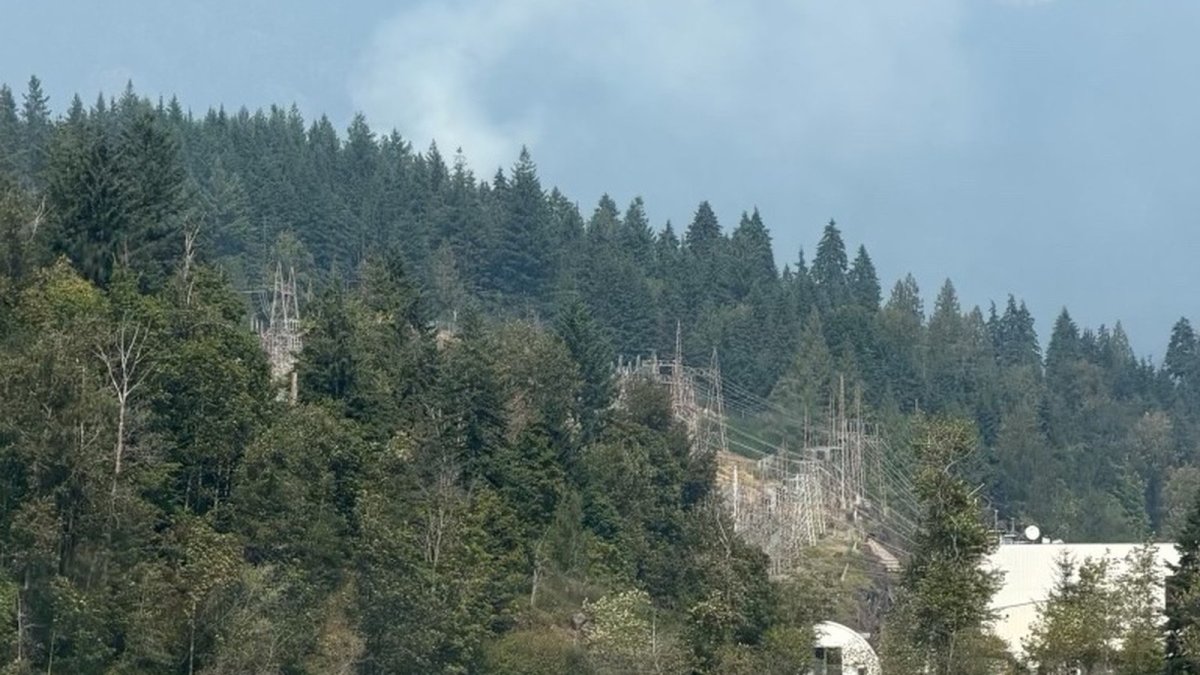
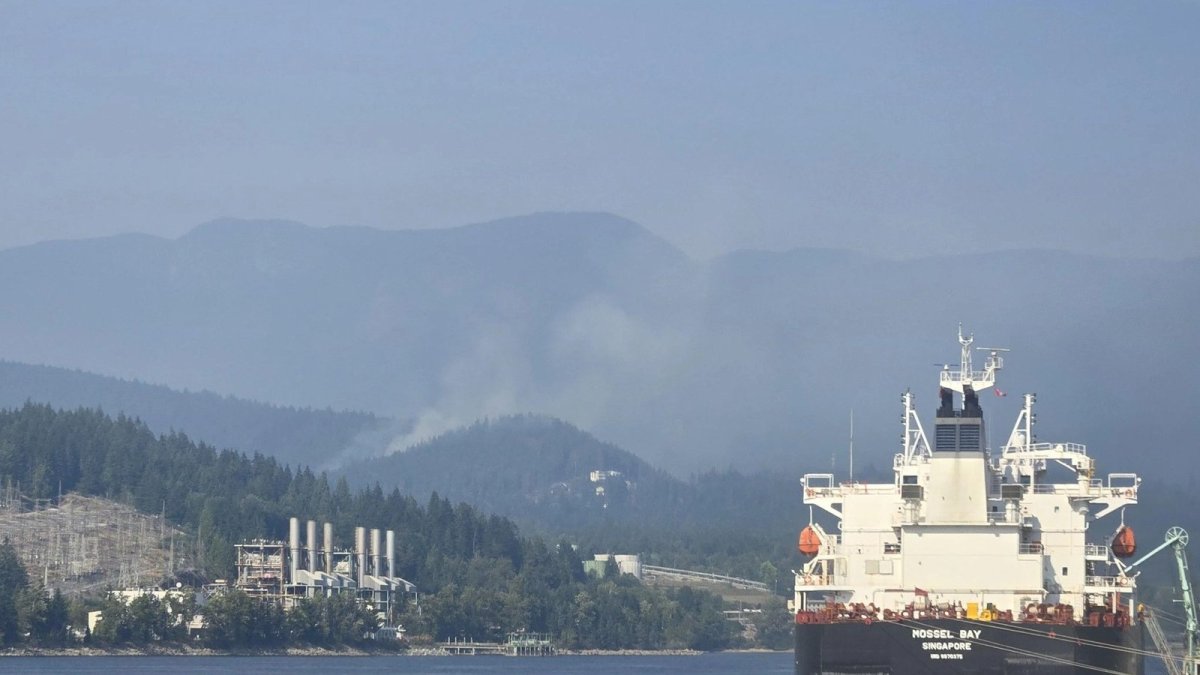
The blaze began close to a power-line right of way inside the park. The Imperial Oil storage tank facility sits south of the park, yet the fire stayed within park boundaries. People heading to Buntzen Lake were turned away as crews worked nearby.
The geography of Metro Vancouver plays a central role in how such fires unfold and affect surrounding communities. Belcarra Regional Park sits along the waterfront with steep terrain and dense forest cover that can accelerate fire spread under dry summer conditions. This location places the blaze in close proximity to residential neighbourhoods in Port Moody and Anmore, highlighting the interface between protected natural areas and urban expansion that characterises much of the Lower Mainland.
Residents across the region rely on these parks for recreation and as buffers against urban heat, yet increasing wildfire frequency tests the balance between public access and safety. The visibility of smoke columns from multiple vantage points in Coquitlam and North Vancouver demonstrates how quickly a single ignition can disrupt daily movement patterns along major transportation corridors. Such events remind Canadians that even contained park fires carry broader implications for regional planning and resource allocation during peak fire season.
Suspected Human Cause, Downed Hydro Line
The BC Wildfire Service states the suspected cause is human-related. A coordinator for the Sasamat Volunteer Fire Department named Arnold-Smith said ground crews arriving found a hydro line down. Because the line was energised, crews pulled back and let aerial resources attack the fire.
Three helicopters dumped water on the flames while air tanker support operated overhead. Responders included the Sasamat Volunteer Fire Department, Port Moody Fire Department, Metro Vancouver Wildfire Team watershed protection crews, and the BC Wildfire Service.
Human-caused ignitions near infrastructure represent a recurring challenge in British Columbia, where power lines traverse forested zones that experience heavy recreational use. When a line falls, immediate safety protocols require crews to maintain distance until power is isolated, shifting reliance to aerial support that can operate independently of ground hazards. This sequence illustrates the layered coordination needed when electrical systems intersect with wildland environments.
For Canadians, these incidents underscore the importance of infrastructure maintenance in fire-prone regions and the value of rapid aerial response capabilities that provincial agencies maintain. The presence of multiple local and regional teams working alongside provincial resources shows how emergency systems in Canada distribute responsibilities across jurisdictions to protect both people and critical assets. Continued public awareness around power-line safety in parks can help reduce similar risks as summer conditions intensify.
Evacuations and the Emergency Response
Two homes on Fern Drive in Anmore were evacuated. Twelve homes on Crystal Creek Drive were placed on evacuation alert. The Village of Anmore asked residents to avoid the area.
The Village of Belcarra confirmed no road closures or evacuation alerts in place in its own area as of Aug. 5. Metro Vancouver Regional District said the fire appeared near Sugar Mountain Trail and thanked the agencies for their co-operation.
Evacuation decisions in interface areas like Anmore reflect careful risk assessment by local authorities balancing immediate threats against the disruption to residents. Alerts allow households time to prepare while crews focus on containment, a standard approach in Canadian emergency management that prioritises life safety. The limited scope of evacuations in this case demonstrates effective early intervention before the fire could expand toward additional properties.
These measures matter for Canadians because they highlight the direct human impact of wildfires on daily life in growing suburban communities. Families must rearrange work, school, and caregiving routines at short notice, placing strain on local support networks. Coordinated responses involving volunteer departments and regional teams also reveal the reliance on community-level capacity that strengthens overall resilience across British Columbia and beyond.
Canadian Context — A Province Under Pressure
At the time, 115 wildfires were burning across B.C., with nine started in the previous 24 hours. A BC Wildfire Service provincial situation report issued Aug. 5 warned of potential for fire activity to increase as hot, dry conditions return across much of the province.
Light winds could let smoke linger in southern parts of the province. Holdover fires, which are lightning-caused fires that smoulder undetected, could emerge. Wildfire complexes near Clinton and Boston Bar, some burning since the start of July, have been causing smoky skies and air-quality concerns across the Lower Mainland.
British Columbia faces mounting pressure from overlapping fire seasons that extend resource demands on crews and equipment. The return of hot, dry weather after periods of relief creates windows where new ignitions can quickly become difficult to control, particularly in coastal zones where terrain and access add complexity. This pattern affects not only rural communities but also the densely populated Lower Mainland through cumulative smoke exposure.
Canadians in other provinces watch these developments closely because federal support mechanisms often supplement provincial efforts during peak periods. The combination of active fires, potential holdover ignitions, and shifting weather illustrates why sustained investment in prevention and rapid response remains essential. Such conditions test the limits of current systems while communities adapt to longer fire seasons influenced by broader climate trends.
Impact on Canadians — Smoke, Air Quality, and Daily Life
Smoke from the Belcarra Park wildfire was seen from a passing West Coast Express train in the Lower Mainland. The visibility of the columns from Port Moody, Coquitlam and North Vancouver affected daily routines for residents in those communities.
Provincial warnings about lingering smoke and potential increases in fire activity directly affect air quality in Metro Vancouver and surrounding areas. These conditions add to existing pressures on healthcare systems and outdoor activities during summer months.
Smoke drifting across transportation routes such as the West Coast Express disrupts commuting patterns and raises health concerns for sensitive populations including children and the elderly. Reduced visibility and elevated particulate levels prompt advisories that limit outdoor exercise and recreational plans, altering the rhythm of summer life in the Lower Mainland. These effects compound when multiple fires contribute to regional haze.
For Canadians, degraded air quality carries measurable costs in medical visits and lost productivity, reinforcing the need for robust monitoring networks and public communication. The proximity of this fire to urban centres makes clear that wildfire impacts extend far beyond burn perimeters, influencing everything from school schedules to workplace policies. Ongoing vigilance helps communities balance necessary precautions with continued economic and social activity.
Reactions and Analysis
Metro Vancouver Regional District highlighted the co-operation among multiple agencies responding to the fire. The Sasamat Volunteer Fire Department and Port Moody Fire Department worked alongside provincial and regional teams to contain the blaze near populated areas.
The incident near a power-line right of way illustrates the challenges of fighting fires in interface zones close to infrastructure. Federal-provincial coordination on wildfire response remains essential as British Columbia manages multiple active fires simultaneously.
Effective multi-agency collaboration in this response reflects established Canadian practices that integrate local knowledge with provincial expertise and aerial capacity. Such partnerships reduce duplication and allow specialised teams to address specific hazards like energised lines while others manage perimeter control. The outcome supports continued refinement of joint training and communication protocols.
Canadians benefit when these systems function smoothly because interface fires near cities test the full spectrum of emergency capabilities. Analysis of events like this one informs future investments in equipment, personnel, and public education that strengthen national resilience. As fire activity evolves, maintaining strong intergovernmental ties ensures resources can shift quickly to emerging threats across the country.
What Happens Next
BC Wildfire Service crews will continue aerial and ground operations while monitoring the energised hydro line. The Village of Anmore and Metro Vancouver Regional District will maintain evacuation alerts and area restrictions until the fire is brought under control.
Residents in the Lower Mainland should follow updates from the BC Wildfire Service and local authorities on air quality and any changes to evacuation status. The current conditions underscore the need for continued vigilance across British Columbia as the fire season progresses.
Continued monitoring of the hydro line and surrounding terrain will guide decisions on when ground crews can safely resume direct attack. Local governments will adjust alerts based on fire behaviour and weather forecasts, providing residents with timely information to plan accordingly. This measured approach helps prevent unnecessary disruption while prioritising safety.
For Canadians, the progression of this fire serves as a reminder that containment requires sustained effort even after initial aerial success. Following official channels for updates supports informed decision-making at the household level and reduces pressure on emergency lines. As the season advances, collective attention to prevention measures such as fire bans contributes to lowering overall risk across British Columbia and neighbouring regions.
By Alex Thompson, Staff Writer
This article was produced with AI-assisted research and editorial support. Reporting is based on sources cited in the article.
What's Your Reaction?
 Like
0
Like
0
 Dislike
0
Dislike
0
 Love
0
Love
0
 Funny
0
Funny
0
 Wow
0
Wow
0
 Sad
0
Sad
0
 Angry
0
Angry
0
Canada Correspondent at Global1.News. Based in Toronto, covering Canadian politics, energy, trade, and US-Canada relations. Provides the Canadian perspective on North American and global affairs.











Comments (0)