
Ontario Tightens Bail Rules with Mandatory Cash Deposits
Ontario Tightens Bail Rules With Mandatory Cash Deposits, New Collection Powers VAUGHAN, Ont. — The Ontario government is implementing a significant overhaul of its bail system, introducing mandatory cash deposits for released accused persons and granting itself new powers to collect unpaid funds.
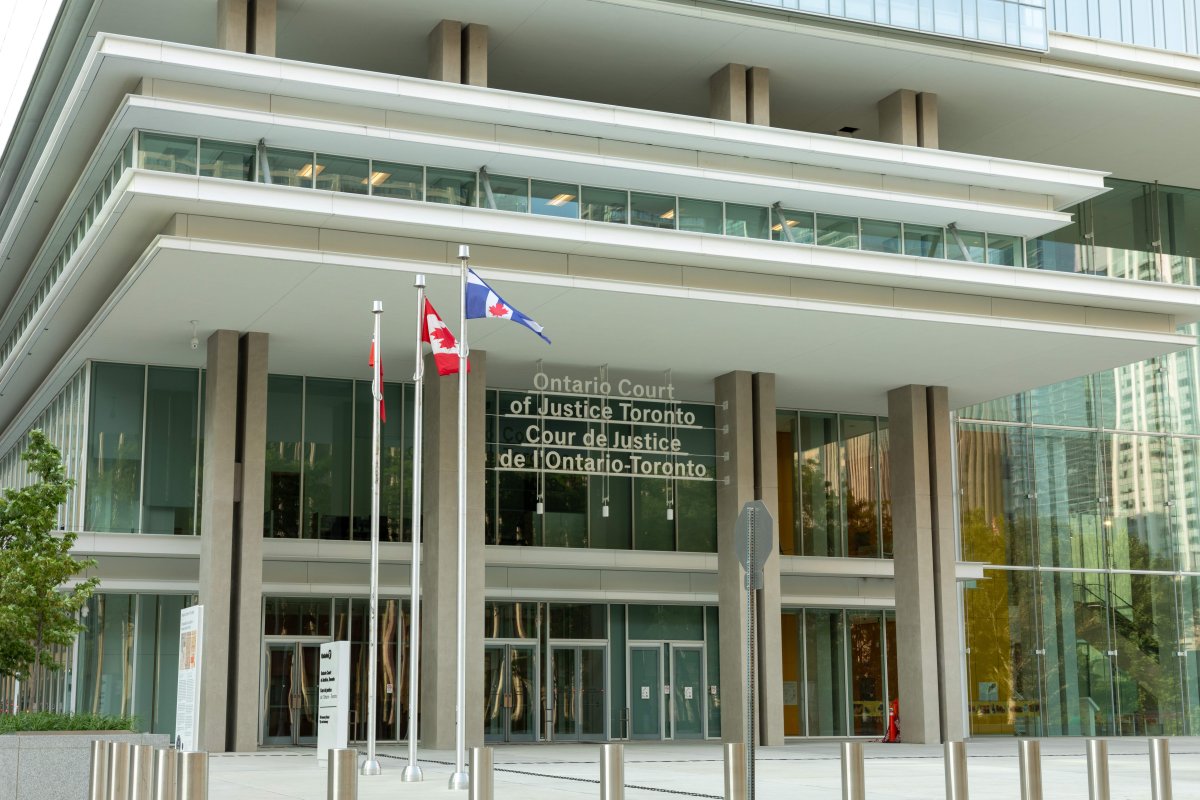
Ontario Tightens Bail Rules With Mandatory Cash Deposits, New Collection Powers
VAUGHAN, Ont. — The Ontario government is implementing a significant overhaul of its bail system, introducing mandatory cash deposits for released accused persons and granting itself new powers to collect unpaid funds. The changes, announced Friday by Attorney General Doug Downey, are part of a broader provincial effort to address concerns about repeat offenders and public safety.
The new requirements, which come into force Monday, August 17, 2026, mandate that a full cash security deposit be paid once an accused person is released from custody. That payment must be delivered within two business days of the release. If the accused or their sureties fail to pay, the province is giving itself the authority to recover those debts through mechanisms including bank account garnishment, property liens, and the seizure and sale of property.
“We cannot accept a revolving-door bail system that puts innocent people, families, and communities at risk,” Downey said at the announcement in Vaughan. “People expect a justice system that protects them. They expect bail conditions to mean something. And they expect consequences when those conditions are ignored.”
The measures are part of two pieces of legislation: the Keeping Criminals Behind Bars Act, 2026, and the Protect Ontario Through Safer Streets and Stronger Communities Act, 2025. Ontario first signalled its intention to require full cash security deposits in November 2025 as part of ongoing bail reform work.
Understanding the Shift From Promise to Payment
Under the previous system, Ontario courts had the option to order cash bail, but it was used sparingly. The more typical arrangement involved a “promise to pay” system, where sureties — individuals who agree to ensure an accused person follows their bail conditions — would answer questions and promise the court they had funds available, rather than handing over money immediately.
Michael Coristine, a criminal defence lawyer with Coristine Law, said the shift represents a fundamental change in how bail operates in the province. He anticipates the new provincial reforms will reduce the number of sureties willing to come forward to bail out accused individuals.
“It may prevent people from willingly coming forward to bail out someone who otherwise would be releasable because they don't want to have to convert all of their investments, or take a line of credit against their home, or empty their savings just to fulfil a promise that they believe they can adhere to,” Coristine said.
Coristine noted that the practical difference is substantial. “It's a big difference when you say to someone who would otherwise be willing to promise money to bail someone out, 'You're going to have two days, go to the bank, get all that money and give it to the court.' I think that could have a chilling effect on bail for people who are otherwise being released,” he said.
Provincial Powers and Federal Jurisdiction
The changes raise important questions about the division of powers in Canada's justice system. Criminal law is a federal responsibility, but provinces operate the courts and can impose additional requirements on release conditions. This provincial action comes alongside federal changes: the Bail and Sentencing Reform Act came into force on July 15, 2026, creating new obligations for accused people and the family members who may be asked to supervise them.
Downey framed the provincial measures as a necessary complement to federal reforms. “For too long, gaps in the bail system have allowed violent and repeat offenders back into our communities. Enough is enough. People deserve to feel safe in their neighbourhoods and confident that those who pose a serious risk will not be released only to reoffend,” he said.
The Attorney General's office has positioned these changes as part of a broader public safety strategy, though specific data on projected impacts or cost estimates were not provided at the announcement. The government has not released figures on how many cases might be affected annually or what the administrative costs of the new collection mechanisms might be.
Concerns About Access to Justice and Fairness
Defence lawyers are raising concerns about the implications for accused individuals who may be presumed innocent but cannot afford to post cash bail. The requirement to produce a full cash deposit within two business days could disproportionately affect those without ready access to liquid assets, according to legal observers.
Coristine pointed out that the new rules may lead to situations where individuals who would otherwise be released on bail remain in custody simply because no one can come up with the cash quickly enough. This, he argued, could undermine the presumption of innocence and create a two-tiered system where release depends on financial means rather than risk assessment.
The surety's role is also being significantly altered. Under the new rules, sureties must provide up-to-date contact and identification information, and they face the prospect of aggressive debt collection if the accused fails to meet their obligations. This could include having their bank accounts garnished or their property seized and sold.
“The role of a surety has traditionally been one of oversight and encouragement — someone who can help ensure the accused shows up for court and stays out of trouble,” Coristine said. “Now, we're asking them to put their entire financial wellbeing on the line in a way that goes far beyond what was previously required.”

Implementation Timeline and Practical Considerations
The measures are being phased in beginning Monday, with the province indicating that the new requirements will apply to releases ordered after that date. The government has not specified whether there will be a transition period for cases already in the system or how courts will handle situations where accused individuals are unable to meet the new cash requirements.
Questions also remain about how the collection mechanisms will operate in practice. The province has not detailed which agency or department will be responsible for garnishing bank accounts, placing liens on property, or conducting seizures and sales. Administrative procedures for these new powers have not been publicly outlined.
The announcement in Vaughan, a city north of Toronto, was notable for its location — a suburban community that has seen growing concern about property crime and auto theft in recent years. The choice of venue appeared designed to signal that the government is responding to community safety concerns beyond the downtown core.
Looking Ahead: Monitoring the Impact
As the new requirements come into force, legal professionals and civil liberties advocates will be watching closely to see how they affect bail decisions, remand populations, and the willingness of sureties to participate in the system. The full impact on Ontario's courts and correctional facilities may not be clear for several months.
The province has framed these changes as a decisive response to public safety concerns, but the practical consequences are only beginning to unfold. Whether the new cash requirements will achieve the government's stated goal of keeping repeat offenders off the streets — or whether they will simply shift more people into pre-trial detention — remains to be seen.
For now, the changes represent one of the most significant provincial interventions in bail policy in recent memory, and they are coming into force at a time when the broader Canadian justice system is also undergoing federal reforms. The interaction between these two levels of change will likely shape Ontario's bail landscape for years to come.
Tags: Ontario bail reform, Doug Downey, Attorney General, cash bail, surety requirements, Keeping Criminals Behind Bars Act, Protect Ontario Act, criminal justice, repeat offenders, bail conditions, Vaughan Ontario, federal-provincial relations, Bail and Sentencing Reform Act, Michael Coristine, public safety
This article was produced with AI-assisted research and editorial support. Sources: Global News, Government of Ontario, Canadian Press.
By Alex Thompson, Staff Writer
What's Your Reaction?
 Like
0
Like
0
 Dislike
0
Dislike
0
 Love
0
Love
0
 Funny
0
Funny
0
 Wow
0
Wow
0
 Sad
0
Sad
0
 Angry
0
Angry
0

Canada Correspondent at Global1.News. Based in Toronto, covering Canadian politics, energy, trade, and US-Canada relations. Provides the Canadian perspective on North American and global affairs.















Comments (0)