
Nigeria's mass wedding - and how telling lovers from fraudsters is proving tricky
In the bustling streets of Kano, where the air fills with the sounds of celebration and the vibrant colors of traditional attire, 1,500 couples are stepping into new chapters of their lives through a grand mass wedding that captures the essence of community and tradition in...
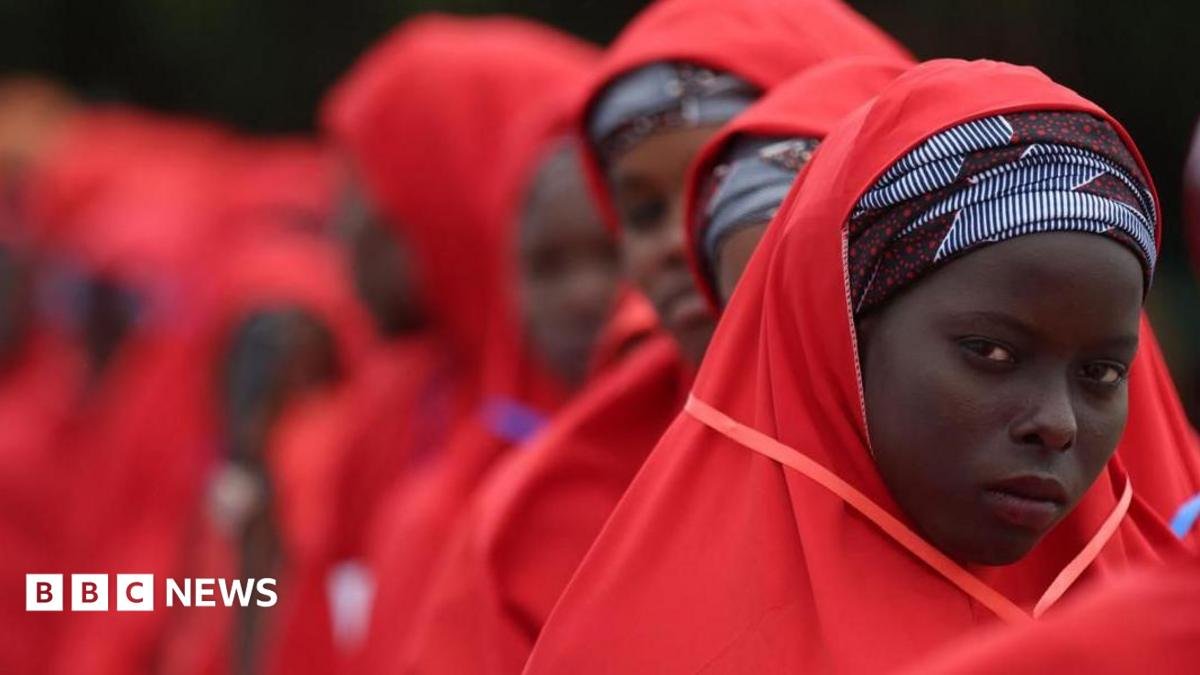
In the bustling streets of Kano, where the air fills with the sounds of celebration and the vibrant colors of traditional attire, 1,500 couples are stepping into new chapters of their lives through a grand mass wedding that captures the essence of community and tradition in northern Nigeria. Families gather amid the preparations, reflecting the deep cultural value placed on marriage across many African societies. This event draws attention to how such traditions continue to bind communities even amid economic strain felt throughout the continent.
Kano Mass Wedding: Tradition Meets State Support in Nigeria
Kano, Nigeria — A week of celebration in the northern city has turned a government welfare programme into a national talking point.
A Colourful Union Unfolds in Kano
Over the past week, the northern Nigerian city of Kano has transformed into a lively spectacle of celebration as 1,500 couples participated in a mass wedding that filled the streets with bridal parties, families, and preparations for new beginnings. Brides dressed in red hijabs walked alongside grooms in matching red hats and white robes, creating scenes of communal joy that reflect the deep cultural value placed on marriage across many African societies. The BBC reports that these events drew widespread attention, highlighting how such traditions continue to bind communities even amid economic strain felt throughout the continent.
Ceremony at the Emir's Palace
On Friday, the couples gathered at the palace of the Emir, Kano's traditional Muslim leader, for the central ceremony that officially united them as husbands and wives. This step followed days of organised events and outfit preparations, underscoring the blend of customary and state-supported rituals in a region where Sharia operates alongside secular laws. The BBC notes the procession's scale, which mirrors the collective emphasis on marriage as a social cornerstone in places like Senegal, where families often pool resources to honour similar unions despite daily hardships.
Governor's Blessing and State Sponsorship
The nuptials reached their conclusion on Saturday with a wedding breakfast hosted by Governor Abba Kabir Yusuf, who extended his personal blessing to the newlyweds. The Kano state government funded the entire initiative at a cost of 1.5bn naira, covering dowries and household essentials for couples unable to manage the high expenses of marriage on their own. According to the BBC, this level of support targets low-income residents and echoes broader African efforts to ease family formation in economies where inflation and limited opportunities challenge young people from Lagos to Dakar.
A Scheme Rooted in 2012
First launched in 2012 by a previous governor, the mass wedding programme began modestly with 100 couples, many of them widows and divorcees, and has since grown under successive administrations to meet rising demand, including participants in polygamous Muslim marriages. The BBC explains that this year's edition attracted 5,000 applications, demonstrating sustained public interest in a model that provides practical aid while reinforcing social stability in northern Nigeria. The scale reflects how mass weddings have long formed part of West African Islamic practice, where communities come together to ease the path to marriage rather than leaving couples to shoulder every cost alone. Across many African societies, similar forms of collective support appear in different cultural settings, from extended family contributions in rural villages to neighborhood associations that pool resources for young people starting their homes. In northern Nigeria these efforts also carry a clear political dimension, as welfare schemes become visible ways for governments to address social needs while strengthening local ties and demonstrating commitment to public wellbeing amid everyday pressures. Observers note that such gatherings do more than mark personal milestones; they reinforce social bonds in regions where family formation remains central to community life, with state involvement highlighting how welfare measures in northern states blend economic support with efforts to maintain stability and cultural continuity.
Hisbah Ensures Integrity of the Process
The Hisbah, Kano's Islamic police force, oversees every stage of the event, from vetting applicants to confirming medical clearances that include tests for HIV, hepatitis, pregnancy, and genotype compatibility. Deputy commander-general Mujahid Aminudeen told the BBC that the force disqualifies any couple showing signs of fraud, a responsibility that protects public resources in a state with a majority Muslim population. When public funds are used on this scale, reaching 1.5 billion naira for the current round, such vetting provides a layer of accountability that protects both the couples and the resources allocated by the state. Kano operates under a dual system where Sharia principles guide personal and family matters alongside Nigeria's secular legal framework, creating an ongoing balance that shapes how programs like this one are administered and received by residents. Medical checks serve not only individual couples but also the collective interest, reducing future health burdens that could affect families and local services. This careful approach reflects the wider reality in Kano, where religious and state authorities work within overlapping systems, each influencing how social initiatives unfold without one fully replacing the other.
Spotting Dubious Applications
Mujahid Aminudeen acknowledged the difficulty of separating genuine matches from those motivated by the benefits package, which includes beds, mattresses, furniture, food supplies, a 100,000 naira dowry per bride, and another 100,000 naira for small business start-up. The BBC reports cases where couples altered medical results or presented false identities, such as one bride who tried to register her brother as the groom. Such incidents reveal the pressures that can test even well-intentioned initiatives across resource-strapped African cities.
Economic Hardship Drives Desperation
Local journalist Yusuf Ali Abdallah explained to the BBC that Nigeria's current economic difficulties have intensified competition for the sponsored list, leading some already-married pairs to attempt re-registration and others to seek bribes from intermediaries. One anonymous Kano resident described being asked for payment before learning the solicitors were not Hisbah staff. These accounts illustrate how financial strain affects daily decisions in many African nations, including Senegal, where families navigate similar trade-offs between tradition and limited means. Economic conditions across Nigeria have placed heavy strain on households, with rising inflation and daily living costs making traditional milestones harder to reach for many young people. In this setting the state's allocation of 1.5 billion naira stands as a notable investment aimed at easing entry into married life. Across West African families, marriage expenses have historically been shared through bride price and dowry customs that involve both sides contributing goods, cash, or labor to establish the new household. Here the program supplies a dowry component along with start-up capital, positioning the support as a form of practical entrepreneurship help that allows couples to begin small trading or service activities rather than facing immediate financial barriers. These pressures highlight how external support can intersect with long-standing customs, offering relief where family networks alone may struggle under current conditions.
Voices of Success and Clear Assurances
Successful groom Rabiu Yusuf, a 43-year-old clothes trader, told the BBC that his application proceeded without demands for payment and that he met his wife Aisha Auwal through her regular visits to his fabric shop. Participant Amina Alhassan, aged 24, credited the scheme with making her marriage possible at a time when costs would otherwise have been prohibitive. Mujahid Aminudeen used the opportunity to confirm that the full process remains free, from selection through medical checks to the distribution of goods, reinforcing government commitment to equitable access for future applicants. Government statements emphasize that the entire process carries no cost to the couples themselves, covering necessary elements from household items to the dowry and initial business funds. These assurances point toward longer-term stability for the new households, as the provided capital and goods offer a starting platform for income generation alongside the security of married life. In communities where such support has operated since 2012, the outcomes often extend beyond the wedding day, influencing how families build their livelihoods in the years that follow. The approach keeps the focus on practical help that aligns with local values of self-reliance and communal care.
This article was produced with AI-assisted research and editorial support. Sources: BBC News.
By Amara Diop, Staff Writer
What's Your Reaction?
 Like
0
Like
0
 Dislike
0
Dislike
0
 Love
0
Love
0
 Funny
0
Funny
0
 Wow
0
Wow
0
 Sad
0
Sad
0
 Angry
0
Angry
0

West Africa/Sahel Correspondent at Global1.News. Dakar-based journalist covering politics, security, climate, and development across Francophone and Anglophone West Africa. Tells the stories of a region undergoing profound transformation.











Comments (0)