
La Mesa Dam on the Brink: Habagat Puts Manila's Flood Defenses to the Test
La Mesa Dam sits 0.40 meters below spilling level at 79.75 meters amid habagat rains, threatening Tullahan River communities in Quezon City, Caloocan, Malabon, Navotas and Valenzuela. Red rainfall warnings cover Metro Manila. The Coast Guard reports 215 stranded passengers and suspended exams....
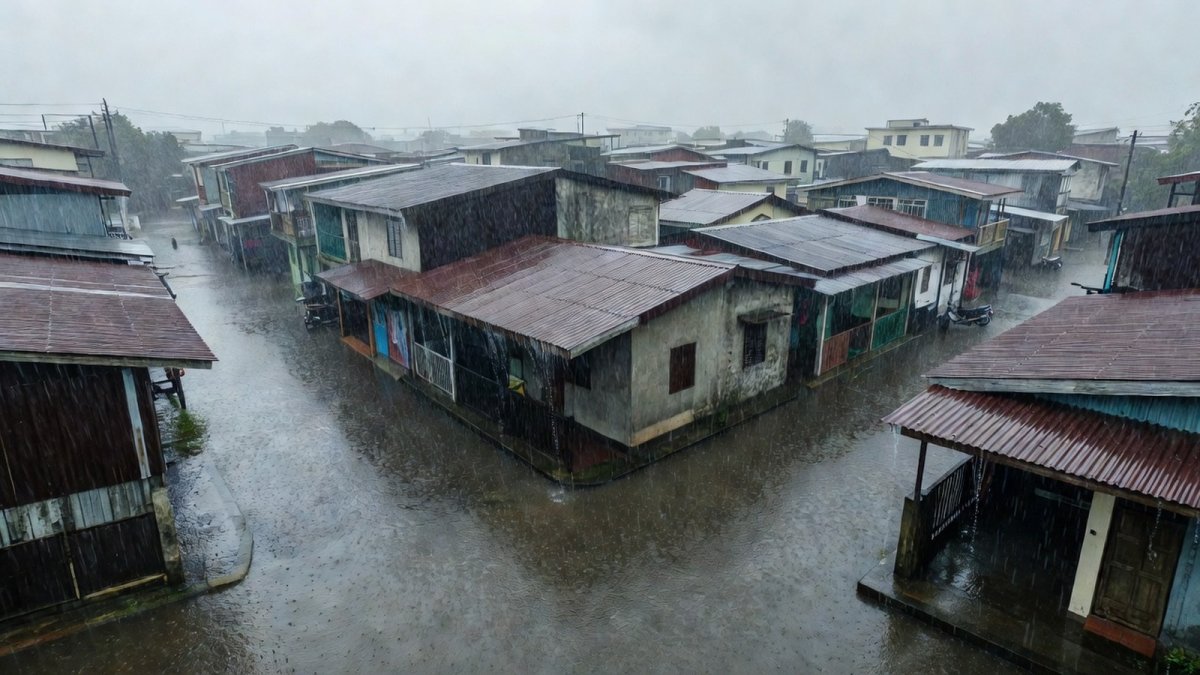
La Mesa Dam Water Levels Rise Rapidly
The La Mesa Dam in Quezon City stands just 0.40 meters below its spilling level of 80.15 meters. As of 11 a.m. on Sunday, the reservoir sat at 79.75 meters according to PAGASA. Earlier readings showed steady climbs, with the water level at 79.77 meters by 10:20 a.m. and 79.70 meters at 5 a.m. These figures place the dam closer to overflow than at any point since last year's event.
Residents in nearby barangays already feel the tension. Families living near the dam's catchment areas watch the skies and listen for updates from their kapitbahay. The habagat continues to feed the reservoir, turning what began as steady rain into a growing concern for those downstream.
The reservoir forms part of the Angat-Ipo-La Mesa watershed that supplies much of Metro Manila’s drinking water. Reaching 79.77 meters by 10:20 a.m. Sunday after 79.53 meters the previous evening shows how quickly monsoon inflows can close the gap to overflow. Families downstream track these hourly shifts because any breach directly affects both their safety and the capital’s water supply reliability.
PAGASA hydrologists recorded the dam crossing its 79.50-meter critical mark Sunday morning. Residents near the catchment now weigh whether to move belongings higher or wait for official alerts, knowing the same rains that secure water reserves also threaten homes along the spillway route.
Communities Along Tullahan River Face Heightened Risks
If the dam reaches spilling level, excess water will flow into the Tullahan River. This waterway passes through Quezon City, Caloocan, Malabon, Navotas, and Valenzuela. Low-lying neighborhoods in these cities could see sudden rises in water, especially in areas already prone to flooding during the monsoon season.
Ordinary families along the riverbanks prepare in quiet ways. Mothers pack important documents into plastic bags while fathers check tricycle routes for possible evacuation. Barangay captains coordinate with local government units to monitor water levels and ready evacuation centers. The memory of past overflows lingers, reminding everyone how quickly a sari-sari store can turn into an island surrounded by floodwater.
Low-lying zones in Caloocan, Malabon, Navotas and Valenzuela sit directly in the path of any release. When water crests the dam, it funnels into the Tullahan without natural buffers, turning narrow streets into swift channels within hours. Local disaster offices already coordinate with the Philippine Coast Guard to preposition rescue assets before levels force an uncontrolled discharge.
Barangay captains along the river now cross-check evacuation lists against updated readings, aware that past overflows showed how quickly floodwater can reach ground-floor homes.
Red Rainfall Warning Signals Serious Flooding Threats
Metro Manila and parts of Luzon remain under a red rainfall warning issued by PAGASA. This alert means serious flooding is possible in flood-prone zones. Occasional rains from the habagat continue across the region, adding pressure to already saturated ground and drainage systems.
Commuters on jeepneys and buses face longer waits as streets begin to pool. Workers heading to offices in the capital adjust their routes, while students whose schools sit near low areas stay home. The Metropolitan Manila Development Authority and local government units monitor roads and communities, but the human cost shows in canceled plans and anxious waits for the rain to ease.
The red warning covers Zambales, Bataan, parts of Pampanga, Bulacan, Cavite, Laguna, Batangas and Occidental Mindoro in addition to Metro Manila. Saturated soil across these provinces leaves little room for additional runoff, raising the chance that even moderate rain bursts will overwhelm drainage before noon. Orange warnings in Benguet, Tarlac, Rizal and central Bulacan signal secondary threats to mountain slopes feeding the same river system.
Commuters reroute around pooled intersections while the Metropolitan Manila Development Authority confirms major roads remain open. The distinction matters for daily wage workers who must decide whether the risk of flooded side streets outweighs lost income from staying home.
Travel Disruptions Strand Passengers and Halt Exams
The Philippine Coast Guard reported 215 passengers stranded in ports under the districts of Western Visayas, Bicol, Southern Tagalog, and Central Visayas. Another 105 rolling cargoes and eight vessels could not depart from 22 affected ports. Nineteen vessels, 10 motorbancas, six tugboats, and three barges sought shelter from rough seas.
Separately, the Civil Service Commission suspended the Career Service Examination-Pen and Paper Test scheduled for Sunday. Thousands of aspiring government workers lost their chance to take the exam, many of whom had prepared for months. These disruptions ripple through households where exam fees and travel costs represent real sacrifices for families hoping for stable employment.
Local disaster offices work with the Coast Guard to track vessel movements and shelter assignments, yet each delayed departure adds hotel or meal costs that families had budgeted for other needs.
Lessons from Past Spills in 2025 and 2024
In July 2025, the La Mesa Dam overflowed when its water level reached 80.16 meters. Excess water entered the Tullahan River, prompting the Department of the Interior and Local Government to urge National Capital Region local governments to act quickly. Thousands of residents in low-lying areas faced risks at that time.
The previous year, in July 2024, the dam came close at 79.41 meters. Each event teaches communities along the river that preparation matters. Barangay leaders now draw on those experiences to organize early warnings and evacuation drills, showing how bayanihan spirit helps neighbors look out for one another when waters rise.
After the July 2025 overflow at 80.16 meters, the Department of the Interior and Local Government urged National Capital Region mayors to activate flood protocols quickly. That directive now guides current preparations, reminding officials that thousands of Tullahan households can be displaced within a single afternoon when releases begin.
The 2024 near-miss at 79.41 meters prompted barangays to refine early-warning chains and evacuation drills. Leaders now use those refined lists to check on elderly residents first, turning hard-won experience into faster, more targeted action before water reaches doorsteps again.
How Residents and Barangays Can Prepare
PAGASA advises people living along mountain slopes and in low-lying areas of the affected cities to stay alert for possible flash floods. Families can keep flashlights, radios, and emergency kits ready while monitoring updates from trusted sources. Local government units and the Metropolitan Manila Development Authority continue to track conditions in real time.
Community networks remain the first line of defense. Kapitbahay groups share information through group chats and barangay halls, helping the elderly and children move to safer ground if needed. Workers and students affected by the suspended exam or stranded travel can seek updates from their respective offices and schools. These small, steady actions reflect the resilience that defines Filipino responses to the habagat season year after year.
Flashlights, battery radios and ready-to-grab kits remain essential for households on slopes and riverbanks. Kapitbahay networks circulate PAGASA updates through group chats, allowing neighbors to assist those without smartphones or transport. The Civil Service Commission’s postponement of the Career Service Examination adds another layer of uncertainty for applicants who must now rearrange travel and review schedules once a new date is set.
By Bella Reyes, Staff Writer
This article was produced with AI-assisted research and editorial support. Sources: PhilStar.com, PAGASA, GMA News, Philippine Coast Guard, Civil Service Commission.
What's Your Reaction?
 Like
0
Like
0
 Dislike
0
Dislike
0
 Love
0
Love
0
 Funny
0
Funny
0
 Wow
0
Wow
0
 Sad
0
Sad
0
 Angry
0
Angry
0

Philippines/Southeast Asia Correspondent at Global1.News. Manila-based journalist covering Philippine politics, environment, maritime security, and social issues. Passionate about marine conservation and the communities protecting the Philippines' natural heritage.












Comments (0)