
NEET UG Counselling 2026: Round 1 Choice Filling Extended Till August 18
The Medical Counselling Committee (MCC) has extended the Round 1 choice filling and locking window for NEET UG Counselling 2026 until August 18, giving lakhs of anxious candidates a final day to secure their preferred medical college seats.
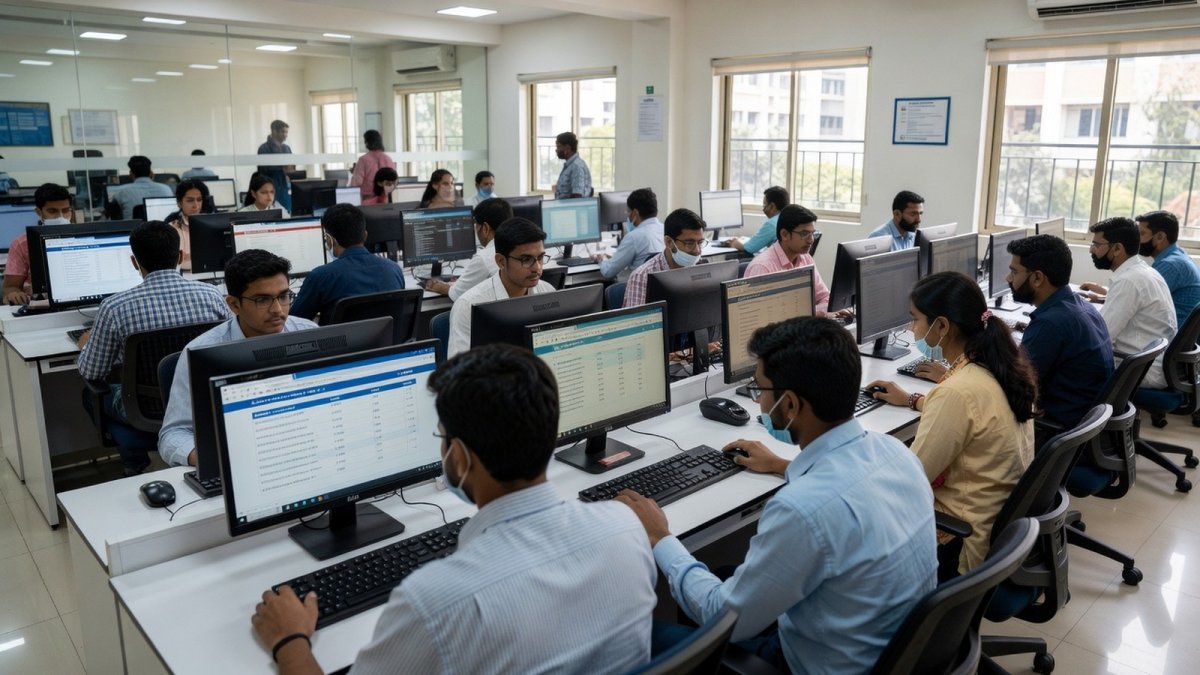
The Medical Counselling Committee (MCC) has extended the Round 1 choice filling and locking window for NEET UG Counselling 2026 until August 18, giving lakhs of anxious candidates a final day to secure their preferred medical college seats. This extension comes at the tail end of a counselling cycle that has already been pushed back by the cancellation of the original exam and the subsequent conduct of Re-NEET UG 2026. With the seat allotment result now scheduled for August 19, this final window represents the last opportunity for candidates to strategically arrange their preferences for the 15% All India Quota (AIQ) seats.
The extension, announced on the official MCC website, applies to the choice filling and locking process only; the registration and payment window had already closed on August 15, 2026. Candidates who have completed their registration must now log in to the MCC portal before the end of August 18 to submit and lock their choices for MBBS, BDS and AYUSH courses. Failure to lock choices by the deadline will result in the system considering the last saved preferences — a risk no serious candidate should take.
NEET UG Counselling 2026: Round 1 Choice Filling Extended Till August 18
New Delhi, August 18 — The Medical Counselling Committee (MCC) has extended the Round 1 choice filling and locking window for NEET UG Counselling 2026 until today, August 18, 2026. This is the final day for candidates to submit their preferences for the 15% All India Quota (AIQ) seats in MBBS, BDS and AYUSH courses. The seat allotment result for Round 1 is scheduled to be announced on August 19, 2026, with reporting to allotted colleges required between August 20 and August 25, 2026.
The Extension: What Changed and Why It Matters
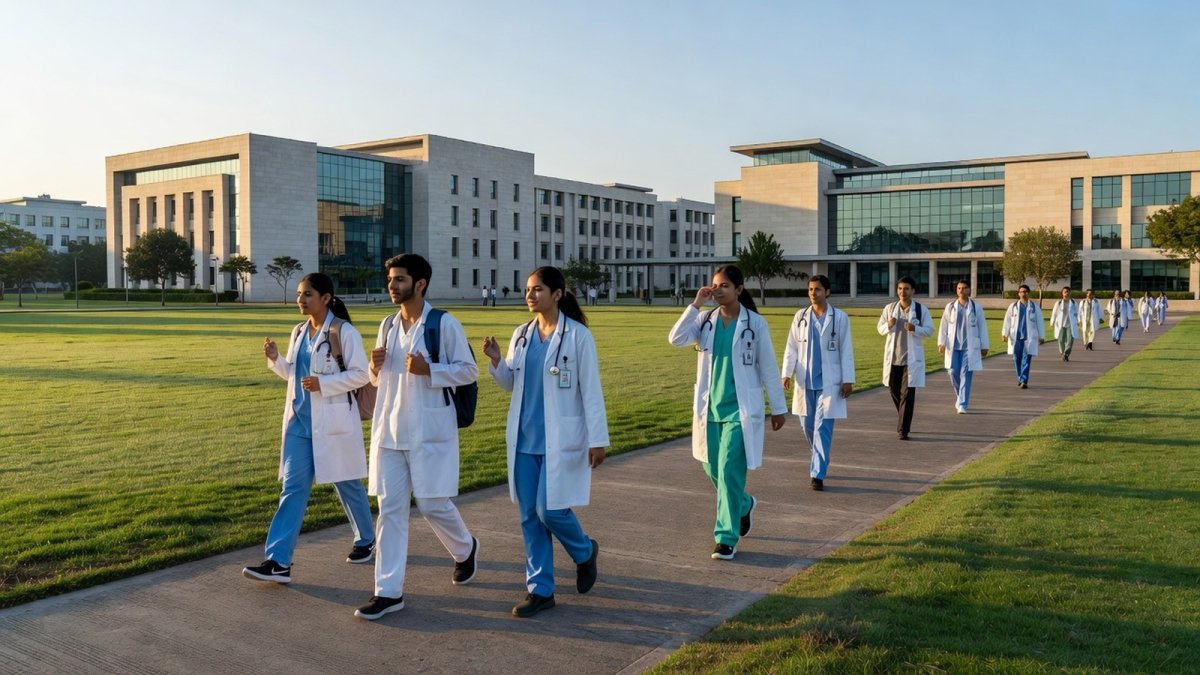
The MCC's decision to extend the choice filling window by three days — from the original August 15 closure to August 18 — is a practical response to the compressed timeline of this year's counselling process. The original NEET UG exam scheduled for May 3, 2026 was cancelled by the National Testing Agency (NTA), and the Re-NEET UG 2026 was subsequently held on June 21, 2026. This disruption pushed the entire admission calendar back, leaving candidates with less time than usual to make critical decisions about college preferences.
For Indian medical aspirants, the choice filling exercise is not merely a formality. It is a strategic decision-making process where candidates must weigh factors such as college reputation, location, fee structure, and their own NEET UG 2026 rank against the previous year's cut-off trends. The extension provides a crucial buffer for candidates who may have been waiting for state-level counselling schedules or additional information before finalising their AIQ choices. It also accommodates candidates from states like Madhya Pradesh, Chhattisgarh and Uttarakhand, where state-level counselling for the 85% State Quota seats is running in parallel, creating a complex decision matrix for students who are eligible for both quotas.
A Counselling Cycle Disrupted: From May 3 Cancellation to Re-NEET
The 2026 NEET cycle will be remembered as one of the most turbulent in the history of India's medical entrance examinations. The cancellation of the May 3 exam by the NTA sent shockwaves through the student community, affecting over 20 lakh registered candidates who had prepared for months. The decision to conduct Re-NEET UG 2026 on June 21 was met with mixed reactions — relief that the exam would still be held in the same admission cycle, but anxiety over the additional preparation time and the uncertainty surrounding the counselling timeline.
The NTA's handling of the situation has been under scrutiny, with questions raised about the logistical feasibility of conducting such a large-scale examination twice in one cycle. However, the successful conduct of Re-NEET UG 2026 and the subsequent declaration of results have allowed the admission process to proceed, albeit on a compressed schedule. The MCC's extension of the choice filling window is a recognition that candidates need adequate time to make informed decisions, especially when the entire timeline has been shifted by nearly two months.
The Numbers: 11.21 Lakh Candidates, 1.36 Lakh MBBS Seats
The scale of this year's counselling exercise is staggering. The Re-NEET UG 2026 result declared 11.21 lakh candidates eligible for admission to medical courses. However, the number of available seats tells a different story. The National Medical Commission (NMC) seat matrix for the 2026-27 academic session confirms 1,36,939 MBBS seats across India — an increase of 9,911 seats over the previous year, spread across 823+ medical colleges.
This means that even with the significant increase in MBBS seats, the competition remains intense. Only about 12.2% of the eligible candidates will secure an MBBS seat, and this figure does not account for the additional competition for BDS and AYUSH seats, which are also part of the AIQ counselling. The increase of 9,911 MBBS seats is a positive development for India's healthcare infrastructure, reflecting the government's continued investment in medical education. However, it also underscores the persistent gap between the number of aspirants and the number of available seats — a gap that continues to drive the demand for private medical colleges and the associated high fee structures.

How Allotment Works: Rank, Category, Choices and Seat Availability
The seat allotment process for NEET UG Counselling 2026 is a computerised algorithm that considers four primary factors: the candidate's NEET UG 2026 rank, category, submitted choices and the availability of seats. The MCC's system processes choices in order of merit, meaning that a candidate with a higher rank (lower numerical value) will be allotted their first preference before a candidate with a lower rank, provided the seat is available.
Category plays a critical role in this process. Candidates from reserved categories — SC, ST, OBC, EWS and PwD — compete within their respective category quotas for a portion of the AIQ seats. The system also implements the concept of "institutional preference," where candidates who have studied in a particular state or institution may have priority for certain seats. For the 15% AIQ seats, the allotment is purely merit-based within the category, with no state-wise reservation. This makes the AIQ counselling the most competitive segment of the entire NEET UG admission process, as it draws the top-ranked candidates from across the country.
State Quota vs All India Quota: A Parallel Race
While the MCC handles the 15% AIQ seats, state-level counselling for the 85% State Quota seats is running in parallel in states including Madhya Pradesh, Chhattisgarh and Uttarakhand. This dual-track system creates a complex scenario for candidates who are eligible for both quotas. A candidate from Madhya Pradesh, for instance, must decide whether to prioritise AIQ choices — which could place them in another state — or state quota choices, which might offer a familiar environment and lower fees.
The parallel running of state and central counselling also creates timing challenges. Candidates who are allotted a seat in Round 1 of AIQ counselling must report to their allotted college between August 20 and August 25, 2026. However, state counselling schedules may not align perfectly with this timeline, forcing candidates to make difficult choices about which track to pursue. The MCC's extension of the choice filling window provides some breathing room, but the fundamental tension between the two tracks remains a source of anxiety for many candidates and their families.
What This Means for India's Medical Education Pipeline
The 2026 NEET cycle, with its cancellation, re-examination and compressed counselling timeline, has placed unprecedented stress on India's medical education system. The increase in MBBS seats to 1,36,939 across 823+ colleges is a step in the right direction, but it is insufficient to meet the demand from 11.21 lakh eligible candidates. The government's focus on expanding medical education infrastructure — including the establishment of new AIIMS institutions and the upgradation of district hospitals to medical colleges — is expected to continue, but the pace of expansion must accelerate to keep up with the growing number of aspirants.
For the Indian healthcare system, the outcome of this counselling cycle will determine the quality and quantity of the next generation of doctors. The candidates who secure seats this year will begin their MBBS journey in the 2026-27 academic session, and they will enter the workforce as fully qualified doctors in the early 2030s. The decisions made during this choice filling window — by both candidates and the MCC — will have long-term implications for India's doctor-to-patient ratio, which currently stands at a critically low level compared to WHO recommendations.
The Bottom Line
The extension of the NEET UG Counselling 2026 Round 1 choice filling window until August 18 is a small but significant relief for candidates navigating one of the most disrupted admission cycles in recent memory. With the seat allotment result scheduled for August 19 and reporting to colleges required by August 25, the next week will be decisive for lakhs of aspiring doctors. Candidates must use this final day wisely — reviewing their choices, considering their rank and category, and locking their preferences before the deadline. The stakes could not be higher: for many, this is the culmination of years of preparation and the gateway to a career in medicine.
— By Dr. Raj Patel, Staff Writer
This article was produced with AI-assisted research and editorial support. Reporting is based on sources cited in the article.
What's Your Reaction?
 Like
0
Like
0
 Dislike
0
Dislike
0
 Love
0
Love
0
 Funny
0
Funny
0
 Wow
0
Wow
0
 Sad
0
Sad
0
 Angry
0
Angry
0

India/South Asia Correspondent at Global1.News. Analytical voice with a background in science and health journalism. Based in New Delhi, covering Indian politics, education, healthcare, technology, and policy. Breaks down complex data into clear, actionable reporting.














Comments (0)