
Navy and Federal Forces Seize Over 300 IEDs and 300 kg of Explosives in Rural Sinaloa
Navy and Federal Forces Seize Over 300 IEDs and 300 kg of Explosives in Rural Sinaloa The Mexican Navy, working alongside federal security agencies, announced Tuesday the seizure of more than 300 improvised explosive devices (IEDs) and approximately 300 kilograms of explosives in a rural area of Sin
Navy and Federal Forces Seize Over 300 IEDs and 300 kg of Explosives in Rural Sinaloa
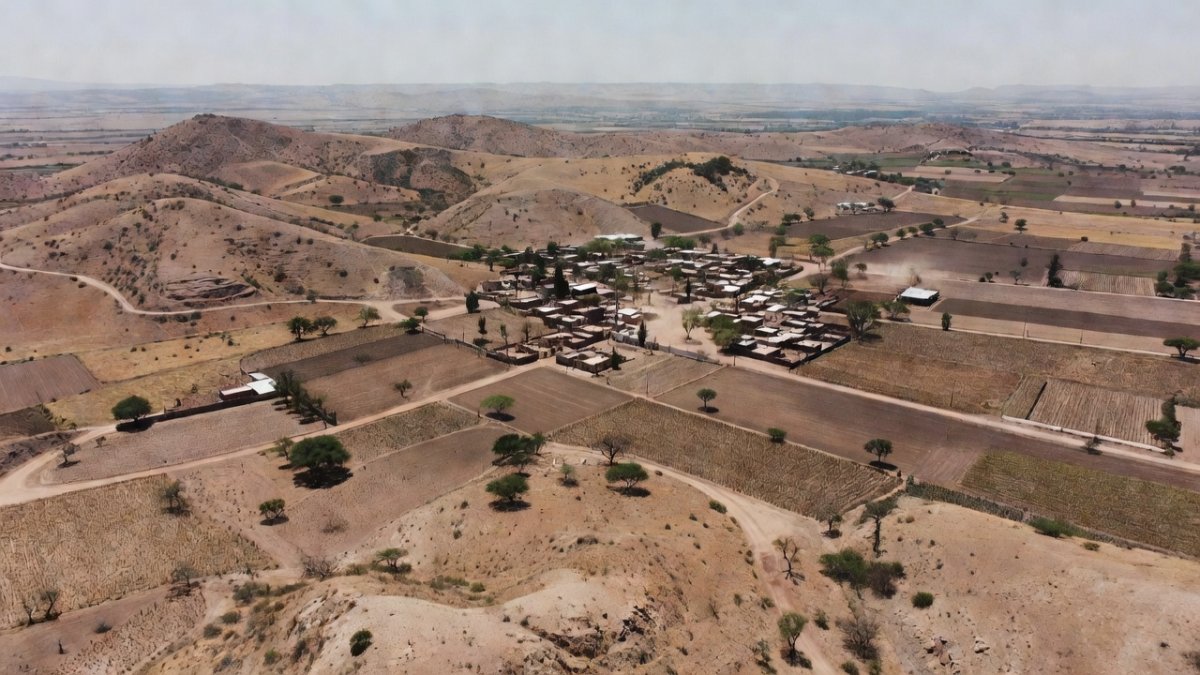
The Mexican Navy, working alongside federal security agencies, announced Tuesday the seizure of more than 300 improvised explosive devices (IEDs) and approximately 300 kilograms of explosives in a rural area of Sinaloa, marking the latest major operation against the arsenal of criminal groups that have plunged the state into a spiral of violence. The discovery was made near the town of Agua Verde, in the municipality of El Rosario, during ground patrols conducted by elements of the Armada de México, according to a joint statement from the Secretaría de Marina (SEMAR), the Secretaría de Seguridad y Protección Ciudadana (SSPC), and the Fiscalía General de la República (FGR).
The operation, carried out through the Cuarta Región Naval in Mazatlán, underscores a pressing public safety concern as these devices have been utilized in ongoing conflicts between rival factions of the Sinaloa Cartel. Specialized personnel from the Navy's Búsqueda, Localización y Neutralización de Artefactos Explosivos (BLONAE) team established a security perimeter and deactivated the devices on-site, ensuring the safety of local residents. The joint communiqué did not indicate which criminal group the explosives might belong to, but the find comes as nearly two years approach since a fierce internal war began between the two main factions of the cartel.
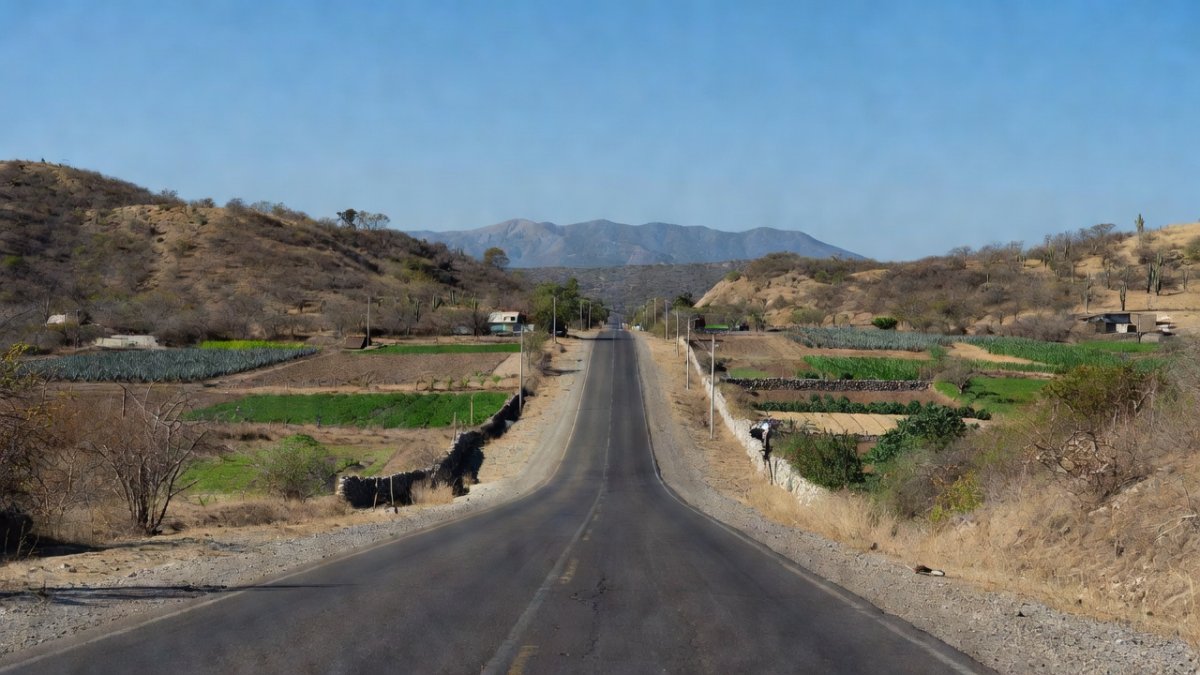
This latest seizure is a continuation of intensified efforts to improve security in a region long affected by cartel-related violence. Just over two months ago, state and federal security authorities located more than 550 IEDs at another property in the same area of Sinaloa, according to Mexico News Daily. The repeated discovery of such large caches of explosives in the southern part of the state highlights the scale of the threat facing rural communities, where families live in close proximity to stockpiles of materials designed to maim and kill.
Tags: Sinaloa, IEDs, explosives, Mexican Navy, SEMAR, El Rosario, Agua Verde, Los Chapitos, Los Mayos, cartel violence, BLONAE, SSPC, FGR, Ruben Rocha Moya, security operation
Community Impact: Living Near Stockpiles of Explosives
For the families of Agua Verde and the surrounding rural communities in El Rosario, the discovery of these devices is not an abstract statistic but a daily reality of fear. The presence of IEDs in Sinaloa has been reported to target homes, businesses, and even police stations, exacerbating an already tense atmosphere in the region. The fact that these explosives were found during ground patrols means they were likely positioned for use, hidden in plain sight within a community that has been caught in the crossfire of a cartel war that began in September 2024.
The Navy's swift action in establishing a security perimeter and neutralizing the devices on-site was critical to preventing a potential catastrophe. Had the explosives detonated accidentally or been used in an attack, the toll on civilian life in this small, tight-knit pueblo could have been devastating. The BLONAE team's work is painstaking and dangerous, requiring them to approach each device with the knowledge that a single mistake could be fatal, not only for them but for the families living nearby.
This seizure also speaks to a broader pattern of violence that has reshaped daily life in Sinaloa. According to official figures cited by CNN en Español, from September 2024 to July of this year, 3,047 intentional homicides have been registered in the state. The violence has spiked despite the federal government sending more forces to the state, and it has touched every corner of Sinaloa, from the bustling port city of Mazatlán to the quiet ejidos and rural communities of El Rosario. For the campesinos and small business owners in these areas, the threat of violence is not just a news headline; it is a factor in every decision they make, from when to go to market to whether to let their children play outside.
The Intensifying Conflict: Los Chapitos vs. Los Mayos
The rising use of IEDs reflects the intensifying conflict among factions like Los Chapitos and Los Mayos within the Sinaloa Cartel, a war that has its roots in a notorious kidnapping incident in July 2024. That month, Ismael "El Mayo" Zambada, co-founder of the cartel along with Joaquín "El Chapo" Guzmán, was transferred to the United States. Zambada has stated he was betrayed and taken to the United States by deception by Joaquín Guzmán López, son of his former partner. Although both capos are now detained and sentenced to life in prison in the United States, the factions led by their sons are fighting for control of criminal activities in Sinaloa.
This internal war has driven rival sides to resort to increasingly dangerous elements, including higher-capacity weapons, drones, and now, a significant reliance on IEDs. The devices found in El Rosario are of different sizes, according to the joint statement, suggesting a sophisticated manufacturing capability and a willingness to use them in a variety of contexts. Security specialists and diverse civil organizations have warned that this dispute has elevated violence levels in Sinaloa to unprecedented heights, turning the state into a battleground where the rules of engagement are dictated by the most ruthless actors.
The conflict has also drawn in state authorities. Governor Rubén Rocha Moya is accused in the United States of having links to the Sinaloa Cartel, charges he rejects. In May, he requested a leave of absence from his functions, arguing that this would facilitate an investigation and clarify his situation. Besides Rocha, nine other current and former officials of Sinaloa are named by the United States for alleged links to the cartel, which in February 2025 the government of Donald Trump designated a transnational terrorist organization. This designation has added an international dimension to the conflict, complicating efforts at local resolution and putting additional pressure on Mexican authorities to demonstrate results.
The Broader Security Picture: A State Under Siege
The seizure in El Rosario is part of a larger, sustained effort by Mexican security forces to regain control in Sinaloa. At the beginning of this month, 28 people were detained by elements of the Army and the Guardia Nacional, together with elements of the Navy, in a rural zone in Mazatlán. Among those detained were two women and 26 men. Besides long arms and magazines, authorities secured 2,924 cartridges of 7.62x39 mm caliber and 40 cartridges of .50 caliber, according to reports from Grupo Animal and Riodoce.
That operation took place amid a permanent reinforcement of security in Mazatlán, with the deployment of more than 1,700 naval elements in neighborhoods, highway access points, rural communities, and the coastal zone. The Navy has stated that the deployment is independent of the summer vacation operation and will remain active until further notice, with the aim of expanding vigilance coverage throughout the municipality, including the rural zone. This sustained presence is a recognition that the violence is not confined to the mountains or remote areas but has seeped into the daily life of Sinaloa's urban centers and tourist destinations.
Official reports indicate that Sinaloa recorded the highest number of seized IEDs in the country last year, with 5,298 devices recovered. This staggering figure illustrates the urgent need for continued vigilance and proactive measures. The fact that authorities are finding these devices in such large quantities suggests that the cartels have established significant supply chains and manufacturing capabilities within the state, making the work of the BLONAE teams and other specialized units all the more critical. Each seizure, while a victory, also reveals the scale of the challenge that remains.
Looking Ahead: Elections, Accountability, and the Path to Peace
The security situation in Sinaloa is set to become even more politically charged in the coming months. The state is scheduled to hold elections in June 2027 to renew the state government, and the violence has already become a central issue in the political discourse. The current governor's leave of absence and the accusations against him and other officials have further complicated the landscape, raising questions about the integrity of state institutions and their ability to address the crisis. For the people of Sinaloa, the elections represent a potential turning point, but also a moment of heightened risk as political tensions intersect with criminal violence.
The federal government, under the administration of President Claudia Sheinbaum, has continued the security strategy initiated under the AMLO legacy, emphasizing the use of military and naval forces in high-conflict areas. However, the persistence of violence in Sinaloa, despite the deployment of thousands of additional troops and naval elements, raises questions about the effectiveness of this approach. The seizure of IEDs is a tangible success, but it is a reactive measure; the underlying drivers of the conflict, including the cartel's economic power and the corruption that allows them to operate, remain largely unaddressed.
For the communities of El Rosario and Agua Verde, the immediate concern is safety. The neutralization of these explosives removes a direct threat, but it does not end the war. The families in these rural areas continue to live with the knowledge that the cartels are still present, still armed, and still willing to use violence to maintain control. The hope is that each operation, each seizure, and each arrest brings the state one step closer to a semblance of peace. But as the numbers of IEDs and homicides continue to rise, that hope is tempered by the harsh reality of a conflict that shows no signs of abating. The work of the Navy, the SSPC, and the FGR is essential, but it is only one part of a much larger struggle for the future of Sinaloa.
This article was produced with AI-assisted research and editorial support. Sources: Mexico News Daily, ODN Noticias, CNN en Español, El Diario, Grupo Animal, Río Doce.
By Rosa Martinez, Staff Writer
What's Your Reaction?
 Like
0
Like
0
 Dislike
0
Dislike
0
 Love
0
Love
0
 Funny
0
Funny
0
 Wow
0
Wow
0
 Sad
0
Sad
0
 Angry
0
Angry
0
Latin America/Andes Correspondent at Global1.News. Based in Bogota, covering politics, environment, energy, and social movements across the Andean region. Passionate about environmental journalism and communities protecting their land.













Comments (0)