
Mum's viral barefoot race sparks debate over India's education crisis
In August, a 47‑year‑old widow from Maharashtra captured the nation’s attention when she sprinted barefoot to win a modest 3‑kilometre community race.
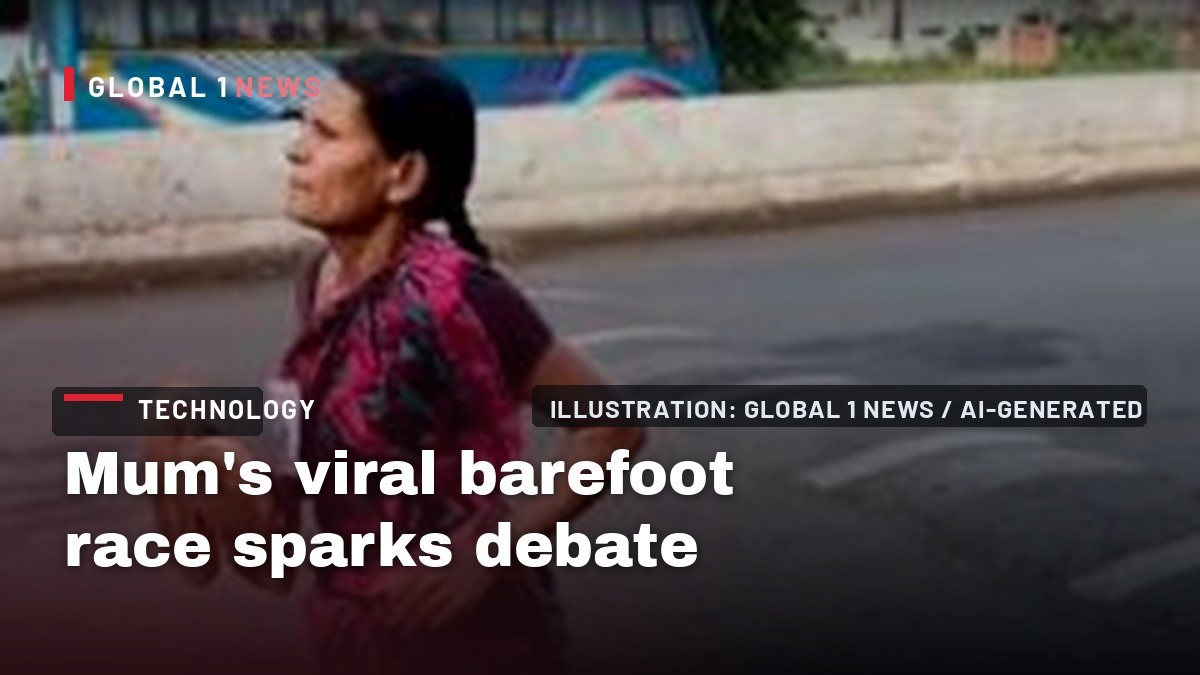
In August, a 47‑year‑old widow from Maharashtra captured the nation’s attention when she sprinted barefoot to win a modest 3‑kilometre community race. Ramabai Ranveer’s victory, achieved without training or shoes, was not a sporting triumph alone; it became a stark illustration of the lengths many Indian families go to secure an education for their children. The viral footage of her run has sparked a broader debate about the structural weaknesses of India’s education system, the economic pressures on low‑income households, and the social expectations surrounding government jobs.
From a Village Run to a National Conversation
Ramabai entered the race with a single objective: the 3,000‑rupee prize, roughly thirty‑one dollars, which she hoped would buy books for her two daughters. The amount, while modest, was significant for a family that survives on seasonal agricultural labour and small‑scale turmeric processing. When she crossed the finish line first, the image of a barefoot woman clutching her sari resonated across social media, prompting users to ask whether her story was a source of pride or a symptom of societal failure.
The viral spread of the video turned a local event into a focal point for criticism of India’s education policies. Commentators highlighted how a mother’s desperate need to earn a few thousand rupees for school supplies underscores the broader inadequacy of government schemes intended to support low‑income students. The reaction illustrates how personal narratives can illuminate systemic gaps that statistics alone may obscure.
Economic Realities Behind the Race
Ramabai’s livelihood has been pieced together from labour in neighbouring fields, where she harvests soybeans and chickpeas, and from processing turmeric for resale. Since her husband’s death in 2012, she has been the sole breadwinner, even taking a job cooking at the coaching centre where her elder daughter prepares for police recruitment. The 3,000‑rupee prize would cover only a fraction of the cost of textbooks and study materials, let alone the fees for coaching centres that dominate preparation for competitive examinations.
Her younger daughter, Arati, lives in Nanded and has struggled to afford basic school supplies, a hardship that even led to an eight‑day silence between mother and child. This personal strain reflects a common reality for many Indian households, where education expenses can consume a substantial share of limited incomes, forcing families to make sacrifices that extend beyond the classroom.
The Allure of Government Jobs
Both of Ramabai’s daughters are preparing for highly competitive government positions—one for police recruitment and the other for the civil services. These pathways promise not only stable employment but also social prestige and a degree of financial security that private sector jobs often cannot guarantee. The intense competition has given rise to a massive industry of coaching centres, which charge fees that many families cannot afford without external assistance.
The pressure to succeed in these examinations is compounded by recurring scandals involving question‑paper leaks and other irregularities. Such controversies have eroded confidence in the fairness of the system, prompting a wave of student‑led protests demanding reforms. For families like Ramabai’s, the stakes are high: a single successful exam result can transform a household’s socioeconomic status, while failure can perpetuate cycles of poverty.
Structural Gaps in Government Support
Former University Grants Commission chairman Sukhadeo Thorat remarked that Ramabai’s story highlights the failure of government education schemes to reach those who need them most. While both central and state governments operate a variety of assistance programmes, the implementation remains weak, leaving many families without the promised benefits. This disconnect between policy intent and on‑the‑ground delivery is a recurring theme in India’s social welfare landscape.
In response to the public outcry, Chief Justice of India Surya Kant directed local officials to provide Ramabai with a one‑time financial assistance of 50,000 rupees. While this gesture offers temporary relief, it does not address the systemic inadequacies that force families to resort to extraordinary measures—such as a barefoot race—to meet basic educational needs.
Gender Dimensions of Educational Sacrifice
Ramabai’s narrative also underscores the gendered dimensions of educational sacrifice in rural India. As a widow, she bears the dual burden of providing for her family and navigating a labour market that offers limited opportunities for women. Her decision to run barefoot, discarding even her slippers when they slipped, symbolizes a broader willingness among Indian women to endure hardship for their children’s futures.
The respect she earned from her daughters, particularly the elder daughter Pooja who praised her mother’s courage, reflects a cultural reverence for maternal sacrifice. Yet the very need for such sacrifice points to a systemic failure: if state mechanisms were more effective, mothers would not have to risk personal safety or dignity to secure basic educational resources.
Public Reaction and the Role of Media
The rapid spread of Ramabai’s race video illustrates the power of digital platforms in shaping public discourse. Social media users framed her story as both an inspiring testament to maternal devotion and a stark indictment of policy failure. Traditional media outlets, including BBC News Marathi, amplified the narrative, ensuring that the conversation reached both regional and national audiences.
These media dynamics have pressured officials to respond, as seen in the Chief Justice’s intervention. However, the sustainability of such attention remains uncertain. Media cycles can be fleeting, and without continued advocacy, the underlying structural issues may re‑emerge unchanged. The challenge lies in converting viral empathy into lasting policy reforms.
Looking Ahead: Policy Implications and Societal Change
Ramabai’s story offers a concrete case study for policymakers seeking to bridge the gap between educational intent and impact. Strengthening the implementation of existing schemes, enhancing transparency in coaching centre regulation, and expanding direct subsidies for textbooks could alleviate the immediate financial pressures on families. Moreover, targeted support for widowed or single‑parent households would address the gendered vulnerabilities highlighted by Ramabai’s experience.
Beyond fiscal measures, fostering a cultural shift that values diverse career pathways—not solely government jobs—could reduce the hyper‑competition that drives families to extreme measures. Encouraging private sector skill development and entrepreneurship, coupled with robust vocational training, may diversify opportunities for youth, mitigating the singular focus on civil service examinations.
In the months since her barefoot victory, Ramabai has remained focused on her daughters’ futures, expressing a desire that they never endure the hardships she faced. Her determination, while admirable, should not be the sole catalyst for change. The broader society, including government, civil society, and the private sector, must translate the empathy generated by her story into concrete actions that ensure no other mother needs to run a race—barefoot or otherwise—to secure an education for her children.
This article was produced with AI-assisted research and editorial support. Reporting is based on the source material cited below. Sources: BBC News Asia; bbc.co.uk; Global1.News (20 September 2026).
By Kenji Tanaka, Staff Writer
What's Your Reaction?
 Like
0
Like
0
 Dislike
0
Dislike
0
 Love
0
Love
0
 Funny
0
Funny
0
 Wow
0
Wow
0
 Sad
0
Sad
0
 Angry
0
Angry
0

Japan Correspondent at Global1.News. Tokyo-based voice covering Japanese politics, technology, economy, and culture. Tracks the intersection of tradition and innovation in one of the world's most dynamic societies.















Comments (0)