
Morelos Narco Ranch to Become School and Health Center
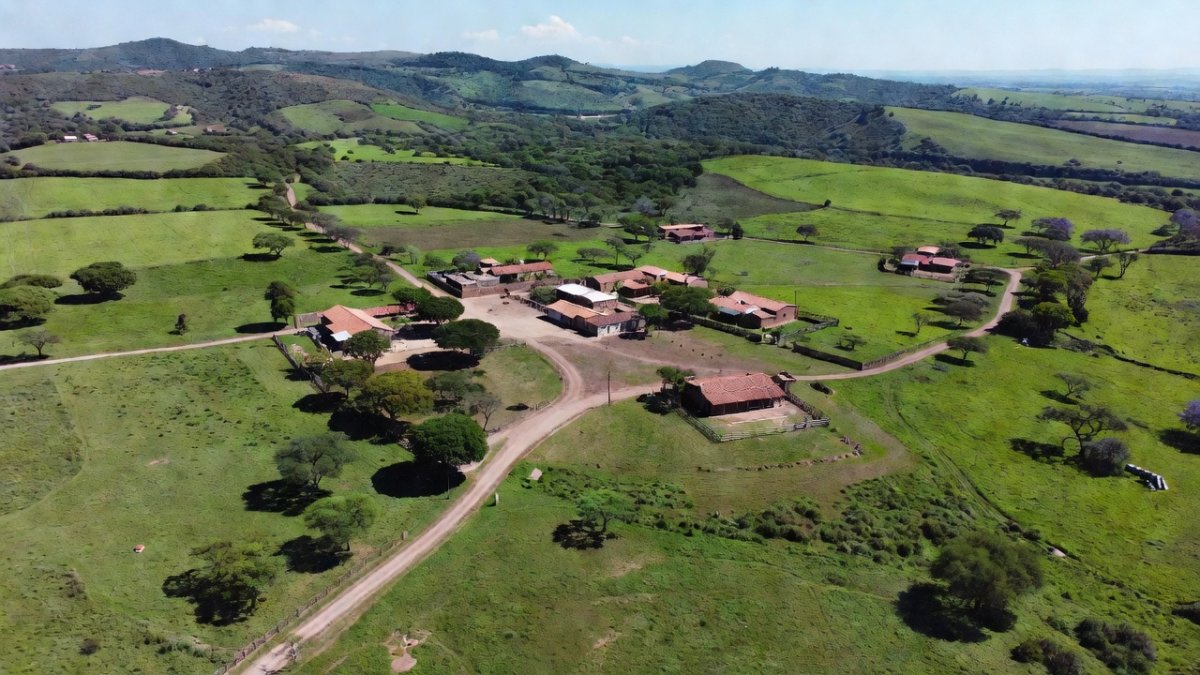
From Narco Hideout to Community Cornerstone: The Transformation of "El Paraíso" In the dusty locality of Atlacholoaya, Xochitepec, Morelos, a property that once symbolized the excess and violence of organized crime is poised to begin a new chapter. "El Paraíso," the infamous ranch formerly owned by Edgar Valdez Villarreal, alias "La Barbie," is set to be converted into a hub of education, health, and cultural preservation.
From Narco Hideout to Community Cornerstone: The Transformation of "El Paraíso"
In the dusty locality of Atlacholoaya, Xochitepec, Morelos, a property that once symbolized the excess and violence of organized crime is poised to begin a new chapter. "El Paraíso," the infamous ranch formerly owned by Edgar Valdez Villarreal, alias "La Barbie," is set to be converted into a hub of education, health, and cultural preservation. The announcement, made by Morelos Governor Margarita González Saravia on Tuesday, August 18, 2026, as reported by Diario de Morelos, marks the culmination of a years-long legal and administrative journey that saw the property pass from a drug lord's hands to a lottery prize, and finally to the state government for the benefit of the community.
The property, which covers 2.5 hectares with more than 4,800 square meters of construction, has a commercial value estimated at around 61.43 million pesos, according to reports from Diario de Morelos. For years, it stood as a stark reminder of the criminal era that plagued the region. Now, plans call for it to house a Centro de Bachillerato Tecnológico Agropecuario (CBTA), a Centro de Medicina Tradicional, and the Instituto de los Pueblos Indígenas. The transformation is not yet complete; it is an announced project that is expected to unfold in the coming months, but the symbolic weight of the change is already being felt across the state.
Governor González Saravia detailed the plans during her weekly press conference, framing the acquisition as a victory for the people of Morelos. "When we arrived at the administration, we looked for the winner and bought the ranch from her at a fair price to achieve this new educational space for the benefit of young people," she said, as reported by local outlets. The statement underscores a deliberate effort to repurpose a site of infamy into a pillar of the community, a move that resonates deeply in a state that has grappled with the legacy of cartel violence.
The Dark History of "El Paraíso" and "La Barbie"
To understand the significance of this transformation, one must first understand the property's grim past. "El Paraíso" was the operational base of Edgar Valdez Villarreal, a Mexican-American drug lord who rose to infamy as a high-ranking lieutenant of the Beltrán Leyva Cartel. Known as "La Barbie" for his light-colored eyes and American upbringing, Valdez Villarreal was also the chief of sicarios, or hitmen, for the organization. His arrest in 2010 marked a significant victory for Mexican authorities, and he was subsequently extradited to the United States, where he was sentenced to 49 years in prison on drug and money-laundering charges. He is currently serving his sentence at USP Coleman II in Florida.
The ranch itself was seized by authorities in 2009, a move that was widely publicized at the time. For years, the property sat in legal limbo, a sprawling estate with luxurious amenities that had been built on a foundation of bloodshed. During the previous federal administration, the property was transferred to the Instituto para Devolver al Pueblo lo Robado (INDEP), the government agency tasked with repurposing assets seized from criminals. This transfer was a key step in the process, as it allowed the property to be used for public benefit rather than being auctioned off to private buyers.
The decision to convert the ranch into educational and health facilities is a deliberate act of symbolic reclamation. It takes a space that was once used to plan violence and turns it into a place where young people will learn, where traditional healers will practice, and where indigenous communities will have a formal institutional home. For residents of Atlacholoaya and the surrounding areas, this is more than just a real estate transaction; it is a rewriting of the local landscape's meaning.
A Lottery Prize with an Unusual Twist
The path from seized property to community asset was anything but straightforward. During her tenure as head of the Lotería Nacional, Governor González Saravia included "El Paraíso" among the prizes in a public draw. Local reports date this raffle to 2021, and it was a highly publicized event. The winner, a merchant from the municipality of Jojutla, purchased a "cachito" — a lottery share — for just 250 pesos. The odds of winning such a grand prize were astronomical, and the news of the merchant's good fortune spread quickly across the state.
However, the story took an unexpected turn. According to Mexico News Daily, the winner initially refused to take over the property. The reasons for this refusal are not fully detailed in the reports, but the practical challenges of owning a former narco ranch are considerable. The property required maintenance, had a complex legal history, and was located in an area with significant security considerations. For a small merchant from Jojutla, the burden of such an asset may have outweighed its value.
Instead of taking possession, the winner agreed to sell the property back to the Government of Morelos. Mexico News Daily reported that the sale was for an undisclosed amount, while Governor González Saravia described the price as "fair" to both sides. The formal transfer was completed to clear the way for the property's metamorphosis into a community asset. This resolution allowed the state government to acquire the ranch without a lengthy expropriation process, and it ensured that the lottery winner was compensated for their unlikely windfall.
Educational Opportunities for the Region's Youth
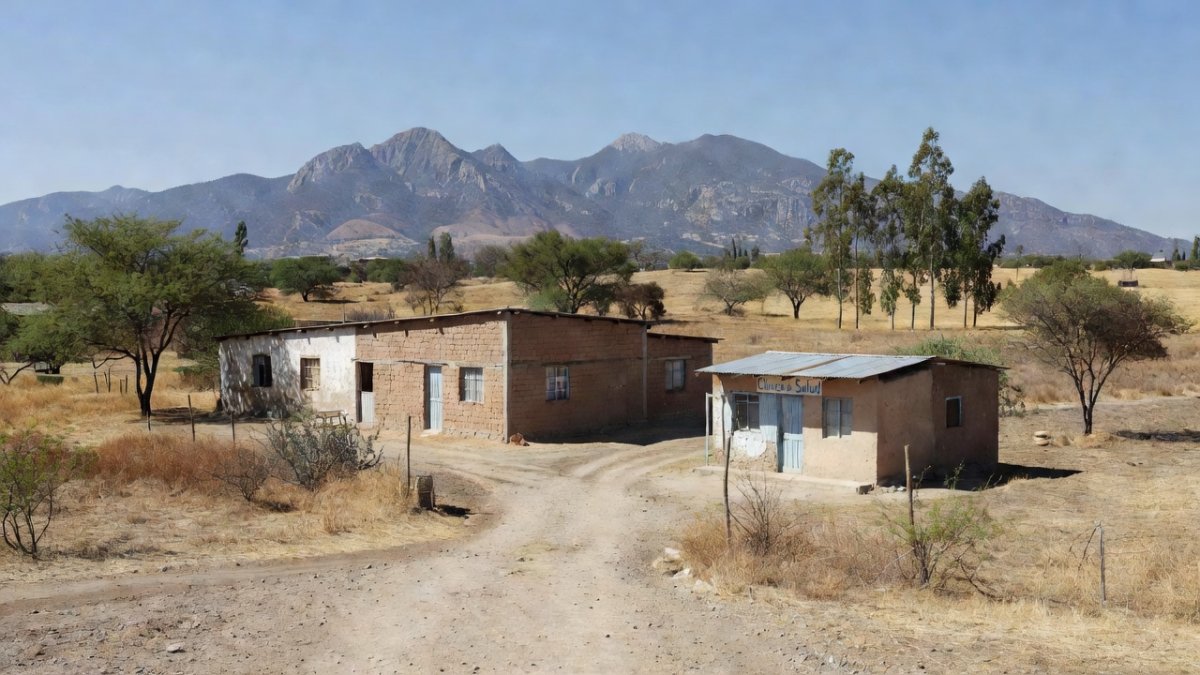
The centerpiece of the planned transformation is the establishment of a Centro de Bachillerato Tecnológico Agropecuario (CBTA) on the property. This agricultural technical high school responds to a historic demand from students in the region, who for years lacked their own campus with adequate infrastructure. According to reports from Diario de Morelos, students from the area have had to travel to other municipalities to continue their studies, a burden that has limited academic opportunities for many young people.
The new CBTA is expected to change that dynamic. By providing a local campus, the school will reduce the need for long commutes and broaden the academic horizons for students in the region. The educational plan is being designed with a unique focus: it will be linked to traditional medicine and the ancestral knowledge of the region's original communities. This is a significant departure from standard agricultural curricula, and it reflects a growing recognition of the value of indigenous knowledge systems in modern education.
Students at the CBTA will not only learn modern agricultural techniques but will also have the opportunity to practice at the traditional medicine center on site. This integration of contemporary education with ancestral practices is a model that could be replicated across Mexico, where indigenous communities have long advocated for greater recognition of their contributions to health and agriculture. The project aims to create a new generation of students who are fluent in both worlds — the scientific and the traditional.
A Hub for Traditional Medicine and Indigenous Rights
In addition to the CBTA, the property will house a Centro de Medicina Tradicional and the Instituto de los Pueblos Indígenas. These institutions represent a significant investment in the cultural and health infrastructure of the region. The traditional medicine center will provide a formal space for the practice and study of ancestral healing methods, which have been passed down through generations in Morelos's indigenous communities. This is particularly important in a state where access to healthcare can be limited in rural areas.
The Instituto de los Pueblos Indígenas will serve as a focal point for the rights and development of the region's original communities. While specific details of its operations have not been fully outlined, the establishment of such an institute signals a commitment to addressing the historical marginalization of indigenous peoples in Morelos. The location of the institute on a former narco ranch adds a layer of significance, as it represents the reclamation of space for communities that have often been the most affected by violence and displacement.
The property's location is also strategic. It is about 25 minutes from Cuernavaca, the state capital, and less than 10 minutes from the CERESO Morelos state prison. This proximity to the prison has raised some questions, but officials have emphasized that the educational and health facilities will operate independently and securely. The location offers easy access for students from across the region, making it a practical choice for the new institutions.
A Model for Repurposing Seized Assets
The transformation of "El Paraíso" is being closely watched as a potential model for other states grappling with the question of what to do with properties seized from organized crime. The INDEP has a portfolio of thousands of such assets across Mexico, ranging from luxury homes to commercial properties. Too often, these assets sit vacant, deteriorating, and serving as reminders of the criminal economy. The Morelos project offers an alternative: a pathway to convert these properties into productive community assets.
The involvement of the Lotería Nacional in the process is also noteworthy. By including seized properties in public draws, the lottery has found a creative way to distribute these assets while generating public interest. The "cachito" that won the ranch in 2021 was a small investment that led to a life-changing prize, even if the winner ultimately chose to sell it back. This approach democratizes the distribution of seized wealth, giving ordinary citizens a chance to benefit from the state's anti-crime efforts.
For the people of Atlacholoaya and the broader Xochitepec region, the project represents hope. It is a tangible sign that the state is investing in their future, not just in terms of infrastructure but in terms of opportunity. The conversion of "El Paraíso" from a site of violence to a center of learning and healing is a powerful narrative, one that speaks to the resilience of communities that have endured more than their share of hardship. As the project moves forward, it will be important to ensure that the promises made are kept and that the community is fully engaged in the process.
The road ahead is long, and the plans are still being formalized. Construction has not yet begun, and the institutions are not yet operational. But the announcement has already had an impact, signaling a new direction for a property that has been a stain on the local landscape for nearly two decades. For the students who will one day walk through the gates of the CBTA, for the healers who will practice at the traditional medicine center, and for the indigenous leaders who will find a home at the institute, "El Paraíso" is being reborn. It is a transformation that honors the past by building a better future.
Tags: El Paraíso ranch, La Barbie, Morelos, Margarita González Saravia, CBTA, traditional medicine, Xochitepec, Atlacholoaya, INDEP, Lotería Nacional, narco property, community asset, Edgar Valdez Villarreal, indigenous institute, education
This article was produced with AI-assisted research and editorial support. Sources: Mexico News Daily, Diario de Morelos, Lo De Hoy Morelos, Posta, Capital México.
By Rosa Martinez, Staff Writer
What's Your Reaction?
 Like
0
Like
0
 Dislike
0
Dislike
0
 Love
0
Love
0
 Funny
0
Funny
0
 Wow
0
Wow
0
 Sad
0
Sad
0
 Angry
0
Angry
0

Latin America/Andes Correspondent at Global1.News. Based in Bogota, covering politics, environment, energy, and social movements across the Andean region. Passionate about environmental journalism and communities protecting their land.














Comments (0)